Stanford Researchers Create a Better Way to Predict the Environmental Impacts of Agricultural Production
Scientists at Stanford, the University of Minnesota and Unilever have found a way to better predict and quantify environmental impacts
Booth #1415
Take a tour through the Crop Engineering Consortium’s high-throughput pipeline for creating nitrogen-fixing cereal crops
Ubiquitous marine organism has co-evolved with other microbes, promoting more complex ecosystems.
Visit Rigaku at Booth # 3512
Visit Thermo Scientific at Booth #3021
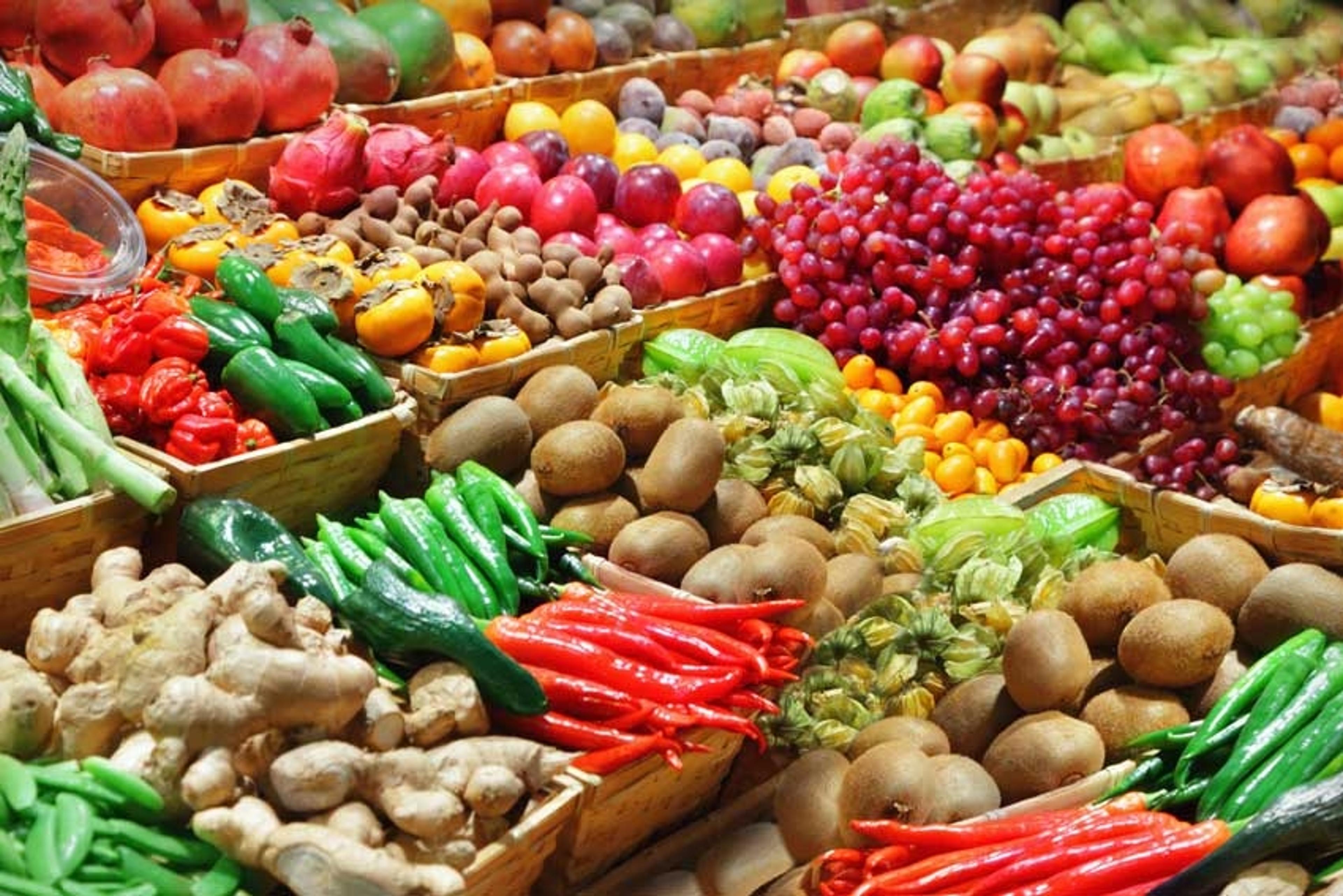
Ammonium nitrate fertilizer used in wheat cultivation contributes 43 per cent of greenhouse gas emissions. These findings are vital to providing solutions to the global food security challenge
Gas chromatography challenges and solutions: learn from the experts
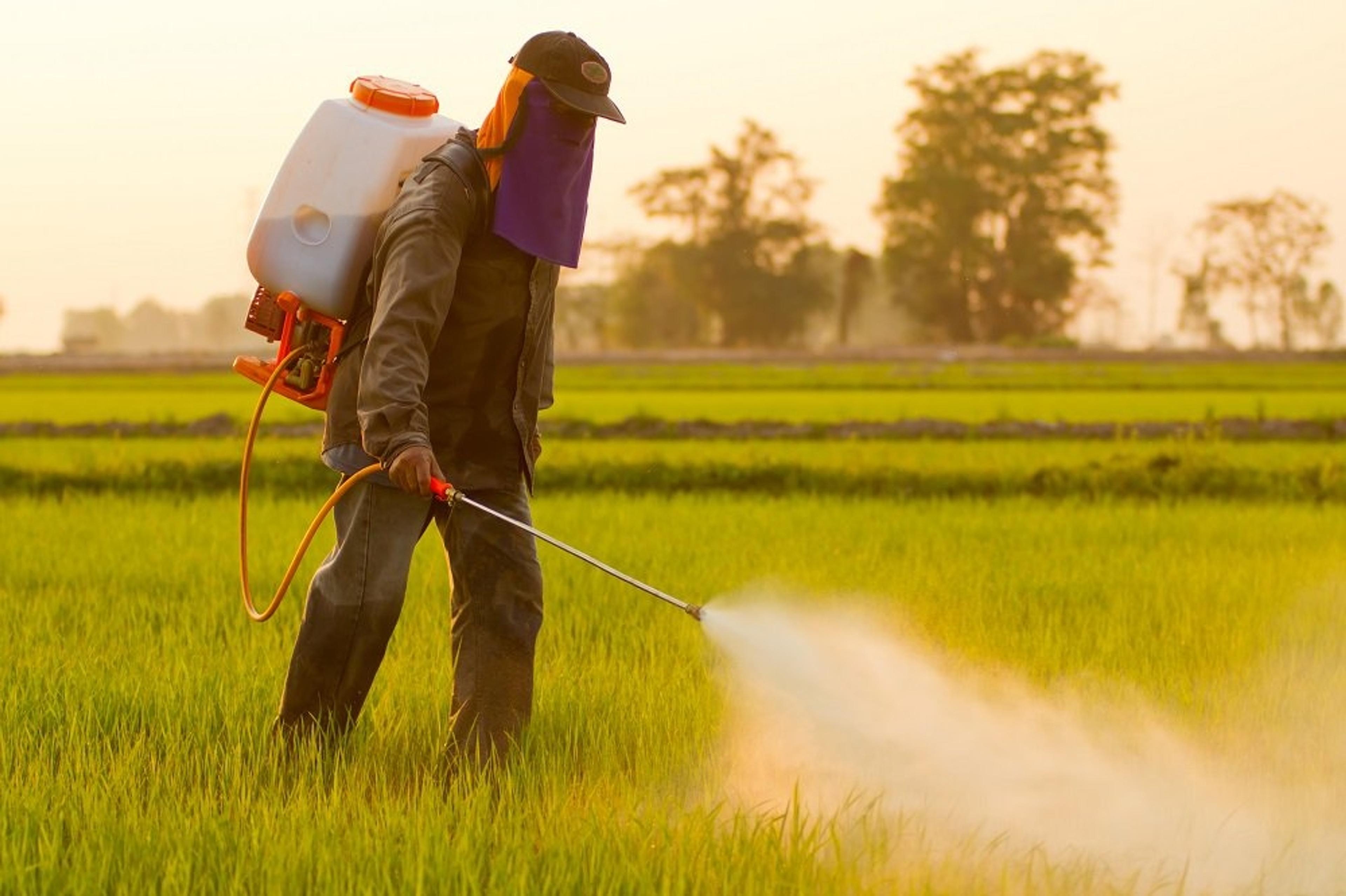
Discover how cutting edge new technologies can help with screening foods for pesticides
Registration is now open for the Spring 2017 Electrochemical Impedance Spectroscopy Short Course to be held in Houston, TX
Learn how the National Food Agency in Sweden has been using Orbitrap technology to enhance targeted and non-targeted pesticide detection into one platform