Video Highlights from Pittcon 2015

SelectScience reports on all the latests technologies from Pittcon 2015

30 Mar 2015

Lois Manton-O'Byrne, PhD
Executive Editor

Editorial article

SelectScience attended Pittcon 2015, in New Orleans, USA, to bring you exclusive video reports on the very latest technology innovations in laboratory products.

1. EMD Millipore Provides a Total Solution for HPLC Applications

Michael Botte, Regional Director of Sales, EMD Millipore, discusses the company's product portfolio

Watch this video to learn about EMD Millipore's diverse product portfolio, which includes sample preparation, filtration, reagents, solvents, LC columns and water purification systems. The Milli-Q water purification system purifies tap water to ultrapure water by removing contaminants such as particles, ions, bacteria and organics.

2. Waters' Acquity QDa Provides Complete N-Glycan Analysis Solution

Rohit Khanna, of Waters Corporation, describes the need for innovative technology solutions

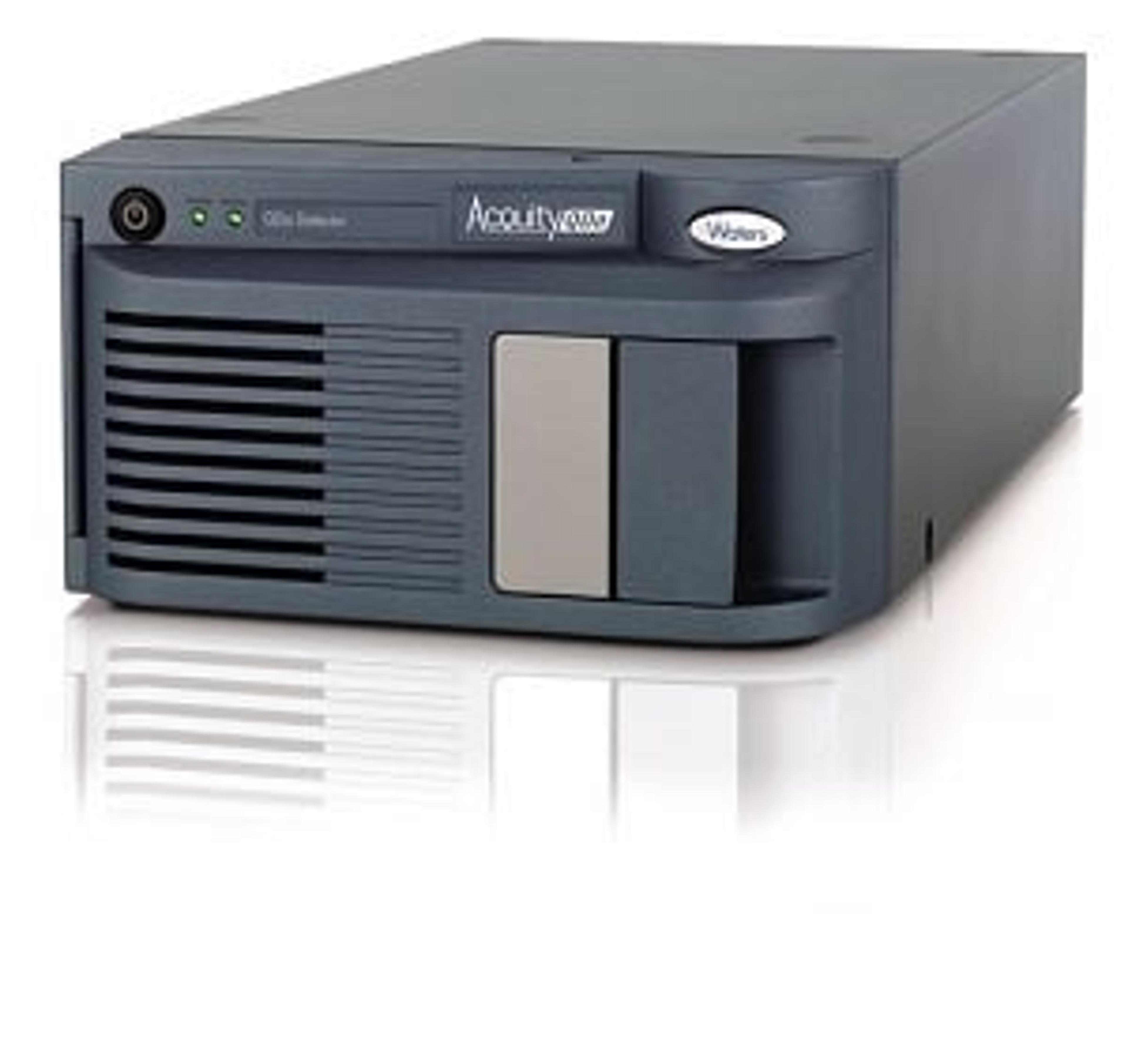
Watch this video to hear Rohit Khanna, VP of Marketing at Waters Corporation, describe the demand for complete innovative solutions that maximize efficiency, technology and software capabilities. An example includes fast, easy analysis of N-Glycans without compromising on sensitivity using the Acquity QDa system. Such mass spectrometry innovations have now become available to new market areas such as food, environmental and clinical.

3. New SPE-DEX® 3100 for Oil & Grease Extraction

Zoe Grosser talks about Horizon Technology's new oil and grease extraction system

Hear Zoe Grosser describe the new SPE-DEX® 3100 oil and grease extraction system, which can be used as a general indicatior of pollution. Horizon Technology's new extraction system enables laboratories to detect if harmful compounds are released into the environment. New features include a touchscreen, updated software, overflow sensor, safe solvent delivery system and evaporation system.

4. Discover How Shimadzu's Open Access Institute Promotes Scientific Advances

The partnership between the University of Texas and Shimadzu is a fruitful one, as Dr Joe Barrera reveals

Hear Dr Joe Barrera describe the ongoing relationship between the University of Texas, Arlington, and the Shimadzu Corporation. The Shimadzu Institute is an open access facility that enables scientists from all over the world to access the latest technology, with the help of leading experts. A current project includes microbial identification paired with resistance identification using the AXIMA Confidence MALDI-TOF Mass Spectrometer.

5. New Sampling Equipment for EPA Method 325

Markes International's Nicola Watson talks about EPA Method 325

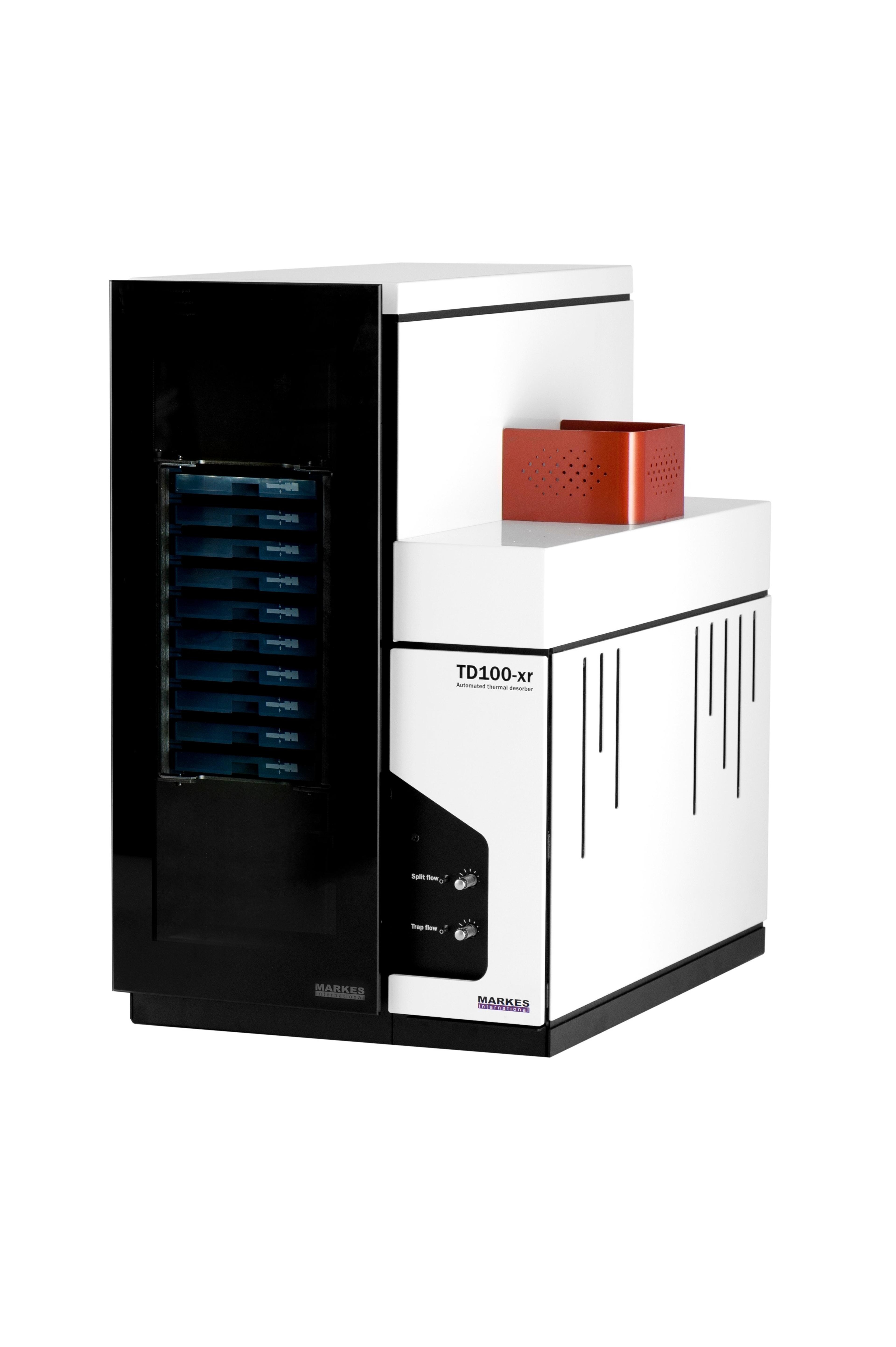
Watch this video to learn about EPA Method 325 and how to effectively monitor benzene levels in and around refineries in a two-week cycle. The TD-100 system can be utilized prior to sample injection into a GC-MS. The sample tubes are tracked using a tagging system and store information such as start time, end time and original location of air sample.

ACQUITY QDa Mass Detector

Waters

The ACQUITY QDa® Mass Detector gives you certainty above all else. You can minimize the risk of unexpected coelutions or components and confirms trace components with the analytical confidence of mass detection. The ACQUITY QDa® Detector is a mass detector built around the needs of analytical scientists for chromatographic analysis. Robust, reliable and requiring no sample adjustments, it just integrates with your current LC, ACQUITY UPLC, ACQUITY UPC2 and purification systems. You'll enhance the analytical value and productivity of each analysis, and you won't need to run all the additional assays or time-consuming alternative techniques or even wait for results from specialist labs that cost your laboratory productivity. With the ACQUITY QDa® Detector, you now have information-rich mass spectral data to complement data from your current Waters® optical detectors, including the ACQUITY UPLC PDA, TUV, ELS, and FLR detectors, as well as the ACQUITY UPC² PDA Detector. This mass spectral information integrates seamlessly into the same workflow; routinely giving you more complete separation characterization. Features: Intuitive operation More information from every sample Effortless integration Increased efficiency Resolving complexity Applications: Food & Environment Life Sciences and Pharmaceuticals Chemical

(20)

Links

Tags

UHPLC and HPLCHigh performance liquid chromatography (HPLC) and ultra high performance liquid chromatography (UHPLC), also known as UPLC, are analytical techniques used to separate, identify and quantitate components of complex mixtures including biological samples such as proteins and lipids as well as chemical mixtures of pesticides, drugs and oils. Both techniques are liquid chromatographic methods but differ by operating pressures (HPLC < 6000 psi < UHPLC ). Components of HPLC and UHPLC systems include columns, detectors, pumps, autosamplers and column heaters. Explore a range of UHPLC and HPLC columns for your specific sample needs including reverse phase, normal phase, ion exchange, HILIC, ion exclusion and size exclusion columns. For more specialized HPLC, explore FPLC, countercurrent LC and simulated moving bed systems. Find the best UHPLC and HPLC equipment in our peer reviewed product directory: compare products, check customer reviews and receive pricing direct from manufacturers.Mass SpectrometryMass spectrometry (MS) is a powerful analytical technique used to identify and quantify molecules based on the mass-to-charge ratio of gas-phase ions. It provides detailed information about the structure, composition, and properties of compounds and is widely used across fields such as environmental monitoring, materials science, drug discovery and development, food and beverage testing, and wider chemical research. Key MS techniques include tandem mass spectrometry (MS/MS), liquid chromatography–mass spectrometry (LS-MS) and inductively coupled plasma (ICP-MS). Choosing from these wide range of techniques and technologies can be a daunting task, so keep up to date with scientific applications, performance expectations, and customer reviews here all in one place. Visit our product directory to receive quotes direct from the manufacturer. GlycobiologyGlycobiology encompasses research into the biological functions, synthesis and structures of glycans, including glycoproteins, glycolipids, proteoglycans and free oligosaccharides. Mass spectrometers and their software are commonly used in the study of glycobiology, along with structure predicting tools, chromatography and NMR.Preparative ChromatographyPreparative chromatography equipment is used for purification purposes, separating and collecting compounds eluted from a mixture which can then be subsequently used for further purposes. This can be done in large quantities or small. Preparative chromatography systems are usually low to medium pressure liquid chromatographs that are semi-automated. Explore a range of preparative columns and fraction collectors. Find the best preparative chromatography equipment in our peer-reviewed product directory: compare products, check customer reviews and receive pricing direct from manufacturers.MALDI-TOF MSMALDI-TOF mass spectrometers (matrix-assisted laser desorption/ionization time-of-flight) are used for the mass analysis of large molecules, including proteins, DNA, polymers and other macromolecules due to its relatively soft ionization, reducing fragmentation whilst allowing fast data acquisition. Tandem mass analyzers such as TOF/TOF systems can be used to increase resolution and sensitivity of your analysis. Find the best MALDI-TOF products in our peer-reviewed product directory: compare products, check customer reviews and receive pricing direct from manufacturers.Environmental Monitoring and TestingEnvironmental monitoring and testing uses handheld portable analyzers, kits, spectrometers or chromatography systems for air, water, soil, food and other sample testing. Useful features of analyzers such as BOD and COD include portability, easy calibration, automation and sensitivity.  Environmental test kits for pH, water, moisture, etc, should be accurate, sensitive, reliable, fast and easy to use.Water PurificationThere are a number of water purification methods available to remove contamination from laboratory water. These systems include demineralization, reverse osmosis, filtration and ultrafiltration. A combination of methods is sometimes necessary to achieve purified water suitable for use in experiments.GlycansAir SamplingAir sampling is described as the technique used to capture air for the subsequent purpose of analyzing, typically by thermal desorption, the presence of trace particulates, such as volatile organic compounds (VOCs).Air ToxicsUltrapure WaterUltrapure water is the highest purity water and contains the lowest levels of organic and inorganic contaminants, particulates and microorganisms.PittconPittcon is one of the largest conferences and exhibitions dedicated to laboratory science. It brings together professionals and innovators in analytical chemistry, physics, and biology, offering a platform to explore the latest scientific tools and technologies. From cutting-edge laboratory instruments to emerging research trends, Pittcon is a must-attend event for professionals in research and development. Microbial DetectionMicrobial detection is crucial for identifying and quantifying bacteria, viruses, fungi, and other microorganisms. This process is essential for food safety, environmental monitoring, clinical diagnostics, and pharmaceutical manufacturing. Explore the best microbial detection tools in our peer-reviewed product directory; compare products, check reviews, and get pricing directly from manufacturers.Thermal DesorptionThermal desorption is a technique used to release volatile compounds from solid samples by heating them. It is often used in environmental testing and analysis of complex materials. Explore thermal desorption systems in our peer-reviewed product directory; compare products, check reviews, and get pricing directly from manufacturers.Airborne PollutantsAirborne pollutants are particulates, biological molecules or other harmful materials that exist in the atmosphere. These pollutants are known to cause harm to health and the environment. Examples include persistent organic pollutants (POPs), carbon monoxide, sulfur oxides, and nitrogen oxides.