
7 life sciences trends to watch in 2026
From AI to aging science, experts share their predictions on the technologies and discoveries set to shape life sciences in 2026
2 Feb 2026
Editorial article
As we enter 2026, it is clear that the fusion of technology, data, and biology is reshaping how life sciences organizations will innovate. From advances in genetic testing and gene therapy for conditions like Huntington’s disease, to the growing power of multiomics and systems biology, this is a moment defined by scientific convergence.
This SelectScience® article highlights insights from leading experts on the key trends shaping the life sciences industry in 2026 and features examples from pioneering companies already driving the next wave of life sciences transformation.
For example, rapid miniaturization in next-generation sequencing (NGS) is unlocking new opportunities in rare disease research, while breakthroughs in liquid biopsy technology are transforming early and multi-cancer detection. At the same time, increasing interest in aging science is driving new approaches to longevity and regenerative health. To keep pace, life sciences companies must embrace emerging technologies, leveraging AI, machine learning, and remote laboratory capabilities to enable seamless global collaboration and smarter decision-making.
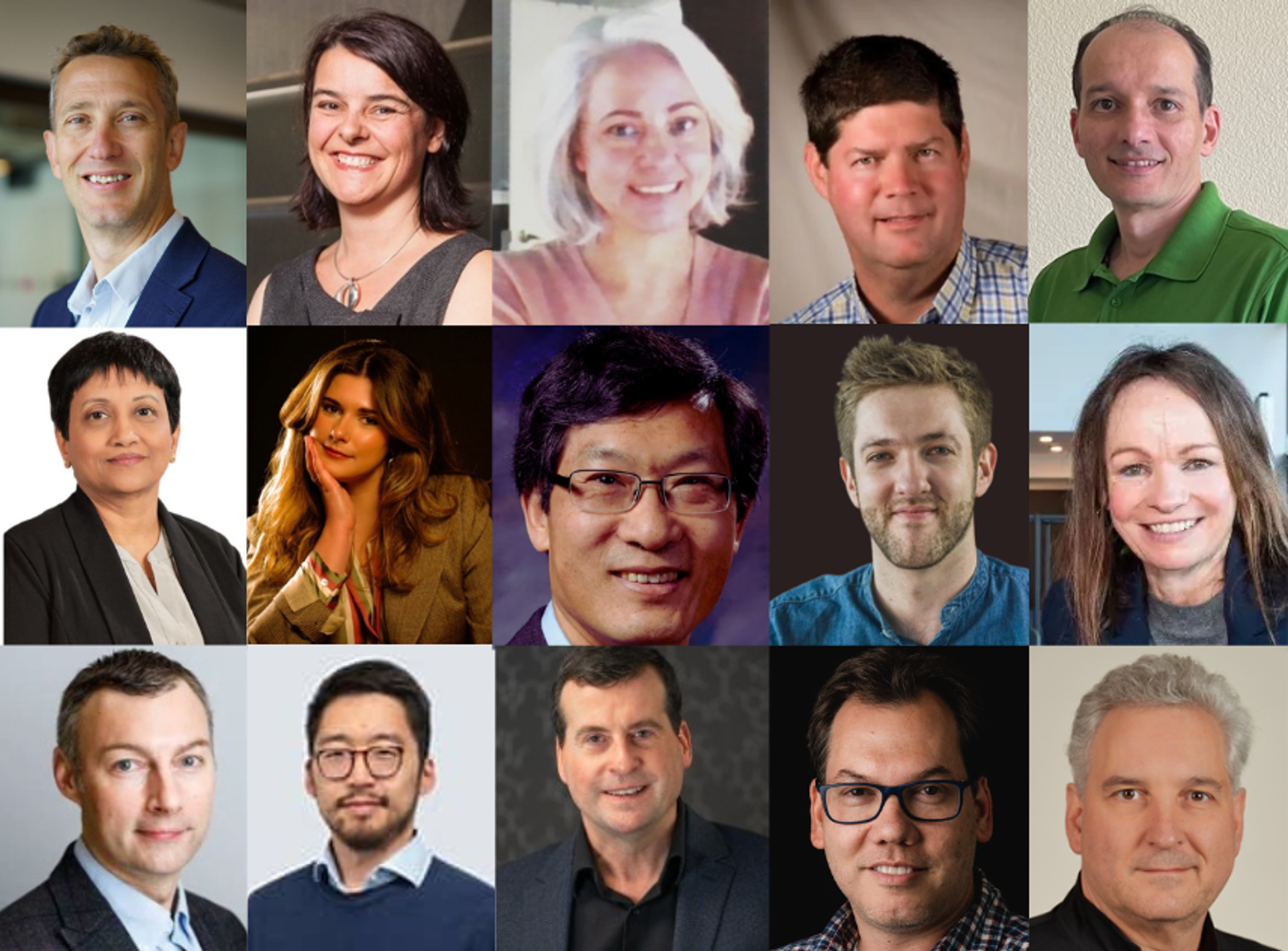
Thank you to all the experts who generously shared their insights on the technologies and discoveries set to shape life sciences in 2026.
1. What is next for genetic testing and gene therapy?
Neil Ward, VP and General Manager, EMEA, PacBio
‘’2025’s landmark success for slowing Huntington’s disease marks one of the first major breakthroughs for repeat expansion disorders. In 2026, we can expect a surge of research and investment into other repeat expansion disorders, which are caused by the abnormal repetition of DNA sequences. Progress against these disorders will require broader adoption of long-read sequencing, the only technology that can accurately analyze these challenging repeats in a single test. With the right technology and partnerships, 2026 will see progress toward treating conditions previously thought to be untreatable.’’
Michelle Fraser, Head of Cell and Gene Therapy, Revvity
''In the five years since the pioneers of CRISPR/Cas9 received the Nobel Prize in Chemistry, the field of cell and gene editing has made remarkable progress. Among these advances is the ongoing evolution of base editing. Contemporary base editing platforms are highly flexible and modular, allowing for fine-tuning, simultaneous multi-gene edits, and even concurrent knock-ins, supporting complex, multiplexed genetic engineering. Recently, Revvity partnered with Profluent to incorporate AI-designed enzymes into base editors, vastly expanding the potential for optimizing these tools. The future promises base editing as a versatile toolbox for tackling both simple and complex genetic disorders.''
Heidi Jones, Market Development Manager, Chromatography, Bio-Rad Laboratories
''Currently we are seeing tempered enthusiasm for Cell and Gene Therapy, along with concerns around cost and safety leading to a modest slowdown in investments in AAV technologies. Still, progress continues. Over the next few years, bispecific and multi-specific modalities are expected to play a larger role, drawing on decades of experience from the antibody era that helped shape today’s BioPharma landscape. AAVs will likely regain momentum as the technology matures and safety profiles improve, although costs may remain a significant hinderance for this avenue. At the same time, manufacturing approaches, such as continuous chromatography and other process-intensification strategies are gaining traction and have the potential to ease some of the pressure around efficiency and scale. As the field evolves, vendors will likely need to keep pace by offering innovative solutions to increasingly complex problems, while ensuring their tools integrate seamlessly with cloud-based data systems – especially as AI becomes more tightly woven into every stage of drug development and production.''
2. Is multiomics and systems biology a new era for life sciences?
Tom Fletcher, R&D Director, Process Development, FUJIFILM Biosciences
''Systems biology continues to generate valuable knowledge that is expected to advance the diagnosis, monitoring, and treatment of various diseases. As we continue to discover relevant new markers, the potential to expand our knowledge of both healthy and disease states will provide evermore opportunities to develop and deliver personalized treatments. 5-hydroxymethylcytosine (5hmC) is a promising example of a marker that can be used to evaluate several important conditions with minimally invasive methods. When combined with other -omics methods, it promises to become an even more powerful tool for studying and ultimately treating a range of cancers, neurological, and perhaps other diseases.''
Veronica DeFelice, Director of Biologics, Sapio Sciences
"In 2026, identifying disease targets will rely on in silico exploration before any wet-lab validation begins. AI-guided platforms connected to LIMS will integrate genomic, proteomic, and transcriptomic datasets to reveal new molecular patterns and disease mechanisms that were previously hidden in isolated data. This shift will give research teams a greater ability to connect target biology with candidate design, reducing the number of projects that stall during preclinical development. As AI becomes a consistent feature of early-stage research, target discovery will evolve from a manual search process into a continuous analytical workflow."
3. How is next-generation sequencing (NGS) evolving?
Anna Godenhjelm, General Manager, Reproductive Health, Revvity
''Newborn screening is steadily evolving, driven by rapid advances in therapeutics, technology, and global health priorities. Next-generation sequencing will gain more traction worldwide, enabling earlier and more comprehensive detection of rare genetic diseases. While ethical, legal, and cost concerns remain, over 60 feasibility studies are actively addressing these challenges, signaling the integration of NGS into public health programs. International organizations, including the World Health Organization, will signal the importance of neonatal and infant health and advocate for universal, equitable screening programs. Collaborative efforts will establish new screening programs, aiming to ensure that more newborns benefit from early diagnosis and improved health outcomes.''
Neil Ward, VP and General Manager, EMEA, PacBio
''In 2026, we will see stunning examples of how AI can interpret genomics data to understand complex biology. This matters, given the scale we are talking about: analyzing one person’s genome involves tens of thousands of lines of code, and population-scale studies could generate up to 15× more data than YouTube over the next decade. We are already seeing major AI players partnering with science firms to analyze genomics data in natural language rather than relying on specialized bioinformatics code, like ChatGPT but purpose-built for science. For example, PacBio partner 10x Genomics is collaborating with Anthropic."
4. How are researchers addressing early and multi-cancer detection?
Marwan A. Alsarraj, Global Segment Manager, Life Science Group, Bio-Rad Laboratories
''The rise of liquid biopsy, and particularly the ability to detect cell-free DNA from tumors with the high sensitivity of digital PCR, now allows researchers to follow tumor evolution in real time, including monitoring therapeutic response, detecting molecular residual disease (MRD) after treatment, and identifying recurrence earlier than conventional methods.
Digital PCR is also playing an increasingly central role in allowing investigators to sensitively detect multiple oncogenic mutations in key genes, such as EGFR, KRAS, and BRAF, at the same time, from either plasma or tissue samples. Multi-target detection can help elucidate tumor biology, and support oncology research which could ultimately lead to personalized cancer treatment and earlier intervention.''
Dr. Gen Li, Founder and President, Phesi
“Cancer has dominated Phesi’s Most Studied Diseases list for the last four years, and we expect the same to be true when we publish 2025’s results. The data shows that historically, oncology studies suffer from slow patient recruitment, inadequate investigator site selection and poor data quality – despite the fact our understanding of the underlying genetic factors influencing cancer is now greater than ever. Fixing this in 2026 is within our reach. The volume of real-world data available for cancer indications has boomed in recent years. This opens up the potential for sponsors to be far more precise in designing and running oncology clinical trials in 2026. With the right data meeting the right science, 2026 will be the year when precision oncology trials finally come into their own, eventually leading to lower patient burden and better, more targeted treatments.”
5. What is the role of AI and machine learning in life sciences?
Matt Alderdice, SVP of Product, Sonrai Analytics
''Moving into 2026, I believe the focus in AI for biotech and pharma will shift from ‘more data’ to ‘better data. We’ve entered an era where success depends less on the sheer volume of data and more on how effectively we can harmonize, visualize, and interpret it. True progress in model accuracy and clinical utility comes from high-quality, interoperable, and contextually rich data. Integrating genomic, imaging, and clinical datasets securely and reproducibly remains a major challenge, but AI is increasingly addressing it through foundation models trained on multimodal biomedical data. In 2026, we’ll see greater emphasis on intuitive visual analytics - tools that make complex AI outputs interpretable and actionable. The leaders will be those who turn data complexity into clarity, building trust through transparency and insight.''
Michael Chen, Co-Founder and CEO, Nuclera
''I predict that we will continue to see further advancements with approaches that integrate Cell Free Protein Synthesis (CFPS), automation, and artificial intelligence (AI), leading the way. Combining the predictive capability of AI with the tunable system of CFPS encapsulated in an automated set-up will enable scientists to identify the most promising expression and purification environments, fine-tune reactions, and screen these in parallel. The biggest impact of this will be seen when applied to notoriously difficult-to-express classes of proteins with immense therapeutic potential, such as membrane proteins and antibodies. In doing so, researchers will gain faster access to critical targets and ultimately shorten the path from early discovery to viable therapeutic candidates.''

6. How are researchers applying automation, remote labs and digital science?
Mark Fish, VP & GM of Digital Science and Automation Solutions, Thermo Fisher Scientific
''In 2026, I predict that “intelligent automation” will become the biggest productivity engine in pharmaceutical and research labs, combining this concept with generative artificial intelligence (AI) tools and digital twins.
As robotics and software take over long hours of pipetting, weighing, and plate handling, scientists will spend far less time as operators and more as strategic problem-solvers. Automated science will be further amplified by machine learning and AI, allowing hypotheses to be explored in the “dry lab” prior to automated experiment execution in the “wet lab,” and then data to be reviewed by exception before further feeding the intelligent models required for smarter science.
Labs that move toward end-to-end, AI-enabled, orchestrated workflows will set a new bar for speed, accuracy, and compliance. Automation doesn’t replace scientists; it amplifies them, turning the lab into a space optimized for more accessible discovery.''
Miguel Tam, Product Management Director, Life Science Reagents, BioLegend – part of Revvity
''In clinical research, accurate and reproducible product performance is essential for successful translation into diagnostic applications. As research advances the understanding, diagnosis, and treatment of rare and complex conditions - such as type 1 diabetes, cancer, allergies, and paroxysmal nocturnal hemoglobinuria (PNH) - the need for well-defined, biologically relevant controls has steadily increased. From modified lyophilized human cells to engineered cell lines, complex positive controls that mimic a patient’s condition or serve as biomarkers are enhancing confidence in diagnostic tools. Higher standardization across disease areas is moving clinical research and diagnostics towards greater ease of use and reduced costs by increasing the efficiency of diagnostic tests.''

7. Why is global collaboration and communication important in life sciences?
Dr. Deborah O’Neil OBE FRSE, Chair, ONE Life Sciences
''2026 will see an acceleration in the rebalancing of life sciences R&D. Rather than concentrating in global hubs, the industry is increasingly recognizing the benefits of regional hubs, where scientific expertise, modern laboratory spaces, and integrated support systems come together. This trend is visible in the growing pipeline of university spinouts and innovative SMEs emerging from North East Scotland. The proximity to universities and hospitals makes access to world-leading expertise and collaboration between discovery scientists and clinicians, accelerating translation. Innovation launchpads are strengthening this momentum, providing support to companies as they scale and commercialise new technologies. If this shift towards place-based R&D continues, 2026 will be pivotal in redefining regions at the forefront of the life sciences landscape, including North East Scotland.''
David Gosalvez, Ph.D., Chief Strategy Officer, Revvity Signals
''In 2026, life-science R&D will reach an inflection point as AI-augmented molecular design becomes the default in early discovery. The winners will be the organizations that deliver the predictive power of models directly into scientific context - embedded into electronic notebooks, analysis platforms, and design workflows - so chemists and biologists can act on high-confidence insights without leaving their workspace. The industry will increasingly recognize that the true competitive advantage lies not in algorithms but in the training data behind them. As the benefits of collaborative model improvement begin to outweigh long-held concerns over data sovereignty, the industry will shift toward Federated Learning as standard practice, enabling secure cross-company model refinement and accelerating how the industry innovates.''

Looking ahead at what is to come in 2026
The defining characteristic of life sciences innovation in 2026 is not any single technology, but the ability to integrate many: biology with data, automation with insight, and local expertise with global collaboration. From long-read sequencing and base editing to multiomics, AI-driven discovery, and intelligent automation, the tools now exist to tackle diseases once thought untreatable. The organizations that succeed will be those that move quickly, break down silos, and embed predictive intelligence directly into scientific workflows.
As convergence accelerates, confidence will come not from owning the most data or the most advanced algorithms, but from building systems – technological, organizational, and collaborative – that turn complexity into clarity. In this new era, innovation at scale is no longer optional. It is the foundation of progress.