
The future of protein biology research in drug discovery

Co-directors of the ELRIG Research and Innovation 2020 meeting discuss current trends and challenges in protein biology and drug discovery

2 Dec 2019

Sarah Thomas
Associate Editor

Editorial article

Protein biology is a constantly developing field that is gaining more relevance in areas such as immunology and drug discovery. In this exclusive interview, Dr. Darren Cawkill, project director for Apollo Therapeutics, and Dr. Jon Hutchinson, senior scientific investigator for GSK (GlaxoSmithKline), discuss current trends in protein biology and how they expect proteomics to be involved in the future. They also provide an overview of the upcoming ELRIG Research and Innovation 2020 meeting, taking place in Oxford, UK, 31 March - 1 April, including highlights from the scientific program and what attendees can expect to see.

Why is our understanding of protein biology fundamental for drug discovery?

DC: Protein biology is important for drug discovery because in most, if not all cases, the cause of a disease is through events that involve abnormal behavior of protein. That can manifest in a variety of ways. It can be upregulation; it can be downregulation of expression of specific proteins. It can be mislocalization of protein, misfolding of proteins. It can also be abnormal activation or deactivation of proteins. Understanding these characteristics of protein behavior in both disease and normal conditions is what underpins target validation for drug discovery.

JH: We then need to look at how to go about intervening with the targets - what's the right modality to correct the disease process caused by abnormal protein behavior? For example, with a protein degrader, a PROTAC, you need to understand the dynamics of the target protein - how quickly is it synthesized? How quickly is it turned over?
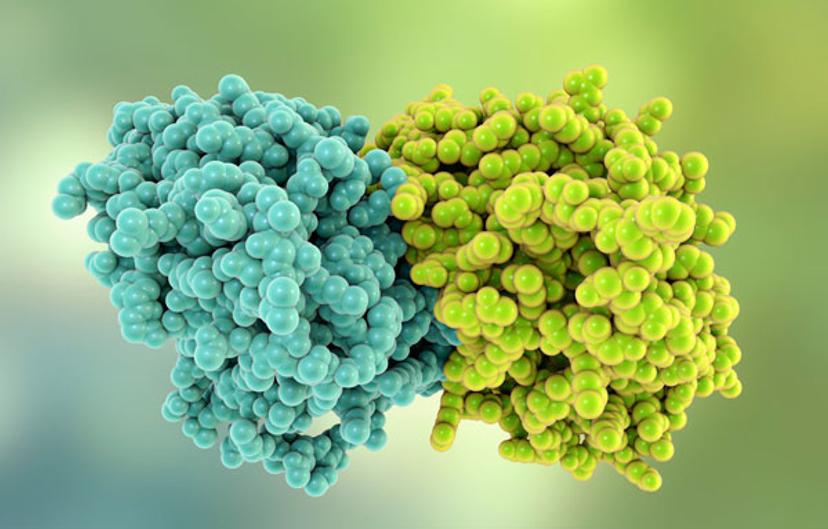
Studying proteins inside cells is complex and technically challenging

What are some of the current challenges associated with protein analysis?

DC: The structural side of protein biology is quite routine for many classes of proteins such as kinases, where the link between protein structure and function is well understood. For larger proteins, membrane proteins and protein complexes - this information is typically absent and hence there is a gap in our knowledge about how the protein structure influences function. For example, many structures represent a single form of a dynamic protein and we do not know whether it’s an active or inactive form, or somewhere in between.

The methods we have for understanding what proteins are doing inside cells are still quite basic. Often, we study proteins in isolation or in simple systems. That’s not always necessarily physiologically relevant or it doesn't represent the protein inside the cell. In the future, studying proteins inside cells, which is still quite complex and quite technically challenging, will hopefully become easier and more detailed.

What trends have you seen in the methods, technologies and techniques used in protein biology?

JH: The ability to perform proteome-wide characterization within the cell and methods to determine protein interactions have developed hugely to help with proteome characterization.

With new methods, we are also able to define how different proteins express at different levels in diseased versus healthy tissue and cells, as well as mapping post-translational modifications on a wider scale, instead of just the individual protein’s sequence, and also explore how proteins are folded or modified.

DC: Proteomics still has got a long way to go, because I don't think it's embedded routinely as part of most projects. It's still a very specialist area. If only being used to look at relative levels of proteins in cells under different conditions, there's another layer of detail that remains to be uncovered - e.g., how those proteins are being regulated or phosphorylated, or does the protein undergo post-translational modifications? These insights will determine not just that protein’s levels in the cell, but also what's its functional state is at any moment in time.

I think that a technological breakthrough and current trend going forward in drug discovery is CRISPR, although not necessarily exclusive to protein biology, it allows researchers to introduce clinically validated mutations into cells without having to overexpress these proteins inside the cell. We can use this to understand how a specific protein mutation changes its function in disease versus a normal or a wild type state.

JH: Cryo-electron microscopy (Cryo-EM) is an emerging structural approach. We are very familiar with crystallography being used to optimize the interaction of small molecules with soluble protein targets. Technologies like cryo-EM allow us to look at more complex targets and large protein assemblies and will be very important in future rational drug discovery. It’s going beyond the optimization of small molecules and more into defining function in large complexes.

It is also worth mentioning the practical methods for expressing proteins now have higher throughput platforms, for example for mammalian expression. People are familiar with the expression of bacterial hosts using automated methods, but not using those with mammalian hosts, so that’s an improvement.

Tell us a little bit about the upcoming ELRIG Research and Innovation 2020 meeting, your key focuses for the meeting and the topics that you will be discussing.

DC: We have sessions focused on four specific areas. One of those is structural biology and biophysics, which encompasses a lot of what we've been talking about today. We have other sessions that are going to cover immunology and drug discovery, one on seeking novel drug targets and one that we've called "Good bugs/ bad bugs," in which we'll look at the microbiome as a potential therapeutic angle as well as the bad side of bugs, i.e. infection and microbial resistance

Typically, the meeting attracts a diverse base of delegates from senior industry scientists to students that have an interest in drug discovery. The Research and Innovation meeting covers more about the future of drug discovery. Rather than examining what's considered current best practice right now in drug discovery, it has an emphasis on innovation, either technical innovation or breaking research about disease, that we believe will impact drug discovery in the future.

It's a good meeting for people who want to deepen their knowledge within any of the areas that we're focusing on. As far as drug discovery is concerned, because it's a multi-disciplinary field, the more you know about different disciplines, the more you're going to see ideas coming in from different angles.

Dr. Jon Hutchinson (left), senior scientific investigator, GSK, and Dr. Darren Cawkill (right), project director, Apollo Therapeutics, are the Co-chairs of the 2020 ELRIG Research and Innovation meeting

Register your place for the ELRIG Research and Innovation 2020 meeting today. Learn more about the latest technologies for protein biology in the SelectScience Special Feature.

Links

Tags

ElectrophoresisElectrophoresis equipment is used to separate mixtures of protein, DNA or RNA, based on their electric charge, size and other physical characteristics, by passing them through a medium such as a polyacrylamide gel, an agarose gel or a capillary tube. Electrophoresis equipment includes horizontal and vertical gel electrophoresis chambers, isoelectric focusing systems, 2D electrophoresis and capillary electrophoresis instruments. Precast gels with a gradient can be used or gels can be hand cast. Samples are run alongside ladders or markers to identify the approximate size of a molecule. Separated proteins and nucleic acids in the gel can be stained or probed with fluorescent markers and then imaged and detected using gel documentation instruments, transilluminators, densitometers and scanners. Find the best electrophoresis equipment in our peer-reviewed product directory: compare products, check customer reviews and receive pricing direct from manufacturers.BiosensorsBiosensors are devices used to detect an analyte using biological molecules specific to the analyte coupled to a detector. Biosensor instruments may be photometric, typically using surface plasma resonance (SPR), electrochemical or QCM (quartz crystal microbalance) biosensors. Biosensors should be selective, portable, robust and sensitive and have a fast response time. Systems may be manual or automated and usually have associated software.ProteomicsProteomics is the systemic bioinformatics study of proteins and amino acids, including their structure, size, function and identification. Tools used in proteomics include chromatography, blotting and gels, protein arrays, mass spectrometry and ELISA and associated analysis software. Analyzers and proteomic systems should be sensitive, high resolution, fast and may be automated for high-throughput.Microplate Readers / DetectorsMicroplate readers are used to automate the detection and analysis of labeled or label-free components in microplates during assays or live-cell monitoring. Microplate readers are generally distinguished by their mode of detection. Types include absorbance, luminescence, fluorescence intensity, fluorescence polarization, TRF / FRET and multimode microplate readers. Microplate readers deliver a high throughput of samples by reading multiple wells simultaneously, with the 96-well format the most commonly used. As a result, microplate readers are often used in the drug discovery, bioassays, research and pharmaceutical industries for screening applications. Microplate loading can also be automated, with robotic microplate stackers to increase throughput. Find the best microplate readers in our peer-reviewed product directory: compare products, check customer reviews and receive pricing direct from manufacturers.MicrobiologyMicrobiology is the study of microorganisms including protists, prokaryotes, fungi, and, often, viruses. Microorganisms are a useful research tool as genetic vectors and, in immunology, for antibiotic susceptibility testing, cellular biology and genetics. Microorganisms commonly grow readily in incubators with microbial culture media; this can contain chromogenic supplements to differentiate between cell lines. Estimate your culture’s density of microorganisms with colony counters, or screen and select colonies for desirable clones with automated colony pickers. Additionally, equipment is available to monitor environments for the presence of microbes and identify with microbial identification instruments. Find the best microbiology products in our peer-reviewed product directory: compare products, check customer reviews and receive pricing direct from manufacturers.Protein PurificationProtein purification is a vital step in drug discovery, therapeutics, biotech and life science research. The purification process typically involves subcellular or membrane protein extraction with cell lysis kits, separation of proteins from cell debris by filtration or spin columns, and the isolation of proteins of interest from other proteins and impurities with affinity purification (including fusion protein tags and antibody binding proteins A, G and L), immunoprecipitation or chromatographic methods, such as ion exchange, size exclusion and immobilized metal affinity chromatography. All purification methods come in multiple formats for your laboratory needs, including agarose or magnetic beads, resins, columns and filter plates. Find the best protein purification equipment in our peer-reviewed product directory: compare products, check customer reviews and receive pricing direct from manufacturers.Protein CrystallographyProtein crystallization is the process of crystallizing purified proteins for 3D structure analysis by x-ray crystallography. The main methods of protein crystallization include sitting drop, hanging drop and microbatch. It is important to control parameters such as pH, temperature and concentration. Following crystallization, detectors and software are used for data collection and analysis.BiomarkersBiomarkers are biological markers which can be measured and evaluated to indicate a biological state. The use of biomarkers in research and diagnosis can indicate a normal or disease state or drug response of cells / tissues. Biomarkers include genetic markers, cell surface markers such as antigens, antibodies or receptors and secreted molecules such as cytokines. An assay system is required for identification of biomarkers. :Electron MicroscopyElectron microscopes (EM) are used to create high-resolution images of samples at the nanoscale by means of an accelerated beam of electrons as a source of illumination. Types of electron microscope include scanning electron microscopes (SEM), transmission electron microscopes (TEM), scanning transmission electron microscopes (STEM) and cryo-electron microscopes. Focused ion beam (FIB) microscopes are useful for modifying or milling a sample surface with nanometer precision, as well as imaging. Find the best electron microscopes in our peer-reviewed product directory: compare products, check customer reviews and receive pricing direct from manufacturers.Protein QuantificationThe detection and quantification of proteins in a sample is vital across life sciences, pharmaceutical research and clinical diagnostics, and a variety of equipment is available to scientists to simplify the workflow. Proteins of interest can be easily labeled and detected on light-based detection instruments. Immunoassay kits allow you to identify a specific protein of interest and protein detection beads or antibody microarrays allow you to identify multiple specific proteins at once. Protein interactions and enzyme activity can also be monitored with protein-protein interaction assays. Additionally, the biophysical characterization of proteins is made easy with biokinetic analyzers. Find the best protein detection and quantification products in our peer-reviewed product directory: compare products, check customer reviews and receive pricing direct from manufacturers.Protein ExpressionProtein expression is the utilization of cell machinery for the synthesis of proteins and has become a critical tool in biotherapeutic, genomic, and proteomic research. Produce recombinant proteins with expression vectors in combination with a host cell suitable for high-level protein expression. For production of toxic proteins, consider cell-free expression vectors. Create and monitor post-translational modifications with protein modification kits. Find the best protein expression products in our peer-reviewed product directory: compare products, check customer reviews and receive pricing direct from manufacturers.Protein DetectionProtein detection techniques are essential for understanding protein expression, localization, and function. Methods such as western blotting, ELISA, and mass spectrometry are commonly used in research and diagnostics. Browse our peer-reviewed product directory to find the best tools for protein detection, compare products, check reviews, and get pricing directly from manufacturers.Protein InteractionsProtein interactions are essential for understanding cellular processes, as proteins work together to carry out biological functions. Studying protein interactions can provide insights into disease mechanisms, drug development, and cell signaling pathways. Explore the best tools for protein interaction research in our peer-reviewed product directory; compare products, check reviews, and get pricing directly from manufacturers.Protein StructureProtein structure refers to the three-dimensional arrangement of amino acids in proteins, determining their function. Understanding protein structure is key in drug discovery, enzymology, and molecular biology. Explore protein structure analysis tools in our peer-reviewed product directory; compare products, check reviews, and get pricing directly from manufacturers.Protein Stability
The future of protein biology research in drug discovery