Solutions for vaccine characterization and development

Discover how light scattering provides essential biophysical insight and reliable quantification of critical quality parameters for vaccine research, development, production and quality control

21 Jul 2020
Georgina Wynne Hughes
Editorial Assistant

Industry news

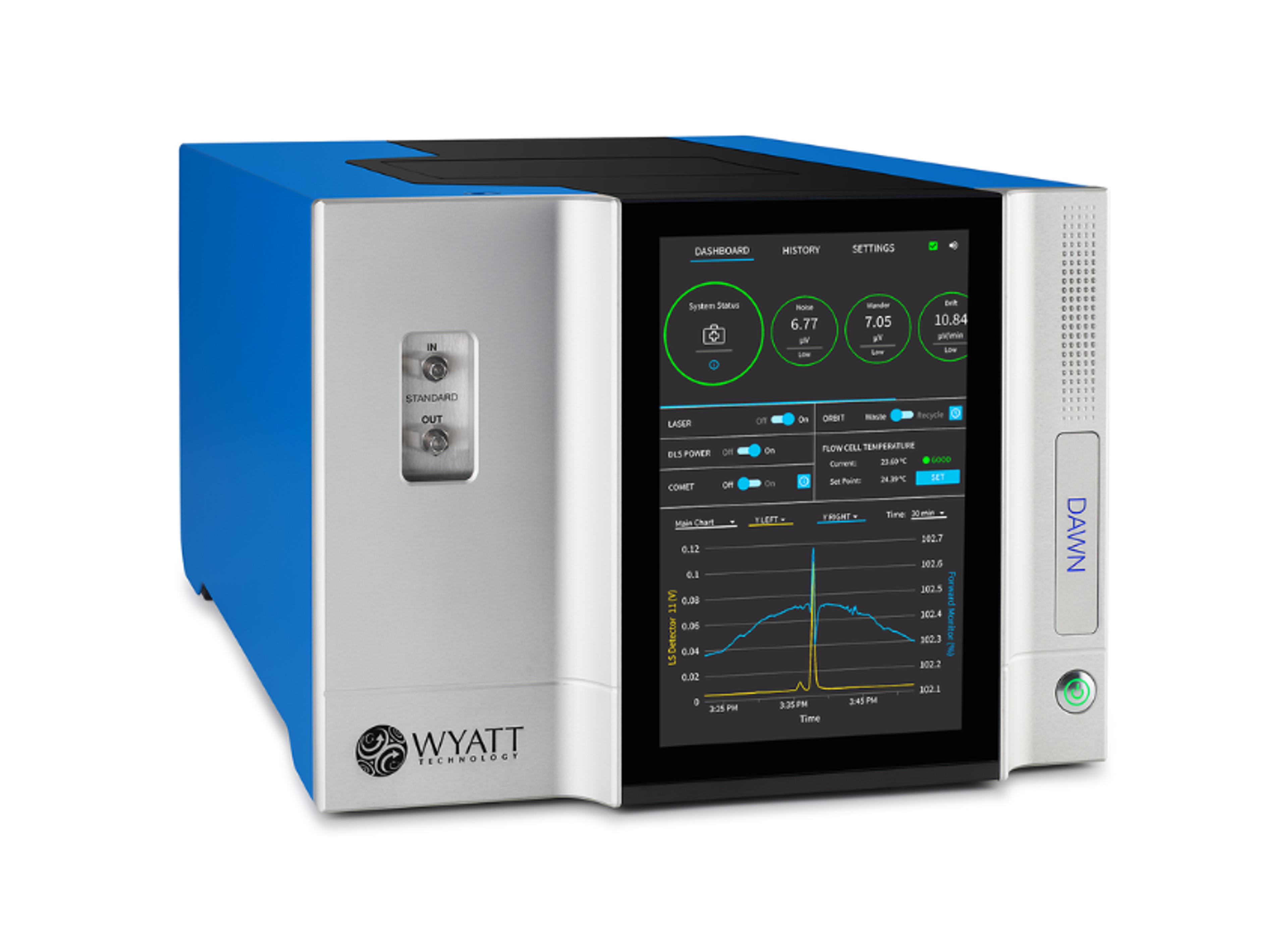
Light scattering instruments—in combination with various methods of sample handling and separation—comprise a suite of invaluable tools for biophysical quantification of vaccines. These technologies determine molar mass and size, virion titer and content, degree of aggregation and stability. “Solutions for vaccine characterization and development”, at www.wyatt.com/Vaccines, presents a large set of resources to learn about the applications of light scattering and related technologies, such as field-flow fractionation, to vaccine development and production.

The material is categorized by vaccine type: gene vectors; viruses (which can include subunit-antigen presenting non-pathogenic viruses as well as live-attenuated or inactivated pathogens); virus-like particles; polysaccharide and glycoconjugates; and protein antigens. Each category includes links to relevant application notes, webinars, peer-reviewed publications and/or technical information on the instruments used to characterize the vaccine.

Multi-angle light scattering and dynamic light scattering, whether stand-alone or coupled to size-exclusion chromatography (SEC-MALS-DLS) or field-flow fractionation (FFF-MALS-DLS), have been a mainstay of vaccine characterization and quality control for nearly two decades. Some recent developments included in the references are evaluation of the nucleic acid content of viral vectors by SEC-MALS, and the quantification of virion physical concentration by batch DLS. Recently, instrumentation for real-time MALS (RT-MALS) has become commercially available. RT-MALS is ideal for process monitoring and control via online measurement of molar mass, size and particle concentration.

The web page is capped with recommendations for further exploration that include links to bibliographies and additional solutions for characterization of biologics ad complex drugs.

Want more of the latest science news straight to your inbox? Become a SelectScience member for free today>>
Links

Tags

Size Exclusion ChromatographySize exclusion chromatography (SEC) is a liquid chromatographic technique used to separate and identify molecules based on their size, including polymers, proteins, nanoparticles & nucleic acid. SEC is further subdivided into gel filtration chromatography (GFC) and gel permeation chromatography (GPC) when an aqueous or organic mobile phase is used respectively. HPLC-based SEC systems and columns are available for analytical separation alongside SEC spin columns or filters to prep samples for many protocols. Find the best size exclusion chromatography equipment in our peer-reviewed product directory: compare products, check customer reviews and receive pricing direct from manufacturers.ChromatographyChromatography is a powerful technique used to separate and analyze components of mixtures based on their chemical properties. It is widely used in fields like biochemistry, pharmaceuticals, and environmental analysis. By exploiting differences in the interaction of substances with a stationary phase and a mobile phase, chromatography enables precise purification and quantification of compounds. Whether you're working with complex biological samples or industrial chemicals, chromatography is essential for obtaining high-quality results. Browse our peer-reviewed product directory to find the best chromatography systems, compare products, read customer reviews, and get pricing directly from manufacturers.Dynamic Light ScatteringDynamic light scattering is used to measure the size distribution of particles in suspension by analyzing the way light scatters off them. It is commonly used in materials science, nanotechnology, and protein characterization. Browse our peer-reviewed product directory to find the best dynamic light scattering systems, compare products, check reviews, and get pricing directly from manufacturers.VirusesViruses are microscopic pathogens that require a host cell to replicate. Understanding their structure, replication cycle, and impact on the immune system is crucial in developing effective treatments, vaccines, and diagnostic methods. Research continues to focus on emerging viral diseases and antiviral drug discovery. Explore solutions for virus research, detection, and treatment in our peer-reviewed product directory; compare products, check customer reviews, and get pricing directly from manufacturers.SECSize exclusion chromatography (SEC) separates molecules based on size, ideal for protein purification, polymer analysis, and biopharma applications. SEC ensures precise characterization of biomolecules for research and industry. Explore peer-reviewed SEC products and compare options for your lab.Vaccine DevelopmentVaccine development focuses on creating immunizations to protect against infectious diseases. The process involves identifying antigens, developing and testing vaccine efficacy, and ensuring safety through preclinical testing and multiple clinical trial phases. Scientists use various approaches, including weakened or inactivated viruses, protein subunits, or mRNA. Advanced platforms and rapid diagnostic tools aid in vaccine research and testing. Explore vaccine development solutions in our peer-reviewed product directory; compare products, read reviews, and get pricing directly from manufacturers. Multi Angle Light Scattering