
Redefining biomedical science through innovation and entrepreneurship
Guest editorial by Frank Sandulu, award-winning Biomedical Scientist and CEO, Biomed Connect
30 Sept 2026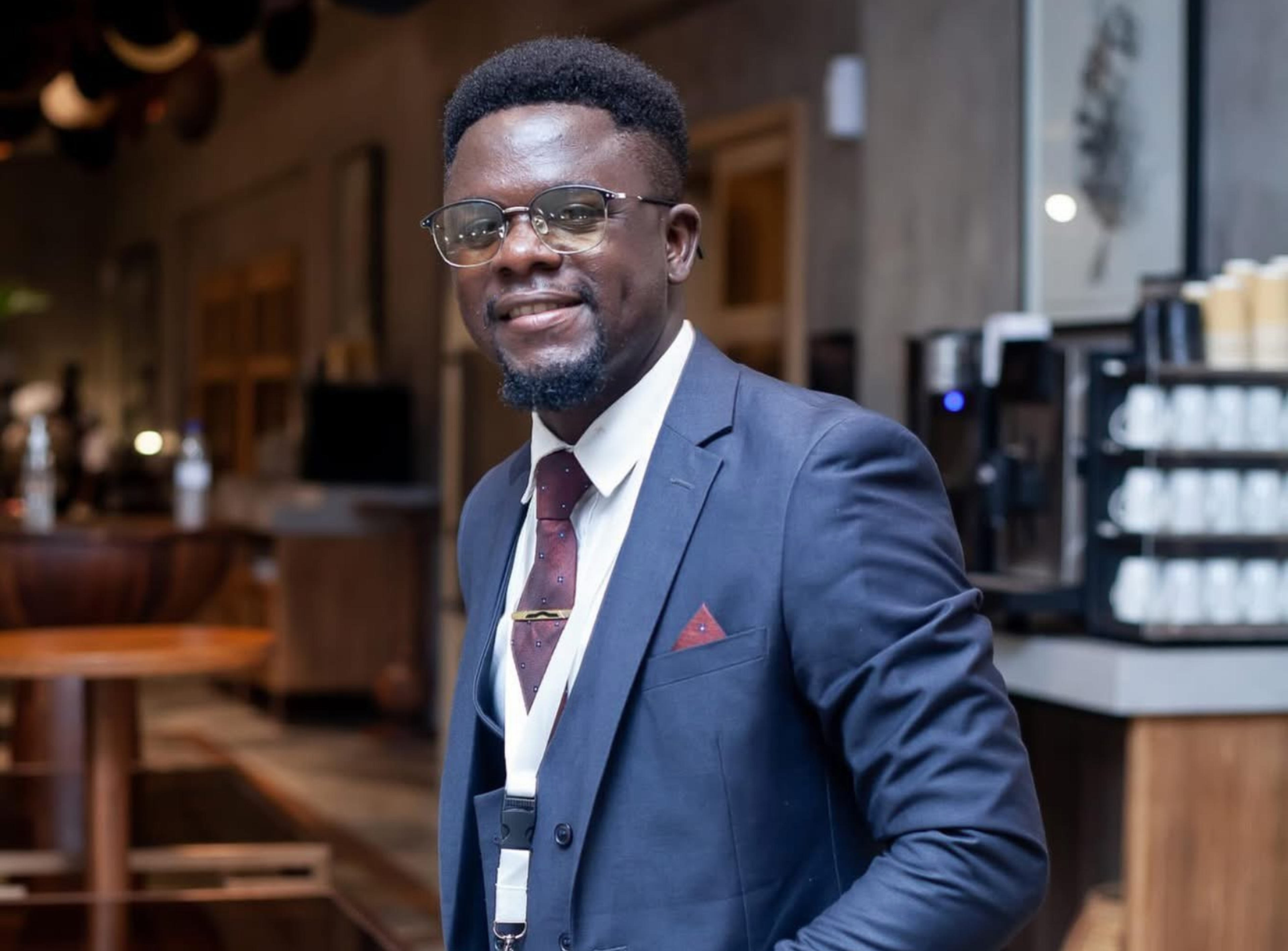
Frank Sandulu, award-winning Biomedical Scientist and CEO, Biomed Connect
Biomedical science is often introduced through a familiar image: microscopes, analyzers, test tubes and specimens, with scientists working quietly behind the scenes. But as healthcare evolves, so too must our understanding of what it means to be a biomedical scientist.
This was the central message behind ‘"Beyond the Laboratory: Redefining Biomedical Science Through Innovation & Entrepreneurship’," presented at the UNZABiomedSA Annual Scientific Symposium on 7 August 7, 2026, not simply a discussion about careers, but a call for biomedical scientists and students to rethink what is possible beyond the traditional laboratory.
From confusion to clarity
The conversation opened with two questions that resonate across the profession: how many students entered biomedical sciences as their first choice, and how many have since wondered whether they chose the right path?
These questions set the stage for a personal story — one that began in a rural village with limited resources, where the journey through biomedical sciences was shaped by uncertainty and financial hardship. Rather than allowing that uncertainty to define the path forward, a different question eventually took hold: what can I do with biomedical science?
That shift in perspective marked a turning point, carrying the journey from village life to university, laboratory training, professional practice, leadership development, the founding of Biomed Connect, international collaboration, and a growing platform to speak and serve within the profession. None of these opportunities appeared overnight; they began with a decision to be intentional.
A degree is a passport, not a destination
Perhaps the strongest message of the presentation was also its simplest: a degree is not a destination — it is a passport. It may open the door, but skills keep you inside, character earns trust, and innovation makes you unforgettable.
For students, graduation should not mark the end of learning but the beginning of a broader professional journey. This means learning beyond the classroom, building meaningful relationships, strengthening communication, saying yes to opportunity, and starting before feeling fully ready. Success rarely belongs to the smartest person in the room — more often, it belongs to the one who is consistently available, teachable and courageous.
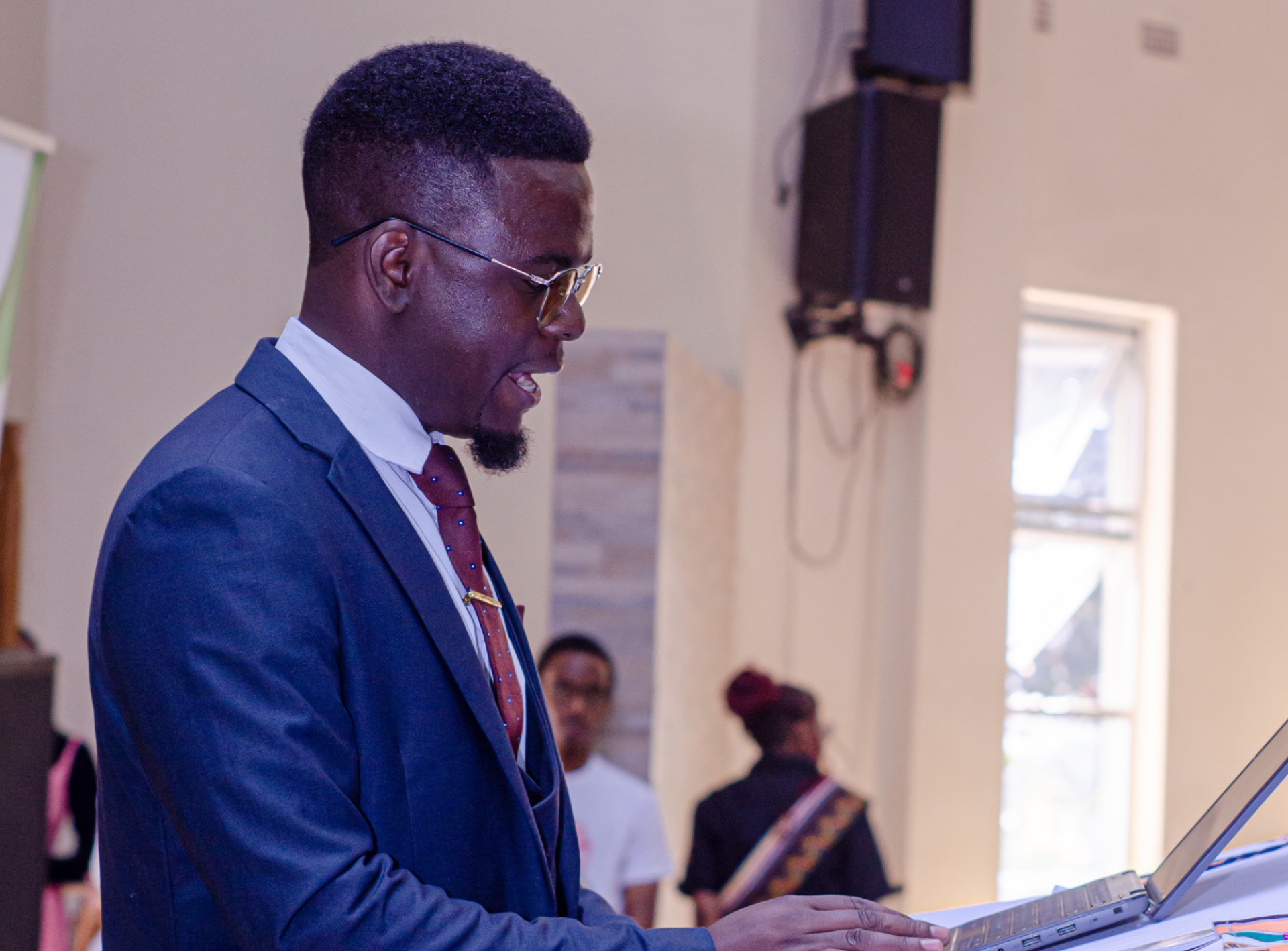
Frank Sandulu has inspired and mentored more than 1,000 aspiring scientists, promoting career development, mental wellbeing, and global health equity
The biomedical scientist of tomorrow
The profession is changing rapidly, and the traditional image of a biomedical scientist confined to the laboratory no longer captures the full breadth of opportunity. Today's biomedical scientists are also researchers, entrepreneurs, data scientists, artificial intelligence specialists, diagnostics experts, public health leaders, policy advisors, quality managers, lecturers, innovators, global health consultants, digital health professionals, and startup founders.
Technology is accelerating this shift. Artificial intelligence, digital pathology, genomics, molecular diagnostics, precision medicine, big data, automation, and robotics are all reshaping healthcare and expanding the spaces where biomedical expertise can create value. The laboratory remains the foundation of the profession — but it is no longer its ceiling.
From career seeker to problem solver
Students were challenged to view biomedical science through the lens of problems and solutions rather than job titles alone. Opportunities now span clinical practice, research, industry, global health, digital health and entrepreneurship across hospitals, diagnostic centers, universities, clinical trials, biotechnology, pharmaceutical companies, medical-device organizations, global health institutions and consultancy.
Entrepreneurship, in this context, is about more than generating income. It begins with seeing problems, creating solutions, generating value, creating employment, and building impact and hope. This philosophy underpins Biomed Connect itself, which emerged from a clear gap: talented biomedical students and professionals across Africa lacked a single platform through which to learn, connect and grow together. Innovation, the presentation emphasized, does not always require inventing sophisticated machinery — it can mean improving a process, applying technology differently, or building a platform, an application or educational content that did not exist before.
What students must build beyond the curriculum
Technical knowledge remains essential, but it is no longer sufficient on its own. Communication, leadership, networking, personal branding, research skills, digital literacy and financial literacy are increasingly what distinguish thriving professionals from stalled ones. Scientists who communicate effectively become leaders; relationships create opportunities; digital skills open new pathways; and personal branding can carry a professional's reputation ahead of their CV.
Students were encouraged to read widely, volunteer, attend conferences, join professional societies, publish research, build a visible professional presence, learn artificial intelligence, and seek mentors — while resisting the temptation to wait for the perfect job, assume graduation guarantees success, avoid networking, fear rejection, or rely on a single career pathway.
Building the future together
The future of biomedical science will belong to those who keep learning, embrace technology, solve problems, collaborate, and create opportunity where none previously existed. The presentation closed with three reminders that double as a call to action: dream bigger, learn continuously, serve humanity.
Biomedical science, ultimately, is not only about discovering disease, it is about discovering purpose while contributing to healthier lives. Twenty years from now, the profession will look different; the only real question is whether today's biomedical scientists and students will choose to shape that change themselves.
The future of biomedical science is not something to wait for. It is something to build together.
This interview is published as part of the 2026 global CLINICAL24 conversation
Frank Sandulu is a biomedical scientist, advocate, and science communicator dedicated to empowering biomedical scientists and advancing laboratory medicine across Africa. As Founder and CEO of Biomed Connect, he champions collaboration, mentorship, and professional development for students and laboratory professionals, helping to build a stronger biomedical science community. Through his leadership roles, AMR advocacy, public speaking, and outreach initiatives, Frank has inspired and mentored more than 1,000 aspiring scientists, promoting career development, mental wellbeing, and global health equity. He also works to raise the profile of biomedical scientists through science communication, international partnerships, and digital engagement, connecting African laboratory professionals with the global biomedical community.
Related content
Advancing Biomedical Science in Africa with Frank Sandulu
Championing biomedical science, combating antimicrobial resistance, and inspiring future generations in Africa