Post Purification Sample Handling

17 Sept 2015

Lois Manton-O'Byrne, PhD
Executive Editor

Product news

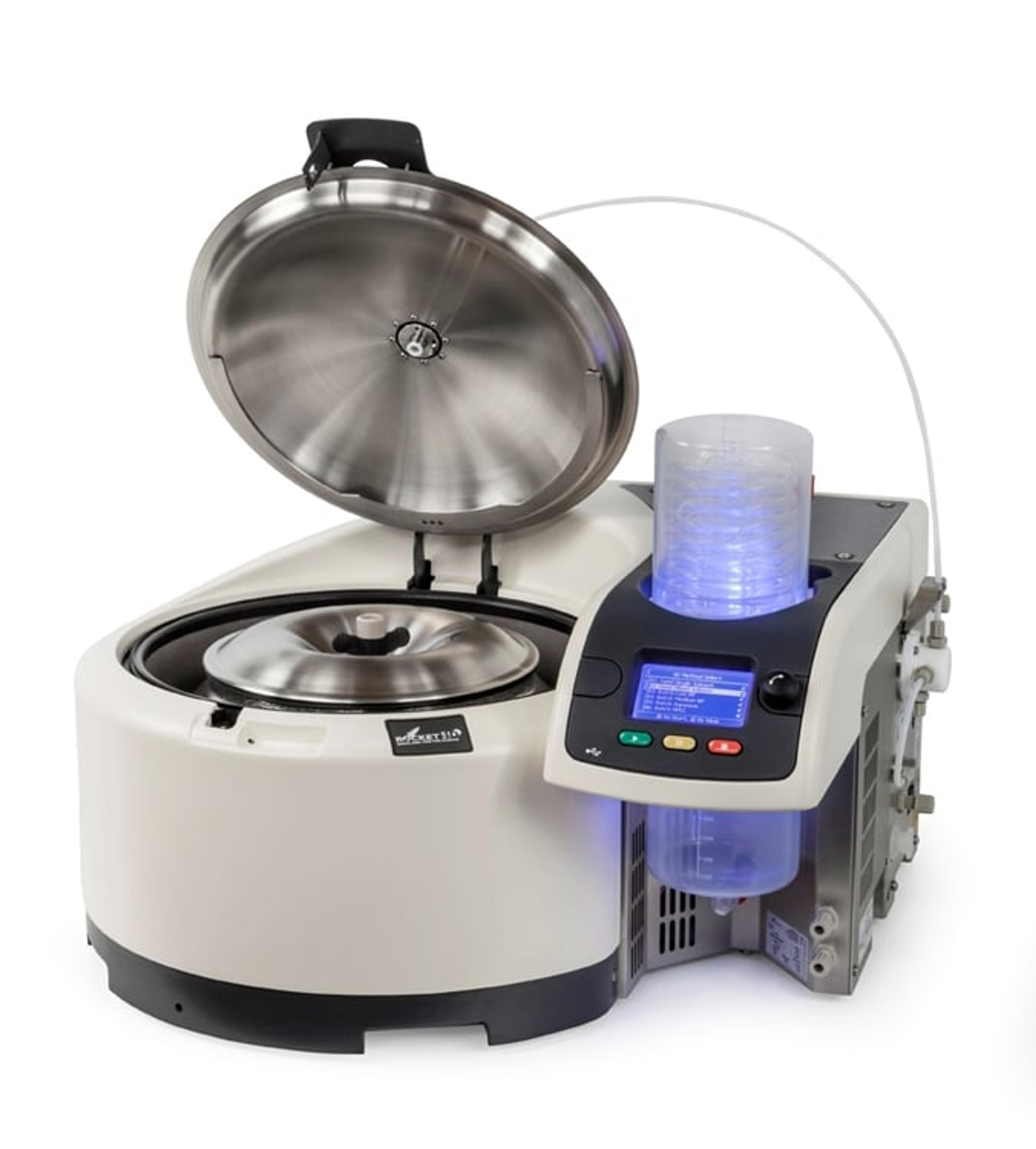
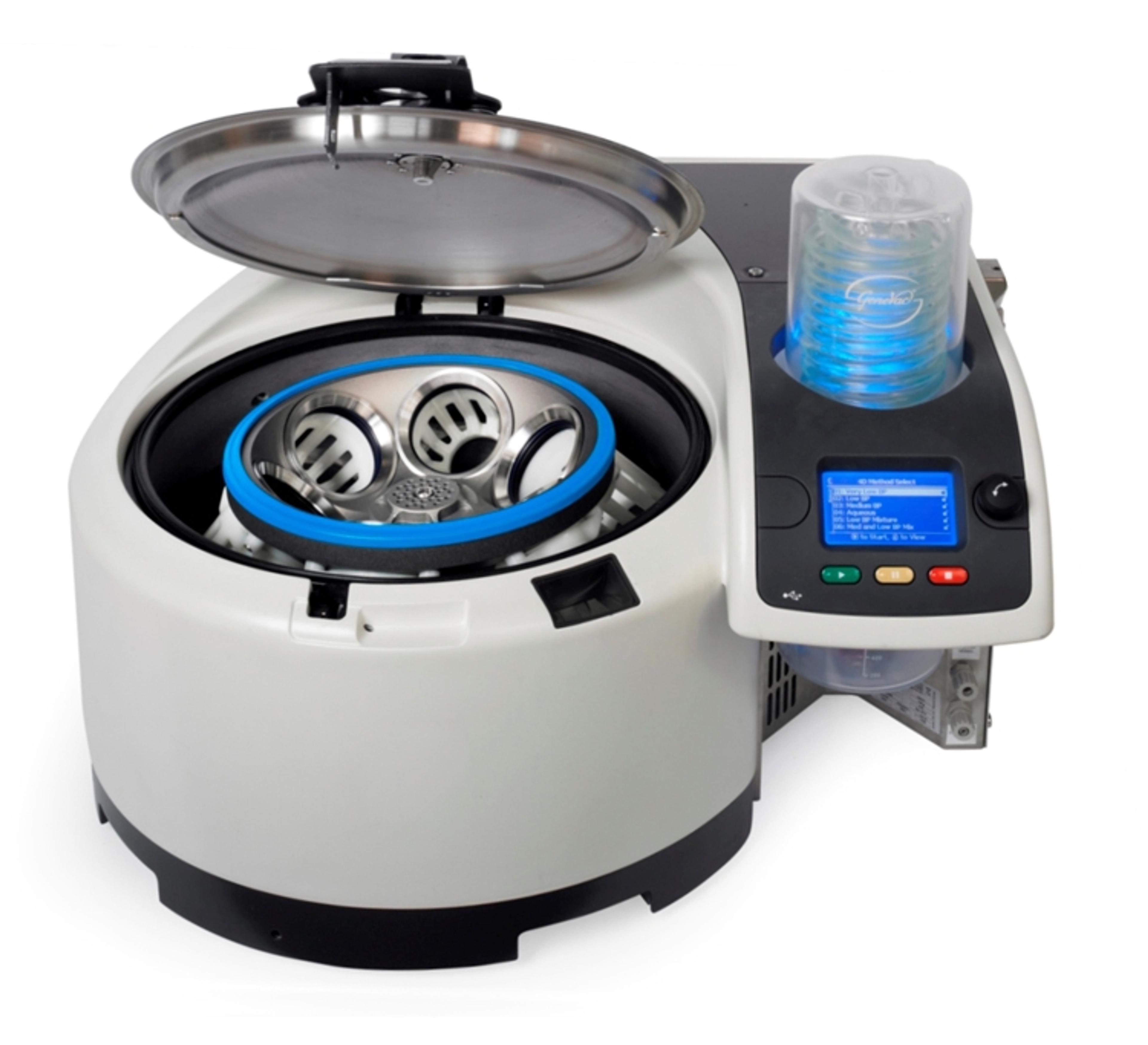
Genevac, specialists in solvent removal, have developed a suite of proprietary technological solutions to facilitate post purification sample handling, including reformatting.

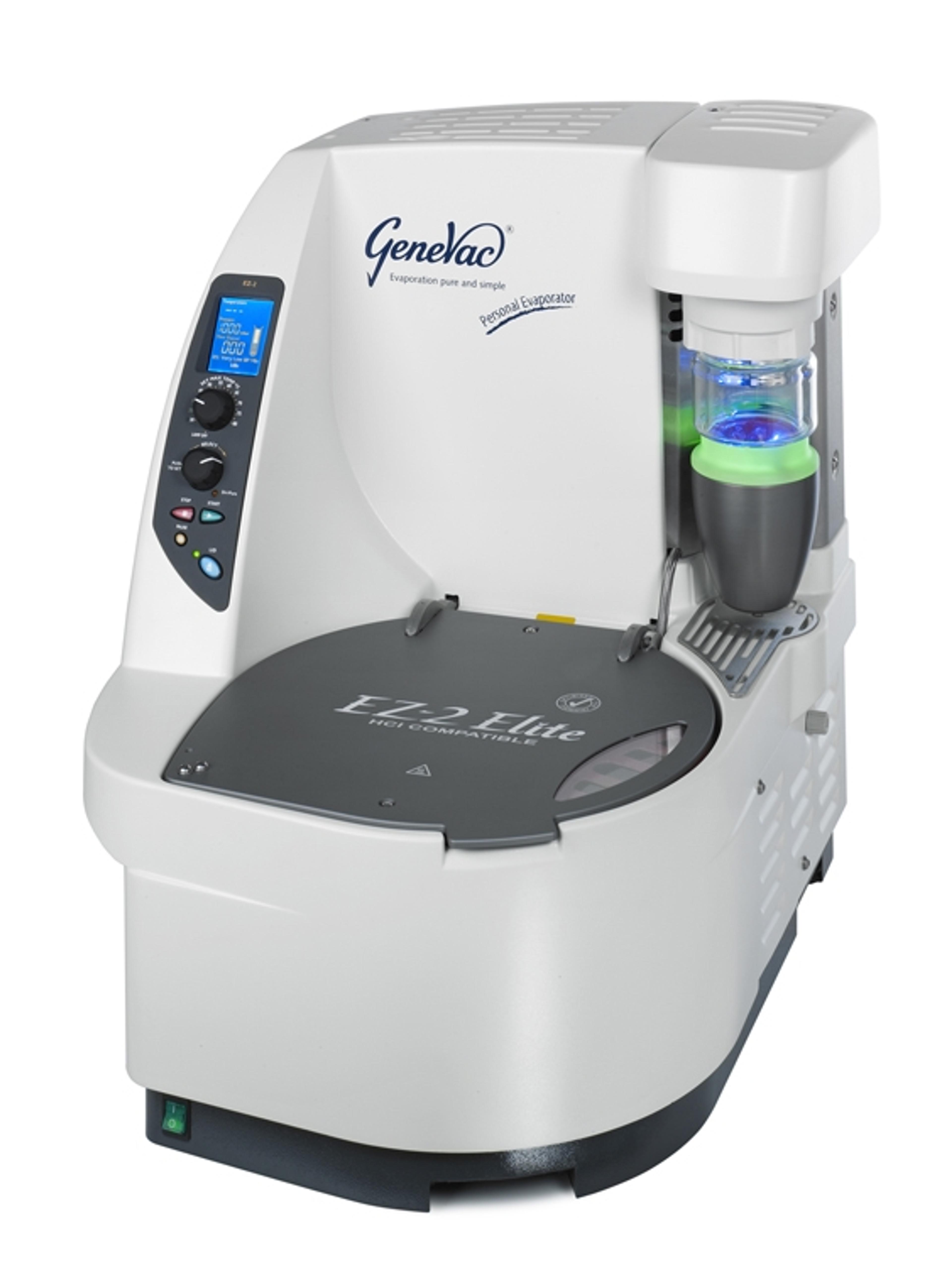
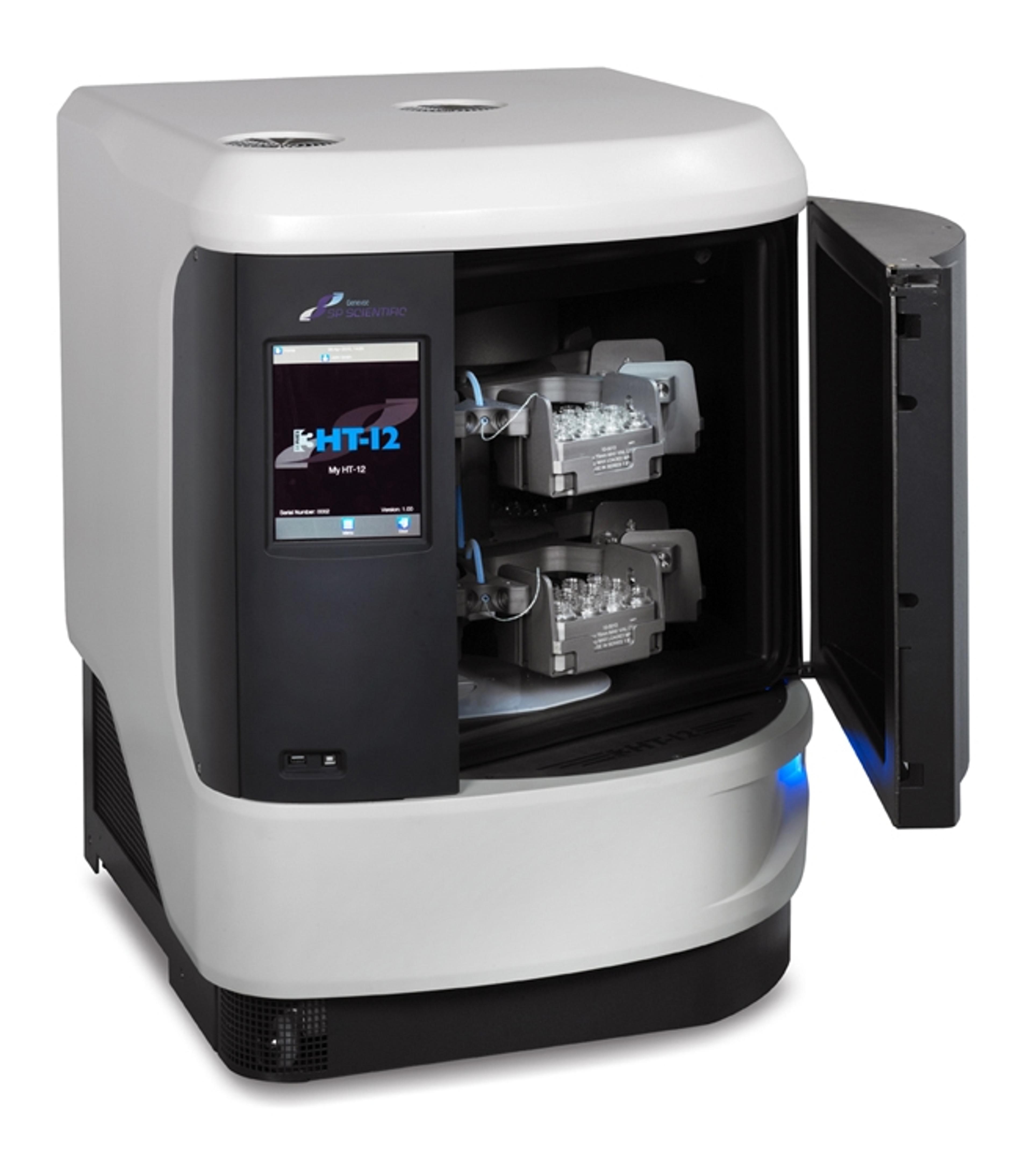
For labs undertaking purification using Normal Phase HPLC, SFC or Flash chromatography – removal of organic solvents can be simply, productively and safely carried out in a Genevac centrifugal evaporator (EZ-2, ROCKET, Rocket Synergy or HT Series III). Where the nature of the sample being concentrated can lead to solvent bumping (e.g. natural products) - Genevac's DriPure® technology is proven to completely eliminate this troublesome and time-consuming problem

The evaporation of aqueous acetonitrile (or methanol / ethanol) fractions resulting from Reverse Phase HPLC is a widely carried out application on many Genevac evaporator systems. A multiple stage method has been developed for the EZ-2 evaporator to remove the organic solvent without freezing the water, remove the water, and then dry any remaining stubborn solvent. Alternatively, the unique LyoSpeed™ fast lyophilization method can be used in Genevac HT series evaporators to produce dry (solvent-free) powders from samples that previously could only be produced as gums and oils. Recent advances in condenser technology, in particular the high power -75°C cold trap, available on HT Series III and Rocket Synergy evaporators, has led to significant advances in lyophilization success rates.

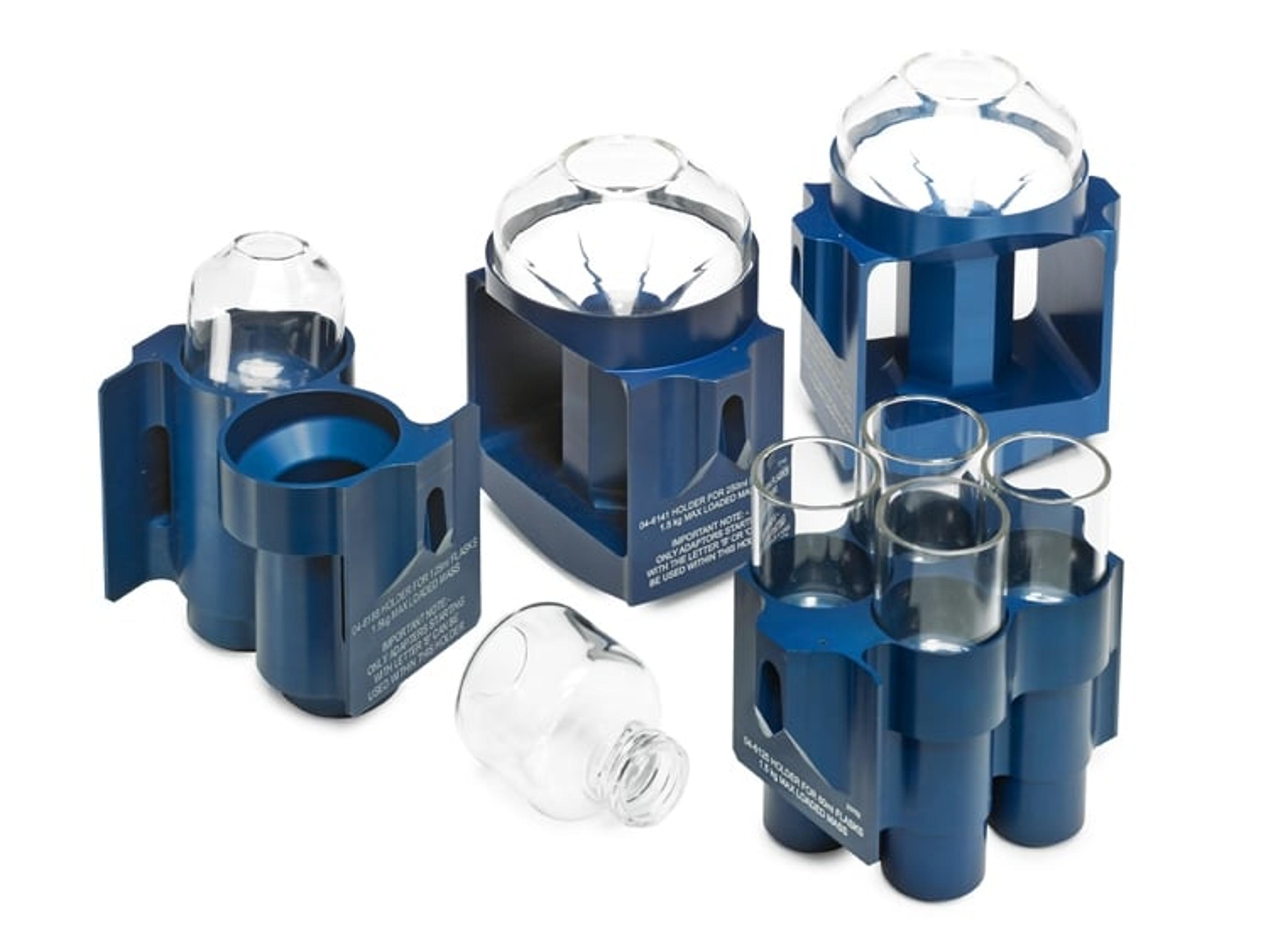
During post purification handling - samples typically need to be reformatted from fraction tubes or flasks, into a small vial for compound storage. For this specific time consuming task, Genevac developed SampleGenie technology. SampleGenie™ enables a large volume to be dried (or lyophilized) directly into a small storage vial in a fraction of the time taken by traditional evaporation methods that require you to reformat samples from a flask or multiple tubes into a vial.
Links

Tags

Flash ChromatographyFlash chromatography is a fast-preparative column chromatography technique used for separation and purification of liquid analytes. Flash chromatography systems use small silica gel particles for separation and a pressurized gas for driving the solvent through the column or pre-packed cartridge. Find the best flash chromatography equipment in our peer-reviewed product directory: compare products, check customer reviews and receive pricing direct from manufacturers.UHPLC and HPLCHigh performance liquid chromatography (HPLC) and ultra high performance liquid chromatography (UHPLC), also known as UPLC, are analytical techniques used to separate, identify and quantitate components of complex mixtures including biological samples such as proteins and lipids as well as chemical mixtures of pesticides, drugs and oils. Both techniques are liquid chromatographic methods but differ by operating pressures (HPLC < 6000 psi < UHPLC ). Components of HPLC and UHPLC systems include columns, detectors, pumps, autosamplers and column heaters. Explore a range of UHPLC and HPLC columns for your specific sample needs including reverse phase, normal phase, ion exchange, HILIC, ion exclusion and size exclusion columns. For more specialized HPLC, explore FPLC, countercurrent LC and simulated moving bed systems. Find the best UHPLC and HPLC equipment in our peer reviewed product directory: compare products, check customer reviews and receive pricing direct from manufacturers.Supercritical Fluid ChromatographySupercritical Fluid Chromatography (SFC) is used for the rapid separation and analysis of complex mixtures. SFC systems require injectors, pumps, columns, ovens and detectors. The SFC retention method uses a supercritical fluid, usually CO2. There are a number of different SFC detector types including UV / VIs, ECD, mass spectrometry and fluorescence.DNA / RNA Extraction and PurificationPurified DNA and RNA are required for numerous downstream molecular biology applications. Consequently, the importance of high-quality DNA/RNA extraction and purification equipment cannot be underestimated. Many purification kits are available and are typically optimized for nucleic acid type and source, including plasmid DNA, genomic DNA, mRNA, RNA and viral nucleic acid purification kits. Automated extraction and purification of nucleic acids can be implemented with magnetic bead separator instruments or high-throughput purification workstations. Find the best DNA/RNA extraction and purification equipment in our peer-reviewed product directory: compare products, check customer reviews and receive pricing direct from manufacturers.Protein PurificationProtein purification is a vital step in drug discovery, therapeutics, biotech and life science research. The purification process typically involves subcellular or membrane protein extraction with cell lysis kits, separation of proteins from cell debris by filtration or spin columns, and the isolation of proteins of interest from other proteins and impurities with affinity purification (including fusion protein tags and antibody binding proteins A, G and L), immunoprecipitation or chromatographic methods, such as ion exchange, size exclusion and immobilized metal affinity chromatography. All purification methods come in multiple formats for your laboratory needs, including agarose or magnetic beads, resins, columns and filter plates. Find the best protein purification equipment in our peer-reviewed product directory: compare products, check customer reviews and receive pricing direct from manufacturers.Evaporators and Freeze DryersCentrifugal evaporation is used for solvent removal from a sample. This is a useful technique for sample concentration or sample drying. Many centrifugal evaporators are modular with a central vacuum pump for generating low pressure. Useful features of evaporators or vacuum ovens include minimal solvent bumping, solvent resistance, computer control, temperature regulation and benchtop design.PurificationPurification techniques are essential for isolating compounds of interest from complex mixtures, such as proteins, nucleic acids, and chemicals. These techniques are critical in biochemistry, drug development, and environmental studies. Explore purification systems in our peer-reviewed product directory; compare products, check reviews, and get pricing directly from manufacturers.LyophilizationSample StoragePreserving clinical trial samples to the highest standards is a critical component in maximizing the value of present day and future clinical research. Specialized storage and transportation of these tissue, blood and serum samples reduces the risk of them being damaged or lost.Solvent Reduction