
On-demand iPSCs service aims to accelerate drug discovery
New services make patient-specific stem cells more accessible for drug discovery and disease studies
6 Jan 2026
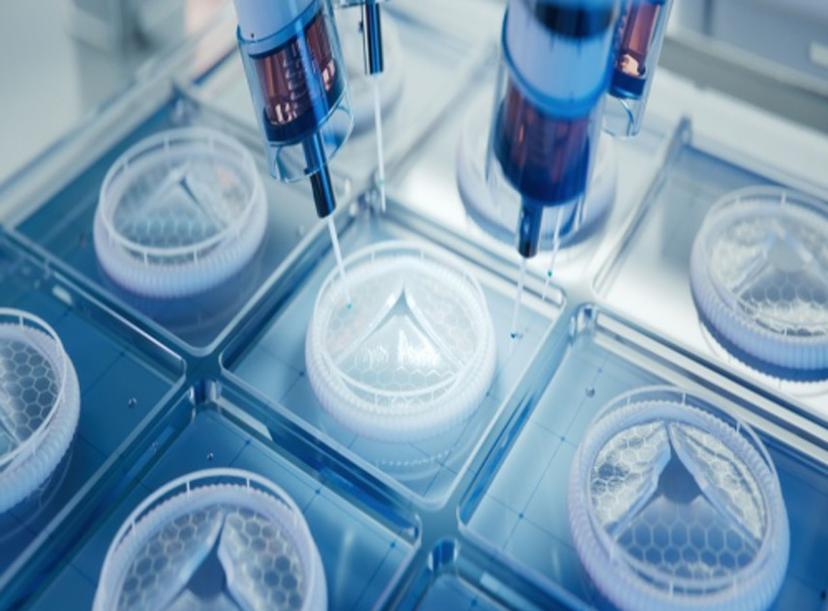
Induced Pluripotent Stem Cells (iPSC) Services
By providing the ability to generate patient-specific cells of virtually any lineage, induced pluripotent stem cells (iPSCs) offer unprecedented insight into human biology and disease pathology.
For drug discovery companies and academic labs, they represent a powerful, renewable source of physiologically relevant cells for target identification, high-throughput screening, and toxicology testing, promising to reduce reliance on traditional animal models and increase clinical success rates.
The path from a patient's somatic cell to a functional, assay-ready model is paved with significant technical challenges. The processes of cellular reprogramming, rigorous pluripotency characterization, and directed differentiation are notoriously time-consuming, resource-intensive, and require a deep well of specialized expertise.
With its new, fully integrated iPSC service platform, Creative Biolabs provides high-quality, fully characterized iPSCs and their differentiated progeny on demand, allowing teams to focus on downstream applications and core research questions. Its comprehensive suite of iPSC services is designed to provide researchers with a streamlined, end-to-end solution for their stem cell research needs.
The foundation of the new offering is the iPSC Reprogramming Service. Leveraging cutting-edge methods such as Sendai virus, mRNA, and episomal vectors, Creative Biolabs can generate high-quality iPSC lines from a wide range of starting materials.
Once stable iPSC lines are established, the iPSC Differentiation Service provides a reliable pathway to generate functionally specific cell types. The complexity of mimicking developmental pathways in vitro is a major hurdle in stem cell research.
Creative Biolabs has developed a library of optimized protocols to guide iPSCs into numerous lineages, including:
- Cardiomyocytes: For cardiovascular disease modeling and cardiotoxicity studies.
- Neurons and glial cells: For neurodegenerative disease research (e.g., Alzheimer's, Parkinson's) and neurotoxicity screening.
- Hepatocytes: For liver disease modeling and drug metabolism and toxicity testing.
- Pancreatic beta cells: For diabetes research.
- And many other cell types.
Underpinning the entire platform is the Pluripotent Characterization Service. Creative Biolabs offers a comprehensive battery of validation assays to confirm the identity, purity, and stability of every cell line. This essential service includes:
- Pluripotency marker analysis
- Three-germ-layer differentiation potential
- Genomic stability assessment
A senior scientist and head of the stem cell biology division at Creative Biolabs, said, "Our mission is to democratize access to high-quality iPSC technology. We understand that many brilliant researchers are experts in their specific disease area but may not have the dedicated resources or specialized expertise to navigate the intricacies of stem cell culture."
Want the latest science news straight to your inbox? Become a SelectScience member for free today>>
Related products
Request Quote for All Products
Induced Pluripotent Stem Cells (iPSC) Services
Creative BiolabsCreative Biolabs' stem cell platform offers world-class expertise in the generation, differentiation, and gene-editing of iPSCs and uses this to provide solutions for your drug research and development needs.