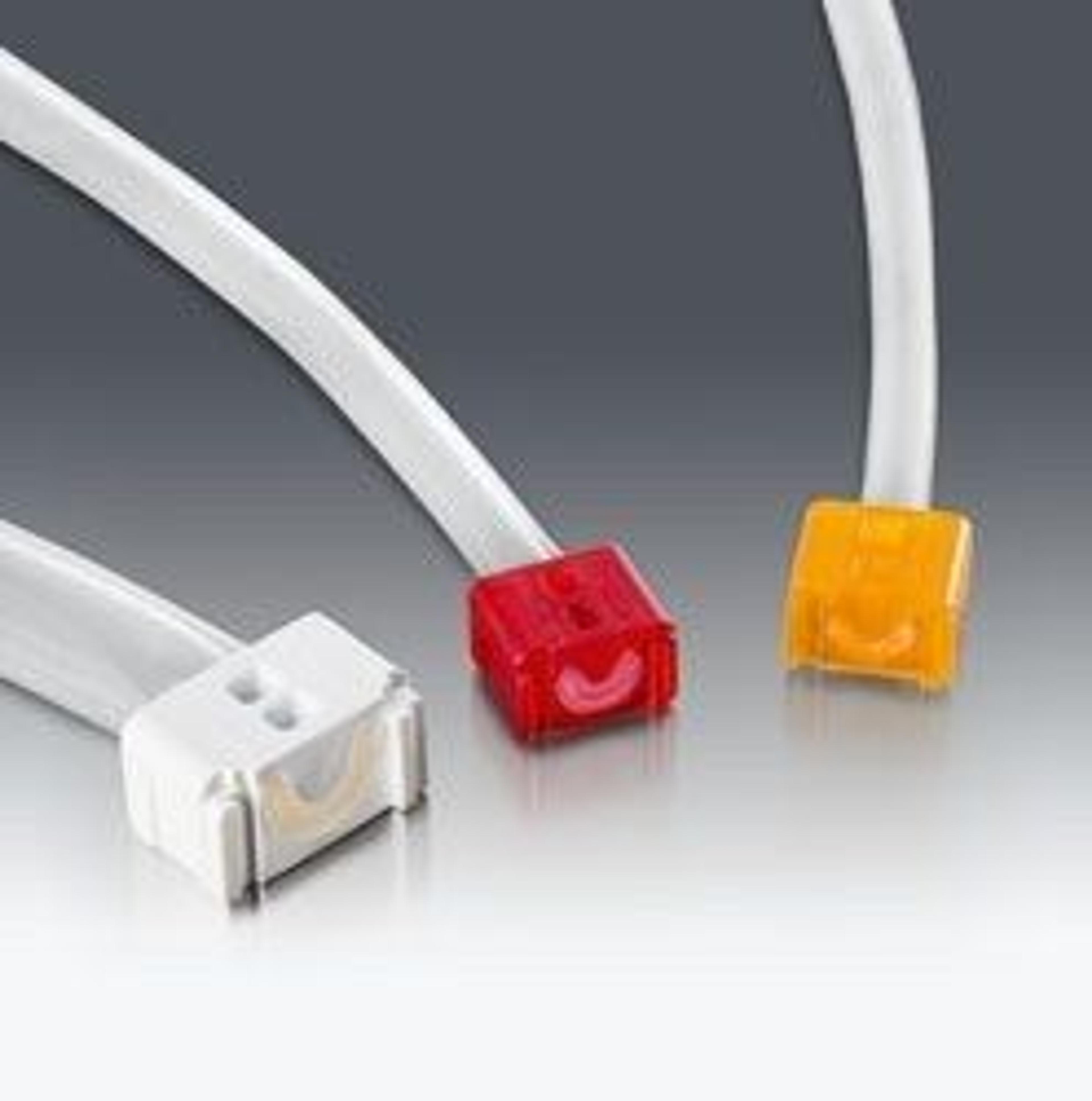
New Sizes of Single-Use Clipster® Aseptic Disconnector Available from Sartorius

27 Mar 2013

Product news

Sartorius Stedim Biotech, a leading international supplier for the pharma and biotech industries, has launched new sizes XS and S of the Clipster® Aseptic Disconnector, in addition to the existing size L. This single-use device allows an aseptic disconnection of Silicone (Pt) as well as thermoplastic elastomer (TPE) tubes in biopharmaceutical manufacturing processes. It is safe, quick, easy to use and available as a stand-alone product or pre-mounted on single-use transfer lines and bag assemblies.

The Clipster® Aseptic Disconnector is used after a fluid transfer to disconnect transfer lines and bag assemblies. The disconnection of tubes can be performed in non-classified and classified environments while maintaining product sterility. It is performed with a hand-held tool which ensures easy execution in various space requirements. The Clipster® Aseptic Disconnector XS, S or L can be applied to multiple tubing material (silicone and TPE) and sizes from 1/8”x1/4” up to 1/2” x 3/4”.

The validation of this key single-use device has been carried out under the most stringent test regimes. Biological and physical tests have been combined to provide data representing a variety of process conditions including critical applications.

Clipster® Aseptic Disconnector

Sartorius Group

Single-Use DisconnectionClipster® Aseptic Disconnector is a single-use device to disconnect single-use transfer lines and bag assemblies used in biopharmaceutical applications. • Disconnection on platinium cured silicone and TPE tubings• Easy to use and backed by extensive validation work• Available as stand alone product or preassembled on single-use transfer lines and bag assemblies. Clipster® Aseptic Disconnector is available in 3 sizes: XS, S and L, for tubing from 1/8" x 1/4" to 1/2" x 3/4".

(0)

Links

Tags

Labware and Lab SuppliesLabware and lab supplies include various forms of glassware, plasticware, reagents and personal protective equipment (PPE) and are used across all scientific laboratories, enabling daily tasks to be performed. Explore a range of flasks and beakers, petri dishes, carboys and storage bottles. Labware such as condensers, desiccators and burettes are also available for more specific tasks. Find the best labware and lab supplies in our peer-reviewed product directory: compare products, check customer reviews and receive pricing direct from manufacturers.Biopharmaceutical AdvancesBiopharmaceutical advances follow the development of pharmaceuticals derived from biotechnology, also known as biotechnology medicines. Biopharmaceuticals may be produced from cell lines, plants, or microbial cells. Important considerations of biopharmaceutical use include application, cost, production process and purification.PumpsLaboratory pumps are devices used to move liquids and gases by vacuum or positive displacement. The pressures/vacuums generated are determined by the type of pump used. High vacuum pumps include diffusion, ion, roots and turbopumps; for primary/medium vacuum applications see rotary vane pumps, scroll & diaphragm pumps. For the positive displacement of liquids explore a range of syringe and peristaltic pumps, as well as fluid aspirators. Discover the best pumps in our peer-reviewed product directory: compare products, check customer reviews and receive pricing direct from manufacturers.Bioprocessing / FermentationBioprocessing is the use of biological materials to perform commercial, scientific or medical research processes. Biological materials used include cells, enzymes and organisms. Usually bioprocessing requires a batch or continuous bioreactor such as a fermentor or cell culture system. The advantages of using a reactor include high productivity, easy configuration, adjustable values and automation.BiopharmaceuticalsBiopharmaceuticals are proteins and other compounds (such as nucleic acids) produced by living organisms that have uses as therapeutics or for in vivo diagnostics. The most well known example of a biopharmaceutical product, and the first to be approved for therapeutic use, was recombinant human insulin.BiopharmaceuticalsBiopharmaceuticals are proteins and other compounds (such as nucleic acids) produced by living organisms that have uses as therapeutics or for in vivo diagnostics. The most well known example of a biopharmaceutical product, and the first to be approved for therapeutic use, was recombinant human insulin.