
New Comprehensive Line of Multiwell Plates
7 Dec 2009BrandTech announces BRANDplates®, a complete line of 96-, 384- and 1536 well plates. Made by BRAND’s advanced plastics facility, plates are designed to minimize cross contamination and ensure excellent recovery. Plates are available in clear, white and black, with opaque or transparent, flat, round, V and C -well bottoms.
They are offered in a variety of surface treatments for cell-culture, immunoassays, fluorescence, luminescence and high-throughput screening. In total, 132 different plates are available, all of which conform to SBS/ANSI dimensions and are molded to exacting tolerances. All microplates are produced in clean rooms from class 5 to 8 (according to ISO 14644-1). Samples are available, visit the Company article page link at the top of this page for more information.
Related products
Request Quote for All Products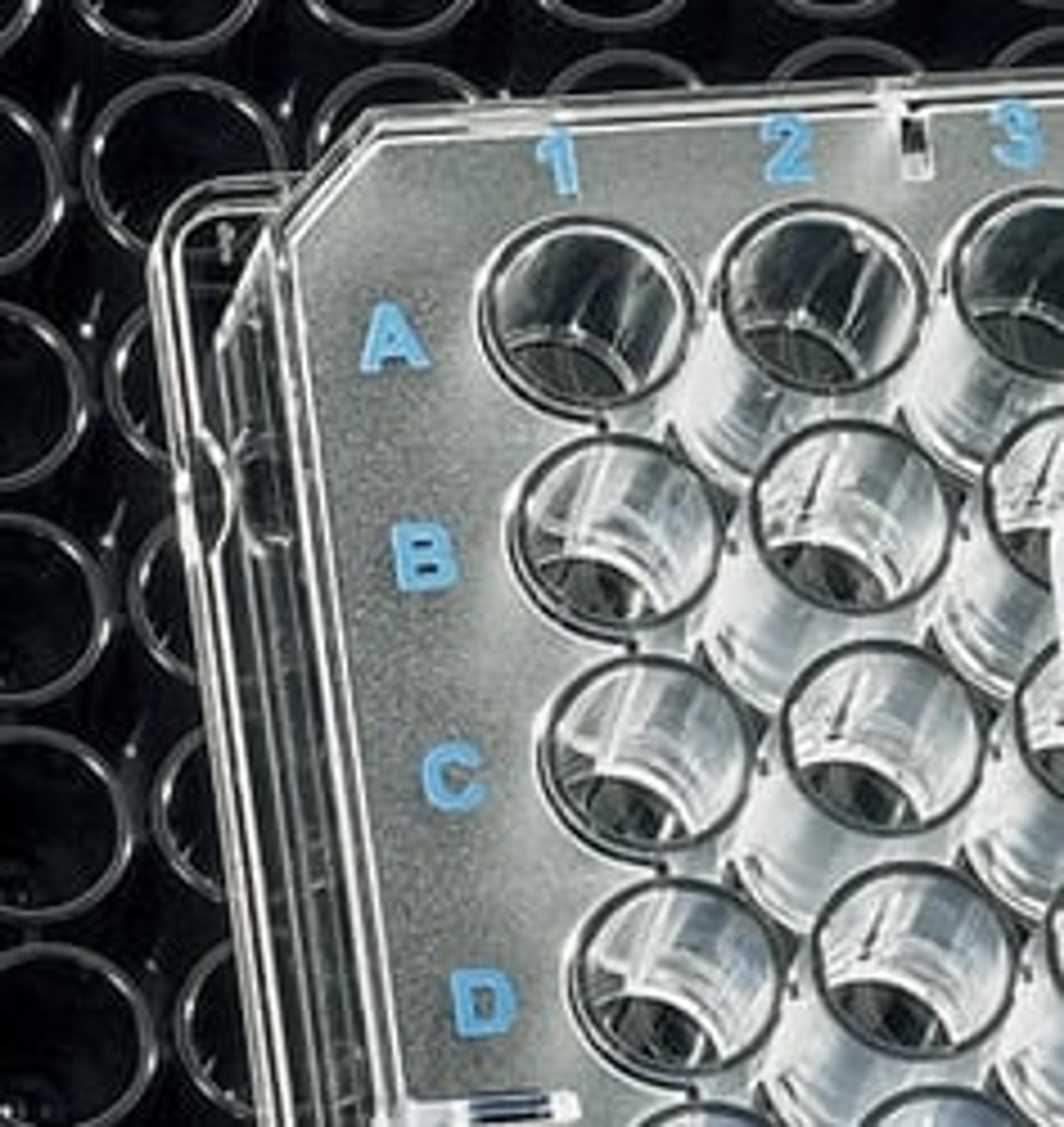
BRANDplates Immunology Microplates - immunoGrade, hydroGrade™ and lipoGrade™
BRANDTECH® Scientific, Inc.NEW immunoGrade™, hydroGrade™, and lipoGrade™ BRANDplates® from BrandTech Scientific feature specially treated surfaces for use in a variety of immunological assays, such as ELISA, RIA, FIA and more. Available in a full range of well shapes and colors in 96-, 384-, and 1536-well formats. 96-well BRANDplates® immunoassay microplates feature blue alphanumeric embossing for easy well identification. immunoGrade™ — High Binding Capability BRANDplates® immunoGrade™ plates are optimized for the immobilization of IgG. They offer the highest binding capacity for molecules with mixed hydrophobic and hydrophilic regions. An excellent choice for the majority of standard ELISAs, and also suitable for solid phase immunoassays. hydroGrade™ — Hydrophilic Surface BRANDplates® hydroGrade™ plates feature a strongly hydrophilic surface, with a strong affinity to hydrophilic molecules, such as glycoproteins and peptides, antibodies with predominantly hydrophilic regions, and nucleic acids. They are an alternative to the immunoGrade™ plates for homogeneous assays with hydrophobic molecules that remain in solution. lipoGrade™ — Hydrophobic Surface BRANDplates® lipoGrade™ plates feature a strongly hydrophobic/lipophilic surface, for the immobilization of biomolecules with strongly hydrophobic regions. They are an alternative to the immunoGrade™ plates for solid phase assays, and are a choice for homogeneous assays with hydrophilic molecules that remain in solution. Easy Selection Find the right BRANDplates® multiwell plate either by physical characteristics or application with the interactive BRANDplates® selection guide. Bar Codes Bar coded plates are available upon request in quantities as small as 5000 plates for pureGrade™ untreated plates, or as few as 1000 for plates with surface treatments. They are printed with a two-color process - white base with black barcode for enhanced legibility.