
Lonza Introduces the 4D-Nucleofector™ Y Unit for Efficient Nucleofection™ of Neural Networks
22 Sept 2011Lonza introduces a new module for the 4D-Nucleofector™ system, the 4D-Nucleofector™ Y unit. The Y unit enables adherent Nucleofection™ of neural cells grown in 24-well tissue culture plates. For transfection, disposable conductive polymer 24-well dipping electrode arrays are inserted into the culture plate.
Dr. Herbert Mueller-Hartmann, Head of R&D Discovery Tools, states that “with the introduction of the Y unit neural networks can be transfected with up to 70% efficiency and analyzed by confocal microscopy or patch clamping when they were plated on coverslips. These transfection efficiencies for neuronal networks could previously only be achieved with viral transfection methods. With the development of the 4D-Nucleofector™ Y unit we are widely expanding the possibilities to successfully transfect neurons non-virally”.
Adherent Nucleofection™ overcomes a general obstacle of electroporation-based methods, i.e., the requirement for cells to be in suspension for transfection. Primary neuronal cells which typically grow in adherence in cell culture can now be kept in their physiological state and transfected by Nucleofection™ at a later developmental stage. This new feature also facilitates the use of the Nucleofector™ technology for cryopreserved Clonetics™ primary neurons which do not always tolerate being transfected immediately after thawing.
Nucleofection™ is a transfection technology that was first introduced into the market in 2001. It is based on the unique combination of electrical parameters and cell-type specific solutions. It is known as the first efficient non-viral transfection method for primary neural cells and has been stated in over 300 peer-reviewed publications as the method of choice for transfection of primary neurons.
For more information visit the company article page
Related products
Request Quote for All Products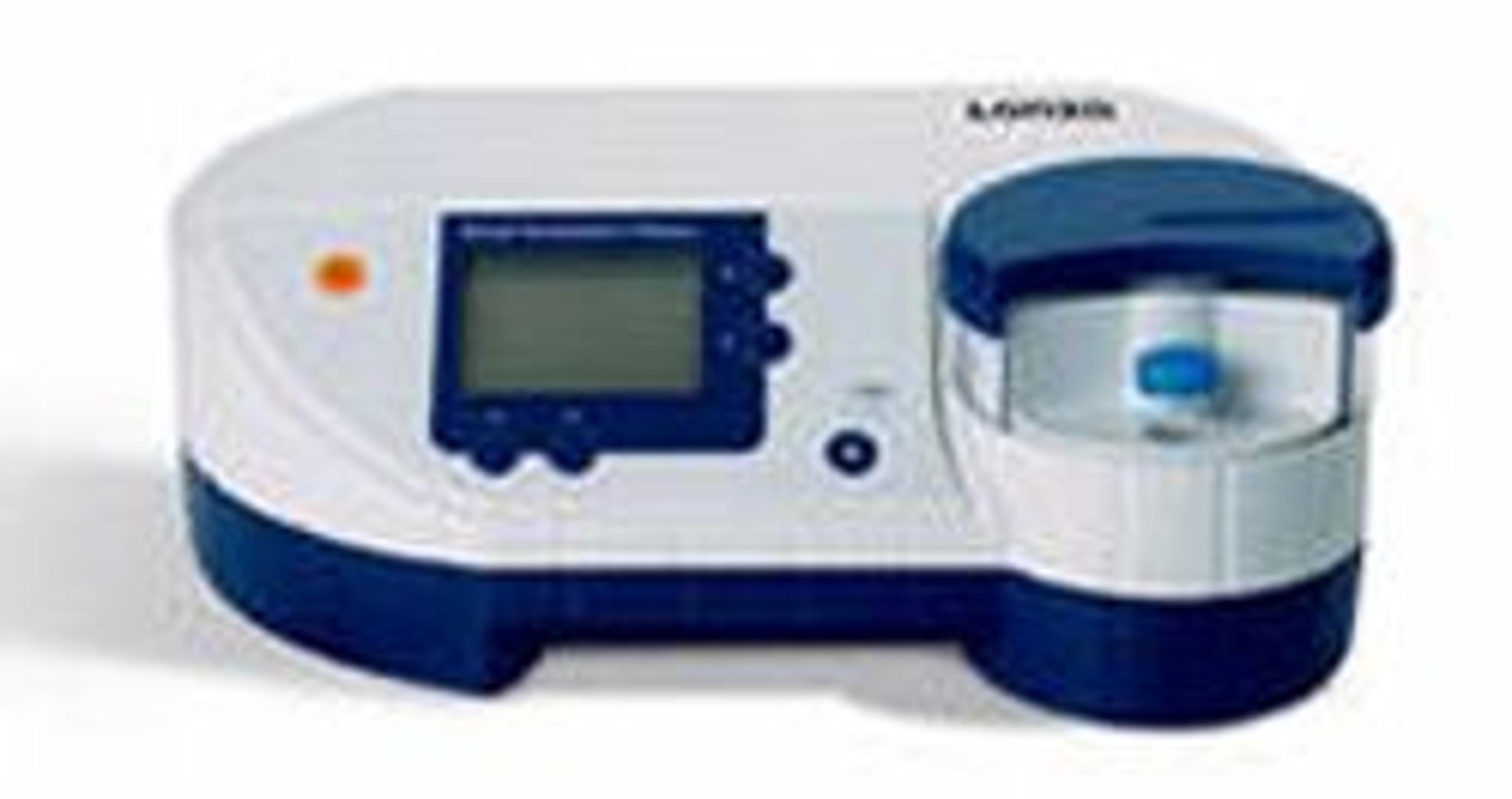
Nucleofector® II Device
Lonza Group LtdThe basic Nucleofector® II Device is a single cuvette based system that has been used in research labs since 2001. It allows efficient transfection of hard-to-transfect cell lines and primary cells with different substrates, e.g. DNA vectors or siRNA oligonucleotides, in low throughput format. What benefits are important for your work? Efficient transfection in single cuvette format? Up to 90% efficiency with plasmid DNA Up to 99% efficiency with siRNA duplexes Also suited for peptides, proteins or small molecules Reliable easy-to-use technology? More than 150 ready-to-use Amaxa® Optimized Protocols High viability and preservation of cell funcionality Data for more than 650 cell types in our Cell Database Consumables tailored to your needs? Nucleofector® Kits are available in low (10 reactions), normal (25 reactions) and high (100 reactions) usage format More than 50 dedicated primary cell kits available A collection of 5 cell line kits and an optimization kit covering the broadest range of cell lines cGMP kits available

The Nucleofector Device
Lonza Group LtdThe Nucleofector technology is a highly efficient non-viral method for transfection. It is based on two components: the Nucleofector Device that delivers unique electrical parameters, and Nucleofector Kits that contain cell-type-specific Nucleofector Solutions. The electrical parameters of the Nucleofector are different from any other commercially available electroporation device. Each electrical setting is displayed as a distinct program which has been adapted to the requirements of a particular cell type. As the electrical settings are pre-programmed into the Nucleofector, optimization of the electrical parameters by the user is not necessary. The device weighs only 2.6 kg and is conveniently sized so that it easily fits under a sterile hood, which greatly facilitates sterile work with cells.