
Long-term use of immunotherapy may be safe for patients with alveolar soft part sarcoma
Extended immunotherapy showed manageable long‑term safety in adolescents and young adults with alveolar soft part sarcoma, according to phase II data presented at AACR 2026
18 Apr 2026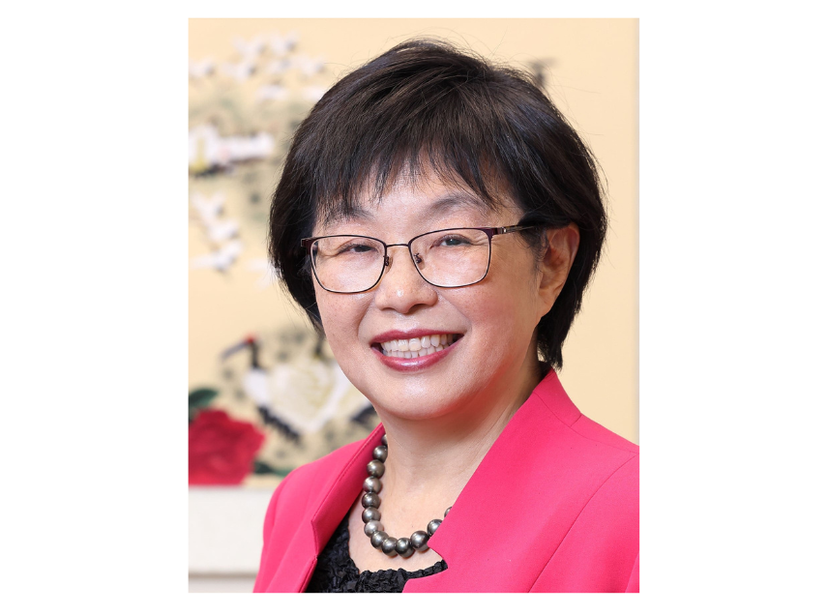
Dr. Alice P. Chen, head of the Developmental Therapeutics Clinic in the Division of Cancer Treatment and Diagnosis at the National Cancer Institute (NCI)
Long-term adverse events were rare and manageable among patients with alveolar soft part sarcoma (ASPS), which primarily affects adolescents and young adults, who received immunotherapy beyond the standard two years, according to results from a phase II clinical trial presented at the American Association for Cancer Research (AACR) Annual Meeting 2026, held April 17–22.
For most cancer patients receiving immune checkpoint inhibitors, the recommendation is to stop treatment after two years based on the duration of treatment established in early trials, as well as additional evidence indicating two years may offer sufficient benefit in lung cancer and melanoma.
However, there has been a lack of clinical data on the long-term use of immune checkpoint inhibitors to treat ASPS, an ultra-rare cancer with incidence rates highest among 15- to 35-year-olds, explained Dr. Alice P. Chen, head of the Developmental Therapeutics Clinic in the Division of Cancer Treatment and Diagnosis at the National Cancer Institute (NCI), part of the National Institutes of Health (NIH).
In December 2022, the immune checkpoint inhibitor atezolizumab (Tecentriq®) was approved by the U.S. Food and Drug Administration for patients 2 and older with ASPS, based on early results from an ongoing phase II trial being conducted by Dr. Chen and her colleagues. At the time of approval, 42% of the 49 patients had a duration of response lasting 12 months or more.
“Because many patients experienced durable responses and remained on immunotherapy for several years, we wanted to understand the potential long-term effects of this treatment, particularly for adolescents and young adults with ASPS who may receive immunotherapy for extended periods,” Dr. Chen said. “Studying the risk of late adverse events during and following prolonged treatment helps ensure that these therapies remain safe for this young patient population.”
As of June 2025, Dr. Chen and colleagues had enrolled 54 patients in the trial with the duration of atezolizumab response ranging between 10 and 69 months. Patients older than 2 received 1,200 mg of atezolizumab every three weeks or a pediatric dose of 15 mg/kg up to 1,200 mg.
If disease progressed, adult patients were given the option to receive the vascular endothelial growth factor (VEGF) inhibitor bevacizumab (Avastin®) in combination with atezolizumab. Patients were assessed for adverse events every three weeks using version 5 of the Common Terminology Criteria for Adverse Events (CTCAE).
Seventeen patients, between the ages of 11 and 56 with a median age of 29, received either atezolizumab (12 patients) or atezolizumab followed by atezolizumab plus bevacizumab (five patients) for more than two years.
“Because ASPS is an ultra-rare cancer, studies in this population are necessarily small,” Dr. Chen explained. “For the long-term analysis, these 17 patients provided valuable insight into the safety of long-term atezolizumab therapy.”
Of the 17 patients, three experienced treatment-related adverse events (TRAEs) that were grade 2 or 3, which are considered to be moderate to severe symptoms that are not immediately life-threatening and do not require hospitalization.
One patient who was receiving atezolizumab plus bevacizumab experienced grade 3 aspartate aminotransferase (AST), which can be a sign of liver damage. One patient who was receiving atezolizumab plus bevacizumab experienced grade 2 hypertension, or high blood pressure, and grade 2 proteinuria, which can be a sign of kidney damage. Another patient who was receiving atezolizumab monotherapy experienced grade 2 pruritus, which is an itchy feeling causing one to scratch their skin.
“Among patients who received immunotherapy for longer than two years, we did not observe evidence of increased toxicity and this finding held even among patients treated for more than five years,” Dr. Chen said. “This is especially important for adolescents and young adults with ASPS, who may live for many years with metastatic disease.”
Dr. Chen added that none of the atezolizumab-related TRAEs resulted in individuals discontinuing with the study and all of the symptoms were eventually resolved. The pruritus was treated with topical and oral medication, the increased AST resolved after a dose reduction of bevacizumab, and the hypertension resolved after treatment with hypertension medication.
“Importantly, we did not observe the late TRAEs sometimes seen with long-term use of immunotherapy for other cancers, such as lung cancer,” she added. “This may be related to the younger age of the patients or the unique biology of ASPS. With the approval of atezolizumab for this indication in multiple countries, real-world data will also play an important role in understanding the long-term effects of immunotherapy in this patient population.”
Limitations of this study include the size of the patient population. The trial protocol allowed patients to take an atezolizumab drug holiday after two years of progression-free treatment, which further reduced the number of patients who were treated beyond two years.