
Health Canada grants Class II Medical Device Licenses for the Lumipulse G NfL Blood and Lumipulse G pTau 217 Plasma assays
Fujirebio expands access in Canada to blood-based neurology testing
4 Sept 2026
H.U. Group Holdings Inc. and its wholly owned subsidiary Fujirebio has announced that Health Canada has issued Class II Medical Device Licenses (MDL) for the Lumipulse® G NfL Blood and the Lumipulse® G pTau 217 Plasma assay for use on the fully automated LUMIPULSE® G immunoassay platform in the Canadian market.
These approvals further strengthen Fujirebio’s comprehensive neurological diagnostics portfolio by broadening access to high-quality biomarker solutions designed to inform clinical decision-making across the patient journey.
Through its continuously expanding menu of blood-based and cerebrospinal fluid (CSF) biomarkers, Fujirebio aims to contribute to earlier detection, more informed treatment decisions, and improved patient care in neurological disease.
The Class II MDLs issued by Health Canada are based on the already CE marked IVD versions of these two assays.
The Lumipulse G NfL Blood assay provides a reliable method for the quantitative measurement of neurofilament light chain (NfL) in serum and plasma. NfL is a well-established biomarker of neuro-axonal injury and has been studied across a wide range of neurological conditions, including for its potential utility in disease monitoring, prognosis, and assessment of treatment response.
This broad applicability underscores the value of linking the biomarker to pathophysiology it represents rather than to a disease, consistent with the CE marked version of the assay. The interpretation of Lumipulse G NfL Blood results should always be guided by the clinical context and supported by age-adjusted reference values and validated clinical decision frameworks.
Plasma Tau phosphorylated at threonine 217 (pTau 217) is currently considered the most specific blood based biomarker for Alzheimer's disease (AD), facilitating the assessment of underlying AD pathology and helping clinicians distinguish AD from other causes of neurodegeneration.
The Lumipulse G pTau 217 Plasma assay is intended to aid healthcare providers in identifying patients with amyloid pathology associated with AD in individuals aged 50 years and older presenting with signs and symptoms of cognitive decline in specialized care settings.
The Lumipulse G pTau 217 Plasma assay is to be used as an adjunct to other diagnostic evaluations. The approval of the Lumipulse G pTau 217 Plasma assay by Health Canada is consistent with the recent CE marking of the product in Europe.
"The approval of the Lumipulse G NfL Blood and Lumipulse G pTau 217 Plasma assays for clinical use in Canada marks another important step in our mission to expand access to reliable and clinically meaningful blood-based biomarkers for clinicians and patients worldwide," said Christiaan De Wilde, CEO of Fujirebio Europe N.V.
“As a pioneer in neurological diagnostics, Fujirebio remains committed to advancing patient care through innovative, fully automated testing solutions."
Want the latest science news straight to your inbox? Become a SelectScience member for free today>>
Related products
Request Quote for All Products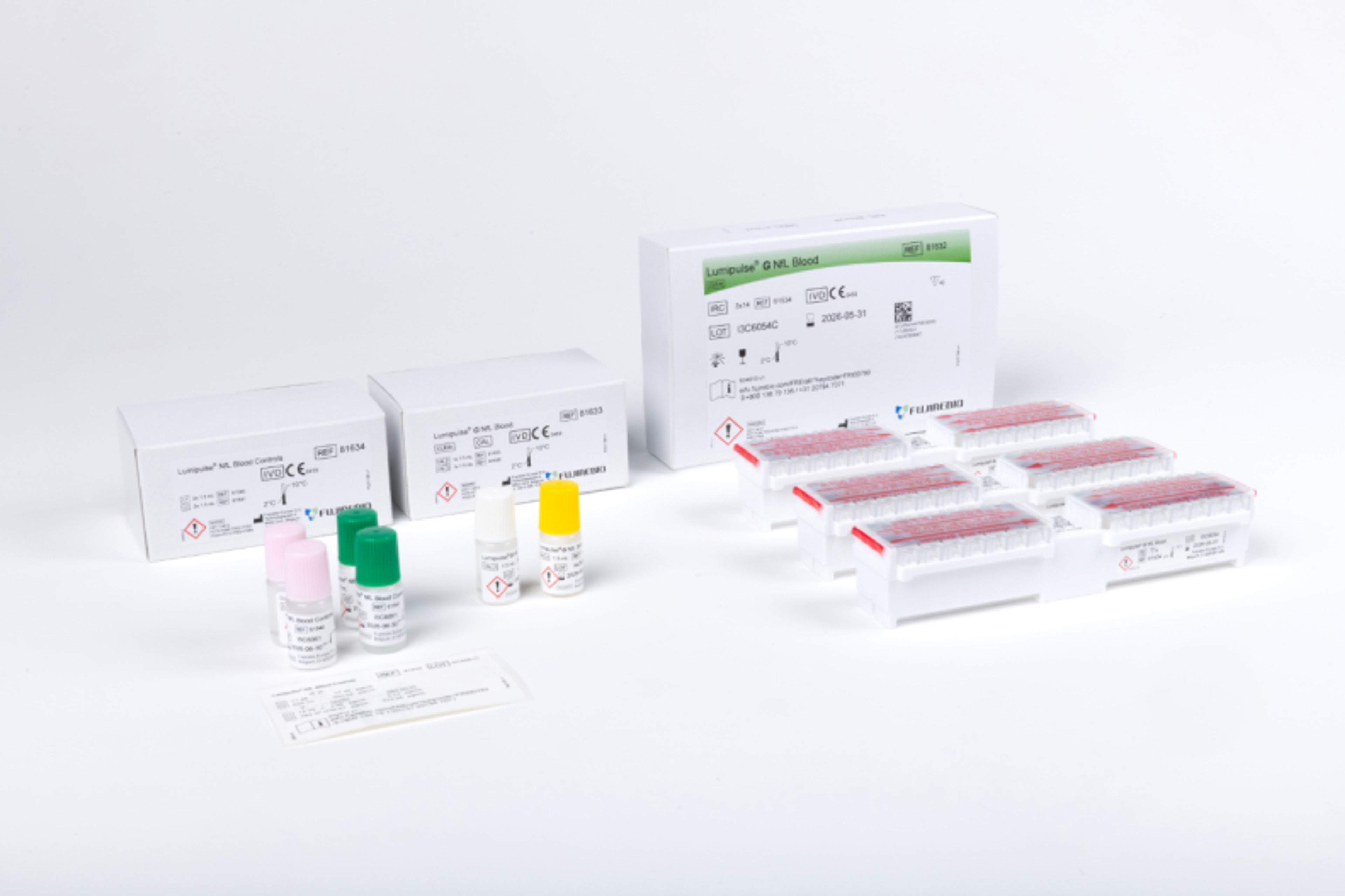
Lumipulse® G NfL Blood (CE marked (IVDR))
FujirebioLumipulse G NfL Blood is a quantitative test for in vitro diagnostic use with the automated LUMIPULSE G System for the measurement of neurofilament light chain (NfL) in human blood (serum/plasma) in patients with neurological diseases.
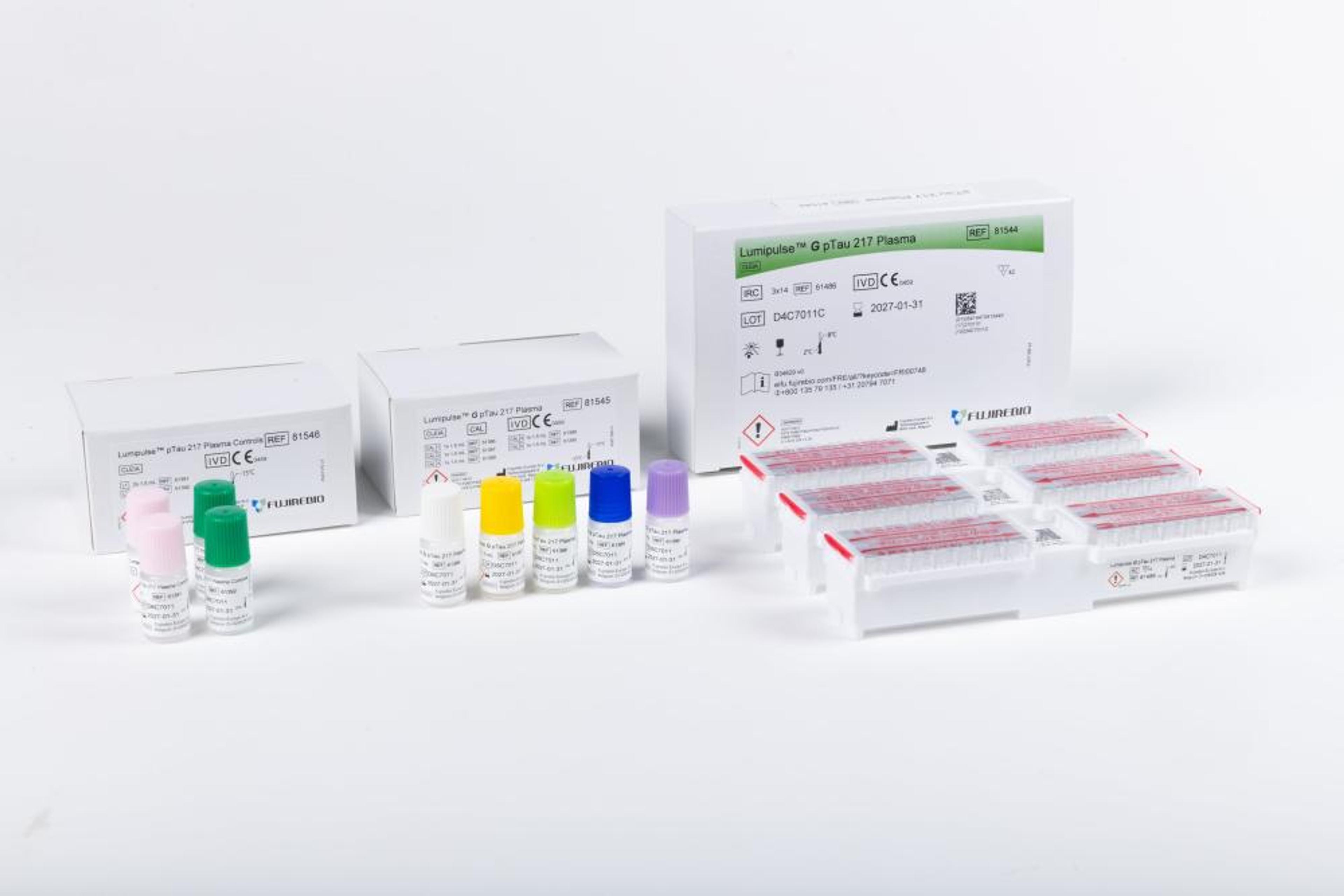
Lumipulse® G pTau 217 Plasma (CE marked (IVDR))
FujirebioLumipulse G pTau 217 Plasma is a test for in vitro diagnostic use with the automated LUMIPULSE G System for the quantitative measurement of Tau phosphorylated at threonine 217 (pTau 217) in human plasma (K2EDTA).
Links
Tags
Frequently asked questions
Show frequently asked questions
Which Fujirebio blood-based neurology tests received Health Canada approval?
Health Canada issued Class II Medical Device Licenses for the Lumipulse® G NfL Blood and Lumipulse® G pTau 217 Plasma assays. Both tests run on Fujirebio’s fully automated LUMIPULSE® G immunoassay platform and are based on their CE-marked IVD versions.
What does the Lumipulse G NfL Blood assay measure?
The Lumipulse G NfL Blood assay quantitatively measures neurofilament light chain (NfL) in serum and plasma. NfL is an established biomarker of neuro-axonal injury studied for neurological disease monitoring, prognosis, and treatment-response assessment. Results should be interpreted using clinical context, age-adjusted reference values, and validated decision frameworks.
How does the Lumipulse G pTau 217 Plasma assay support Alzheimer’s disease assessment?
The assay measures pTau 217, described as the most specific blood-based biomarker for Alzheimer’s disease. It helps identify amyloid pathology associated with Alzheimer’s in symptomatic adults aged 50 and older in specialized care settings. Healthcare providers should use it alongside other diagnostic evaluations.