
KPM Analytics expands NexaFlo Continuous Flow Platform for seawater nutrient analysis
Showcasing at analytica 2026, this next-generation analyzer delivers improved sensitivity with proven marine chemistry methods
23 Mar 2026
KPM Analytics is introducing the enhanced seawater nutrient analysis capabilities on its next-generation NexaFlo® Continuous Flow Analyzer, providing marine laboratories with improved sensitivity and expanded analytical flexibility, at analytica 2026 in Munich, Germany. In Hall A1, booth 312, visitors can learn more about KPM Analytics’ continuous flow solutions for marine and environmental testing.
Monitoring nutrients in seawater is essential for understanding ocean productivity, tracking ecosystem health, and supporting environmental and regulatory programs. Analytical challenges are significant: while seawater contains high concentrations of major ions, critical nutrients such as nitrate, nitrite, phosphate, silicate, and ammonium can occur at extremely low concentrations, particularly in open-ocean and deep-water environments.
Reliable detection of these trace nutrients requires stable baselines, precise reagent handling, and instrumentation capable of delivering low limits of detection with consistent signal quality.
The NexaFlo® platform, KPM Analytics’ next-generation continuous flow analyzer, addresses these requirements with upgraded electronics and improved signal processing that reduce background noise and improve measurement stability. For marine nutrient applications, NexaFlo® delivers 2–3× better analytical performance compared with the previous-generation Futura platform, enabling laboratories to quantify very low nutrient concentrations with greater confidence.
A major advantage of NexaFlo® is its compatibility with the extensive library of analytical manifolds developed for the Futura platform. Laboratories can continue using established chemistries and validated methods while benefiting from the improved performance of the new instrument architecture.
The system supports proven Grasshoff chemistries for nitrate, nitrite, phosphate, and silicate analysis, as well as fluorometric methods for very low ammonium detection.
To simplify implementation for marine laboratories, KPM Analytics is also introducing a dedicated bundle of height seawater analysis manifolds covering the most common nutrient measurements (nitrates, nitrites, silicates, phosphates, ammonia with fluorescence, ammonia with phenol, total phosphorus, and total nitrogen). The bundled configuration provides a ready-to-deploy solution for oceanographic research institutions, government monitoring programs, and commercial laboratories performing routine seawater testing.
KPM Analytics brings decades of experience supporting nutrient analysis in environmental and marine laboratories worldwide. The NexaFlo® platform builds on the proven performance of the company’s continuous flow technology while delivering improved sensitivity and modernized instrumentation for demanding marine applications.
Want the latest science news straight to your inbox? Become a SelectScience member for free today>>
Related products
Request Quote for All Products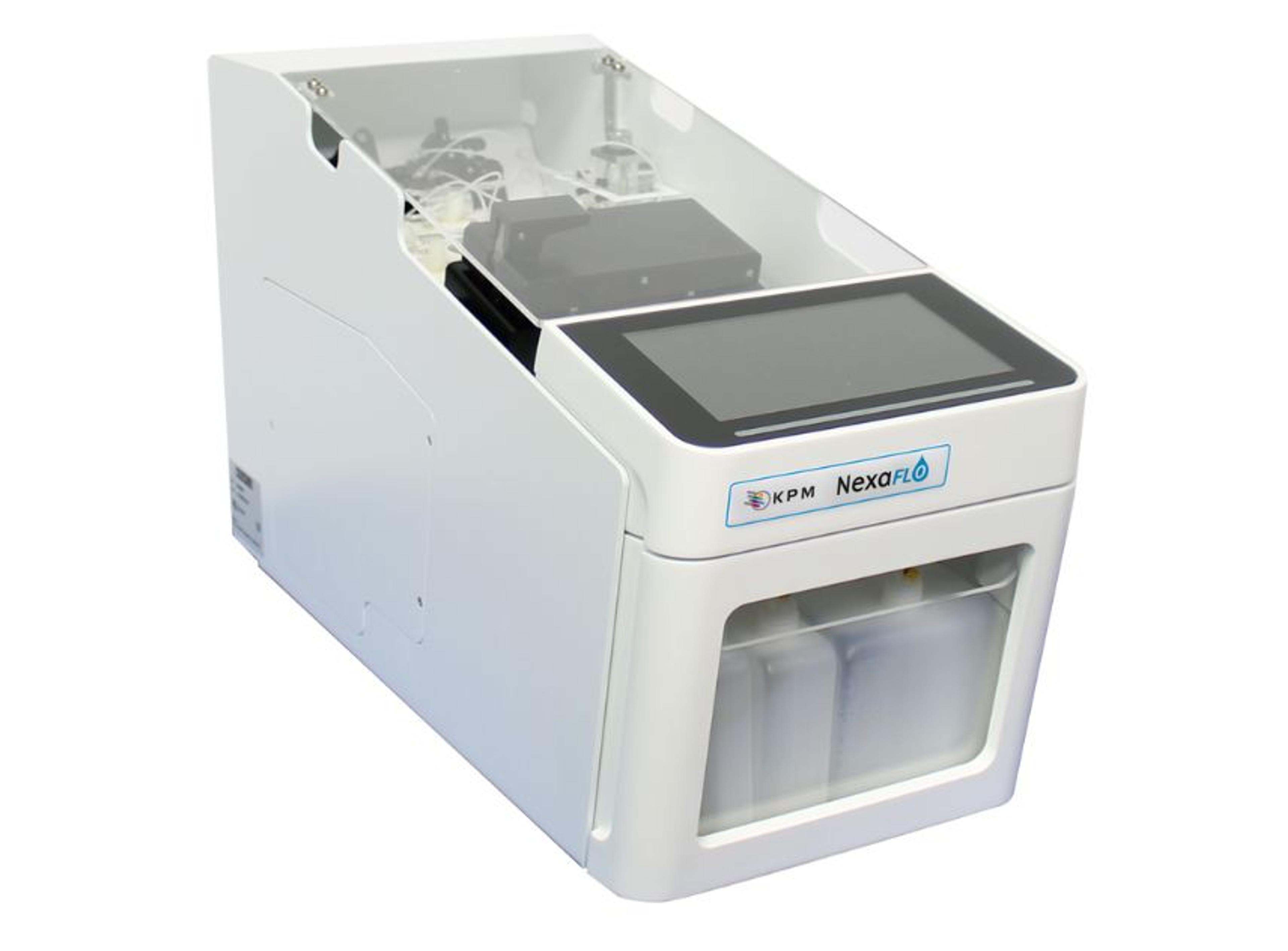
NexaFlo™ Segmented Flow Analyzer
KPM AnalyticsThe NexaFlo™ Series by KPM showcases their latest advances in segmented flow analysis. This sophisticated system can analyze a variety of samples, such as water, soil, food and numerous other matrices. It automates tasks, allowing for unattended operations, optimizes the use of reagents, and reduces waste.
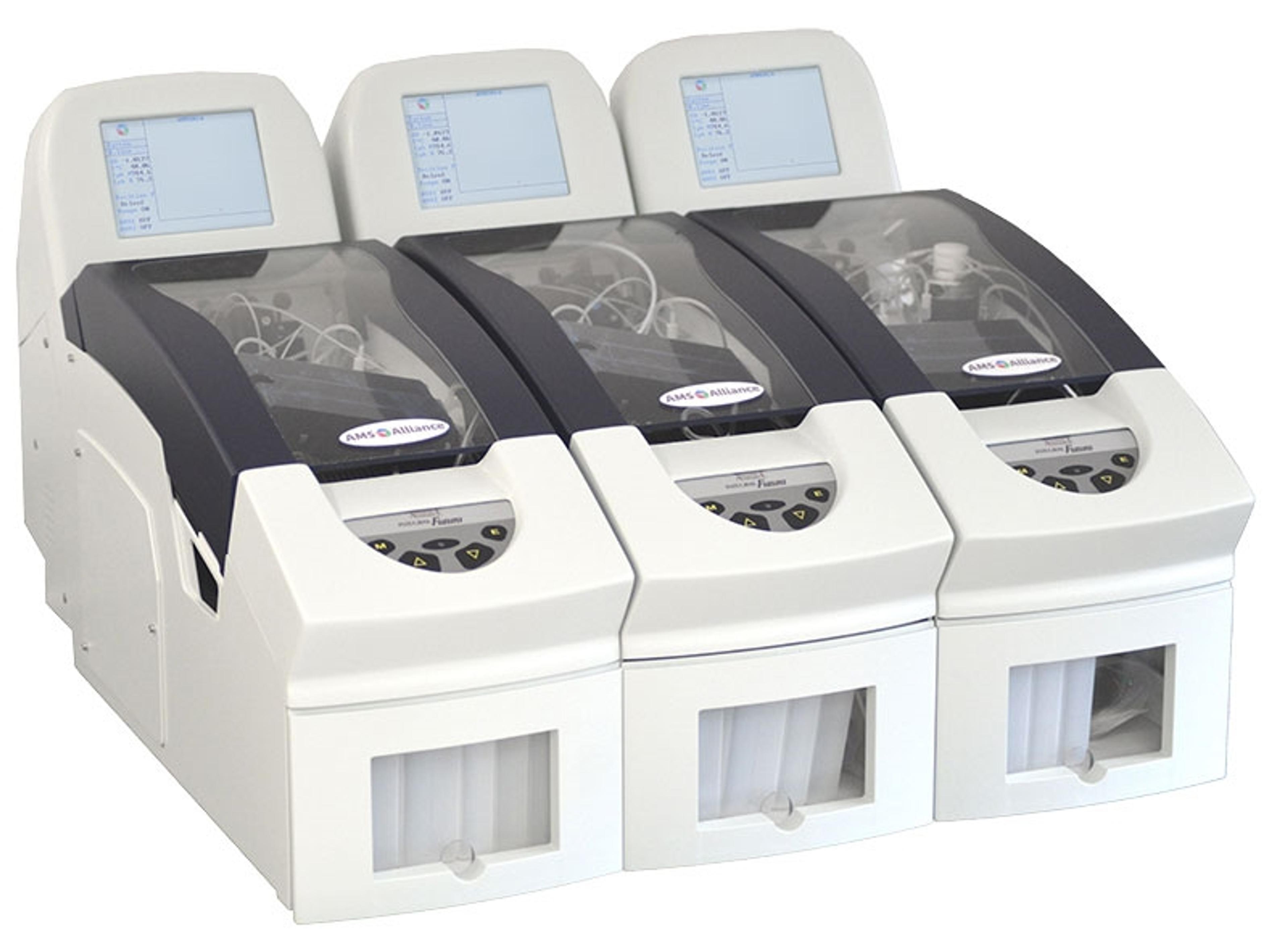
Futura Continuous Flow Analyzer
KPM AnalyticsThe FUTURA 3 is a complete and reliable solution using Continuous Flow Analysis (CFA) techniques for testing different parameters in sea water, drinking water, wastewater, environmental samples, soil, food, beverages, tobacco, and many other matrices. The FUTURA 3 streamlines your laboratory operations : the testing is done automatically, including inline sample preparation.
Links
Tags
Frequently asked questions
Show frequently asked questions
How does the NexaFlo Continuous Flow Analyzer improve seawater nutrient analysis for marine laboratories?
The NexaFlo® Continuous Flow Analyzer from KPM Analytics enhances seawater nutrient analysis with upgraded electronics and improved signal processing that reduce background noise and improve measurement stability. For marine nutrient applications, it delivers 2–3× better analytical performance than the previous Futura platform, enabling reliable detection of very low concentrations of nitrate, nitrite, phosphate, silicate, and ammonium in challenging seawater matrices.
What seawater nutrient methods and chemistries are supported by the NexaFlo platform for oceanographic and environmental testing?
NexaFlo® is compatible with the extensive Futura manifold library, allowing laboratories to use established Grasshoff chemistries for nitrate, nitrite, phosphate, and silicate, plus fluorometric methods for very low ammonium. KPM Analytics also offers a dedicated bundle of eight seawater analysis manifolds covering Nitrates, Nitrites, Silicates, Phosphates, Ammonia with fluorescence, Ammonia with phenol, Total Phosphorus, and Total Nitrogen.
Where can marine and environmental laboratories learn more about NexaFlo seawater nutrient capabilities in 2026?
KPM Analytics will showcase the expanded NexaFlo® seawater nutrient analysis capabilities at the analytica 2026 trade show in Munich, Germany. Visitors can find the NexaFlo® Continuous Flow Analyzer in Hall A1, booth 312, and learn about continuous flow solutions for marine laboratories, oceanographic research institutions, government monitoring programs, and commercial seawater testing facilities.