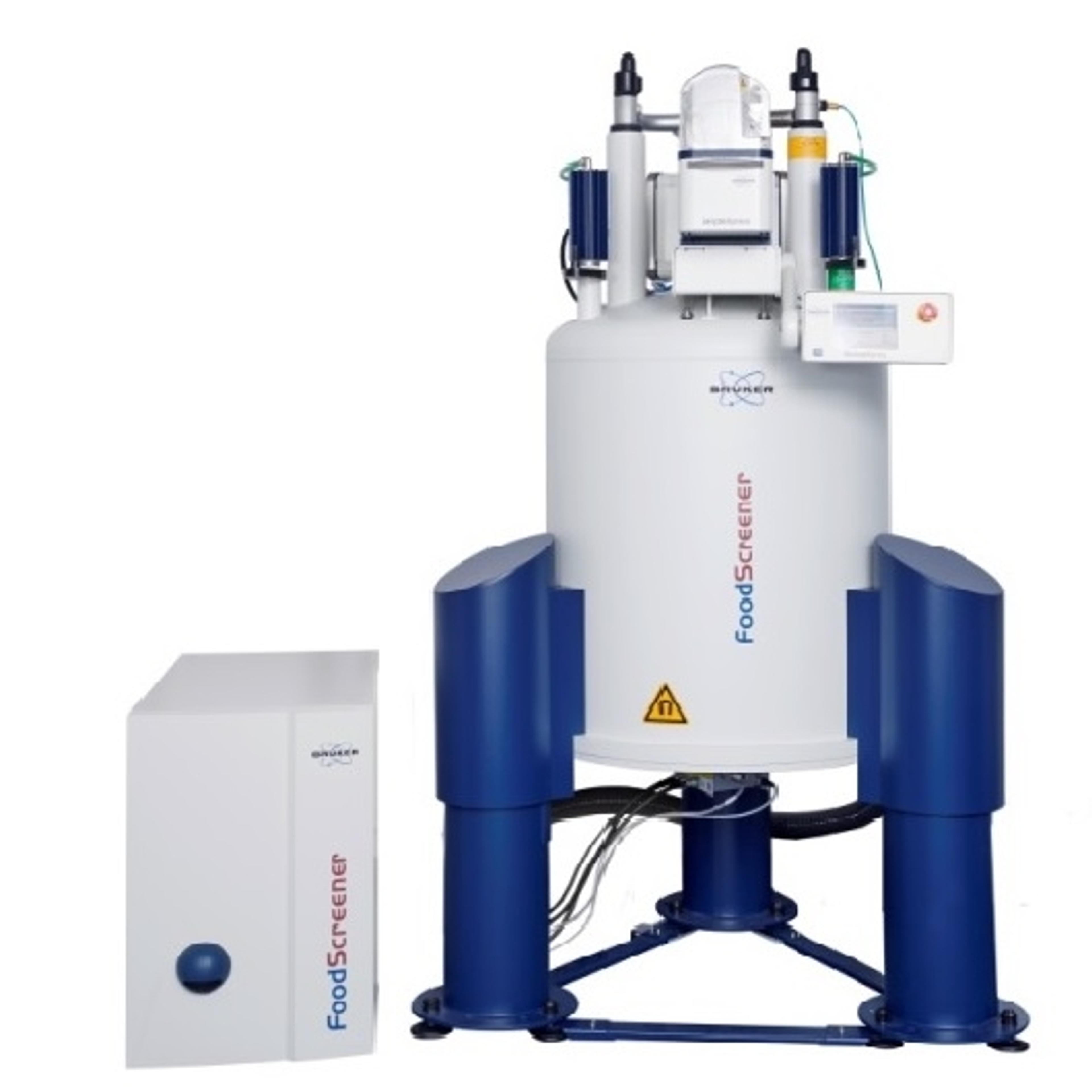
Hungarian Ministry of Agriculture Selects Bruker NMR FoodScreener for Authentication and Identification of Hungarian Wines
Bruker and Diagnosticum form Hungarian Wine Consortium to develop Hungarian wine models
8 Aug 2017
Diagnosticum and Bruker will form the Hungarian Wine Consortium and develop a Hungarian wine model based on Bruker’s NMR FoodScreener® technology for rapid and comprehensive wine-profiling. The model will be used to authenticate and identify Hungarian wines, including the famous Tokaji wines.
Bruker’s NMR FoodScreener acquires a “fingerprint” specific to individual samples. This fingerprint contains a wealth of information, ranging from the detailed chemical composition of wines, to geographical origin including influence of soil, to identification of wine variety and vintage. In addition, this fingerprint analyzes the aging of the wine, and identifies any form of adulteration. The test certificates provide foreign and Hungarian traders with greater confidence in the origin and quality of wines than ever before.
Hungarian wineries have two years to submit their samples and participation is required. The program reflects a commitment to strengthening the authenticity of Hungarian wines and improving their position in a global market where consumers are becoming increasingly wary of food and wine adulteration and fraud.
Dr. Ferenc Péterfy, President of Diagnosticum stated: “The lab is ready, instruments are installed, and we are excited to provide the technical expertise to support this national program. Building the model for Hungarian wines and validating their authenticity will increase consumer confidence and trust in these wines on a worldwide basis.”
Dr. Iris Mangelshots, President of Bruker BioSpin’s Applied, Industrial & Clinical (AIC) division, commented: “The establishment of a Hungarian Wine Consortium is an exciting development and further evidence of the concern wineries, traders and consumers alike have about fraud. The selection of our NMR FoodScreener Wine-Profiling method and the commitment to build a Hungarian wine model demonstrates the increasing acceptance of rapid and comprehensive NMR-based screening as a standard for authentication, which is already established in other countries such as Spain and Germany.”
Wine Profiling by Nuclear Magnetic Resonance (NMR) relies on the acquisition of the spectroscopic fingerprint specific of each individual sample. These metabolic profiles are compared to a large database of authentic wine samples using a multivariate statistical approach. This high-throughput technique provides a wide range of information that is both targeted (quantification of defined substances) and non-targeted (identifying deviations from reference spectra). The Hungarian model will extend the already existing database of Spanish, Italian, French, Chilean, Austrian and German wines.
For more on food and beverages, visit our Food Safety Special Feature.