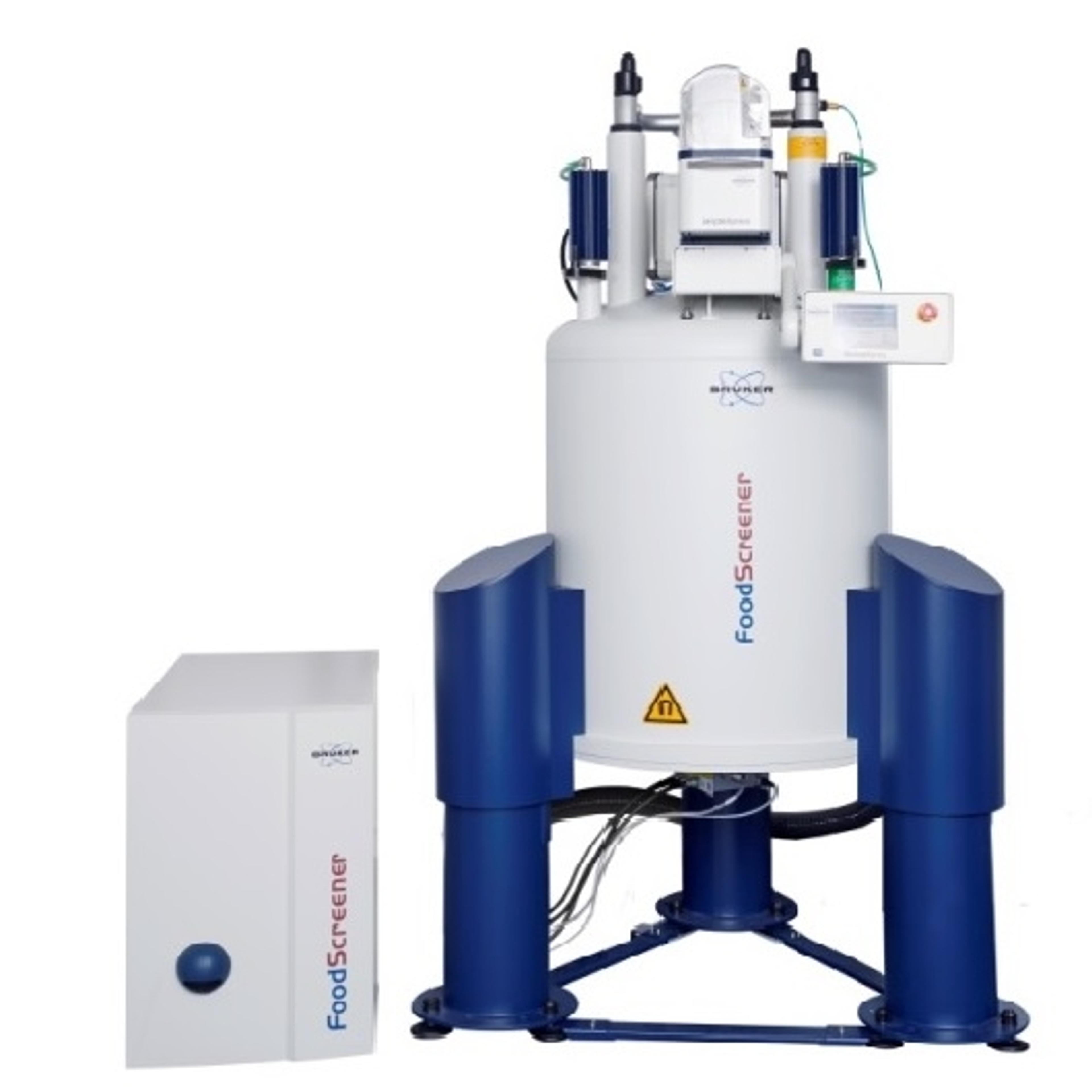
FoodScreener
Analyzing food in a new dimension.



The supplier does not provide quotations for this product through SelectScience. You can search for similar products in our Product Directory.
Awesome results, effective and efficient
Food screening
Durable,easy to use, efficient in purpose
Review Date: 7 Jan 2022 | Bruker BioSpin
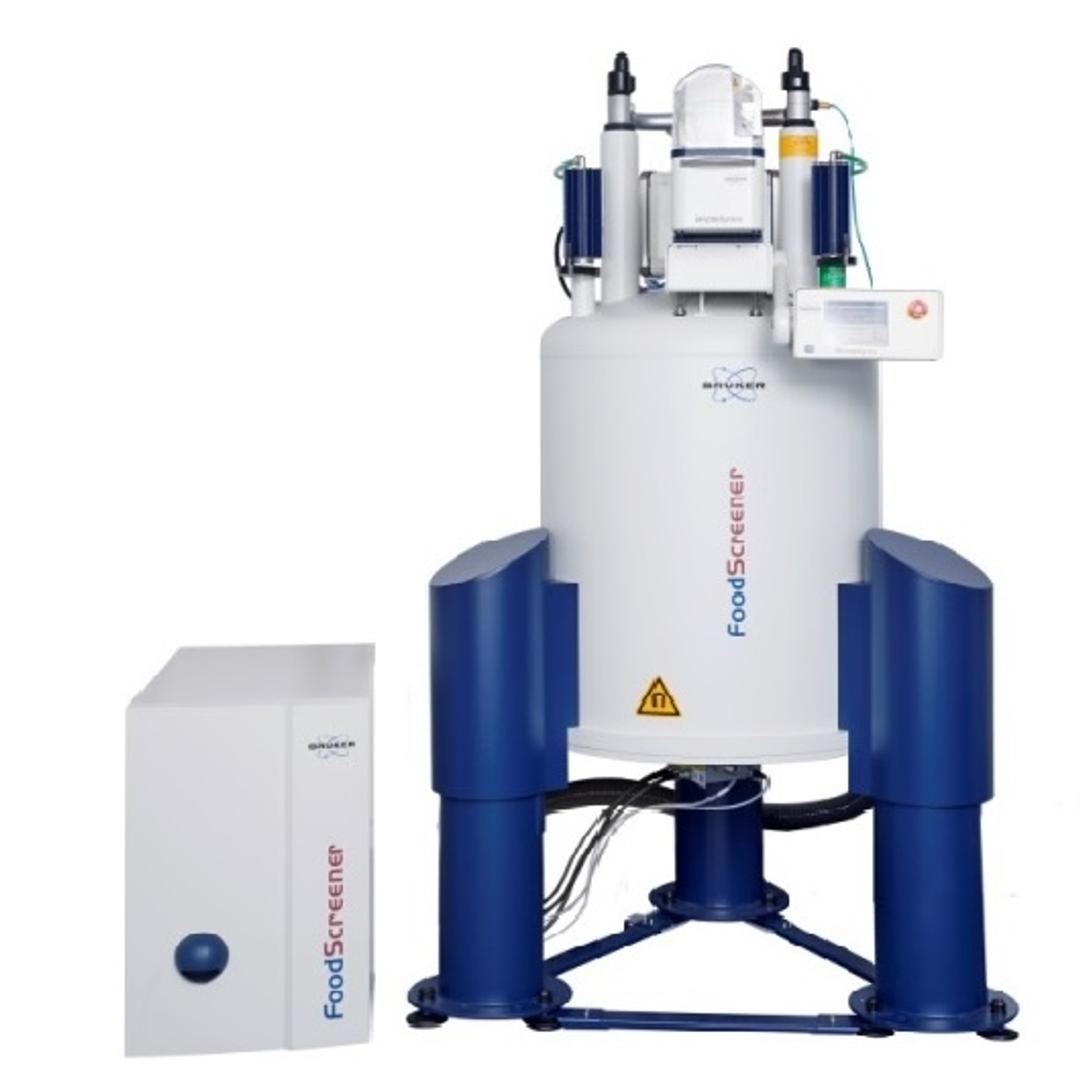
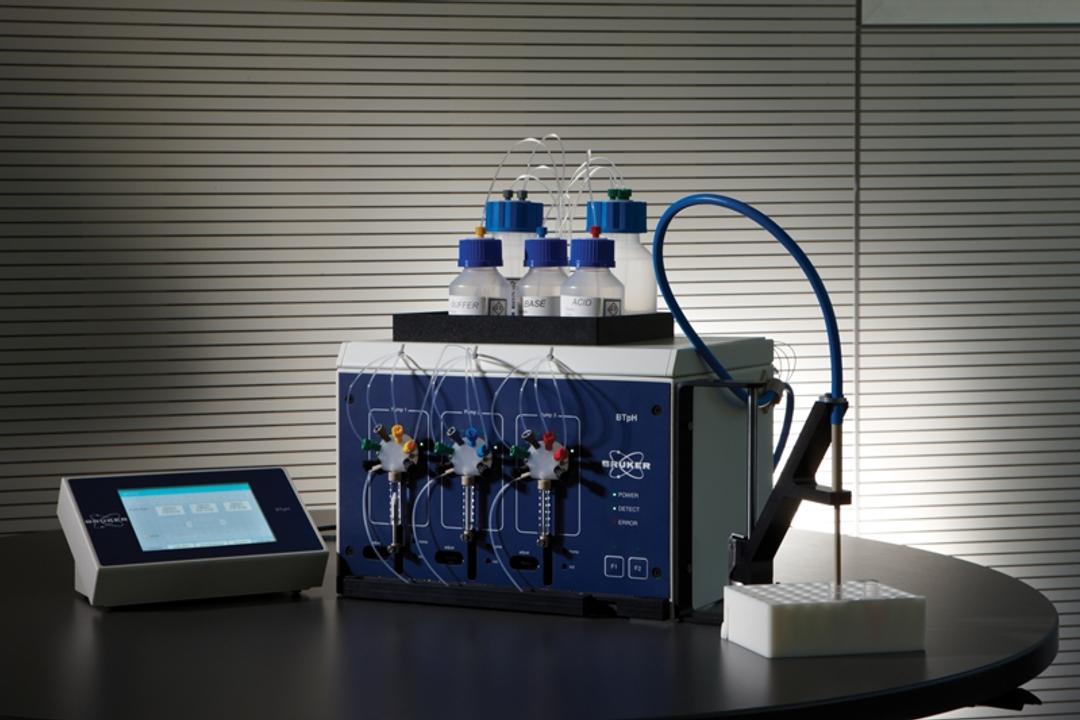
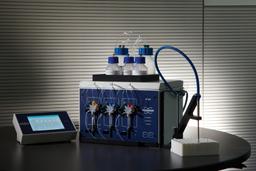
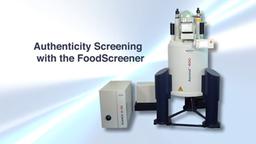
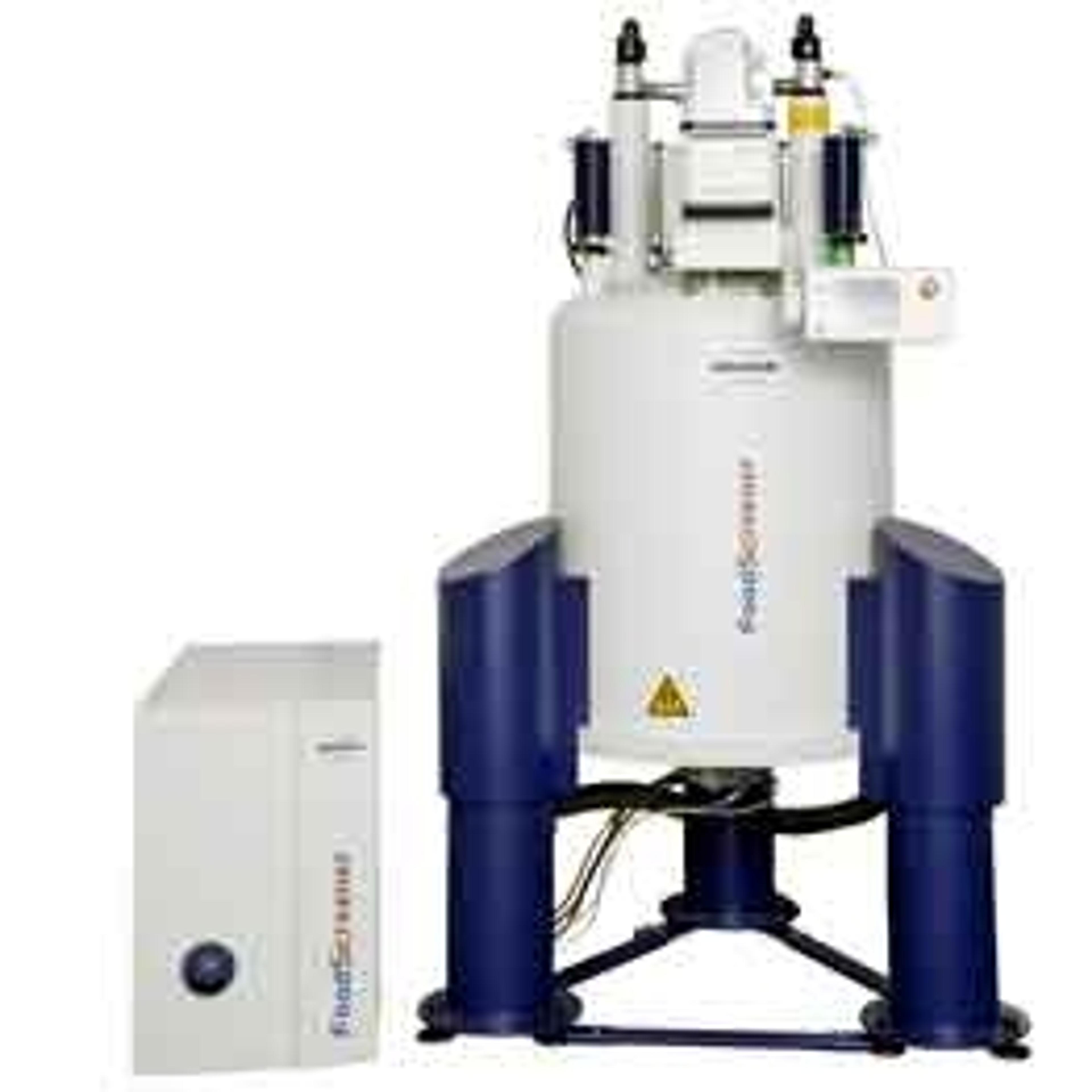
The FoodScreener is a fully automated push-button NMR solution including evaluation and reporting based on 400 MHz.
Identification and absolute quantification of compounds runs simultaneously. It is a reliable screening method for targeted and non-targeted multi-marker analyses with minimal sample preparation. The FoodScreener enables the detection of unexpected and even unknown fraud. Complex statistical models allow the analysis of: e.g. origin authenticity, species purity, false labeling, production process control and sample similarity. Results are lab-, user- and system independent.
The current methods available are: Juice Profiling, Wine Profiling and Honey Profiling.
Relevant Educational Webinar(s) can be found here:

Automatic SPE Extraction of Red Wine for NMR: A New Tool for Chemometrics and Hyphenation
Due to the separation of highly polar matrix constituents from less polar trace analytes and the increase in concentration, SPE is said to be of great benefit in the NMR analysis of water-based food samples such as juice and wine. This application note presents a method for automatic SPE extraction of red wine for NMR.
Honey Quality & Authenticity
In this application note, the proven concept of the FoodScreener platform is extended in order to establish an NMR-based screening method for honey samples covering aspects related to authenticity, quality control and quantification. By combining targeted (quantification) and non-targeted (statistics for classification and verification) approaches, it is possible to address even more previously unsolved questions.
Cinnamon: An Important Natural Health Product with Quantification of Key Components using NMR Spectroscopy
This application note shows how NMR spectroscopy can be used for identification and quantification of components in a naturel health product such as cinnamon, without additional separation or purification. The results from this method are highly reproducible and the method can be automated to save time and minimize errors.
What is Really in Your Detergents? NMR as a Tool for Composition and Competitive Intelligence
The report in this application note details some of the compounds commonly found in commercial detergents. The study presents a comparison between major brands, and the “bargain brand” counterparts, using NMR to analyze the constituents qualitatively and quantitatively.
Complete Analysis of New Psychoactive Substances Using NMR
This application note demonstrates the suitability of nuclear magnetic resonance (NMR) for the unequivocal structural identification of illegal drugs and legal highs. The article demonstrates how DOSY experiments can be used along with computer-aided structure elucidation of the various compounds that make up synthetic drugs such as China White. It also shows how the structural information obtained can be used to streamline the identification and quantification of compounds present in recreational drug substances through the use of library search and matching tools.
Identification and Quantification of Plant Extracts Using Automated Nuclear Magnetic Resonance
Valued for the perceived benefit derived from their natural compounds, botanical extracts are key ingredients in nutraceuticals and personal care products. This application note demonstrates the procedure and the ability to automate the NMR analysis of goldenseal extract for use in botanical identity, evaluating identity and quantity of components and for quality control. Most previous researchers have used LC-UV methods to quantify berberine, canadine and hydrastine in goldenseal and lack highly compound specific information. NMR provides an information rich, fully automated, rapid assessment tool that enhances assurances of product composition.
How NMR Technology is Combating Wine Fraud in Europe
Hear how scientists from the Hungarian Wine Consortium, comprised of Bruker and Diagnosticum, are working on an exciting initiative to prevent wine fraud. The program uses NMR FoodScreener technology from Bruker BioSpin to rapidly detect a ‘fingerprint’ of 53 different chemical elements in Hungarian wines which can then be used to identify and authenticate wines, providing information on vintage year, region of origin and wine type as well as any adulteration.
Bruker Introduces its NMR-Based Fully Automated FoodScreener
Watch this video to learn about Bruker’s fully automated push-button NMR solution, including evaluation and reporting based on 400 MHz, for the analysis of juice, wine and honey.
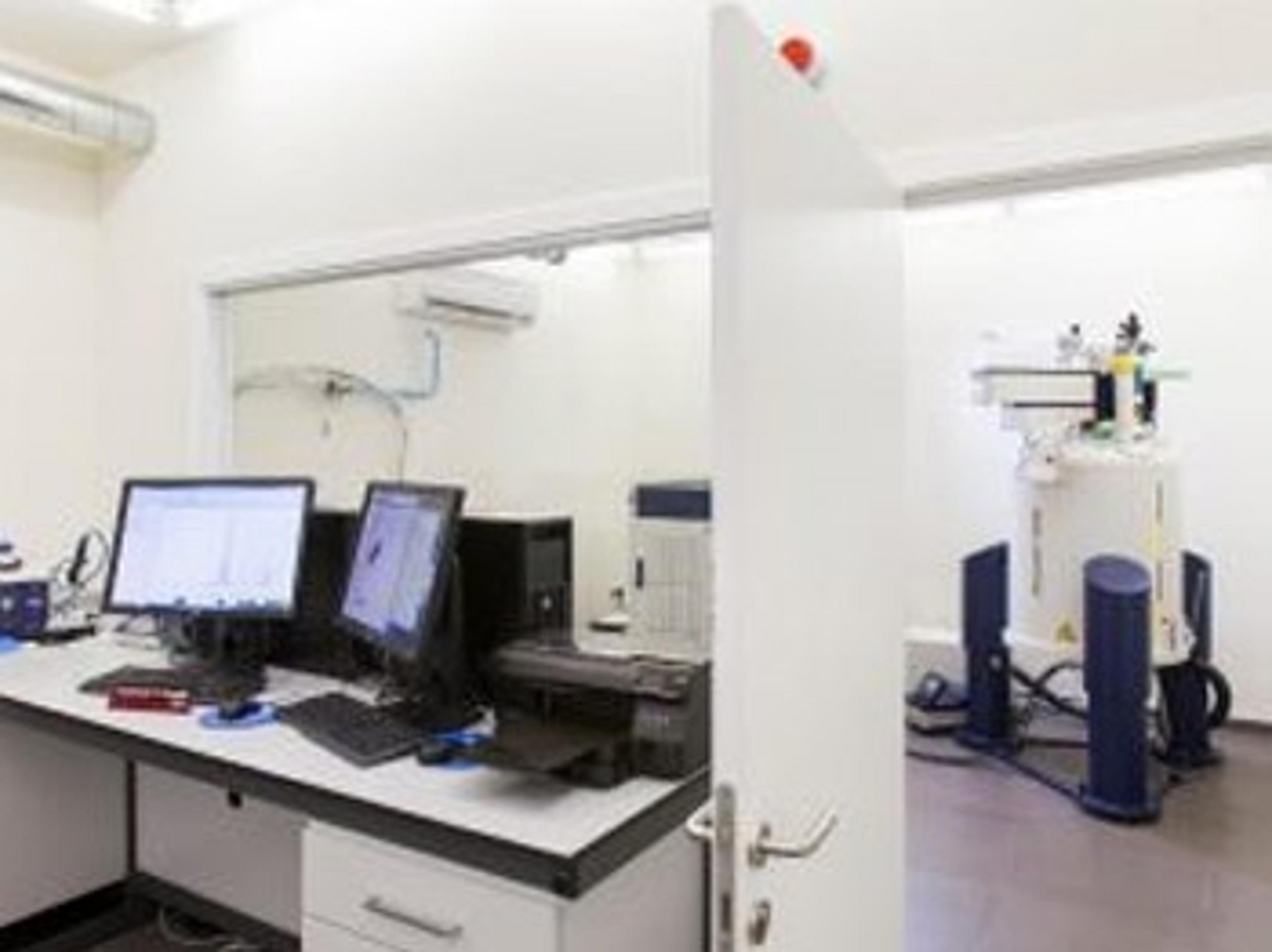
Leading Spanish wine testing laboratory announces new NMR authentication service
The cutting-edge technique aims to detect and prevent wine fraud by verifying wine identity
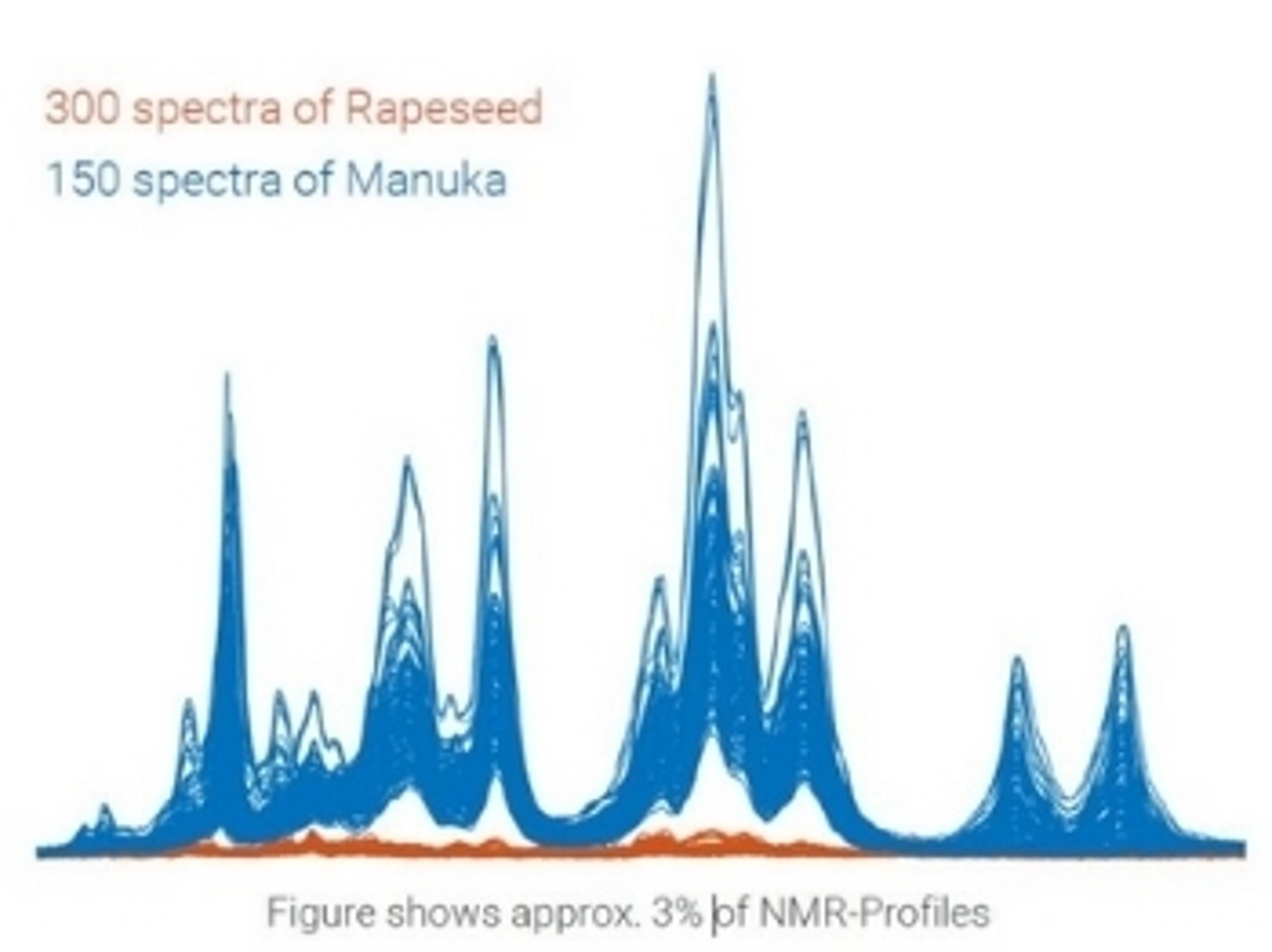
Bruker launches latest version of its NMR Honey-Profiling™ module
The new module expands the growing database to 28,000 reference honey samples, covering over 50 countries, 100 monofloral varieties and many polyfloral varieties
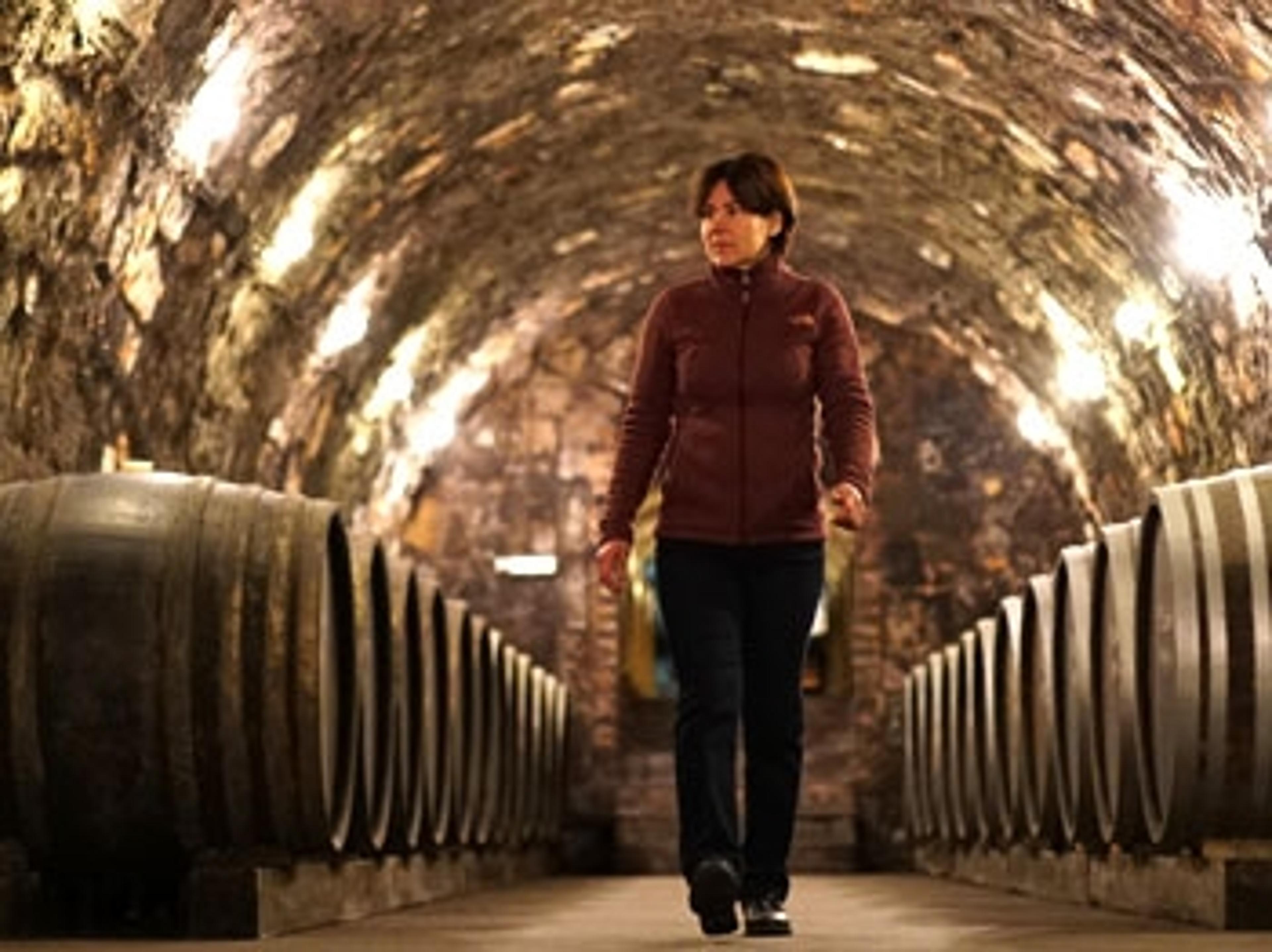
Combating Wine Fraud – Using Advanced NMR to ‘Fingerprint’ Hungarian Wines
A Government-sponsored laboratory in Hungary is using advanced nuclear magnetic resonance (NMR) technology to enable the identification and authentication of Hungarian wines
Hungarian Ministry of Agriculture Selects Bruker NMR FoodScreener for Authentication and Identification of Hungarian Wines
Bruker and Diagnosticum form Hungarian Wine Consortium to develop Hungarian wine models

11 Methods to Ensure Food Safety
Discover the latest news, videos and downloads from the SelectScience® library
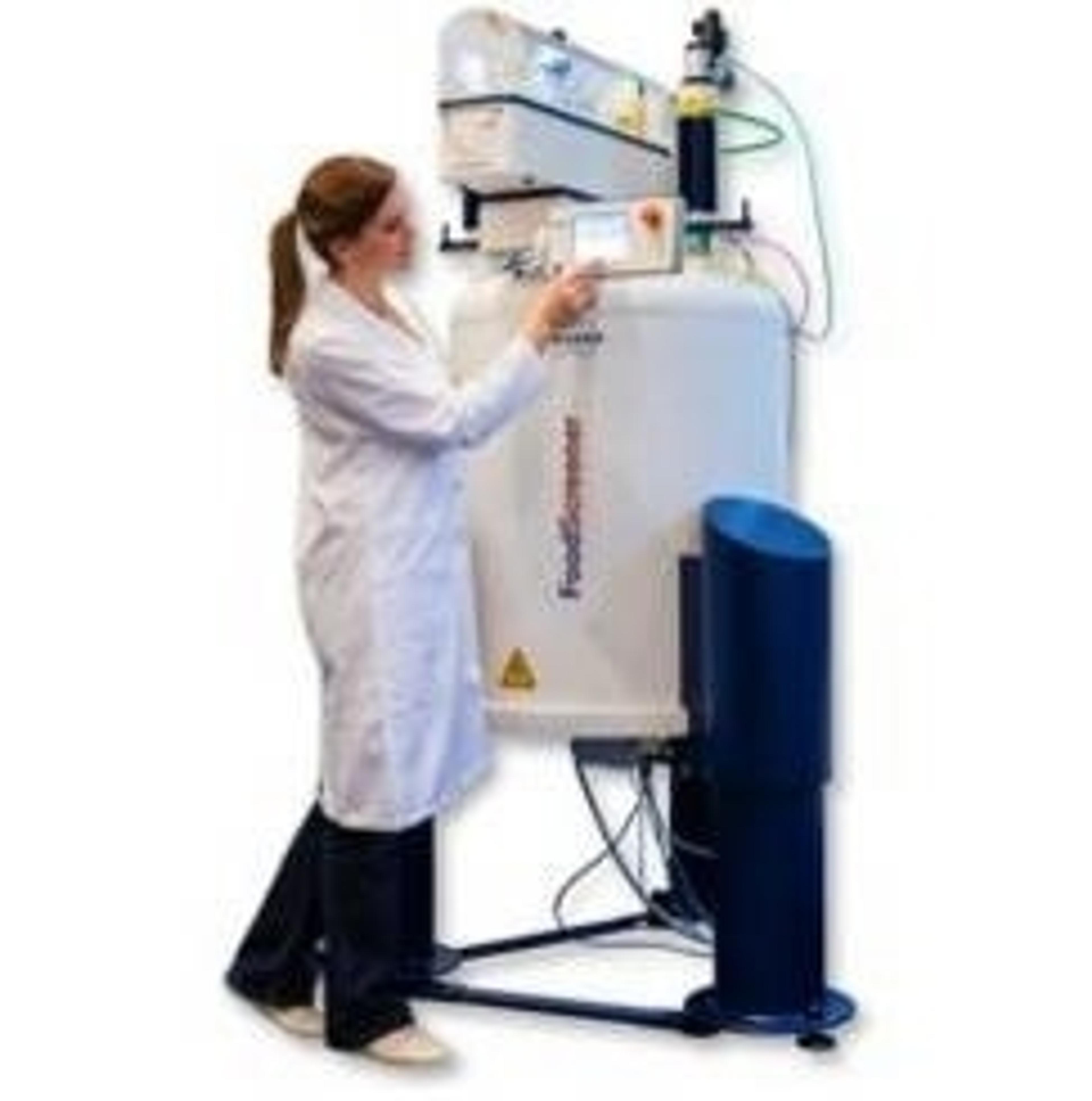

Leading European Honey Packer Adopts New Honey-Profiling Module of Bruker’s NMR FoodScreener™ Solution
Famille Michaud Apiculteurs are the first to integrate the Honey-Profiling module in their analytical portfolio
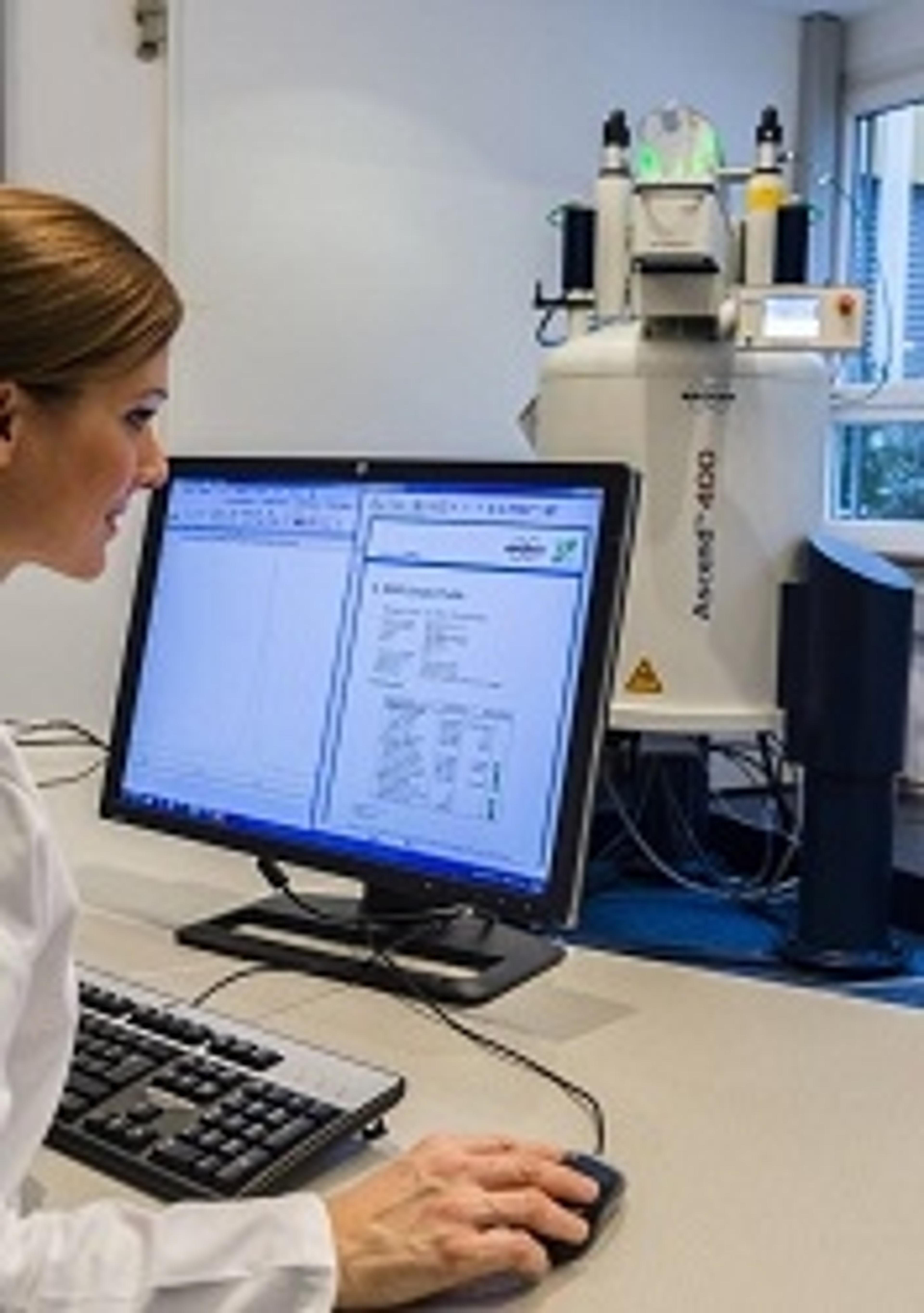
Bruker’s NMR FoodScreener™ Laboratory Achieves ISO/IEC 17025 Accreditation
NMR FoodScreener™ laboratory for food authenticity and quality determination, located in Rheinstetten, Germany, has been granted ISO/IEC 17025 accreditation