
Emulate launches AVA emulation system to accelerate drug development with first-of-its-kind high-throughput organ-chip platform
Built-in incubation, automated imaging, and AI-ready data generation deliver in vivo fidelity at scale
19 Jun 2025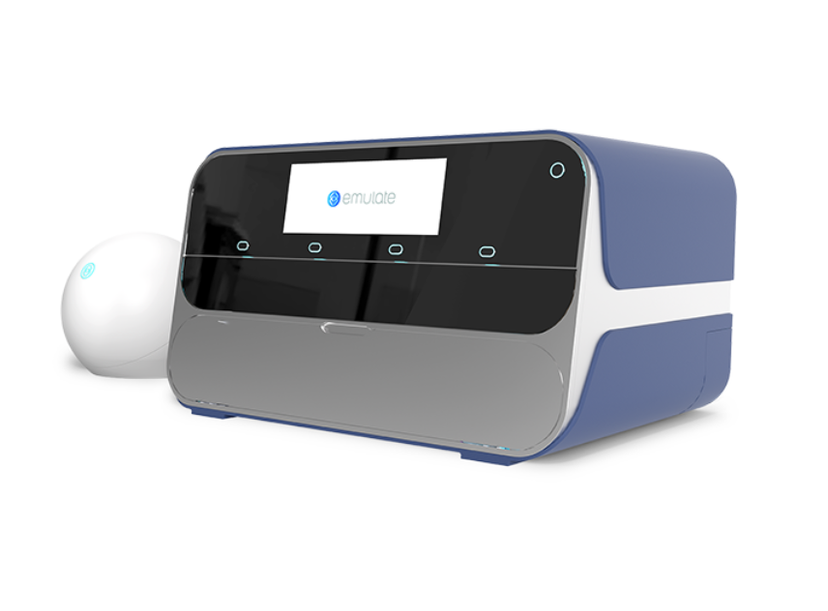
AVA™ Emulation System from Emulate
Emulate, Inc., a leader in organ-on-a-chip technology based in the United States, has launched the AVA Emulation System, a compact benchtop instrument that cultures, incubates, and images up to 96 independent organ-chip samples in a single run. Designed for pharmaceutical, biotechnology, contract research, consumer-product, and environmental testing laboratories worldwide, AVA delivers in vivo–level insights faster than animal models while reducing consumable costs four-fold and in-lab labor by half compared with previous-generation organ-on-a-chip technologies. This next-generation system gives drug discovery and toxicology teams a practical way to move beyond animal testing and adopt human-relevant models that align with evolving regulatory expectations.
AVA Emulation System: Three instruments in one
The AVA Emulation System is the first self-contained organ-on-a-chip workstation to combine high-throughput microfluidic tissue culture, full environmental control, and real-time imaging in a single integrated platform. By unifying these capabilities, AVA streamlines complex organ-chip workflows and makes predictive human biology accessible at microplate-like scale.
Key performance gains for organ-on-a-chip workflows
- Expanded experimental power: AVA supports 96 independent organ-chip samples in a single run, enabling microplate-level throughput for organ-chip experiments. Researchers can perform side-by-side comparison of dozens of compounds, doses, or stimuli within one experiment, improving statistical power and decision-making in drug discovery, efficacy, and safety studies.
- Lower operating costs: The system delivers a four-fold reduction in consumable spend and requires up to 50% fewer cells and media per sample compared with previous-generation organ-on-a-chip technology. This cost efficiency makes high-content, human-relevant testing more accessible across large pharmaceutical pipelines and smaller biotech organizations.
- Time and labor savings: AVA reduces hands-on, in-lab time by more than half. Automated microscopy, remote monitoring, and the new Chip-Array consumable, which integrates 12 independent organ-chips into an SBS-format plate, enable streamlined workflows with multichannel pipettes and automated liquid handlers.
- AI-ready datasets: A typical seven-day AVA experiment can generate more than 30,000 time-stamped data points from daily imaging and effluent assays. When combined with post-takedown omics data, the total can reach into the millions of data points, creating rich, multimodal datasets suitable for machine learning applications in target discovery, lead optimization, and safety prediction.
Webinar: Accelerate animal-free drug pipelines with organ-on-a-chip
Emulate is highlighting the AVA Emulation System and its role in animal-free drug development in an online webinar, “Turning FDA guidance into lab reality: Accelerating animal-free drug pipelines with organ-on-a-chip.”
In this session, Dr. Lorna Ewart, Chief Scientific Officer at Emulate, and Dr. Daniel Levner, Chief Technology Officer at Emulate, share a preview of next-generation organ-on-a-chip technology that is purpose-built to help laboratories stay ahead of animal reduction mandates for toxicology testing.
Register now to learn how AVA and Emulate’s organ-chips can support regulatory-aligned, human-relevant safety and efficacy studies.
A timely answer to shifting FDA regulations
As the U.S. Food and Drug Administration (FDA) moves toward making animal studies the exception rather than the norm, the demand for validated human models is increasing. Emulate’s Liver-Chip S1, the first and only organ-chip admitted to the FDA’s Innovative Science and Technology Approaches for New Drugs (ISTAND) program, has already demonstrated superior performance to animal models. In a 2022 Communications Medicine study, the Liver-Chip showed 87% sensitivity and 100% specificity for predicting drug-induced liver injury.
The AVA Emulation System extends this level of human relevance across discovery, efficacy, and toxicology screens, enabling safer therapies to progress through the pipeline more efficiently.
“Moving towards reduction and in some cases replacement of animal models demands both biological fidelity and throughput,” noted Dr. Lorna Ewart, Emulate Chief Scientific Officer. “AVA meets those dual requirements, empowering teams to rank-order lead candidates, pinpoint off-target toxicities, and advance safer therapies with unprecedented speed and confidence.”
Broad impact across biopharma and beyond
In biopharmaceutical research, reduction and replacement of animal models using organ-on-a-chip systems is already underway. A leading pharmaceutical company has demonstrated the value of integrating Emulate Liver-Chips into its development pipeline, where one scientist saved millions of dollars and years of development time by using Liver-Chips ahead of non-human primates to screen lipid-nanoparticle (LNP) candidates.
With its leap in throughput and predictive human biology, the AVA Emulation System benefits a wide range of organizations that currently rely on animal testing:
- Large pharmaceutical companies can run comparable screens within a single AVA experiment, improving pipeline efficiency and decision-making.
- Small and mid-sized biotech teams gain enterprise-level experimental capacity without adding headcount or major infrastructure.
- Contract research organizations (CROs) can offer high-throughput, human-relevant safety and efficacy services to sponsors.
- Consumer-product companies and environmental agencies can evaluate industrial chemicals, food additives, and cosmetic ingredients under human-relevant conditions, supporting faster and more ethical regulatory and market-driven decisions.
“AVA gives scientists unprecedented experimental capacity with the biological depth of live human tissue — something no other platform can match,” said Jim Corbett, Chief Executive Officer at Emulate. “By combining Emulate’s proven organ-on-a-chip technology with high-throughput consumables, automated imaging, and streamlined workflows in one benchtop unit, AVA lets teams ask bigger questions earlier and move the right drug candidates forward faster.”
Want the latest science news straight to your inbox? Become a SelectScience member for free today>>
Related products
Request Quote for All Products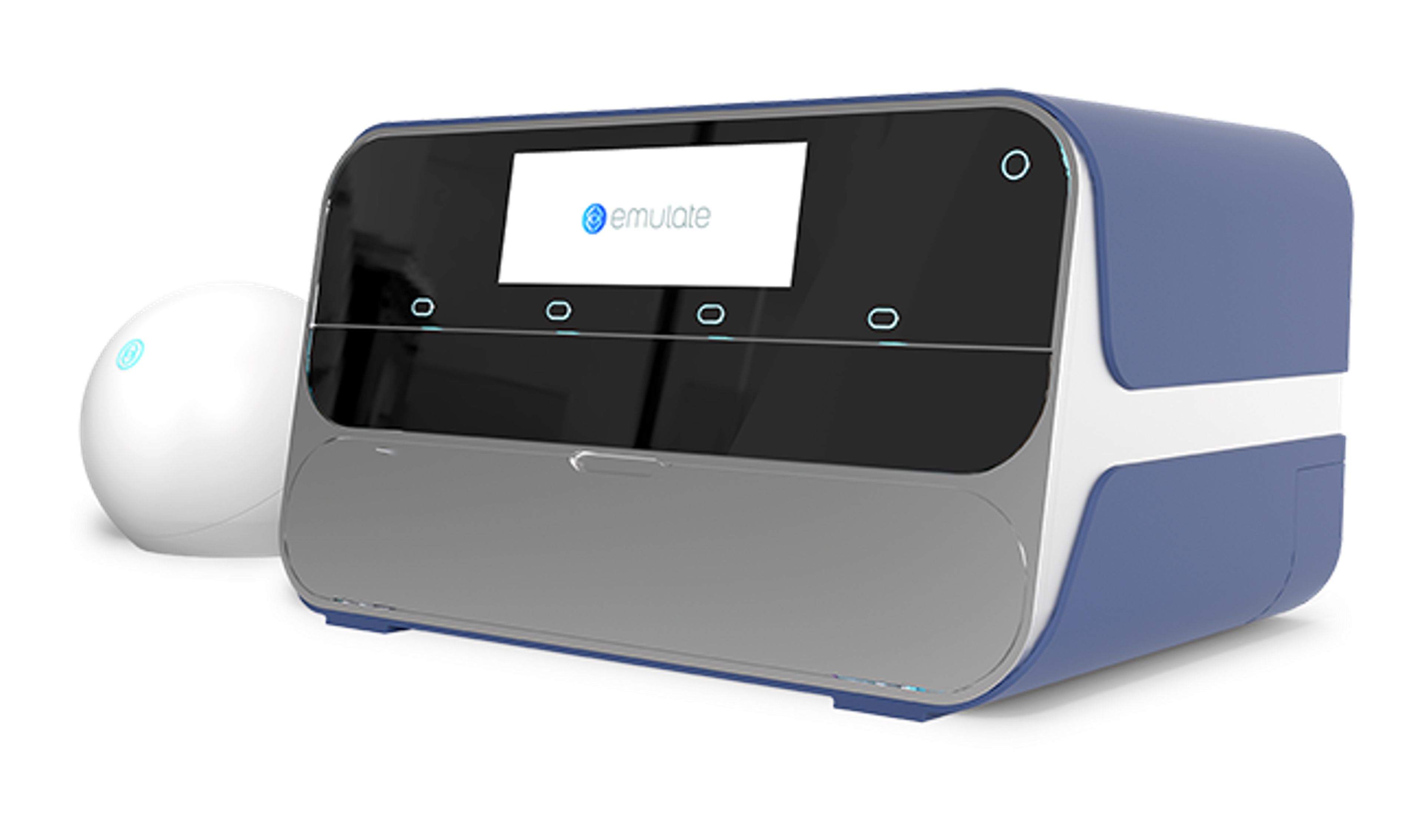
AVA™ Emulation System
EmulateAVA™ Emulation System A high-throughput Organ-Chip platform that generates human-relevant data at scale
Frequently asked questions
How does the AVA Emulation System from Emulate improve high-throughput organ-on-a-chip drug discovery and toxicology studies?
The AVA Emulation System from Emulate, Inc. is a compact benchtop organ-on-a-chip workstation that cultures, incubates, and images up to 96 independent organ-chip samples in a single run. It is the first self-contained organ-on-a-chip platform to combine high-throughput microfluidic tissue culture, full environmental control, and real-time imaging in one integrated system. This enables microplate-level throughput for drug discovery, efficacy, and toxicology studies, allowing side-by-side comparison of dozens of compounds, doses, or stimuli within a single experiment. AVA delivers in vivo–level insights faster than animal models, reduces consumable costs four-fold, cuts in-lab labor by more than half, and supports AI-ready datasets with tens of thousands of time-stamped data points per seven-day experiment.
How does the AVA Emulation System support animal-free, FDA-aligned toxicology testing and regulatory expectations?
The AVA Emulation System provides drug discovery and toxicology teams with a practical way to move beyond animal testing by using human-relevant organ-on-a-chip models that align with evolving FDA and regulatory expectations. Emulate’s Liver-Chip S1, the first and only organ-chip admitted to the FDA’s ISTAND (Innovative Science and Technology Approaches for New Drugs) program, has demonstrated superior performance to animal models, with 87% sensitivity and 100% specificity for predicting drug-induced liver injury in a 2022 Communications Medicine study. AVA extends this level of human relevance across discovery, efficacy, and toxicology screens, helping laboratories stay ahead of animal reduction mandates for toxicology testing and enabling safer therapies to progress more efficiently through the pipeline.
What benefits does the AVA Emulation System offer to pharmaceutical, biotech, CRO, consumer-product, and environmental testing laboratories?
The AVA Emulation System is designed for pharmaceutical companies, biotechnology organizations, contract research organizations (CROs), consumer-product companies, and environmental testing laboratories worldwide that currently rely on animal testing. Large pharmaceutical companies can run comparable screens within a single AVA experiment to improve pipeline efficiency and decision-making. Small and mid-sized biotech teams gain enterprise-level experimental capacity without adding headcount or major infrastructure. CROs can offer high-throughput, human-relevant safety and efficacy services to sponsors. Consumer-product companies and environmental agencies can evaluate industrial chemicals, food additives, and cosmetic ingredients under human-relevant conditions, supporting faster and more ethical regulatory and market-driven decisions. By combining proven organ-on-a-chip technology, high-throughput consumables, automated imaging, and streamlined workflows, AVA lets teams ask bigger questions earlier and move the right drug candidates forward faster.