Drug Discovery Video Playlist: 6 Experts Share Research & Technology Insights

Watch exclusive highlights from the show floor at SLAS2019 as we find out about the latest technologies innovating life sciences discovery

17 Apr 2019

Frankie MacDonald
Administrator / Office Personnel

Editorial article

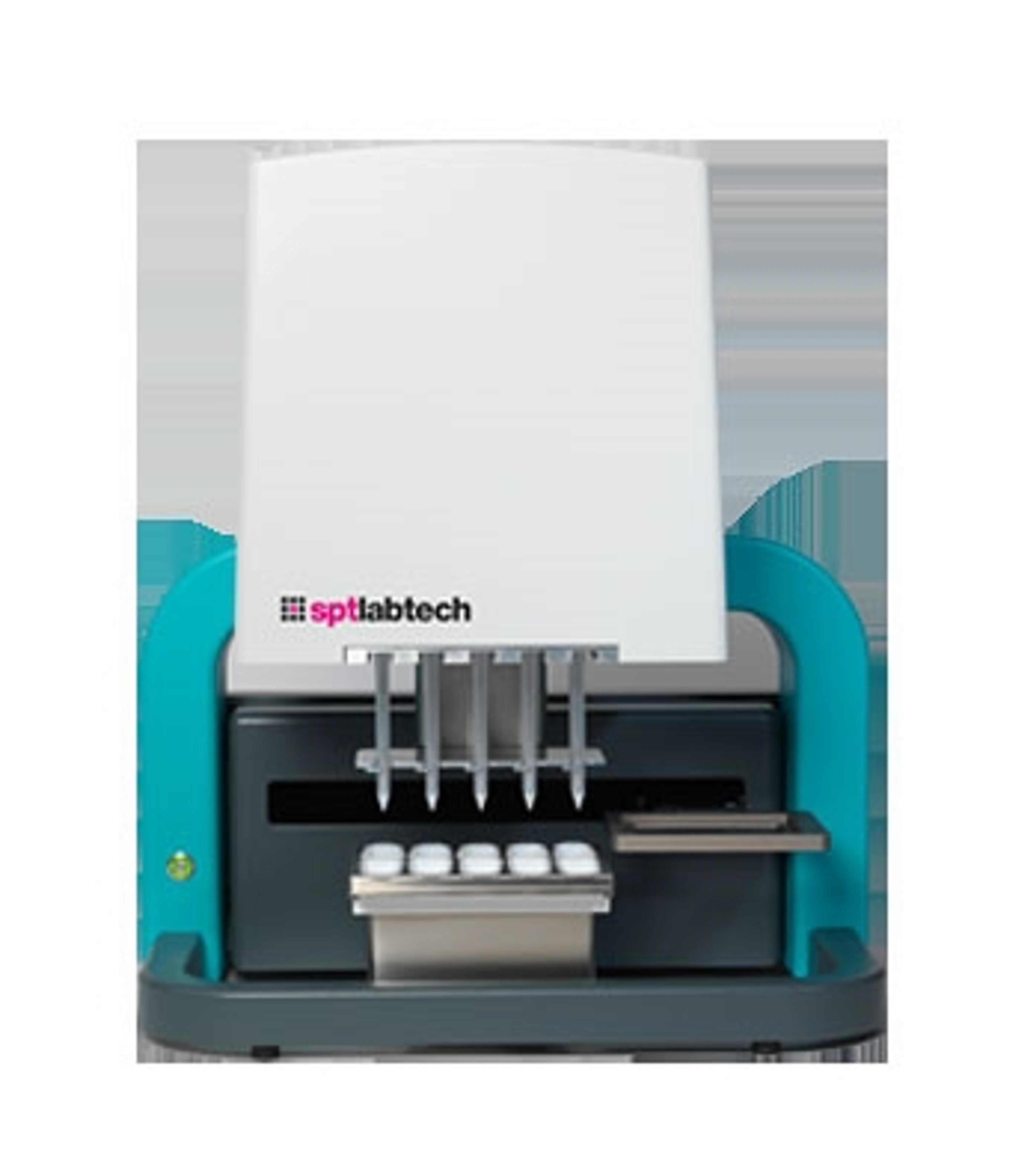
Expanding NGS Capabilities at MIT

Find out how miniaturization of Illumina library preparation — using the latest liquid handling automated equipment — is enabling leading genetic scientists at MIT to ask broader scientific questions
Simulating Heart Disease in a Microplate

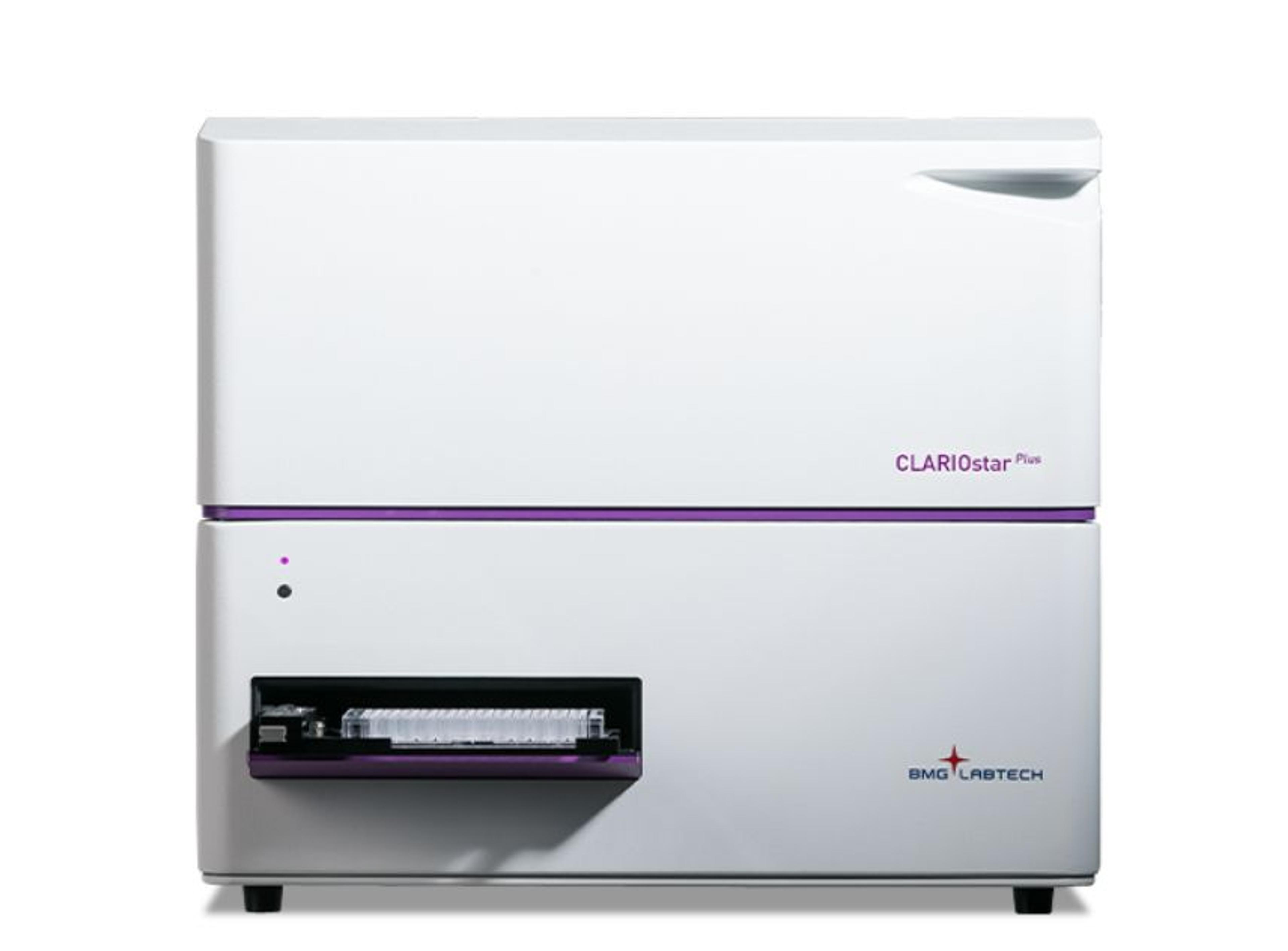
Dr. Ben Alsop discusses how his team at UCL has developed a model that simulates reperfusion injury during a heart attack. He explains how they were able to achieve this in a microplate format, and effectively analyze drug response in real time, using the recently launched CLARIOstar platform.
Next-Generation Molecular Technologies

Program Director, Innovative Molecular Analysis Technologies, at the National Cancer Institute, Tony Dickherber, sheds light on the latest tools being developed at NCI to tackle cancer diagnostics and monitoring of disease. He believes these innovations could propel the field into a future where cancer is no longer a killer.
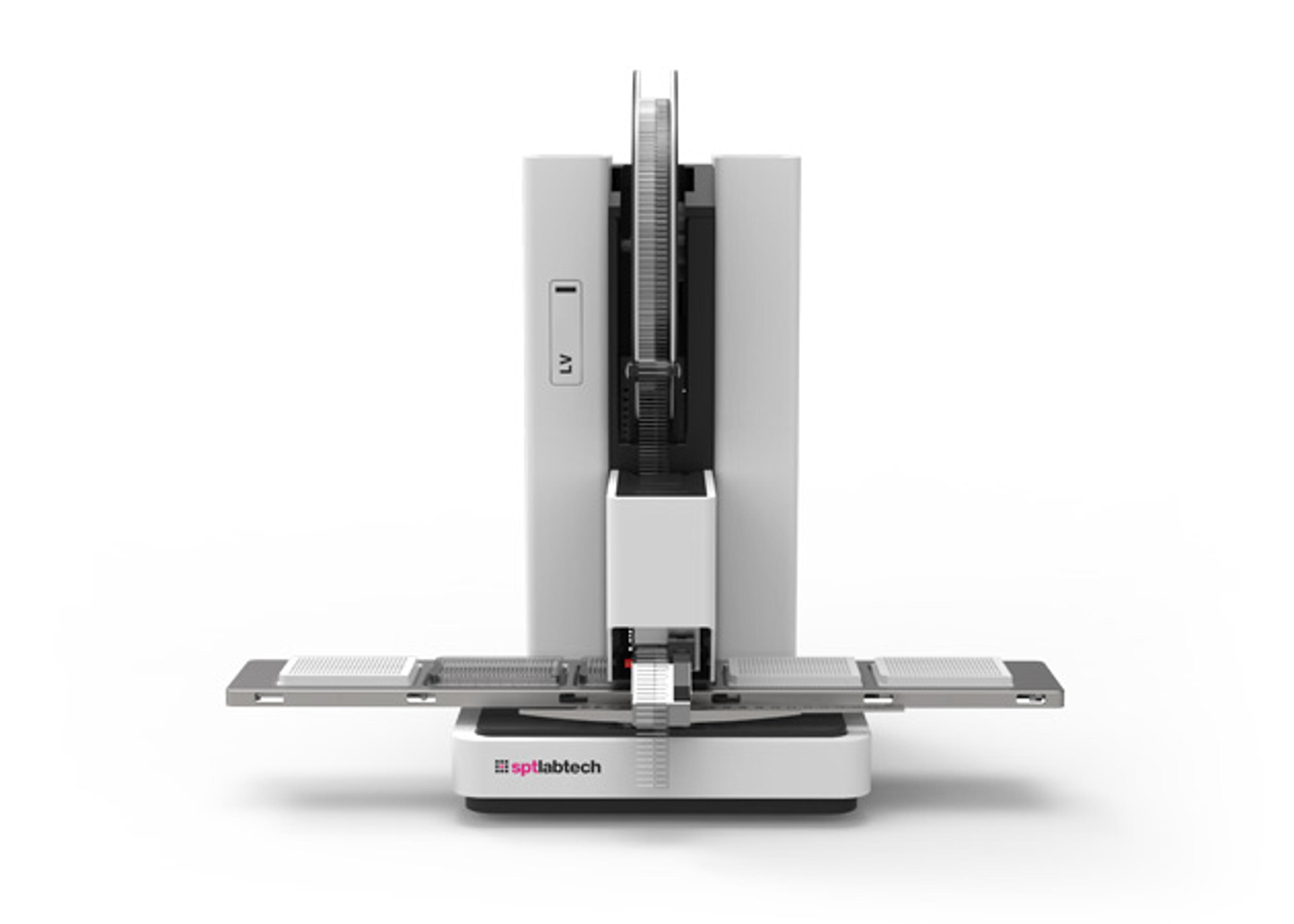
Delving Deeper into DNA

Find out how scientists can now obtain the highest DNA purity and yield from complex mixed samples, using the unique ArrayTape consumable for barcoded assay miniaturization – down to 0.8 µl.
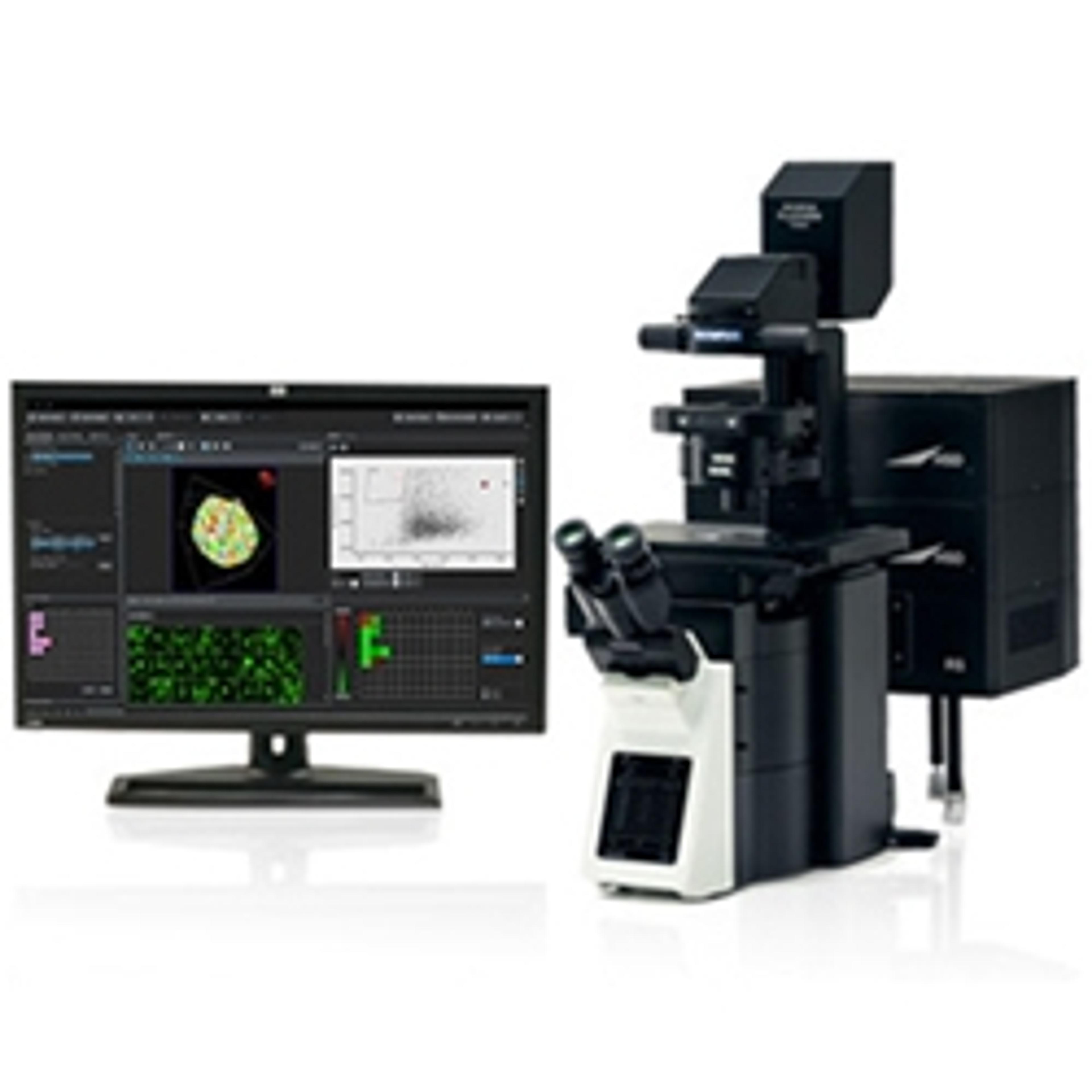
Data Analysis in 3D – Single Nuclei Resolution

As our 3D culturing capabilities have advanced, sophisticated software is required to accurately analyze complex cellular models and manage high volumes of data. Brendan Brinkman, of Olympus Life Sciences, discusses how, with the NoviSight 3D analysis software, scientists can rapidly analyze multi-cell models down to the individual nuclei.
Taking 3D Cell Culture to the Next Level

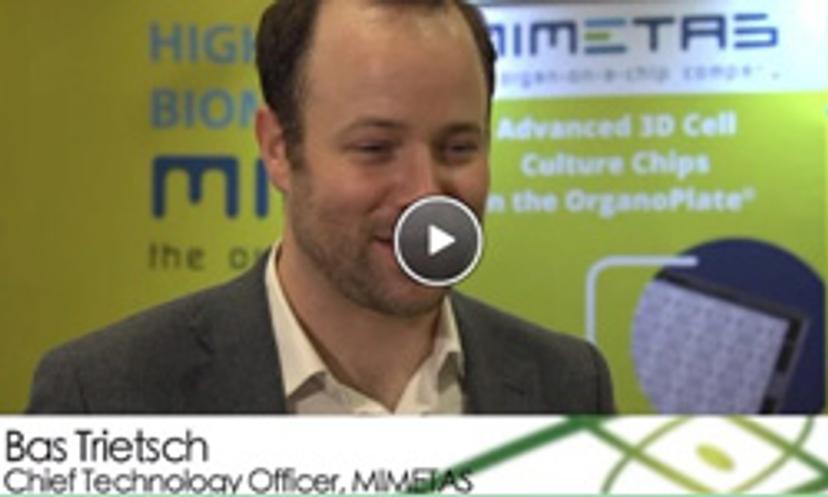
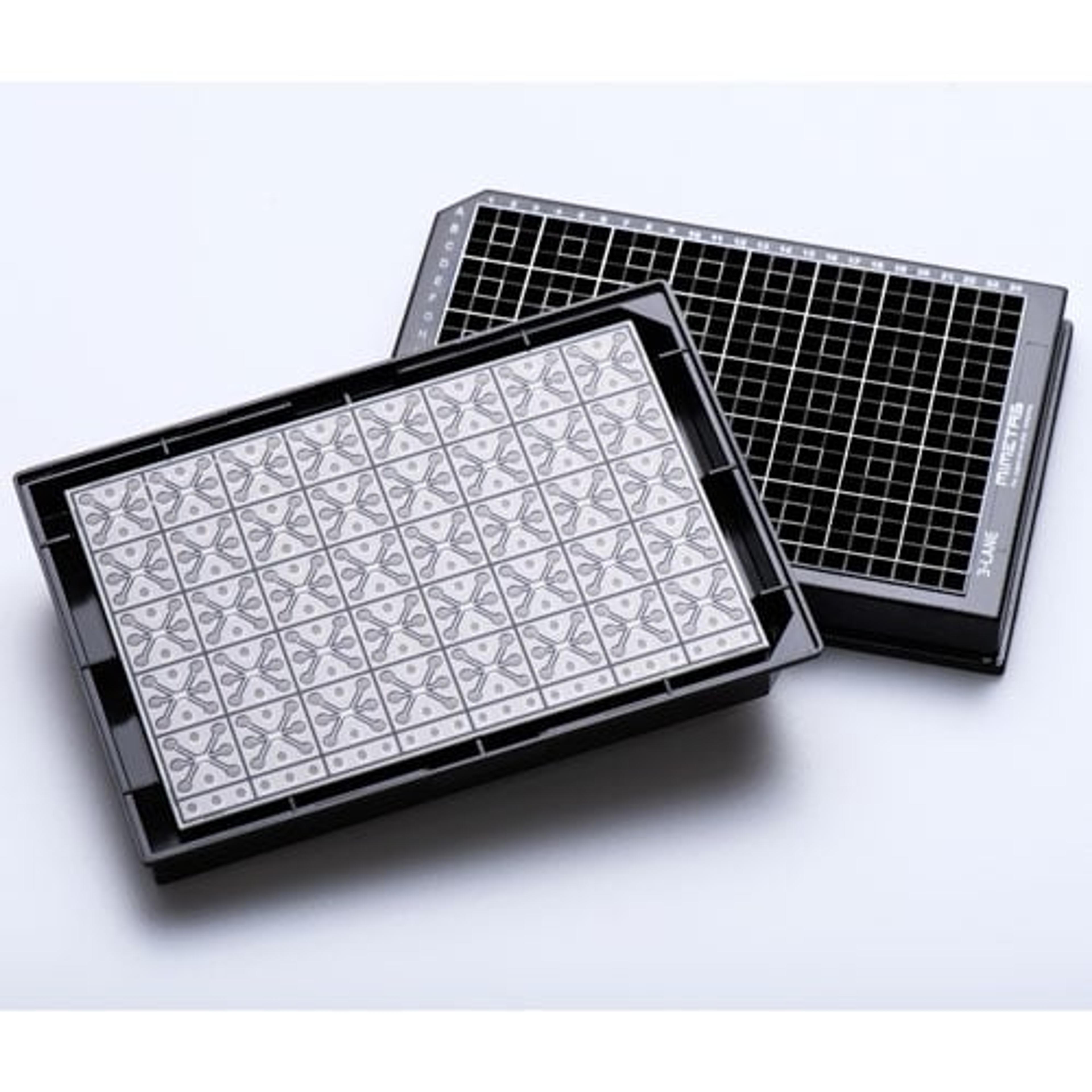
3D cell culture is a vital tool in translational research. In this video, Bas Trietsch, CTO of MIMETAS, explains how, with its novel miniaturized platforms, scientists are able to simulate and assess barrier functions based on impedance spectroscopy principles.
Watch the full SLAS2019 video coverage here >>

Links

Tags

Cell / Tissue CultureCell culture or tissue culture is used to study the biology of cells or tissues and to isolate cellular products in an environment which can be manipulated and well defined. Accurately control your culture environment with bioreactors or culture incubators, bind your cells to a surface or together with an extracellular matrix. Distinguish cell types with differential media or proliferate cells with certain characteristics using selective media. Enrich your media with supplements such as growth factors, sera and vitamins. Find the best cell and tissue culture products, kits and equipment in our peer-reviewed product directory: compare products, check customer reviews and receive pricing direct from manufacturers.High-Content ScreeningHigh-content screening (HCS), also known as high-content analysis (HCA), is a high-throughput technique used in drug discovery to identify substances that alter the phenotype of cells. HCS uses fluorescent microscopic imaging and automated image analysis to investigate cellular events such as apoptosis, cell viability, GPCR activation, oxide production, neurite outgrowth, and cell signaling. Find the best fluorescent labeling reagents, cellular assays, and high-content imaging systems in our peer-reviewed product directory: compare products, check customer reviews and receive pricing direct from manufacturers.BiomarkersBiomarkers are biological markers which can be measured and evaluated to indicate a biological state. The use of biomarkers in research and diagnosis can indicate a normal or disease state or drug response of cells / tissues. Biomarkers include genetic markers, cell surface markers such as antigens, antibodies or receptors and secreted molecules such as cytokines. An assay system is required for identification of biomarkers. :Drug DiscoveryDrug discovery is the process of identifying potential new medications, involving stages such as target identification, compound screening, and preclinical development. It relies on cutting-edge technologies like high-throughput screening, artificial intelligence, and molecular modeling to accelerate the identification of drug candidates. Drug discovery plays a pivotal role in developing new therapies for diseases ranging from cancer to rare genetic disorders. Browse our peer-reviewed product directory to find the latest drug discovery technologies, compare options, check customer feedback, and get pricing directly from manufacturers.ScreeningUsing robotics, data processing and control software, liquid handling devices and sensitive detectors, screening allows a researcher to quickly conduct millions of chemical, genetic or pharmacological tests.Drug Discovery & Development Screening