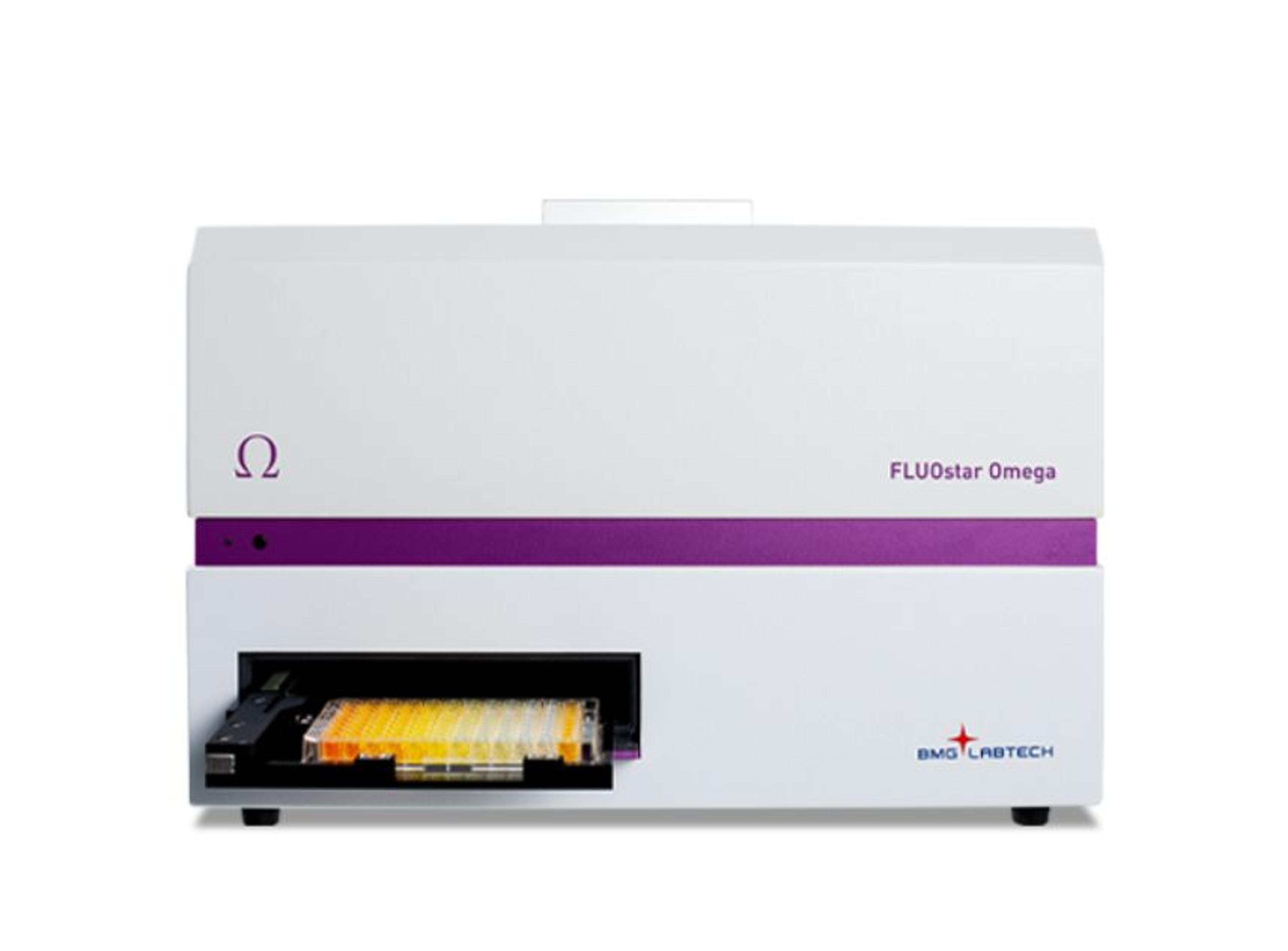
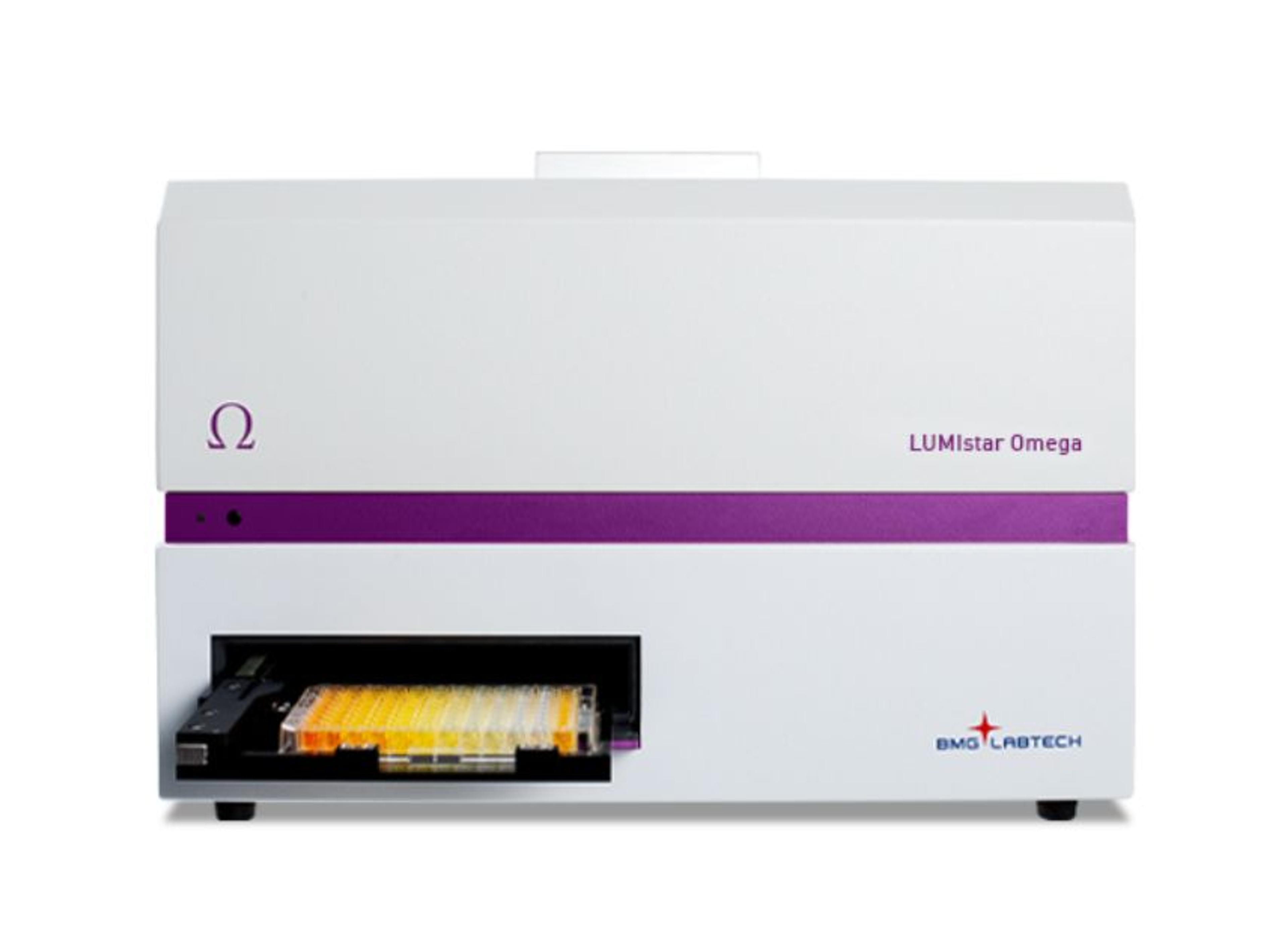
BMG LABTECH to present the Omega-series at LabAutomation2008

7 Jan 2008

Product news

BMG LABTECH GmbH, headquarted in Germany, has the reputation of being the technology leader in the microplate reader market. The company has a history of firsts in microplate reading technology. Now, BMG LABTECH offers the new Omega series, the world’s first multimode microplate readers with a UV/Vis spectrometer for absorbance measurements. Find out more at booth # 590 and meet your BMG LABTECH representative to talk about your assay needs.

The new Omega series of microplate readers is the first to offer up to five detection modes including high speed, full spectrum absorbance. New spectrometer technology allows full UV/Vis spectrum analysis from 220 to 850 nm at a resolution of 1 nm. A full absorbance spectrum can be measured in less than one second per well, which is dozens of times faster than any competing method.

Mark your calender for the “Assay Optimization and Kinase Profiling in µHTS Format Workshop” on Monday Jan. 28, 2008 to learn more about BMG LATBTECH´s micropleate readers and applications. Visit the article webpage to learn more.

Links

Tags

UV-Visible SpectroscopyUltraviolet-visible (UV-Vis) spectrophotometers are used to measure the interaction of UV and visible light with a sample, including transmission, reflectance & absorbance. The two major instrument classes are single-beam or double-beam spectrophotometers. More specialized equipment includes colorimeters, spectroradiometers and refractometers. Portable and microvolume spectrophotometers are also available. For the modular spectroscopy lab, explore a range of light sources for combination with a spectrograph/spectrometer and optics. Find the best UV-Vis spectroscopy products in our peer-reviewed product directory: compare products, check customer reviews and receive pricing direct from manufacturers.Microplate Readers / DetectorsMicroplate readers are used to automate the detection and analysis of labeled or label-free components in microplates during assays or live-cell monitoring. Microplate readers are generally distinguished by their mode of detection. Types include absorbance, luminescence, fluorescence intensity, fluorescence polarization, TRF / FRET and multimode microplate readers. Microplate readers deliver a high throughput of samples by reading multiple wells simultaneously, with the 96-well format the most commonly used. As a result, microplate readers are often used in the drug discovery, bioassays, research and pharmaceutical industries for screening applications. Microplate loading can also be automated, with robotic microplate stackers to increase throughput. Find the best microplate readers in our peer-reviewed product directory: compare products, check customer reviews and receive pricing direct from manufacturers.
BMG LABTECH to present the Omega-series at LabAutomation2008