Beckman Coulter launches its semi-quantitative SARS-CoV-2 IgG II antibody test

Access SARS-CoV-2 IgG II test is a semi-quantitative assay that measures patient’s relative level of antibodies in response to a previous SARS-CoV-2 infection

24 Nov 2020

Diane Li
Assistant Editor

Product news

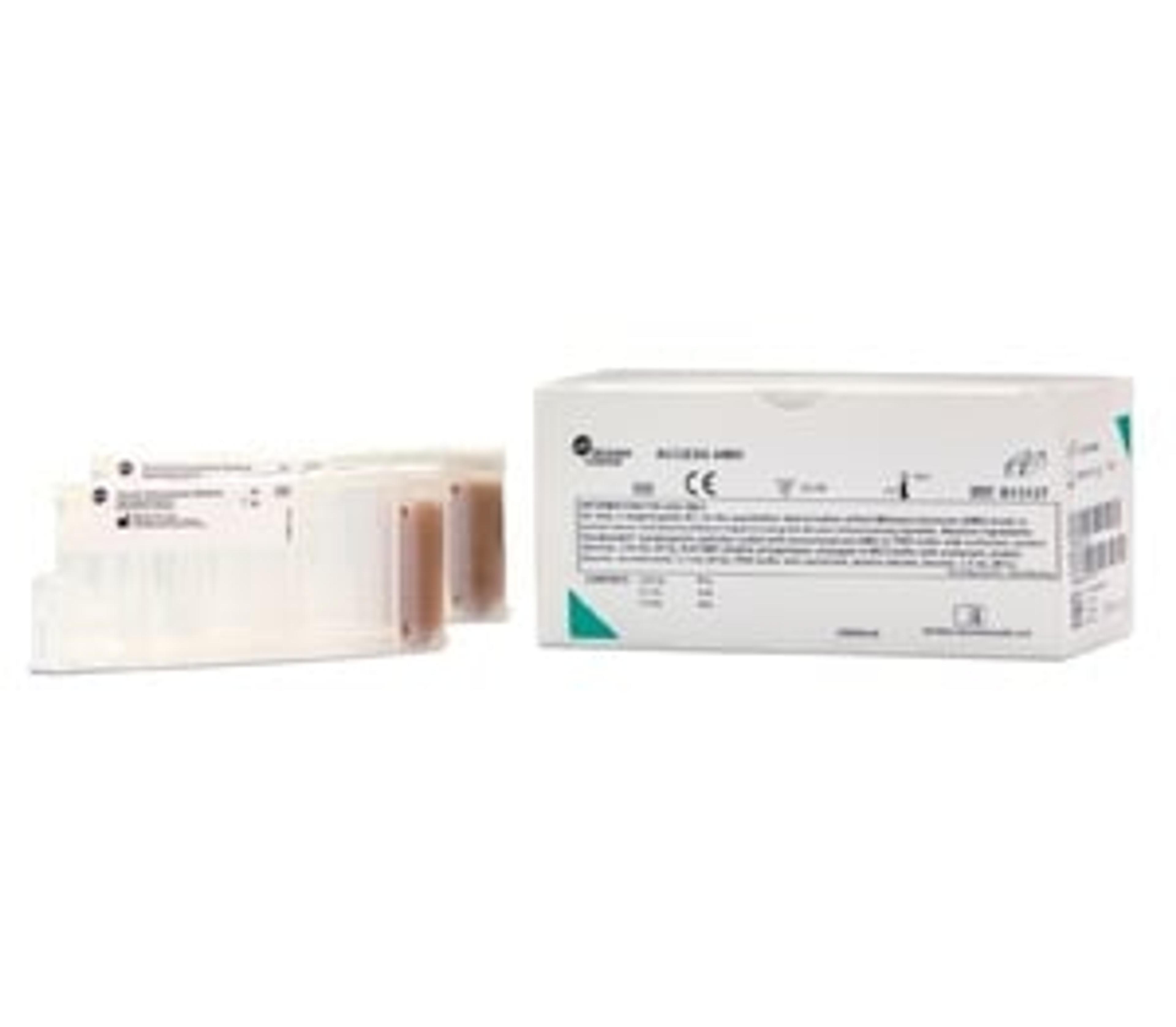
Beckman Coulter, a clinical diagnostics leader, has launched its Access SARS-CoV-2 IgG II assay that measures a patient’s relative level of antibodies in response to a previous SARS-CoV-2 infection. The new capabilities of this assay enable clinicians to establish a baseline to evaluate an individual’s immune response to the SARS-CoV-2 virus based on a numerical value and assess relative changes of an individual’s immune response to the virus over time. The assay may also help researchers as they begin to understand the levels of IgG antibodies needed to be considered protective.

The organization is filing for Emergency Use Authorization of the assay with the U.S. Food and Drug Administration (FDA) and will immediately begin shipping assays to its customer base throughout the U.S. under Policy D. Beckman Coulter is also planning to make the assay available to markets accepting the CE Mark before the end of the year.

“Having a clearer picture of the immune response to SARS-CoV-2 plays an important role in the fight against COVID-19, especially before a vaccine is widely available,” said Shamiram R. Feinglass, M.D., MPH, chief medical officer Beckman Coulter. “While it's unknown how long antibodies persist following infection, and if the presence of antibodies confers protective immunity, having a quantifiable baseline is a critical step towards furthering the understanding of the adaptive immune response to SARS-CoV-2 in individuals over time.”

Access SARS-CoV-2 IgG II semi-quantitative assay provides a numerical result in Arbitrary Units (AU) from 2.00- 450 AU/mL as well as a qualitative result and offers the same high level of quality as Beckman Coulter’s Access SARS-CoV-2 IgG and IgM serology tests already on the market. The assays use the receptor-binding domain (RBD) of the spike protein. Beckman Coulter selected the RBD of the spike protein as it is critical for viral entry into human cells and has been shown to be the target for neutralizing antibodies in a surrogate model. This selection is also aligned with the multiple vaccines in development that target or include the RBD of the spike protein, with the goal of producing protective antibodies.

The Access SARS-CoV-2 IgG II semi-quantitative assay is the latest addition to Beckman Coulter’s full suite of testing solutions designed to provide valuable information to clinicians in their fight against COVID-19. The next product expected from the organization is an automated SARS-CoV-2 antigen test which is currently under development. While point of care (POC) antigen tests have a purpose in diagnosing COVID-19, they are difficult and resource intensive to scale to address high volume testing needs. Beckman Coulter’s antigen test is being designed to provide ultimate flexibility in scaling to address the needs of small, moderately complex laboratories that operate a desktop analyzer, to large laboratories that implement automated, high-throughput analyzers for mass testing.

About the Access SARS-CoV-2 IgG II assay

The Access SARS-CoV-2 IgG II assay is a semi-quantitative and qualitative immunoassay that measures IgG antibodies directed to the receptor-binding domain of the spike protein of the novel coronavirus in response to a previous infection. The assay then provides a numerical result ranging from 2.00-450/mL as well as a qualitative result for SARS-CoV-2 IgG antibodies.

The test has a confirmed 96.0% positive percent agreement (PPA, sensitivity) at 8-14 days post symptom onset and 99.9% negative percent agreement (NPA, specificity) evaluated in a study with 1,448 samples from donors in the U.S.A. and France collected prior to December 2019. With this high NPA rate, false positive results are extremely low to ensure accurate and reliable test results. It uses immobilized virus antigens on magnetic particles to capture IgG antibodies from patient serum or plasma samples and reveals them using labelled anti-IgG antibodies.

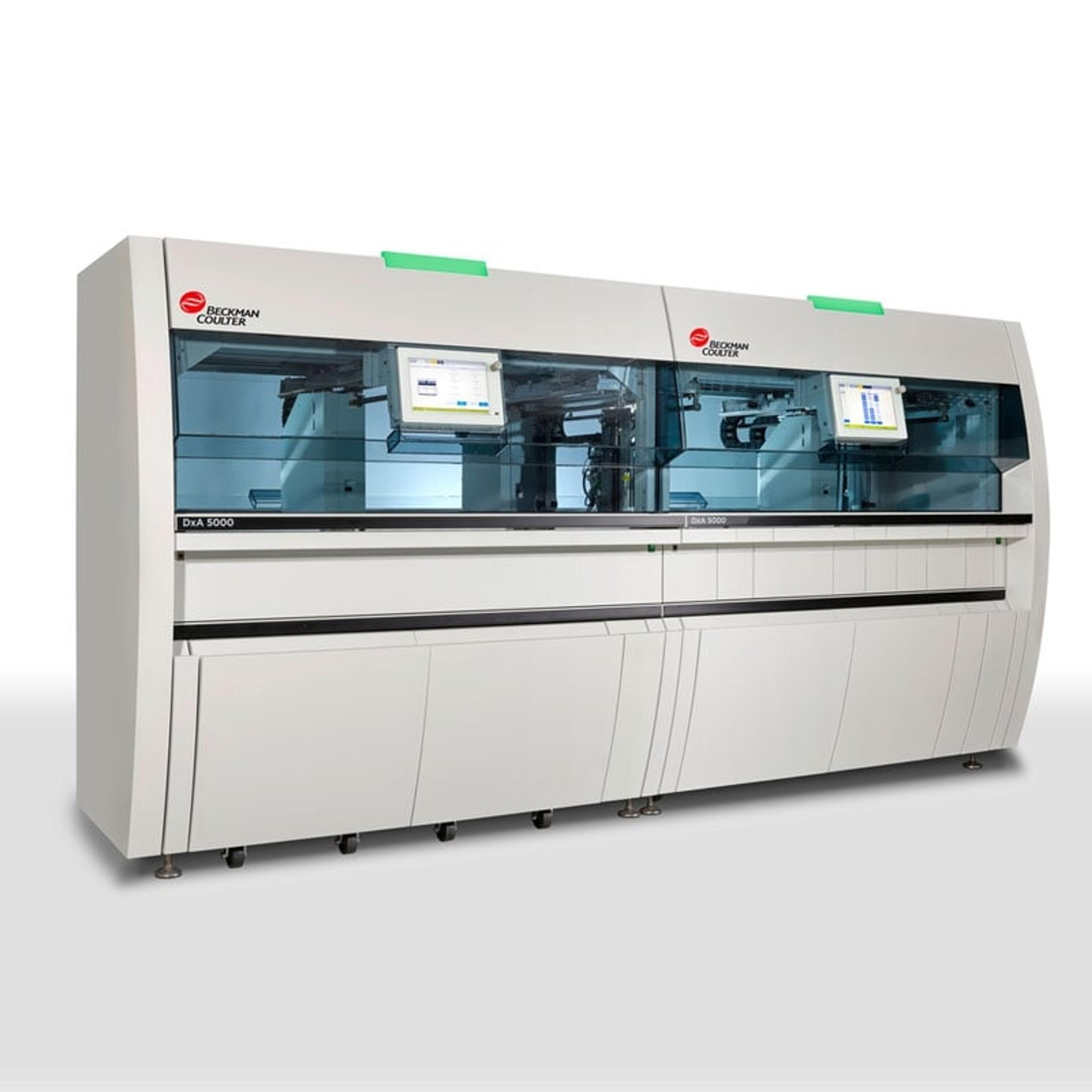
The Access SARS-CoV-2 IgG II assay can be used can be used in Random Access Mode (RAM) and seamlessly integrated into existing workflows without batch processing. Results of the new Access SARS-CoV-2 IgG II test are delivered quickly on Beckman Coulter’s award-winning immunoassay analyzers, including the DxI 800 high-throughput analyzer, which is capable of processing 200 samples per hour. For more information on Beckman Coulter’s full suite of testing solutions or its commitment to the fight against COVID-19, visit www.BeckmanCoulter.com/Coronavirus.

Do you use Beckman Coulter products in your lab? Write a review today for your chance to win a $400 Amazon gift card>>

Links

Tags

AntibodiesAntibodies are used in techniques such as confocal and fluorescence microscopy, flow cytometry, ELISA, ELISPOT, immunohistochemistry, western blotting and immunopreciptation. Select specific antigen reactivity, high specific affinity, low non-specific binding, monoclonal or polyclonal, primary or secondary antibodies and associated conjugates such as an enzyme or dye for visualization.Cell Adhesion AssaysCell adhesion assays are used to quantitate attachment and analyze the molecular mechanisms for extracellular matrix adhesion, cell migration and sensitivity to inhibitors. Find the best cell adhesion assay equipment in our peer-reviewed product directory: compare products, check customer reviews and receive pricing direct from manufacturers.Combinatorial ChemistryCombinatorial chemistry, also known as combichem, is a technique used in drug discovery to create libraries of structurally related compounds. A library is generated by synthesis with a chemical reactor system or by computer-based modeling of compound combinations. When undertaking combinatorial chemistry consider reagents, buffers, resins and standards.Data AnalysisData analysis hardware and software is available to make data processing straight-forward yet powerful. Data software can be used for math and stats, technical graphing and image analysis. In addition, software is available for specific data analysis of electrophoresis, densitometry, ELISA and DNA sequencing.ImmunologyImmunological techniques measure and characterize immune responses. Immunology kits and analysis systems often use techniques such as ELISA, radioimmunoassay (RIA) and immunodiffusion assays, Immunohistochemistry, and flow cytometry. Immunologists use equipment such as flow Cytometers, plate readers, plate washers and fluorescent microscopes.Cellular PathologyCellular Pathology deals with the microscopic analysis of tissue samples and cells. Sample preparation and processing includes fixation, staining, sectioning and slide mounting, using equipment such microtomes and cryostats. In choosing immunohistochemistry and immunocytochemistry kits, consider chromogens, staining method, antibodies, microscopes and imaging.Cell-Based AssaysCell-based assays are used to monitor the presence, quantity and activities of a desired cellular analyte including drug molecules or biomarkers. This can reveal information on cell health (apoptosis, cytotoxicity, viability and proliferation assays), cell metabolism, cell migration and cell signaling mechanisms. Find the best cell-based assay products, kits and equipment with our peer reviewed product directory: compare products, check customer reviews and receiving pricing direct from manufacturers.Biopharmaceutical AdvancesBiopharmaceutical advances follow the development of pharmaceuticals derived from biotechnology, also known as biotechnology medicines. Biopharmaceuticals may be produced from cell lines, plants, or microbial cells. Important considerations of biopharmaceutical use include application, cost, production process and purification.Clinical ChemistryBiochemistry (or clinical chemistry) involves the analysis of bodily fluids using chemical tests. Techniques used include HPLC, chromatography, spectroscopy, mass spectrometry, immunochemical, electrophoresis, turbidometric / spectrophotometric assay, MRI and ISE analysis. Tests are often carried out on plasma or serum but urine (urinalysis) and fecal specimens are also processed.Clinical GeneticsMolecular Genetics covers the analysis of hereditary genetic disease and chromosomal abnormalities. Genetics can be analysed using DNA, RNA, and protein microarrays, PCR, RT PCR and DNA sequencing. Genetic equipment includes genetic workstations, thermal cyclers, cooling blocks and electrophoresis products. Diagnostic kits are used for DNA / RNA extraction and purification.Clinical MicrobiologyMicrobiology is the study of microorganisms including protists, prokaryotes, fungi, and, often, viruses. Microorganisms are a useful research tool as genetic vectors and, in immunology, for antibiotic susceptibility testing, cellular biology and genetics. Microorganisms commonly grow readily in incubators with microbial culture media; this can contain chromogenic supplements to differentiate between cell lines. Estimate your culture’s density of microorganisms with colony counters, or screen and select colonies for desirable clones with automated colony pickers. Additionally, equipment is available to monitor environments for the presence of microbes and identify with microbial identification instruments. Find the best microbiology products in our peer-reviewed product directory: compare products, check customer reviews and receive pricing direct from manufacturers.Drug DeliveryDrug Delivery refers to dosage form, route of administration, formulations, technologies, and systems for transporting a pharmaceutical compound in the body as needed to safely achieve its desired therapeutic effect. Drug delivery is often approached via the biopharmaceutical or small molecule drug's formulation, but it may also involve medical devices or drug-device combination products. Considerations include instrumentation, software and services. RegulatoryPharmaceutical regulations impact on all areas of drug development, manufacture and control and supply. Services are provided from the early stages of drug development and clinical trials through to dossier submission, approval and marketing. Regulatory also includes submission of analytical studies from the pharmaceutical product and safety. Respiratory InfectionsRespiratory infections are caused by pathogens such as bacteria, viruses, and fungi, leading to diseases like pneumonia, tuberculosis, and COVID-19. It is important to identify respiratory infections quickly in patients to ensure appropriate treatment and care, and to prevent sepsis. Browse our peer-reviewed product directory to find the best tools for respiratory infection detection, compare products, check reviews, and get pricing directly from manufacturers.Assay DevelopmentThe process of proving an assay to be sensitive with respect to the target is known as assay development. The assay should be able to characterize novel compounds and measure the potency of these compounds against a validated biological target.