
Balancing quality, efficiency and compassion in the AI enabled laboratory
Irena Ivanova explores the potential of artificial intelligence to strengthen laboratory quality, efficiency and access to care while preserving human oversight and compassion
30 Sept 2026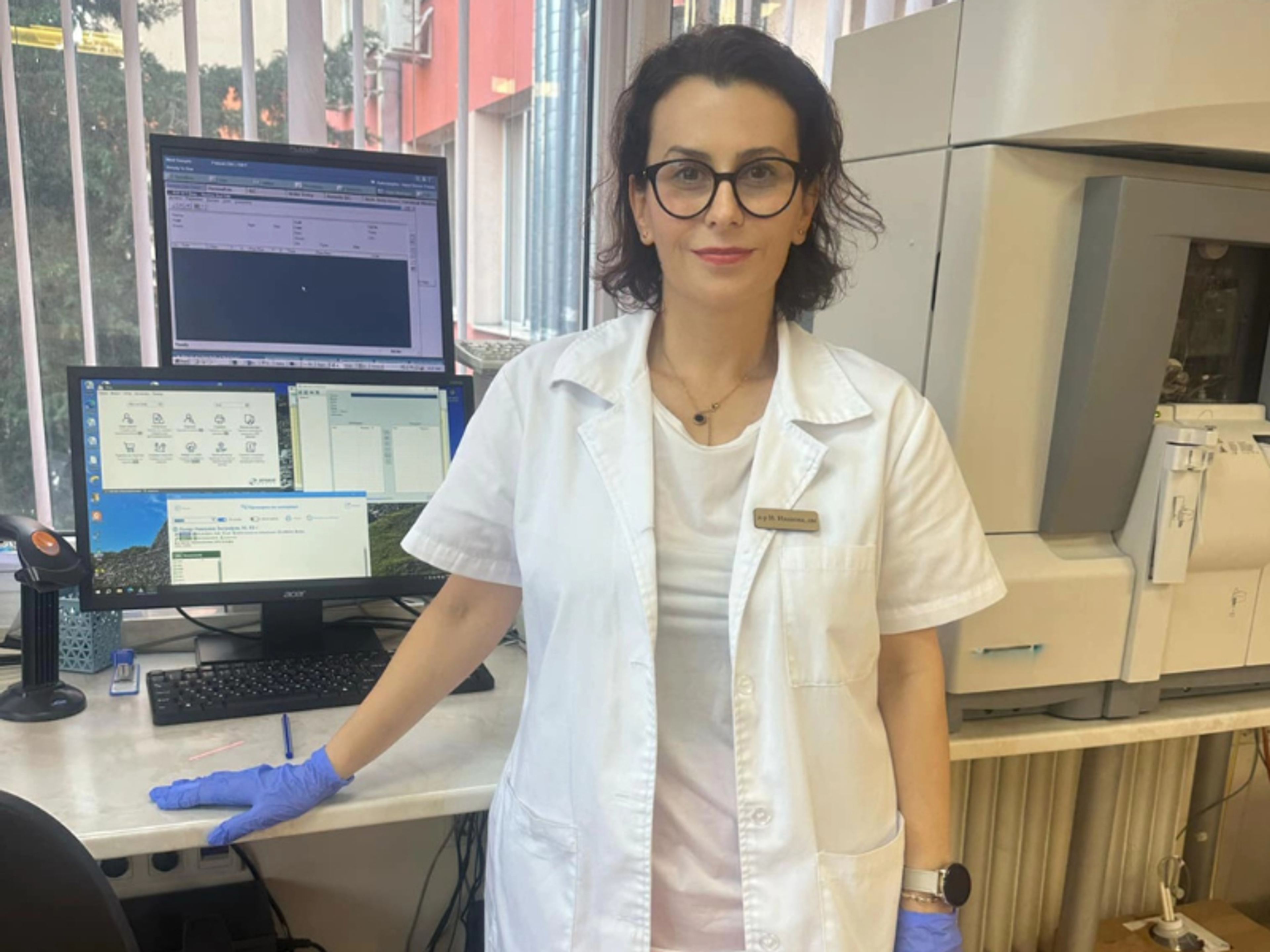
As clinical laboratories face rising workloads, constrained budgets and persistent staffing pressures, artificial intelligence is emerging as a potentially valuable tool for improving efficiency and supporting decision-making. In this interview, Sonia Nicholas, managing editor of SelectScience, speaks with Irena Ivanova, head of clinical laboratory at University Hospital "St. Ivan Rilski", Sofia, Bulgaria. Ivanova discusses where laboratories should begin, the applications she finds most promising and the safeguards needed to ensure that innovation continues to serve both professionals and patients.
How can AI help laboratories address staffing shortages without compromising quality and oversight?
II: I have a positive view of applying artificial intelligence in medicine, especially in laboratory medicine. AI tools are valuable for quality control assessment because they can process far more data than humans. AI also accelerates analysis and helps identify subtle trends that might otherwise go unnoticed. This approach enables improved control, data-driven error tracking, faster control evaluation, and personalized information. All such activities must comply with relevant work norms and standards.
Where should laboratories with limited budgets and expertise begin?
II: The first AI-related investment in this context would be a quality-control tool, along with the supply of reagents and consumables. Assess the required quantities and types of tests based on the season and epidemiological situation, and monitor availability and budget balance to optimize spending.
AI-related tools can likely serve not only as effective medical "advisors" but also as business analysts, helping maintain an optimal balance in healthcare professionals' activities. I don't want us to forget that the medical profession, along with professionalism, is also a way of behaving and relating to patients.
Which AI applications are most exciting, and which raise the greatest concerns?
II: I'm interested in tools that would be in direct contact with patients - would patients prefer medical decisions to be made by them or would they prefer it to be a human!?
I am excited about whether AI can empathize with patients. My personal data, from a patient survey, show that about 10% of patients expect AI in medical practice to show empathy. Medical care is not only about the medical action itself, which is undoubtedly very important, but also about the relationship between people, and compassion is extremely important. This raises the question of communication between AI and people in general.
What worries me are the regulations related to the application of artificial intelligence and of course data security. Personal health data is sensitive information.
What AI-driven change could have the greatest impact on patient care over the next five years?
II: In my opinion, these are time and accessibility to medical services. The time for diagnosis will be shortened, and I would really like to think that medical care will be equally accessible to all people.
This interview is published as part of the 2026 global CLINICAL24 conversation.