Advance your research into the pathogenesis, diagnosis, and treatment of cancer

Explore our exclusive interviews and free resources to help support your cancer research, diagnostics, and therapy development

17 Mar 2021

Charlie Carter
Life Sciences Editor

Editorial article

Top resources in cancer research

For this new special feature, we’ve pulled together a selection of the top new resources to support and advance your work in cancer research. Find out how live-cell imaging is accelerating the discovery of novel cancer therapies, discover the innovative microfluidic technology enhancing cancer diagnostics, explore the LC/MS metabolomics-based approaches elucidating cancer pathogenesis, and much more.
Revolutionary insight into cancer hallmarks

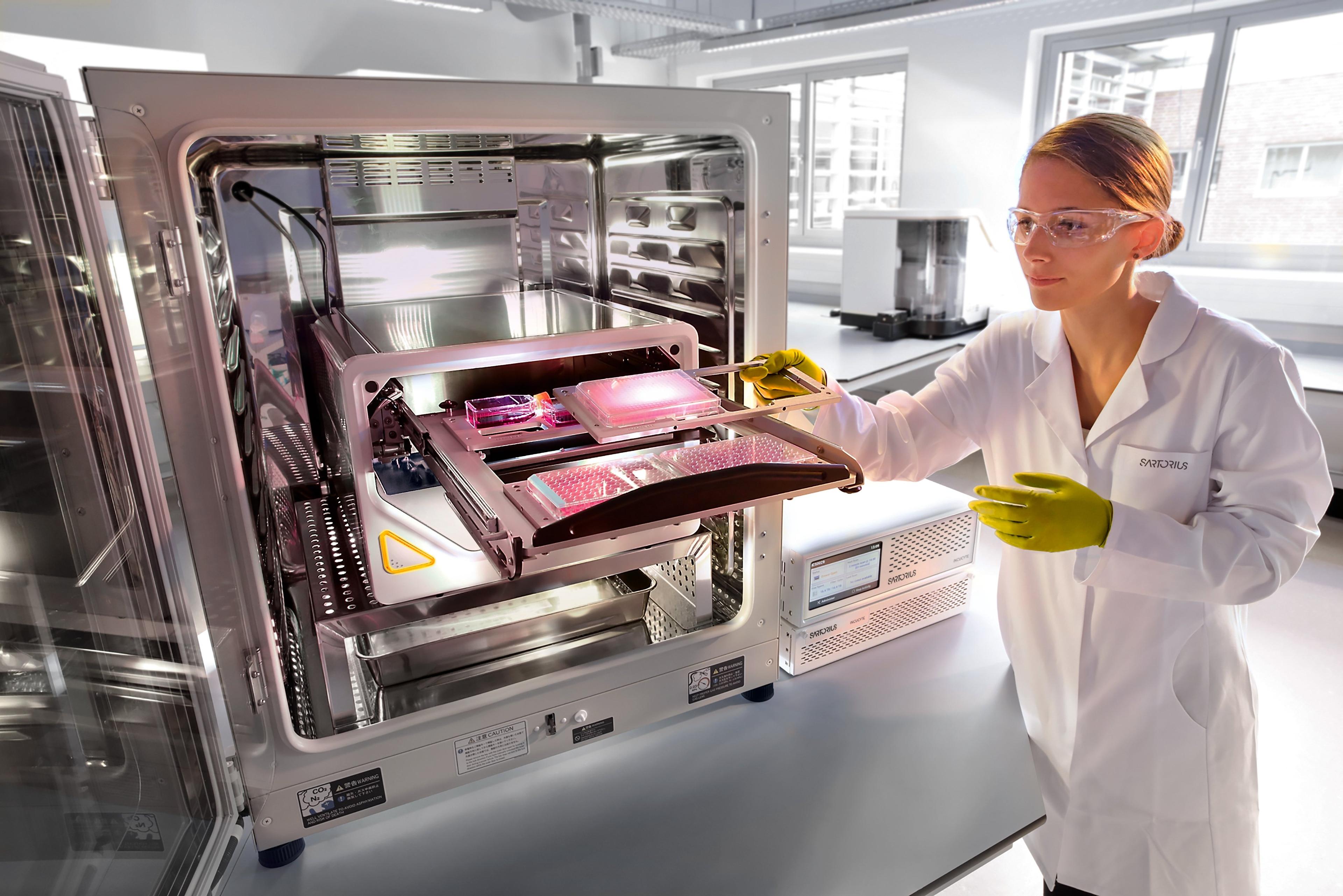
Find out how real-time live-cell imaging and analysis, using Incucyte® Live-Cell Analysis Systems from Sartorius, is playing a major role in the elucidation of cancer biology and the evaluation of potential therapeutics.
Download info

Ultra-rapid and flexible IHC/IF staining made easy

Discover LabSat® Research from Epredia, an automated staining platform based on innovative microfluidic technology that delivers fast, precise, and reproducible staining cycles to enhance your cancer research.

Watch video

Uncover tumor microenvironment secrets with metabolomics

Dr. Chris Halbrook discusses his work using LC/MS metabolomics-based approaches to help manage pancreatic cancer pathogenesis and ultimately improve patient welfare.
Virtual Cancer and Immunology Research Summit

Book your place at the SelectScience Virtual Cancer and Immunology Research Summit 2021 for free access to expert presentations, live Q&As, virtual resources hubs, and dedicated networking sessions.
Register here

Decoding cancer pathogenesis and overcoming drug resistance

Dr. Komal Kumar Javarappa shares insights from the multidisciplinary forefront of immuno-oncology, where translational biologists race against time to optimize new cancer therapies.
Read article

Essential user guide to live-cell analysis

Discover the best live-cell imaging technologies available, as recommended by researchers in the field, and find out more about its application in cancer research.

Download eBook

Discover the scientists advancing cancer research on The Scientists' Channel
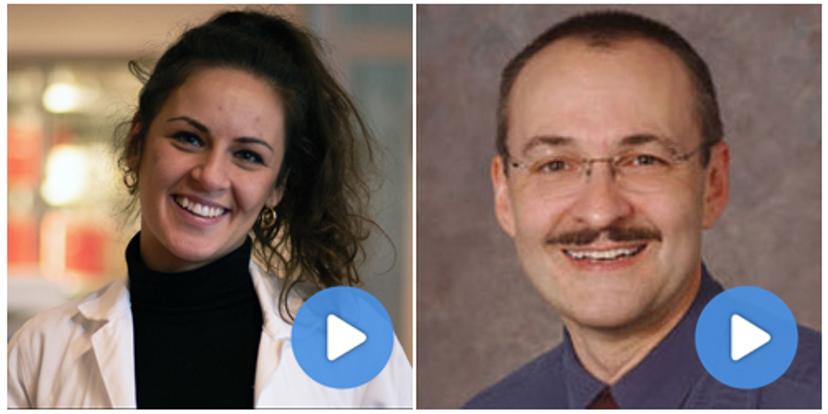
Hear from cancer research experts such as Dr. Aleksandra Dukic and Dr. Gerhard Bauer on The Scientists' Channel
  • Limiting glioblastoma invasion in the brain: Dr. Aleksandra Dukic, postdoctoral researcher at the Institute for Cancer Research, Oslo University Hospital, discusses how she is investigating novel gap junction inhibitors for use in sensitizing glioblastoma cells to chemotherapy. Watch here >>
  • The incubation technology accelerating CAR-T cell therapy development: Dr. Gerhard Bauer, Professor of Hematology and Oncology and Director of the GMP lab at the UC Davis Institute, reveals the secrets to success in his work on the production of CAR-T cells. Watch here >>

More resources for cancer research

  • Metabolomics for cancer research: In this free webinar, Dr. Mattia Zampieri will outline the role of large-scale profiling in the study of aberrant transcriptional regulation and cancer metabolic rewiring. Register now>>
  • CAR-T cell therapy workflow solutions: Optimize your CAR-T cell therapy workflows with this how-to guide, including guidance on in vitro assays, sample preparation, CAR construct delivery, and QC. Download eBook>>
  • PARP inhibitors: A new frontier in the battle against cervical cancer: Dr. Santu Saha shares his team’s groundbreaking work to develop improved cancer treatments that avoid the side effects of traditional chemotherapy. Read article>>
  • SelectScience Drug Discovery & Development Webinar Series: In this series of webinars, discover the latest techniques and technologies helping researchers advance their drug discovery and development workflows. Learn more>>
  • Next-generation sequencing cancer solution: In this application note, Agilent outlines NGS reagents and software to help identify and characterize genes of interest in cancer. Download method>>

Your recommendations

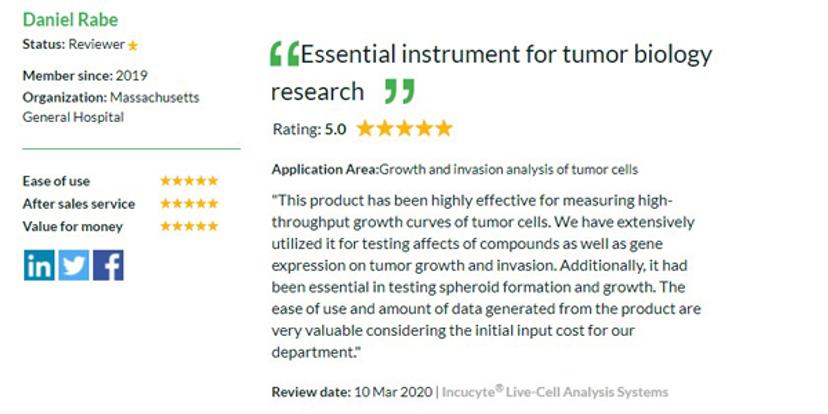
Take a look at what other researchers and scientists all over the world are saying about the latest equipment and technologies in cancer research. Dr. Daniel Rabe, from Massachusetts General Hospital, shared his opinion on the Incucyte® Live-Cell Analysis System from Sartorius:
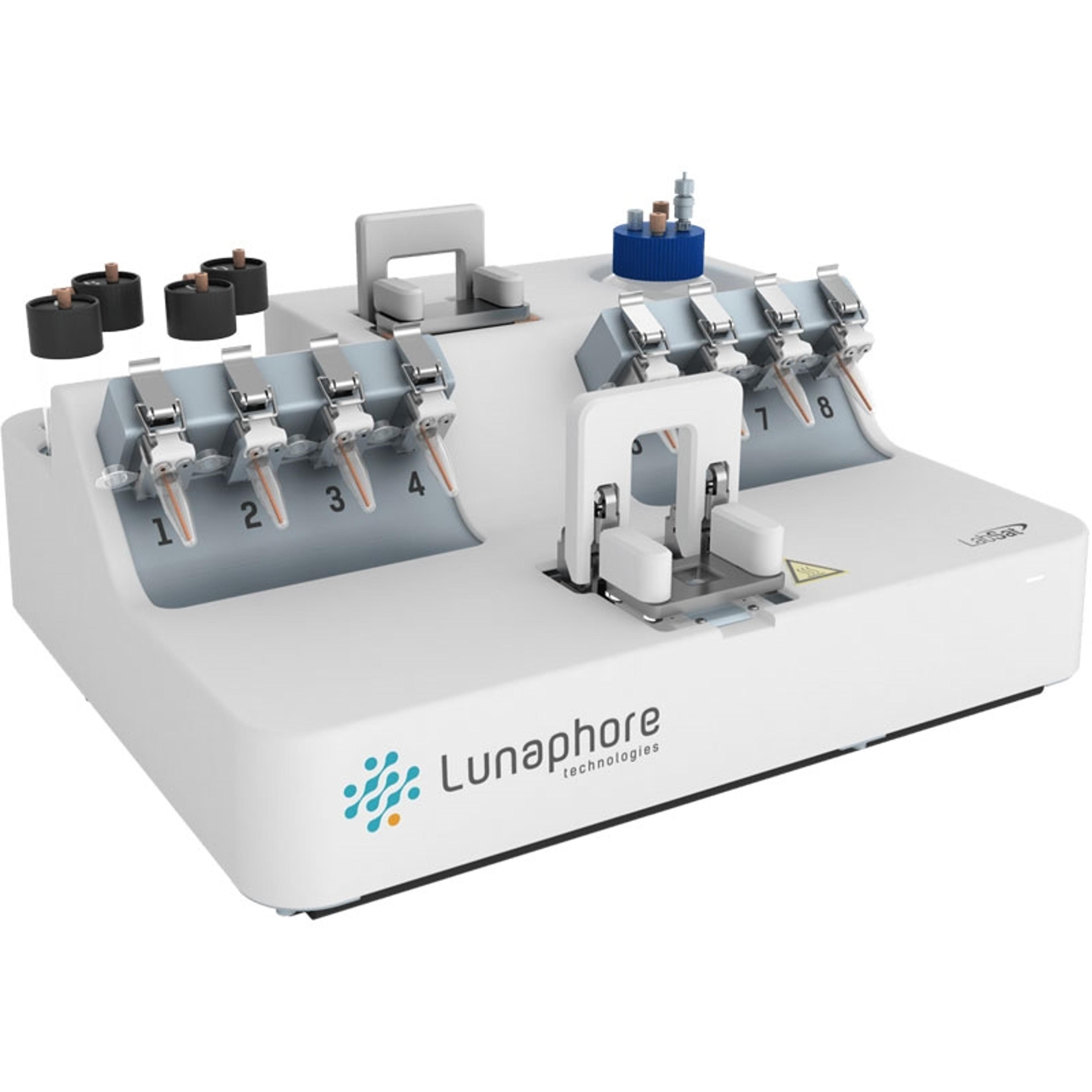
LabSat® Research

Epredia

Introducing LabSat® Research by Lunaphore, a flexible IHC/IF staining solution for the research lab
(0)

Links

Tags

ProteomicsProteomics is the systemic bioinformatics study of proteins and amino acids, including their structure, size, function and identification. Tools used in proteomics include chromatography, blotting and gels, protein arrays, mass spectrometry and ELISA and associated analysis software. Analyzers and proteomic systems should be sensitive, high resolution, fast and may be automated for high-throughput.Cell Lines Stem Cells and Primary CellsPrimary cell cultures, established cell lines and stem cells are vital for <i>in vitro</i> and <i>ex vivo</i> experimentation. High-quality cells, optimized for your applications, alongside optimized cell substrates, growth medium and supplements, are critical for experimental success. Explore a range of cells suitable for your applications, including isogenic cell lines, competent cells, induced pluripotent stem cell (iPSC)-derived cell lines, fungal/bacterial/mammalian cell lines, stem cells and cancer cell lines. Find the best cells for your research in our peer-reviewed product directory: compare products, check customer reviews and receive pricing direct from manufacturers.HematologyIn Haematology / Hematology, complete blood cell counts (or full blood counts) are obtained using automated blood count analyzers to enumerate blood cell types.  Hematology also encompasses haemostasis and coagulation, thrombophilia and hemophilia, plasma viscosity and ESR analysis, hemoglobinopathies, cell morphology and haematinic measurement.ImmunologyImmunological techniques measure and characterize immune responses. Immunology kits and analysis systems often use techniques such as ELISA, radioimmunoassay (RIA) and immunodiffusion assays, Immunohistochemistry, and flow cytometry. Immunologists use equipment such as flow Cytometers, plate readers, plate washers and fluorescent microscopes.Cellular PathologyCellular Pathology deals with the microscopic analysis of tissue samples and cells. Sample preparation and processing includes fixation, staining, sectioning and slide mounting, using equipment such microtomes and cryostats. In choosing immunohistochemistry and immunocytochemistry kits, consider chromogens, staining method, antibodies, microscopes and imaging.DNA SequencingDNA sequencing, such as sanger sequencing, is a biological technique that determines the precise order of nucleotide bases in a fragment or template of DNA. DNA sequencers and genetic analyzers are based on capillary electrophoresis, where labeled DNA fragments are electrophoretically separated by size as they migrate through a polymer. Find the best DNA sequencing products, including DNA sequencing kits, genomic libraries and genetic identity kits in our peer-reviewed product directory: compare products, check customer reviews and receive pricing direct from manufacturers.In Vivo Imaging Systems<i>In vivo</i> imaging systems, including pre-clinical imaging systems and medical imaging systems are used to non-invasively visualize and capture images of live animals and plants. Monitor the natural processes or diseases of your subjects using small-animal pre-clinical imaging systems, including single photon positron emission tomography (SPECT), positron emission tomography (PET), computed tomography (micro-CT), magnetic resonance imaging (MRI), X-ray radiography, ultrasound, fluorescence and bioluminescence imagers. Multimodal systems and software solutions are also available for correlative analysis of organ, tissue, cell, or molecular-level processes. Find the best in vivo imaging products in our peer-reviewed product directory: compare products, check customer reviews and receive pricing direct from manufacturers.Next Generation SequencingNext-generation sequencing (NGS), also known as whole-genome sequencing, high-throughput sequencing and massive parallel sequencing, produces and analyses thousands to millions of nucleotide sequences at once. Sequencing systems operate via varying technologies depending on the manufacturer, including sequencing by synthesis, ligation, pyrosequencing, ion semiconductor and single-molecule real-time sequencing. For NGS, library preparation is paramount to successful sequencing. In this section, explore a range of library preparation kits, from targeted, amplicon-based or hybridization-based kits including epigenomic, transcriptomic and genomic workflows to fragmentation kits. Find the best next-generation sequencing products in our peer-reviewed product directory: compare products, check customer reviews and receive pricing direct from manufacturers.Colorectal CancerCancer CellsCancer cells are abnormal cells that divide uncontrollably, leading to the formation of tumors and the spread of cancer. Studying cancer cells is crucial for developing new treatments and understanding tumor biology. Explore cancer cell research products in our peer-reviewed product directory; compare products, check reviews, and get pricing directly from manufacturers.Cancer DiagnosticsThere are a wide variety of diagnostic tests for cancer available, and this range continues to expand as our knowledge of cancer improves. Current diagnostic methods include biopsy, imaging and blood tests for known biomarkers. New methods in research development include liquid biopsies and cancer breathalyzers.Ovarian CancerCell AnalysisThe analysis of cells allows researchers to understand the factors which contribute to cell health and function. These influencing processes can then be predicted and altered, leading to the development of medication and disease treatments.Stem Cell ResearchStem cells have the ability to produce identical daughter cells as well as progeny, which commit and differentiate. Stem cell research has exciting prospects of biomedical applications in cellular disease modeling, pharmaceutical screening, and regenerative medicine. Lung CancerLung cancer is a leading cause of cancer-related deaths worldwide, often diagnosed at an advanced stage. Research focuses on early detection, targeted therapies, and personalized treatment strategies. Explore lung cancer research and diagnostic products in our peer-reviewed product directory; compare products, check reviews, and get pricing directly from manufacturers.