
Find out how metabolomics-based approaches are revealing tumor microenvironment secrets
Dr. Chris Halbrook discusses how his team are exploring new methods to combat pancreatic cancer
17 Mar 2021
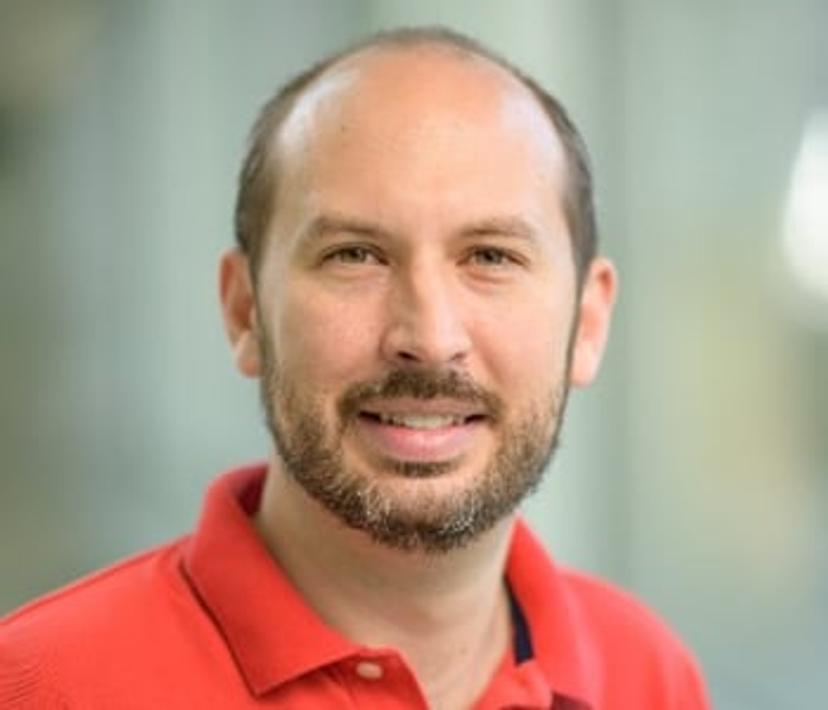
Improving cancer survival rates is the ultimate goal for all oncologists, especially for those focusing on pancreatic cancer research. With mortality rates ranging from 5-10% within the first five years of diagnosis, early diagnosis and novel therapies are paramount for the future treatment and management of this disease.
In this article, we speak with Dr. Chris Halbrook, assistant professor in the Department of Molecular Biology and Biochemistry at University of California, Irvine (UCI) and speaker at the SelectScience® Virtual Cancer and Immunology Research Summit in May 2021, about his work to identify mechanisms through LC/MS metabolomics-based approaches to help manage pancreatic cancer pathogenesis and ultimately improve patient welfare.
What are the overall goals for your research into pancreatic cancer?
CH: I originally started working in the pancreatic cancer field more through my choice of a Ph.D. mentor than the topic itself. However, once I became exposed to how desperate the need is to improve the outlook for patients diagnosed with this disease, I have never thought about changing my focus. Ultimately, my goal is to uncover new tools to turn pancreatic ductal adenocarcinoma into a manageable disease instead of a grim prognosis.
What are the intended impacts of this work on research, the clinic, and patients?
CH: Currently, my research is aimed at two different but related goals. The first is to find mechanisms to improve the approaches we are already using in the clinic, so that they are effective in treating and managing the disease. Secondly, we are looking to identify new avenues by which we can target pancreatic cancer cells or enable the immune system to eliminate them.
What are the current challenges you are facing with your work?
CH: Pancreatic cancer is a particularly difficult disease to study because of the immensely complex tumor microenvironment. The cancer cells themselves are typically outnumbered by diverse populations of fibroblasts and immune cells, each of which offers a different challenge to the treatment of the disease.
What techniques do you use in your work?
CH: Much of our latest focus has been on cell metabolism in the tumor microenvironment, and accordingly we have been leaning heavily on LC/MS metabolomics-based approaches. We have also been utilizing co-cultures to look at metabolic crosstalk interactions and have found labeled live-imaging approaches to look at how specific cells react in a mixed population to be very informative.
What do you see for the future of cancer research?
CH: Like many, I think the best approaches to targeting malignant cancer cells will be through methods that enable the host immune system to do what it is meant to do. Pancreatic cancer is a good example of a tumor that has proven hard to eliminate through targeted therapy approaches, although the current advances in organoid screening and personalized medicine might soon be able to change this for the better.
Why are you getting involved in the upcoming Cancer & Immunology Research Summit?
CH: I view this summit as a great forum to share the research advances of my group with an audience of wide-ranging interests and have the opportunity to see other groundbreaking work. Much of the success I have had in my career has come through collaborative efforts, and I certainly expect this summit to lead to some exciting new ideas and interactions.
Find the latest cancer research resources, methods, and techniques in our cancer research special feature>>
Register for the SelectScience® Cancer & Immunology Research Summit 2021 today>>