7 Popular Cancer Research Applications

Discover seven applications to improve your cancer research methods

27 Apr 2015
David Perrett
Other (please specify)

Editorial article

Discover these seven applications to improve your cancer research methods

1. Phenotypic and Epigenetic Mechanism of Action Determinations of Histone Methylase and Demethylase Inhibitors Using Digital Widefield Microscopy – BioTek

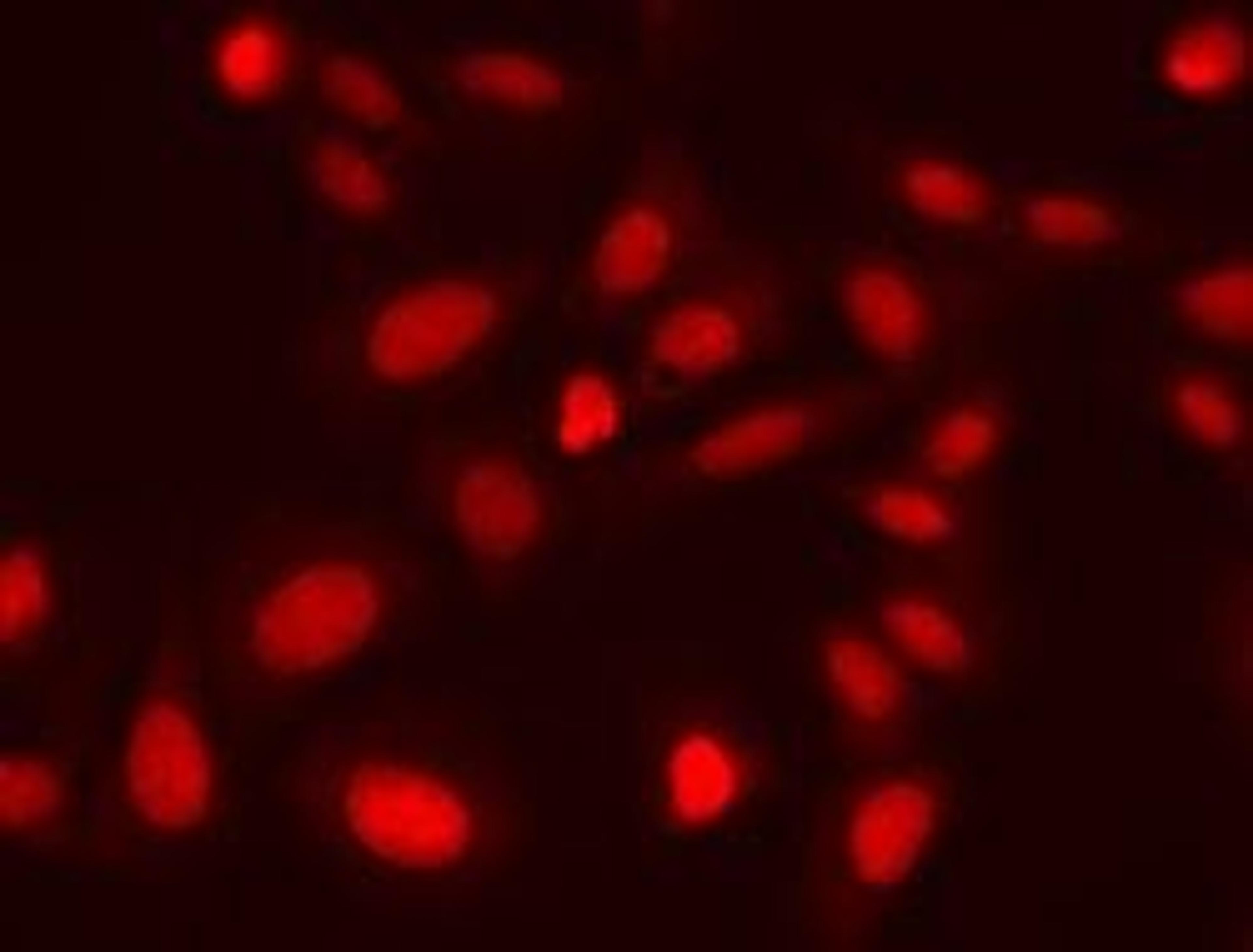
This poster demonstrates monitoring of the effect of histone methylase and demethylase inhibitors that selectively induce apoptosis in cancer cell lines. Induction of apoptosis was monitored using fluorescent probes, while the photoproteins allowed differentiation of the final cytotoxic effect on the two cell types in the co-culture. All assessments were made via digital microscopy using the Cytation™ 5 cell imaging multi-mode reader.

2. Total RNA Extraction from Cartilage Tumors – Bertin Technologies

Precellys Dual is specialized in extraction of nucleic acids from tumoral tissues intended to be analyzed by microarray and sequencing. This application note describes a method for the extraction of RNA from cartilage tumors using the Precellys Dual.

3. DRAQ7™, a Unique Far-Red Viability Dye Used as a Measurement of Cell Viability in Patient-Derived Glioblastoma Stem Cells – Biostatus

Reliably assay cell health in 2D or 3D at end-point or in real-time using BioStatus’s far-red cell viability probe, DRAQ7™. This application note demonstrates the use of DRAQ7 for the analysis of patient-derived glioblastoma stem cells cultures for personalised medicine.

4. Evaluation of the Spark™ 10M’s Cell Counting Module Performance – Tecan

It is important to choose a cell counting method which combines accuracy and efficiency. This application note compares cell counting on the Spark 10M multimode microplate reader with other approaches including manual cell counting and other imaging-based devices. Results demonstrate that the Spark 10M reader offers efficient and accurate cell counting for a broad range of cell concentrations.

5. Droplet Digital™ PCR: Multiplex Detection of KRAS Mutations in Formalin-Fixed, Paraffin-Embedded Colorectal Cancer Samples – Bio-Rad

KRAS is mutated in approximately 40% of colorectal cancers. To optimize therapy strategies for personalized care, it is critical to rapidly screen patient samples for the presence of multiple KRAS mutations. This application note demonstrates a multiplexing strategy which has been developed to screen seven actionable KRAS mutations in colorectal cancer samples using digital PCR. This sensitive and inexpensive method reduces the risk of contamination and can be easily implemented for rapid, routine screening of cancer samples.

6. Determination of Quantitative Protein Signatures for Ductal Carcinoma (Breast Cancer) by LC/MS Proteome Analysis – Waters

In this study, a comprehensive MS-based discovery strategy is applied for a polygenic disease. The method employs the separation and detection of non-labelled tryptic fragments by means of an LC/MS acquisition. Instrumentation used included the Waters Expression High Definition Proteomics System, made up of the nanoACQUITY UPLC System and the Q-Tof Premier Mass Spectrometer.

7. Pathway-Targeted Metabolomic Analysis in Oral/Head and Neck Cancer Cells Using Ion Chromatography-Mass Spectrometry – Thermo Fisher Scientific

In this work, a high flow rate ion chromatography coupling with high-resolution, accurate-mass MS was utilized for targeted analysis of the TCA cycle intermediates to shorten the run time and increase throughput and robustness to accommodate the hundreds of samples typically analyzed in a targeted metabolomics project.

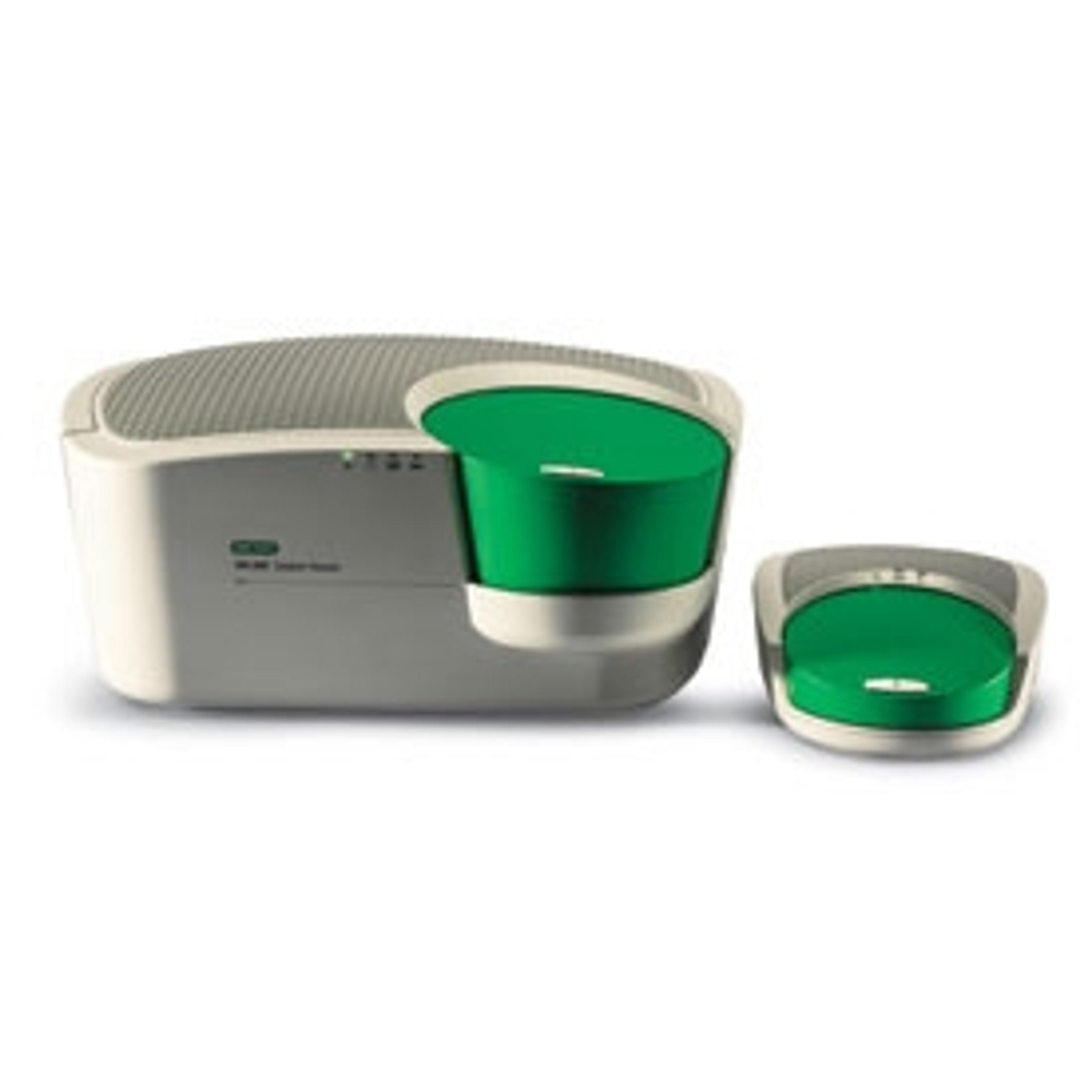
QX200™ Droplet Digital PCR System

Bio-Rad

Droplet Digital PCR System, includes droplet generator, droplet reader, laptop computer, software, associated component consumables, for EvaGreen or probe-based digital PCR applications

(31)

IdentityE High Definition Proteomics system

Waters

The Waters IdentityE High Definition Proteomics system defines the new standard for rigorous protein identification. The IdentityE High Definition Proteomics System is an UltraPerformance LC® (UPLC)/High-Bandwidth Mass Spectrometry (MS E) system solution suitable for confident protein identification designed to meet stringent requirements as outlined by leading scientific journals.The new Waters IdentityE High Definition Proteomics System catalogs complex protein digest mixtures containing tens of thousands of peptides. The system features a Waters nanoACQUITY® UPLC System for high chromatographic peak capacity and retention time reproducibility, together with an electrospray tandem mass spectrometer - Waters Q-Tof Premier™ or Waters Synapt HDMS system - for high dynamic mass resolution and consistent over-sampling of complex protein digests – two hallmarks of high definition proteomics. Waters comprehensive peptide ion accounting informatics mine deeper into UPLC/MS E data to identify more peptides/proteins with greater sequence coverage and statistical rigor than conventional LC/MS/MS methods. This system solution is fully supported with quality control standards, defined methods, training and support to ensure reproducible operation and consistent results.

(0)

Links

Tags

UHPLC and HPLCHigh performance liquid chromatography (HPLC) and ultra high performance liquid chromatography (UHPLC), also known as UPLC, are analytical techniques used to separate, identify and quantitate components of complex mixtures including biological samples such as proteins and lipids as well as chemical mixtures of pesticides, drugs and oils. Both techniques are liquid chromatographic methods but differ by operating pressures (HPLC < 6000 psi < UHPLC ). Components of HPLC and UHPLC systems include columns, detectors, pumps, autosamplers and column heaters. Explore a range of UHPLC and HPLC columns for your specific sample needs including reverse phase, normal phase, ion exchange, HILIC, ion exclusion and size exclusion columns. For more specialized HPLC, explore FPLC, countercurrent LC and simulated moving bed systems. Find the best UHPLC and HPLC equipment in our peer reviewed product directory: compare products, check customer reviews and receive pricing direct from manufacturers.Mass SpectrometryMass spectrometry (MS) is a powerful analytical technique used to identify and quantify molecules based on the mass-to-charge ratio of gas-phase ions. It provides detailed information about the structure, composition, and properties of compounds and is widely used across fields such as environmental monitoring, materials science, drug discovery and development, food and beverage testing, and wider chemical research. Key MS techniques include tandem mass spectrometry (MS/MS), liquid chromatography–mass spectrometry (LS-MS) and inductively coupled plasma (ICP-MS). Choosing from these wide range of techniques and technologies can be a daunting task, so keep up to date with scientific applications, performance expectations, and customer reviews here all in one place. Visit our product directory to receive quotes direct from the manufacturer. Flow Cytometry / Cell CountingFlow cytometers are used to count, sort and examine multiple characteristics of cells. Other cell analysis equipment includes image cytometers, cell counters, fluorescence-activated cell sorters (FACS), magnetic-activated cell sorters (MACS), and a range of flow cytometry assay kits. Flow cytometers can reveal information on cell viability, cell proliferation, apoptosis and cell cycle progression, as well as identify cell populations and intracellular or cell-surface molecules. Additionally, some flow cytometers, known as FACS, have an additional sorting function after analysis. Cell counters and image cytometers count live and dead cell populations and can also conduct cell proliferation assays. Find the best flow cytometers, cell counters and cell sorters in our peer-reviewed product directory: compare products, check customer reviews and receive pricing direct from manufacturers.DNA / RNA Extraction and PurificationPurified DNA and RNA are required for numerous downstream molecular biology applications. Consequently, the importance of high-quality DNA/RNA extraction and purification equipment cannot be underestimated. Many purification kits are available and are typically optimized for nucleic acid type and source, including plasmid DNA, genomic DNA, mRNA, RNA and viral nucleic acid purification kits. Automated extraction and purification of nucleic acids can be implemented with magnetic bead separator instruments or high-throughput purification workstations. Find the best DNA/RNA extraction and purification equipment in our peer-reviewed product directory: compare products, check customer reviews and receive pricing direct from manufacturers.Light MicroscopyLight microscopes or optical microscopes are used to visualize microscale objects under magnification, including cells, clinical specimens and materials. Lab equipment for light microscopy includes confocal microscopes, fluorescence microscopes, zoom and stereo microscopes. Microscope slides and imaging reagents are available for visualizing samples, as well as various microscope stages and incubators for large or temperature-sensitive samples. Find the best light microscopes in our peer-reviewed product directory: compare products, check customer reviews and receive pricing direct from manufacturers.Epigenetic AnalysisEpigenetic analysis products are used to study heritable phenotype changes that do not alter the DNA sequence, such as DNA modifications affecting gene activity. Determine whether genes have been methylated with DNA methylation quantification kits or methylation microarrays. Assess epigenetic regulation with histone modification kits or ChIP-on-chip microarrays. Kits are also available for bisulfite conversion and amplification of your samples, as well as epigenomic library preparation kits for next-generation sequencing (NGS). Find the best epigenetic products in our peer-reviewed product directory: compare products, check customer reviews and receive pricing direct from manufacturers.Cancer ResearchAlthough cancer is often referred to as a single condition, it actually consists of more than 100 different diseases. Microscopy, mass spectrometry, high throughput sequencing and flow cytometry are some of the most common techniques employed in cancer research labs.