
PCR/microplate sealing and peeling for high-throughput labs
19 May 2020PCR plates and microplates usually require a seal to prevent evaporation, which otherwise may alter sample concentrations and impair repeatability. However, as microplate throughput increases, so does the risk of associated hazards and constraints.
In this application eBook, we explore the key benefits of automating PCR, assay and compound storage plate sealing and peeling for medium to high-throughput laboratories, from reducing cross-contamination and reagent costs, to freeing up scientist time and mitigating risk of repetitive strain injury. Plus, read how automating these routine processes can transform emerging biotechnology companies in our scientist case study.
Learn about the impact of automation for medium- and high-throughput laboratories:
- The hazards and constraints of manual sealing and peeling
- Overcoming these hazards using automated sealing and peeling instrumentation
- Integrating automated plate sealing and peeling technology into your workflow
- Case study: Transforming emerging biotechnology laboratories
Related Products
Request Quote for All Products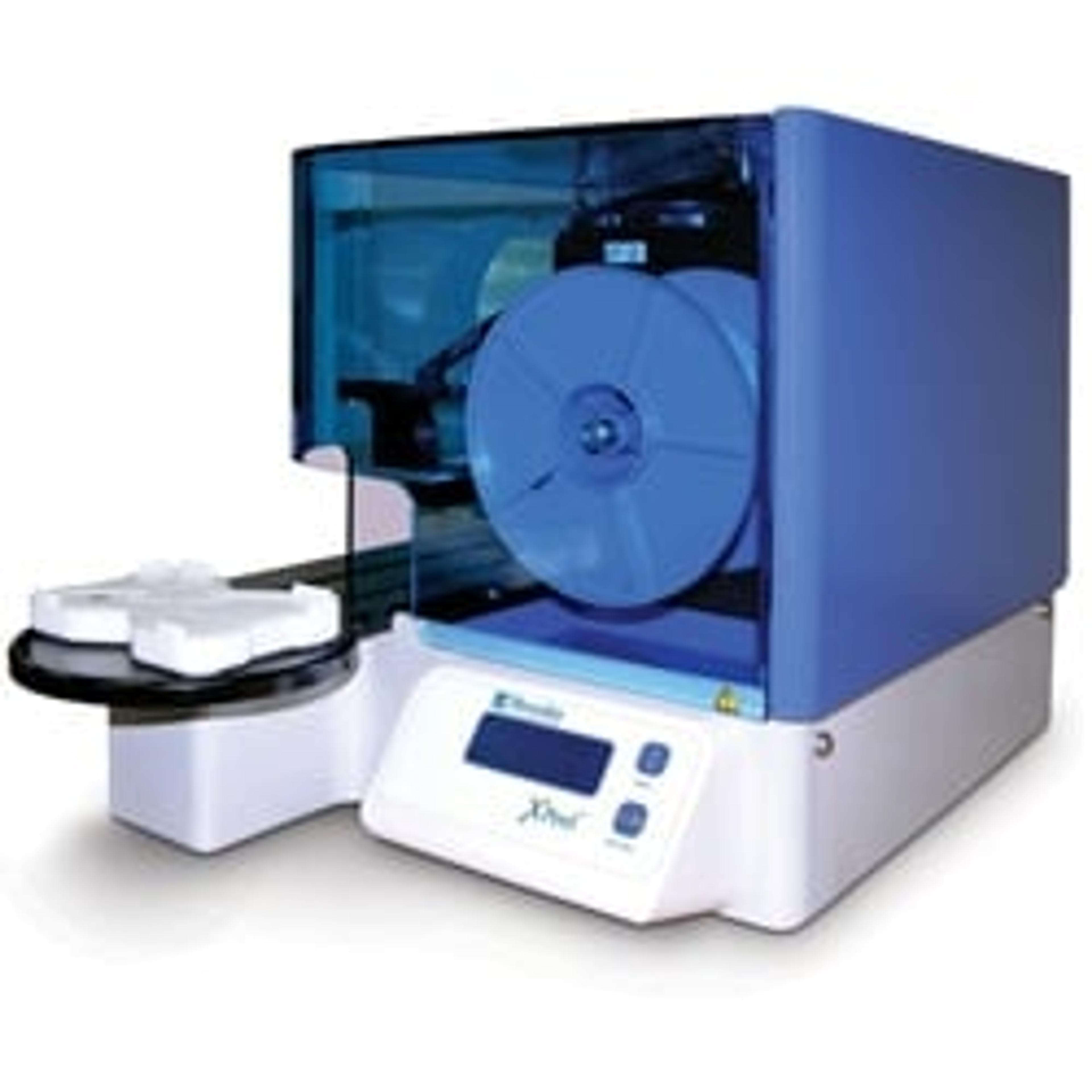
XPeel® Automated Plate Seal Removal
Brooks Life SciencesThe XPeel ® automatically removes seals from a wide range of microplate types with the single touch of a button eliminating the need for repetitive, manual plate seal removal. The robust and elegantly-simple automated system allows for the adoption of the gold-standard operating model (sealed plates, no lids).