Preventing Edge Effects in Microplates
20 Nov 2013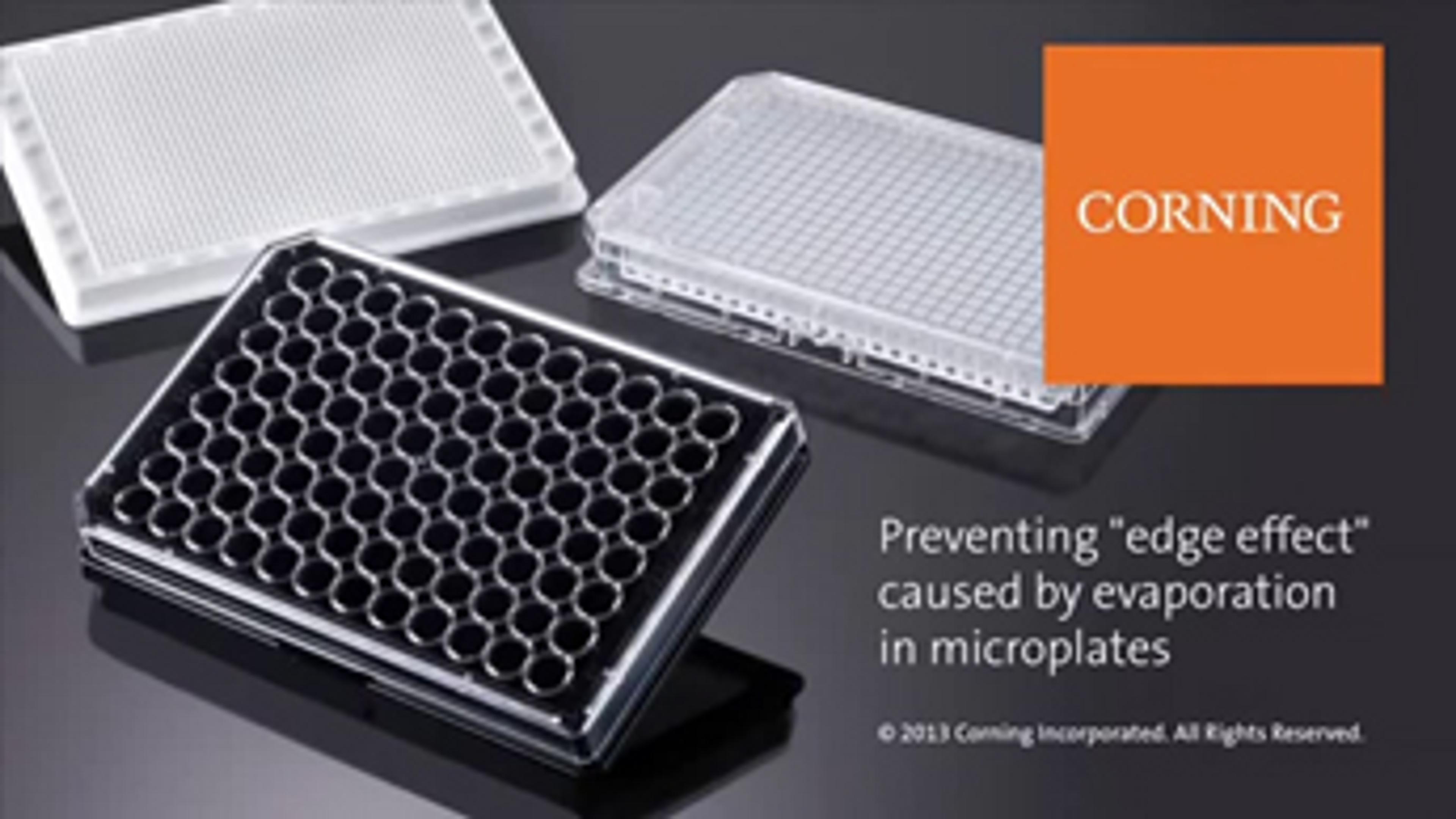
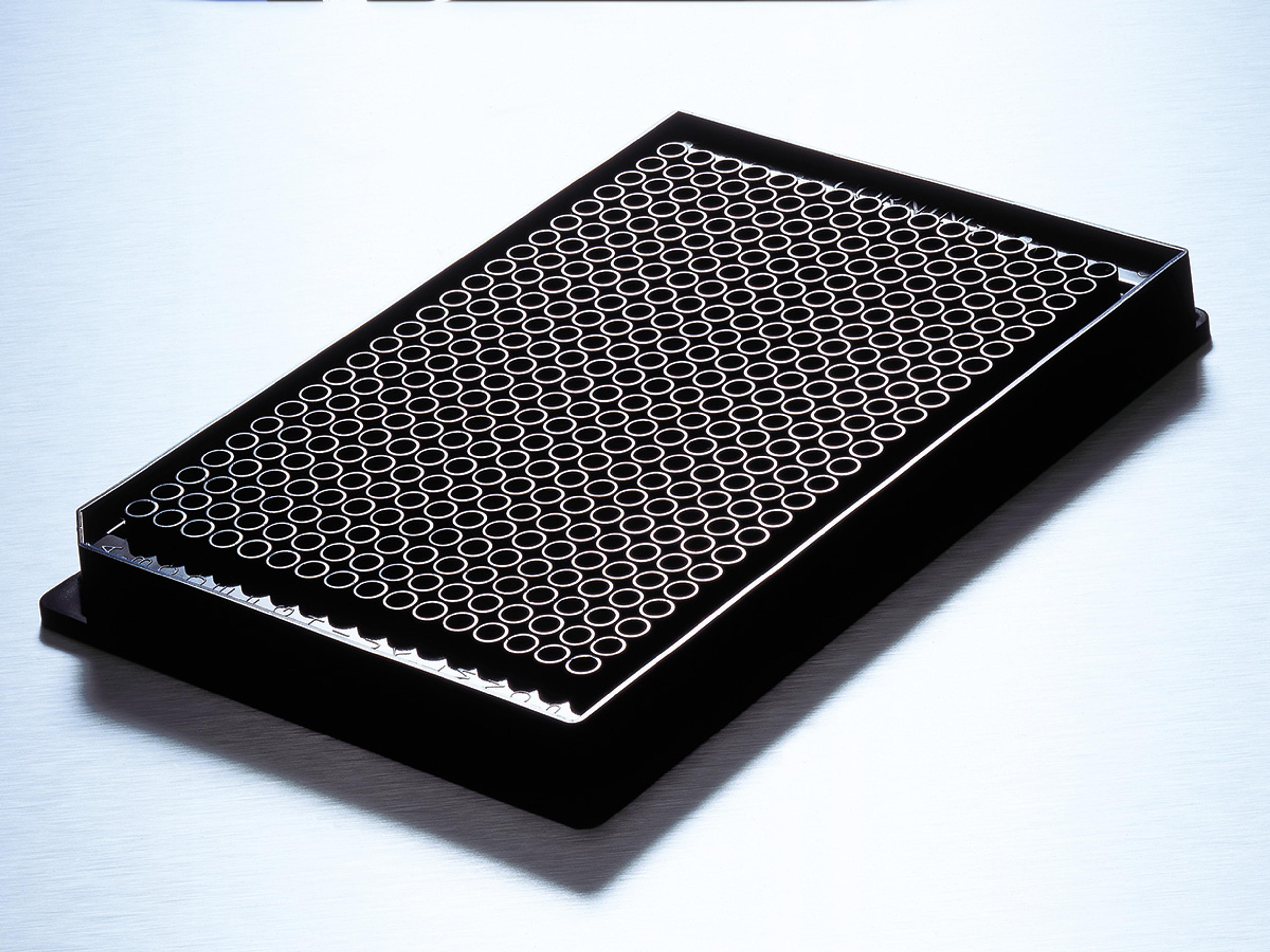
Corning demonstrates the use of a microplate evaporation lid to prevent edge effects in the assay microplate and reduce assay times.
About the company

Corning Life Sciences
As a leading developer, manufacturer, and global supplier of laboratory products for over 100 years, Corning’s Life Sciences segment works with researchers and drug manufacturers seeking to increase efficiencies, reduce costs, and compress timelines. Using unique expertise in the fields of materials science, polymer surface science, cell culture, and biology, the segment provides innovative solutions that improve productivity and enable breakthrough research.
Life Sciences products include consumables (such as plastic vessels, specialty surfaces, cell culture media and serum), as well as general labware and equipment, that are used for advanced cell culture research, bioprocessing, genomics, drug discovery, microbiology and chemistry. Corning sells life sciences products under these primary brands: Corning®, Falcon®, Pyrex®, Axygen®, and Corning Gosselin™.
The products are marketed globally, primarily through distributors, to pharmaceutical and biotechnology companies, academic institutions, hospitals, government entities, and other facilities. Corning manufactures these products in the United States in Illinois, Maine, Massachusetts, New York, North Carolina, Utah and Virginia and outside of the U.S. in China, France, Mexico and Poland.