
Pre-Analytical Considerations for Minimal Residual Disease Detection by Next-Generation Sequencing
For liquid biopsy applications, high recovery of total cfDNA is essential for the detection of ctDNA. Due to requisite low limits of detection, accurate tumor-informed minimum residual disease (MRD) detection by next-generation sequencing (NGS) testing is highly dependent upon maximum recovery of cfDNA from plasma. Conventional cfDNA extraction methods, often subsequently adapted to liquid biopsy applications, fail to deliver sufficient yield or the analytical sensitivity required for early detection of liquid biopsy markers, resulting in assay failure (e.g. ‘QNS errors’).
In this webinar, experts from Strata Oncology will highlight the importance of cfDNA yield and purity using the Revolution Sample Prep System from nRichDx for cfDNA extraction as well as reliable pre-analytical quality control with the Agilent Cell-free DNA ScreenTape assay and the TapeStation systems, and their relation to NGS-based MRD testing.
Key learning objectives
- Learn how to gain high recovery of total cfDNA in liquid biopsy applications such as accurate tumor-informed minimum residual disease by NGS testing
- Discover the importance of high cfDNA yield and purity during cfDNA extraction
- Explore how to ensure pre-analytical quality control of cfDNA samples
Certificate of attendance
All webinar participants can request a certificate of attendance, including a learning outcomes summary, for continuing education purposes.
Featured products
Request Quote for All Products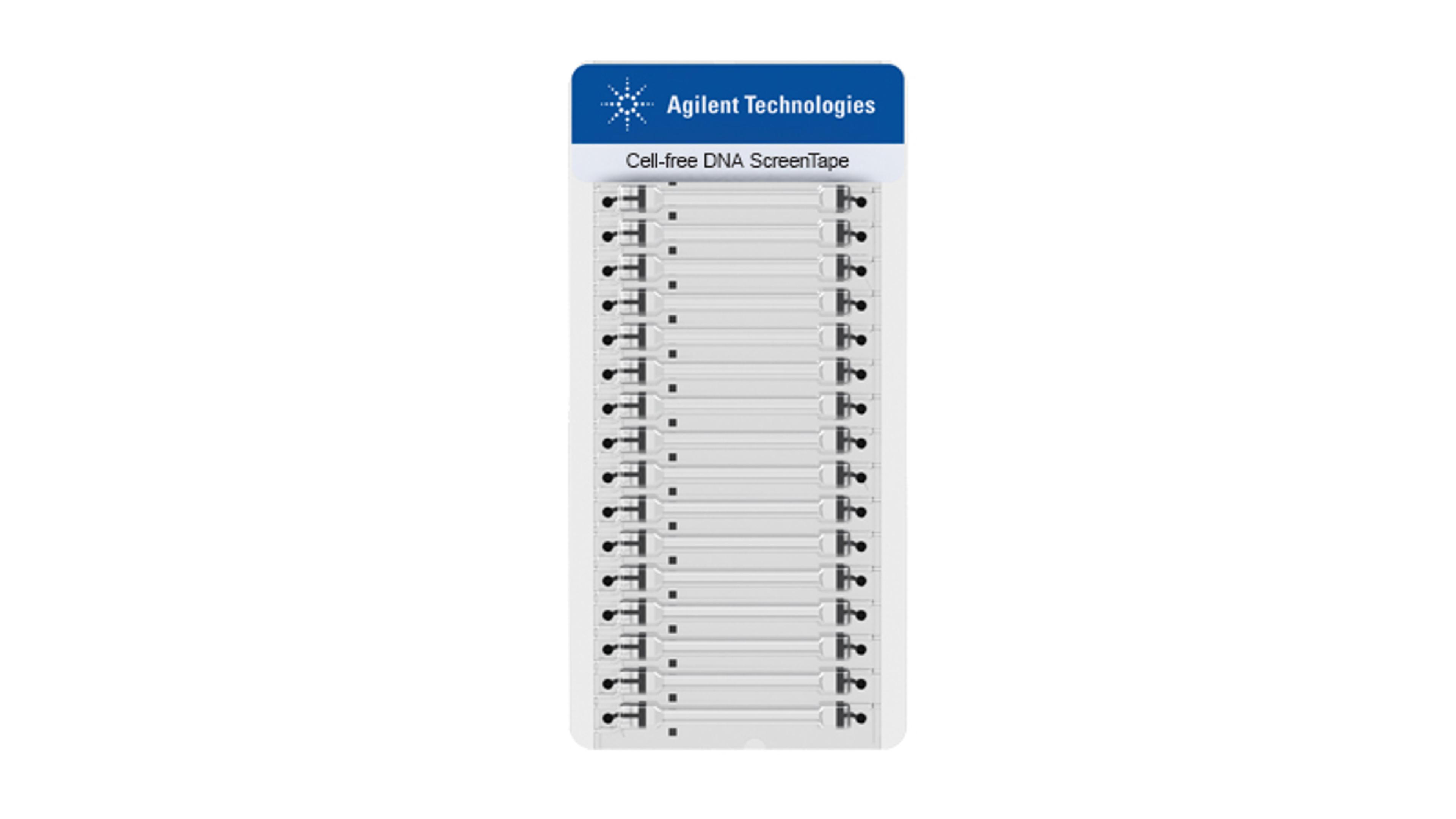
Cell-free DNA ScreenTape Analysis
Agilent TechnologiesCell-free DNA ScreenTape analysis provides fast, automated, and reliable electrophoresis of input cell-free DNA (cfDNA) samples.
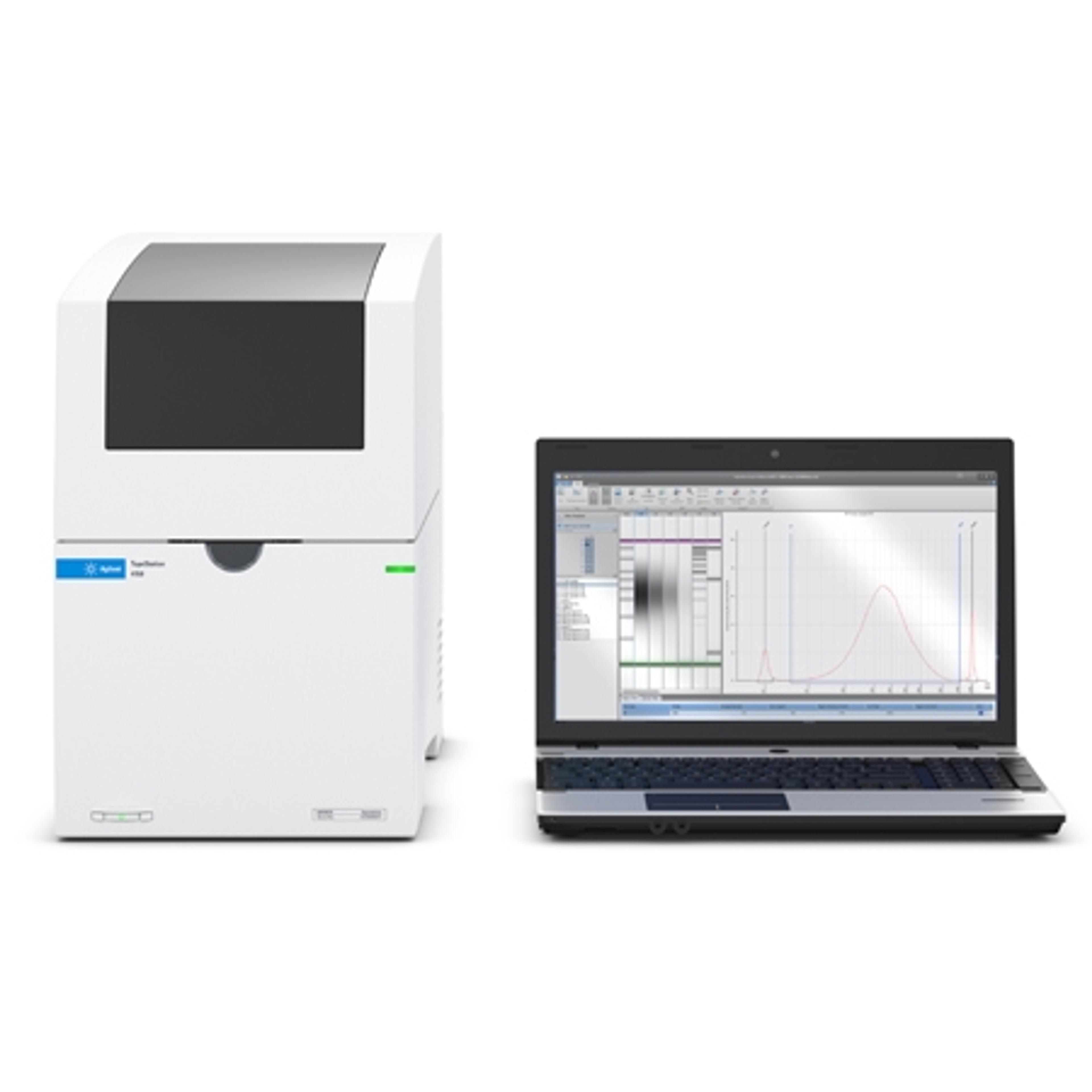
4150 TapeStation system
Agilent TechnologiesThe 4150 TapeStation system is an economic, entry-level system which comes with data processing software, reagents, and ScreenTape devices for analysis of sample size, quantity, and integrity of 1 to 16 samples. Delivering highly accurate and precise analytical evaluation, the systems fit perfectly into next-generation sequencing (NGS) or biobank workflows for handling smaller numbers of samples.