TechTalk: Advancing energy storage with spectroelectrochemistry
Thursday, February 5 at 18:00 GMT | 19:00 CET | 13:00 EST | 10:00 PST
Developing next‑generation energy storage systems demands a deeper, more precise understanding of electrochemical behavior, including how to optimize electrode composition and ensure chemical homogeneity throughout the electrode structure. Combining electrochemistry with Infrared and Raman spectroscopy offers a powerful approach for achieving these goals. Pairing these techniques with microscopy further enables micrometer-scale insights into chemical composition and distribution.
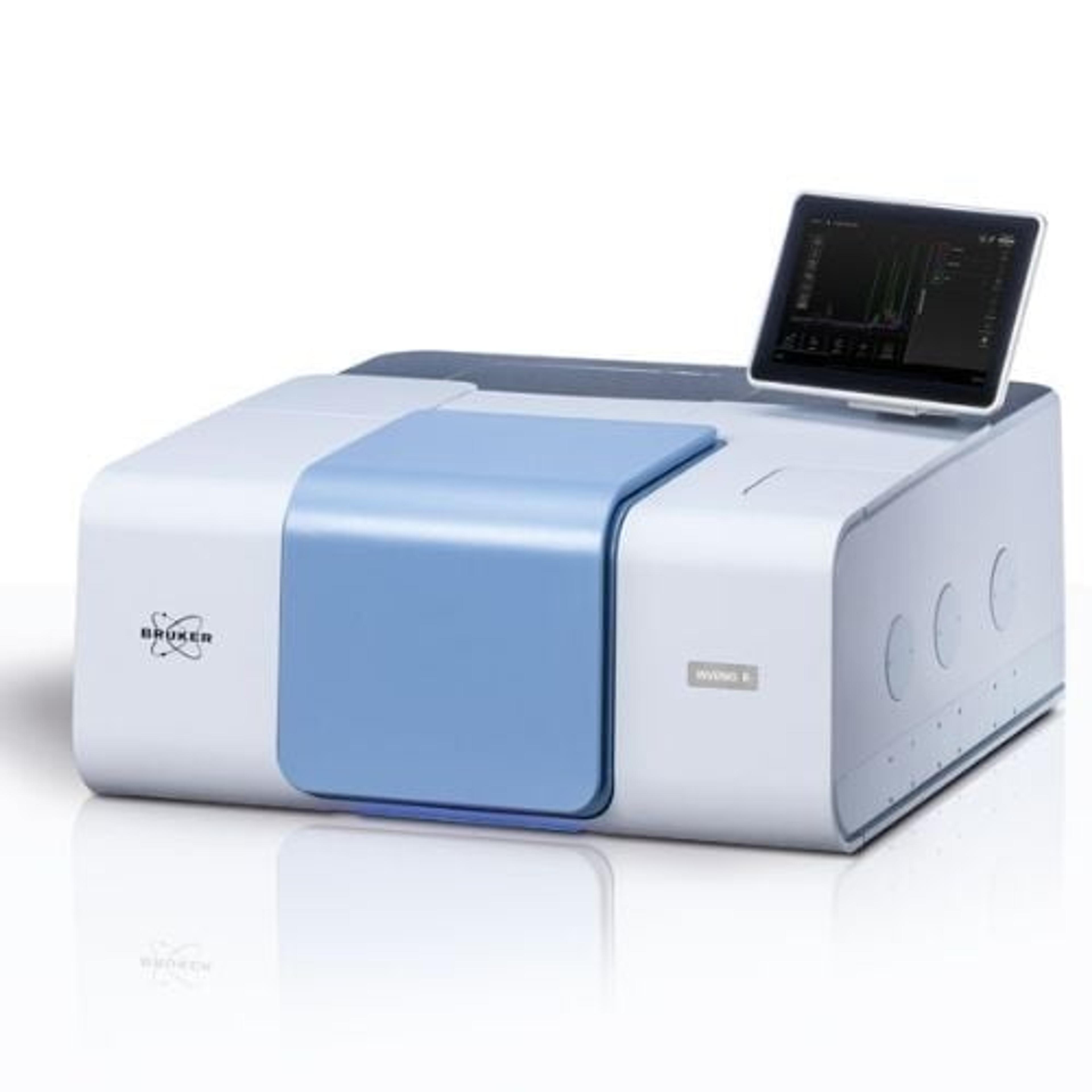
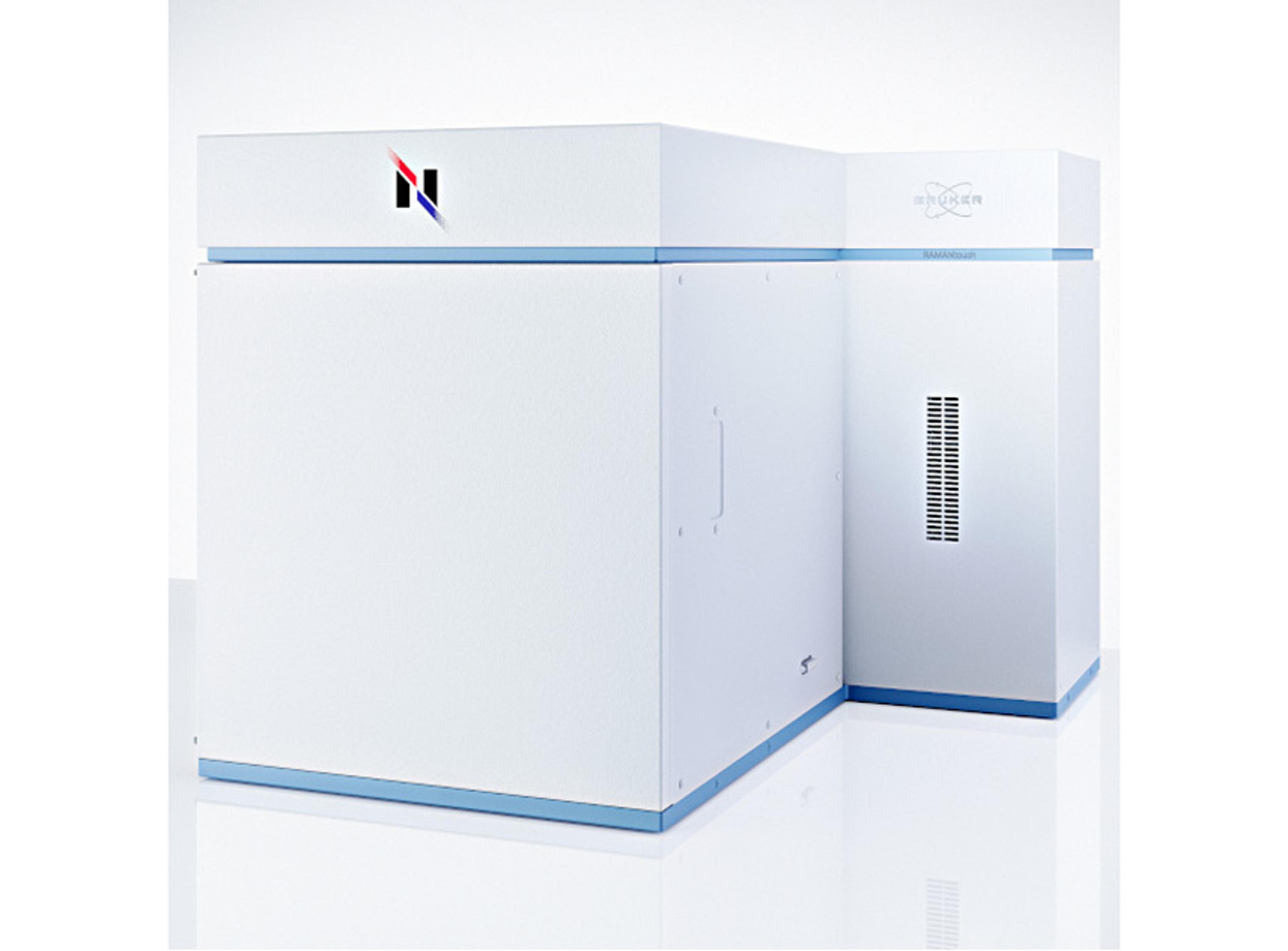
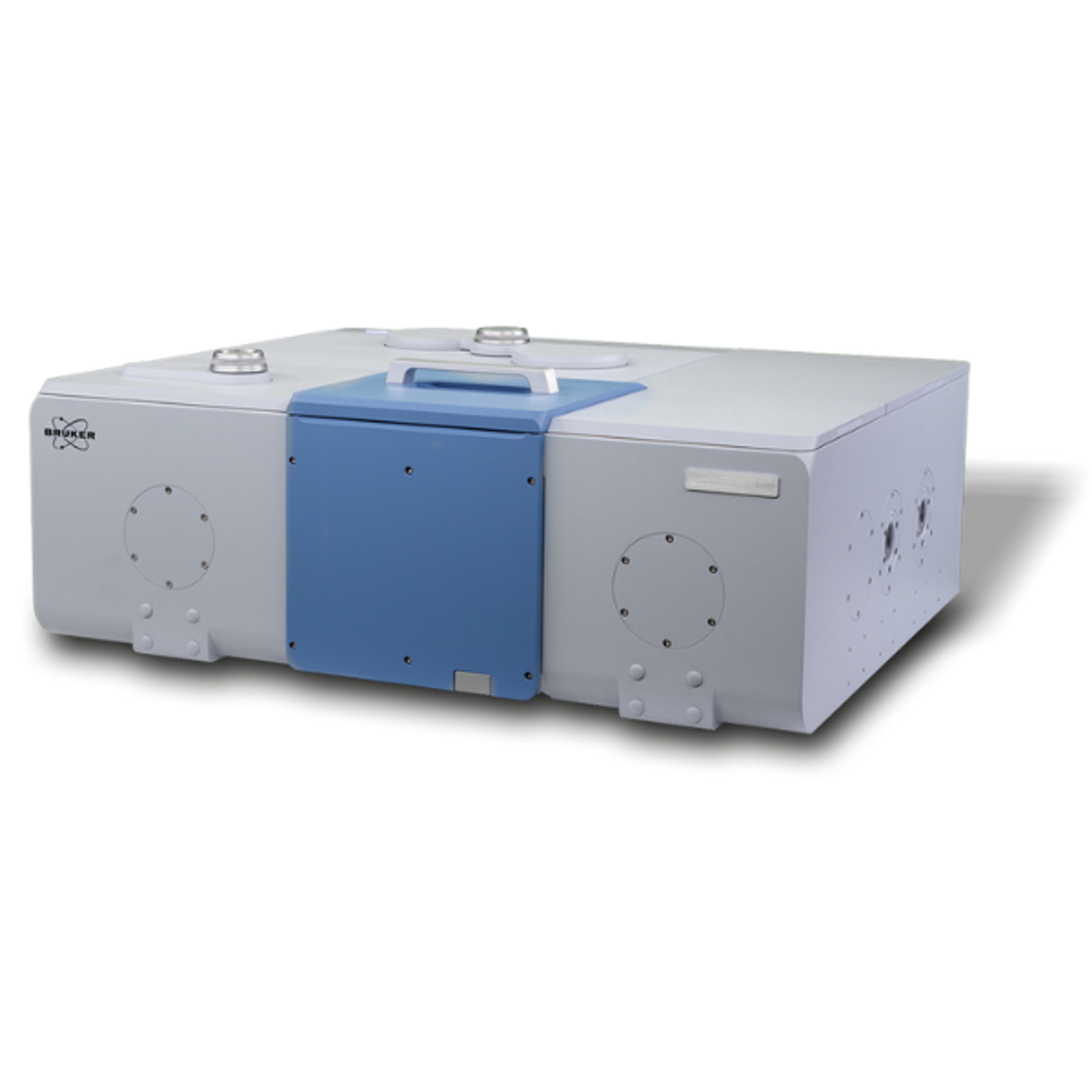
This SelectScience TechTalk will explore how these capabilities come together with four key instruments that make this integrated approach possible: INVENIO, RAMANtouch, HYPERION II and VERTEX NEO R.
Join Dr. Sergey Shilov, Senior Application Scientist, Bruker Optics, as he shares his 40+ years of FTIR and Raman knowledge to inspire and accelerate your research in batteries, fuel cells, and advanced energy materials.
Certificate of attendance
If you attend the live TechTalk, you will automatically receive a certificate of attendance, including a learning outcomes summary, for continuing education purposes. If you view the on-demand TechTalk, you can request a certificate of attendance by emailing editor@selectscience.net.
TechTalk details
- Cost: Free to attend
- Location: Online
- Duration: 20 minutes
Registration is required to secure your place. If you register but can’t attend live, you will receive a link to the on‑demand recording once it becomes available.
Speakers

Who should attend?
Chemists, battery engineers, and scientists who are developing new materials for energy storage.
What will this webinar cover?
- Understand spectroelectrochemical tools and workflows for probing reactions at electrodes and within electrolytes.
- Learn how to optimize instrument setup and integration, including effective communication between potentiostats and spectrometers.
- Understand how to apply fast chemical imaging techniques to visualize electrode surfaces and reaction dynamics.
- Explore real‑world electrochemical case studies such as metal–organic complex oxidation, polymer distribution mapping, electrode degradation analysis, and SEI characterization in lithium metal batteries.