

The role of diagnostics in tackling AMR and sepsis
CLINICAL24
Antimicrobial resistance (AMR), a global health crisis recognized by WHO, and sepsis, a leading cause of mortality worldwide, are among the most pressing challenges in modern healthcare, with infections that were once easily treatable now posing life-threatening risks. Accurate and timely clinical diagnostics, including microbiology and molecular testing, are at the heart of the fight against these threats, enabling clinicians to identify pathogens, determine their susceptibility to treatment, and implement targeted therapies. From rapid antimicrobial susceptibility testing (AST) platforms such as automated phenotypic systems, to advanced molecular tools like polymerase chain reaction (PCR) and next-generation sequencing (NGS), innovative diagnostic solutions are reshaping clinical decision-making, improving patient outcomes, and supporting global efforts to curb the spread of resistant infections.
This SelectScience® CLINICAL24 feature is a dedicated resource for clinicians and laboratory scientists in the NHS. It also serves medical laboratory scientists working in clinical laboratories such as Quest Diagnostics, LabCorp and the Mayo Clinic. The feature explores how diagnostics are driving the next wave of innovation in managing AMR and sepsis, highlighting real-world applications and emerging technologies. It also emphasises the critical role of laboratories and infectious disease specialists in safeguarding public health.

Transforming antimicrobial stewardship with minimum inhibitory concentration (MIC): CLINICAL24 Forum
Watch this unique SelectScience CLINICAL24 roundtable session to gain a better understanding of how antimicrobial susceptibility testing (AST) and the evolution of minimum inhibitory concentration (MIC), can support antimicrobial stewardship goals across clinical and lab teams. Essential watching for Biomedical Scientists in the NHS, medical laboratory scientists in US healthcare systems, clinicians and healthcare professionals.
Watch roundtable forum on-demand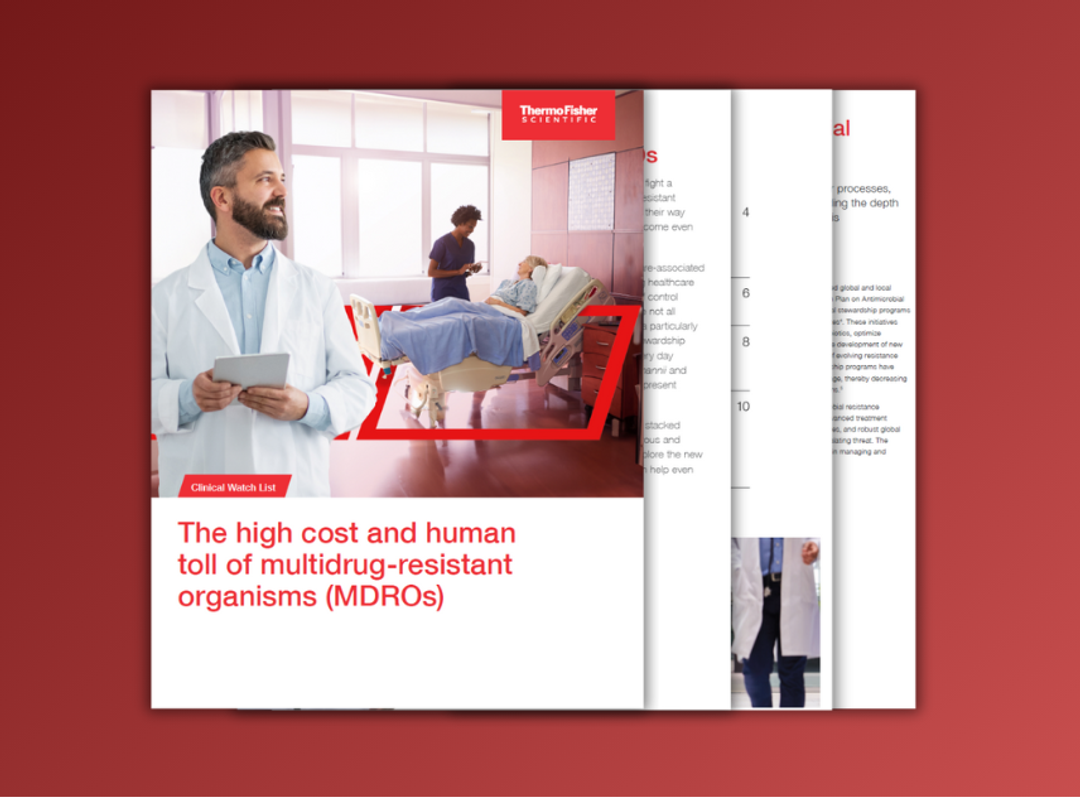
The high cost and human toll of multidrug-resistant organisms (MDROs)
This white paper explores the human and economic burden of antimicrobial resistance (AMR), highlights high-risk pathogens such as MRSA and Acinetobacter baumannii, and examines treatment challenges. Learn how diagnostics, antimicrobial stewardship, and innovative therapies are transforming the fight against MDROs.
Download Thermo Fisher Scientific white paper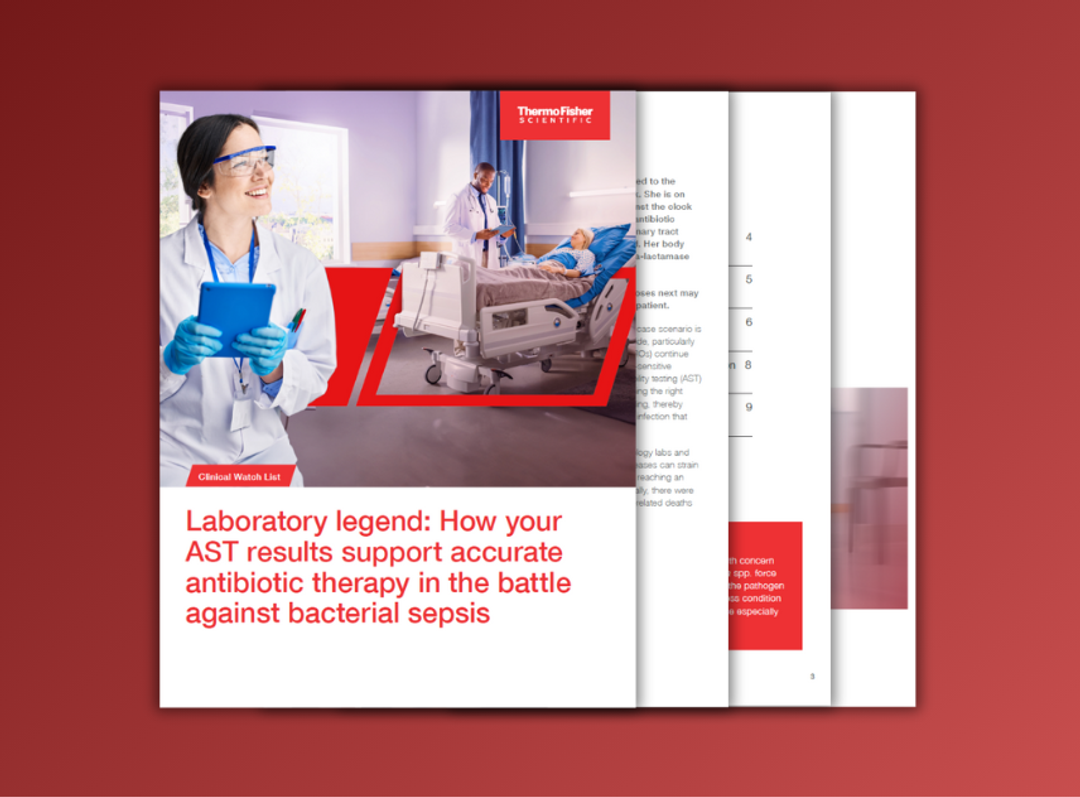
How your AST results support accurate antibiotic therapy
This white paper explores how accurate, timely antimicrobial susceptibility testing (AST) results guide life-saving antibiotic choices, improve patient survival, and reduce the financial burden of sepsis care. Gain insights into current AST methods, laboratory best practices, and emerging innovations that empower clinicians, microbiologists, and stewardship teams to combat sepsis and slow the spread of antibiotic resistance.
Download Thermo Fisher Scientific white paper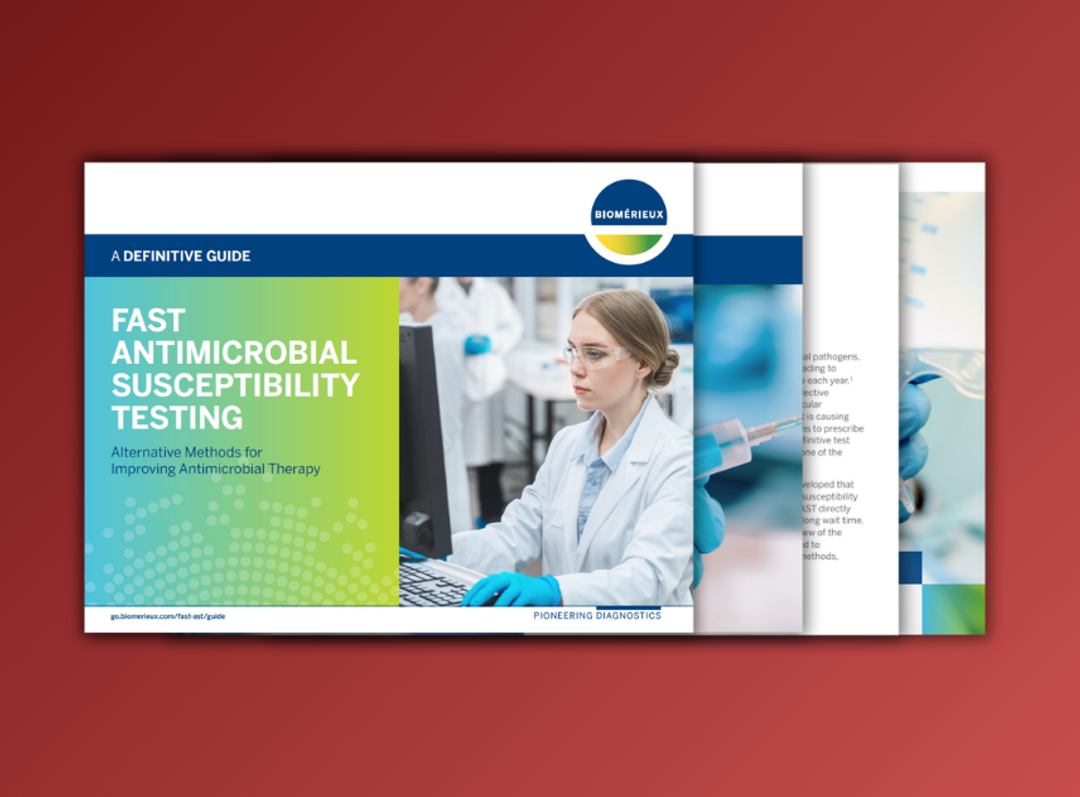
A guide to fast AST: Alternative methods for improving antimicrobial therapy
Fast antimicrobial susceptibility testing (AST) now enables rapid pathogen identification directly from positive blood cultures, cutting hours or days from results. This bioMérieux guide covers the sepsis crisis, AST advantages, phenotypic and genomic methods, and emerging technologies. Download to stay ahead in the fight against antimicrobial resistance.
Download bioMérieux AST guide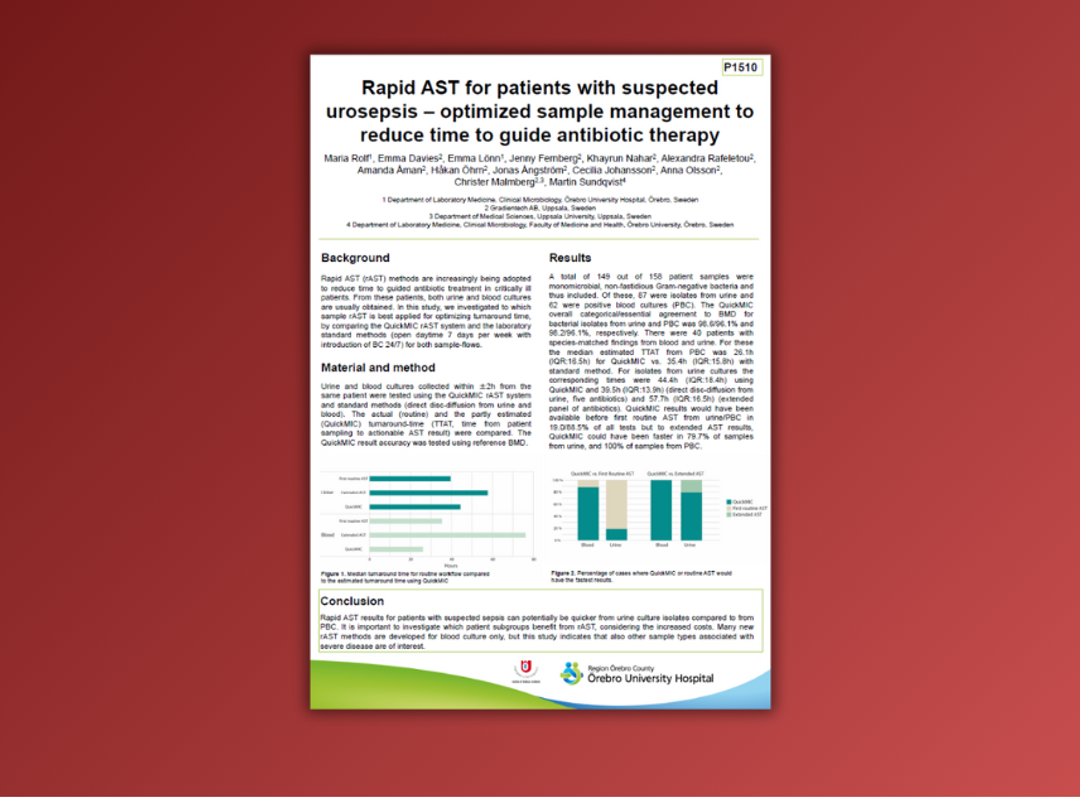
Rapid AST for patients with suspected urosepsis: Optimized sample management
This poster presents a study comparing turnaround time of rapid AST for urine culture isolates and positive blood cultures using the QuickMIC rapid AST system and laboratory standard methods. Learn how rapid AST results for patients with suspected sepsis can potentially be achieved faster from urine culture isolates compared to positive blood cultures.
Download Gradientech poster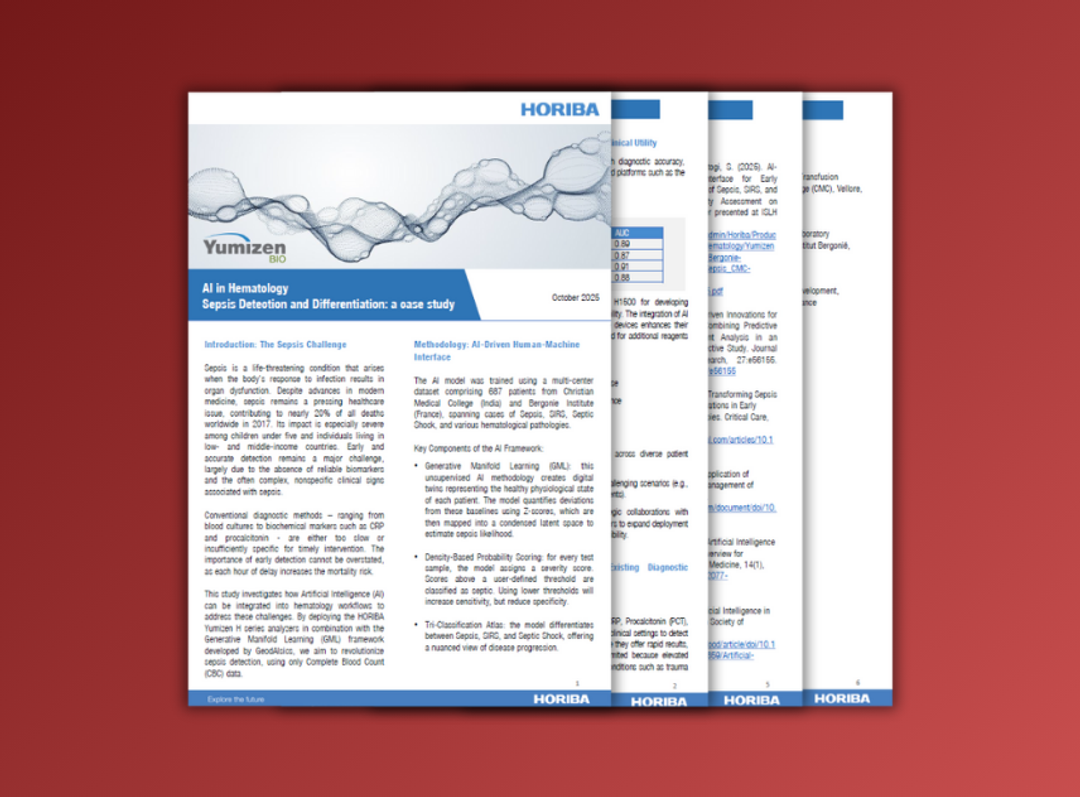
AI in hematology: Sepsis detection and differentiation
Learn how artificial intelligence (AI) can be integrated into hematology workflows to overcome key challenges in sepsis diagnosis. By leveraging the HORIBA Yumizen H series analyzers together with the Generative Manifold Learning framework developed by GeodAIsics, Horiba aims to transform sepsis screening using only CBC data, enabling faster, more accurate, diagnostic support.
Read Horiba AI case study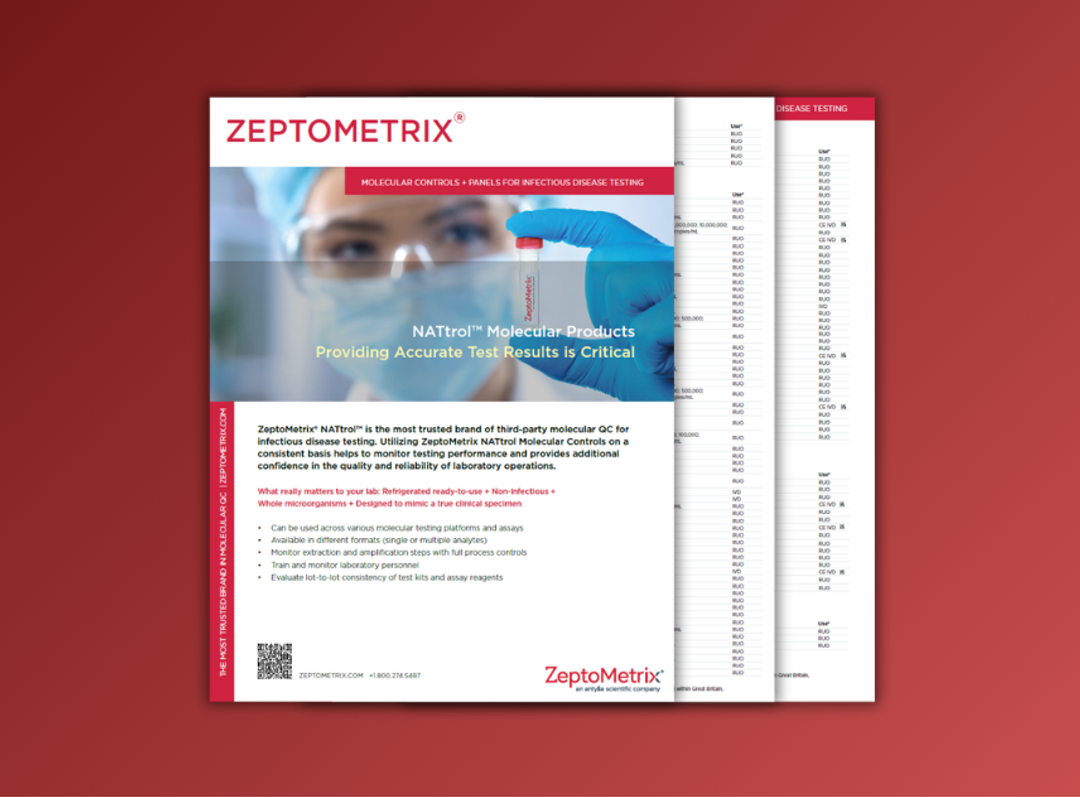
Reliable molecular controls for accurate infectious disease testing
Learn how ZeptoMetrix® NATtrol™ Molecular Controls provide reliable, non-infectious, and ready-to-use third-party quality controls for infectious disease testing. Designed to mimic clinical specimens, NATtrol™ products ensure consistent, accurate, and traceable results across molecular diagnostic platforms.
Download ZeptoMetrix brochure
Superbug surcharge: The economics of MDROs and HAIs
MDROs and healthcare-associated infections (HAIs) threaten patient health and impose significant financial burdens on healthcare systems. This infographic illustrates the financial toll in the U.S., Europe, and globally, while highlighting diagnostic tools that help reduce risks, improve patient care, and strengthen antimicrobial stewardship.
Download Thermo Fisher Scientific infographic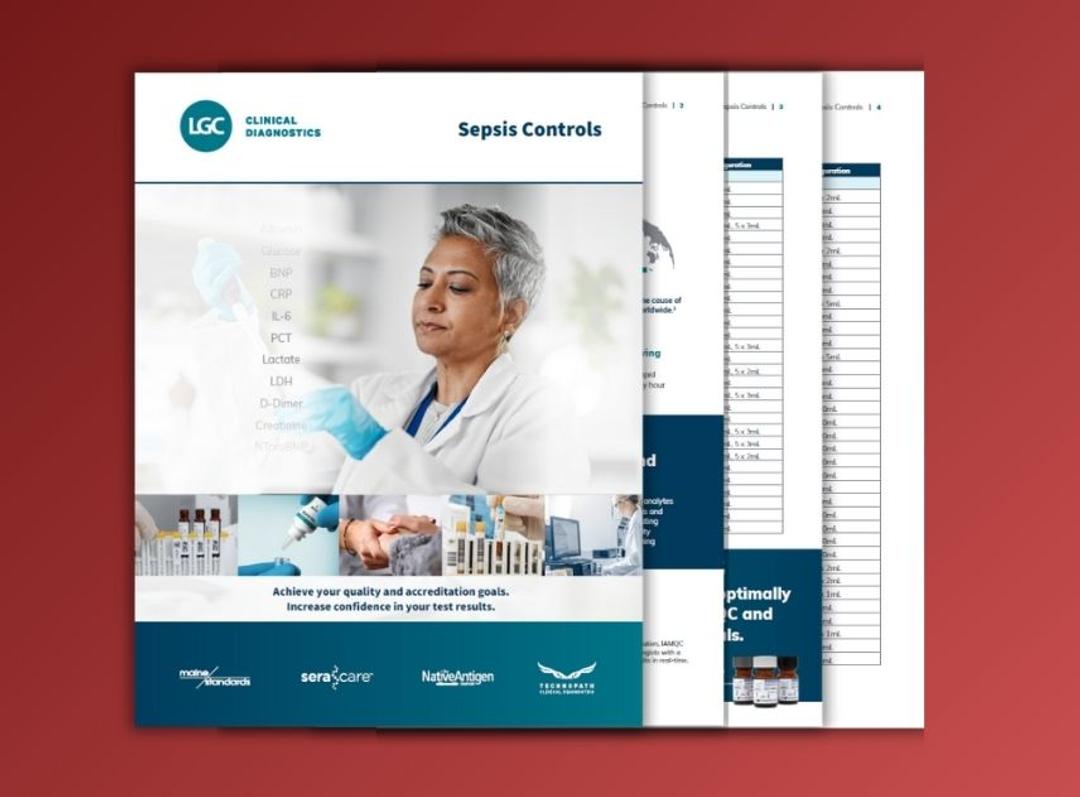
A comprehensive sepsis QC portfolio
The successful screening of sepsis biomarkers is vital for rapid detection and life-saving treatment. In this brochure, LGC Clinical Diagnostics presents its comprehensive portfolio of Sepsis Quality Controls and Calibration Verification/Linearity materials, offering a broad menu of analytes designed to cover the commonly required sepsis-related biomarkers.
Download sepsis brochureRelated resources











Frequently Asked Questions (FAQ)
What is antimicrobial resistance (AMR)?
AMR occurs when microorganisms such as bacteria, viruses, fungi, and parasites evolve to resist the effects of antimicrobial drugs, making infections harder to treat and increasing the risk of severe illness and death.
Why is sepsis a global health concern?
Sepsis is a life-threatening condition caused by the body’s extreme response to infection. It can lead to organ failure and death if not diagnosed and treated promptly. Institutions such as the Global Sepsis Alliance and the UK Sepsis Trust work tirelessly to promote conversation between healthcare professionals and to keep sepsis on the global healthcare agenda.
How do laboratory diagnostics help combat AMR and sepsis?
Rapid and accurate diagnostic tools enable clinicians to identify pathogens and their resistance profiles quickly, ensuring timely and targeted treatment while reducing unnecessary antibiotic use.
What types of diagnostic technologies are used?
Common technologies include blood culture systems, molecular assays, host-response biomarkers, and point-of-care tests that provide faster results compared to traditional methods.
How does early diagnosis improve patient outcomes?
Early detection of infection and resistance patterns allows clinicians to initiate appropriate therapy sooner, reducing complications, hospital stays, and mortality rates.
Are these diagnostic tools widely available?
Access varies globally. While advanced molecular and rapid tests are increasingly adopted in high-resource settings, improving availability in low-resource regions remains a priority for global health equity.
What role do laboratories play in antimicrobial stewardship?
Clinical laboratories provide essential data on pathogen identification and susceptibility, guiding clinicians in selecting the most effective and responsible antimicrobial therapy. Biomedical Scientists, Medical Laboratory Scientists, laboratory managers, clinical researchers and clinicians around the world can keep up to date on the latest antimicrobial resistance (AMR) related technologies and stewardship strategies on SelectScience.
Where can I learn more about sepsis and antimicrobial resistance?
SelectScience hosts regular CPD accredited clinical microbiology webinars on the topics of sepsis and AMR. SelectScience clinical CPD webinars are suitable for self certification in IBMS portfolios for UK-based Biomedical Scientists, many webinars are also ASCLS P.A.C.E and ADLM ACCENT accredited for US Medical Laboratory Scientists.