Search results for "rotary vane pump"
Results per page
25
10000 Results Found | Selected Filters:

Product NewsLife Sciences
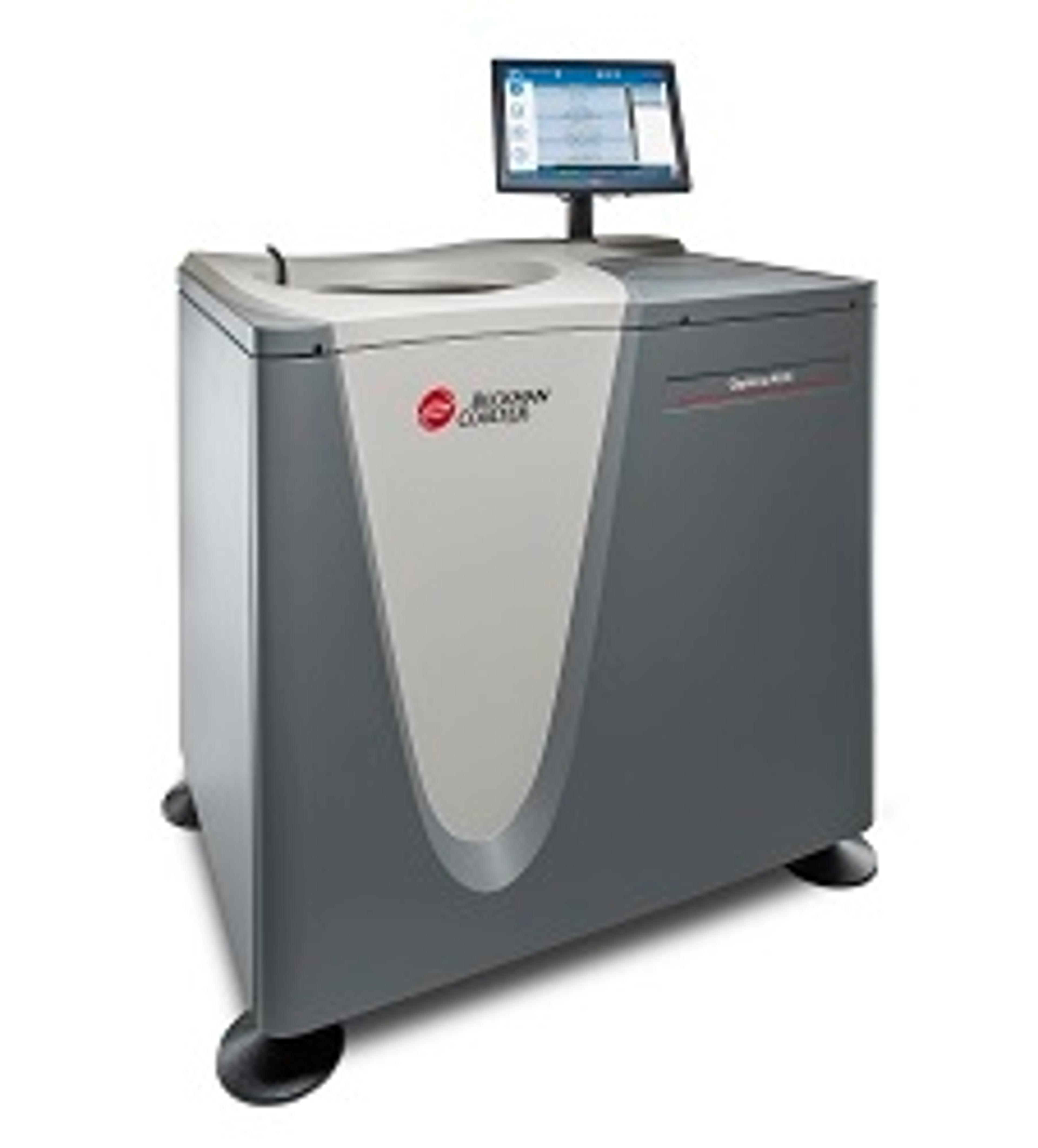
Beckman Coulter to Unveil Next Generation Analytical Ultracentrifuge at Analytica 2016
Optima AUC delivers enhanced optics and improved software to open new applications

Product NewsClinical Diagnostics
QIAGEN Companion Diagnostic Wins FDA Approval for use with IRESSA
therascreen® EGFR RGQ PCR Kit to guide treatment with AstraZeneca’s lung cancer drug in U.S.


Expert InsightsSeparations
Workflow considerations for advanced PFAS/GenX LC-MS/MS sample preparation and chromatography
Watch the new on-demand webinar to learn more about underlying chemistry considerations for PFAS and GenX compound analysis

Industry NewsDrug discovery > Pre-Clinical Development
New Treatment Has Potential to Minimize Damage After Heart Attack
The drug works by targeting the protein responsible for the death of heart cells during an attack


Editorial ArticleClinical Diagnostics
Preventing Thombi Formation in Real Time: Could This Wearable Device Prevent Millions of Deaths Worldwide?
Scientists based at the Moscow Institute of Physics and Technology have designed a portable device for rapid correction of hemostasis abnormalities – SelectScience editors find out more

Editorial ArticleLife Sciences
A Day in the Life of SLAS CEO Vicki Loise


Editorial ArticleSeparations
Life Sciences Scientists' Choice Awards winners announced during Virtual Summit
DeNovix, Sartorius, NuAire and Sony Biotechnology among those recognized during celebration of top technologies advancing life sciences

Editorial ArticleLife Sciences
What’s behind the world’s largest crowd-sourced microbiome project?
A sneak-peek into the busiest microbiome laboratory: what technologies assist large projects and what happens to all the data from thousands of samples

Editorial ArticleLife Sciences
Western Blotting: 10 Technical Tips for Success


Product NewsLife Sciences
Lonza announces new serum-free media to enable late-stage cell viability and maximize protein integrity
The eCHO™ Medium is ideal for the manufacture of recombinant proteins for medical use, including monoclonal antibodies and complex glycoproteins
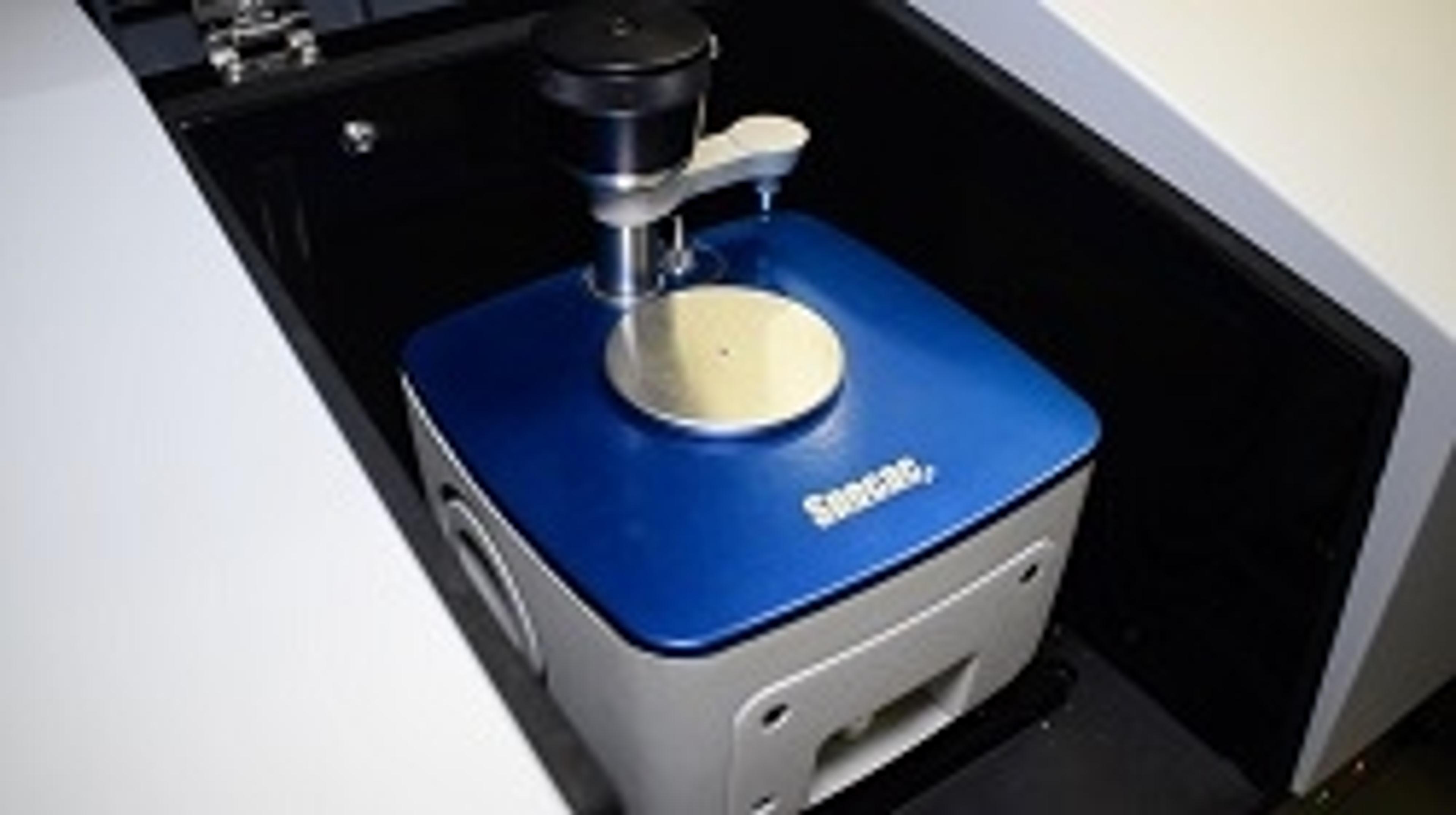
Product NewsSpectroscopy
Specac – Enabling Great Science
Catch Specac at Pittcon, booth 4141 to learn about all their latest innovations
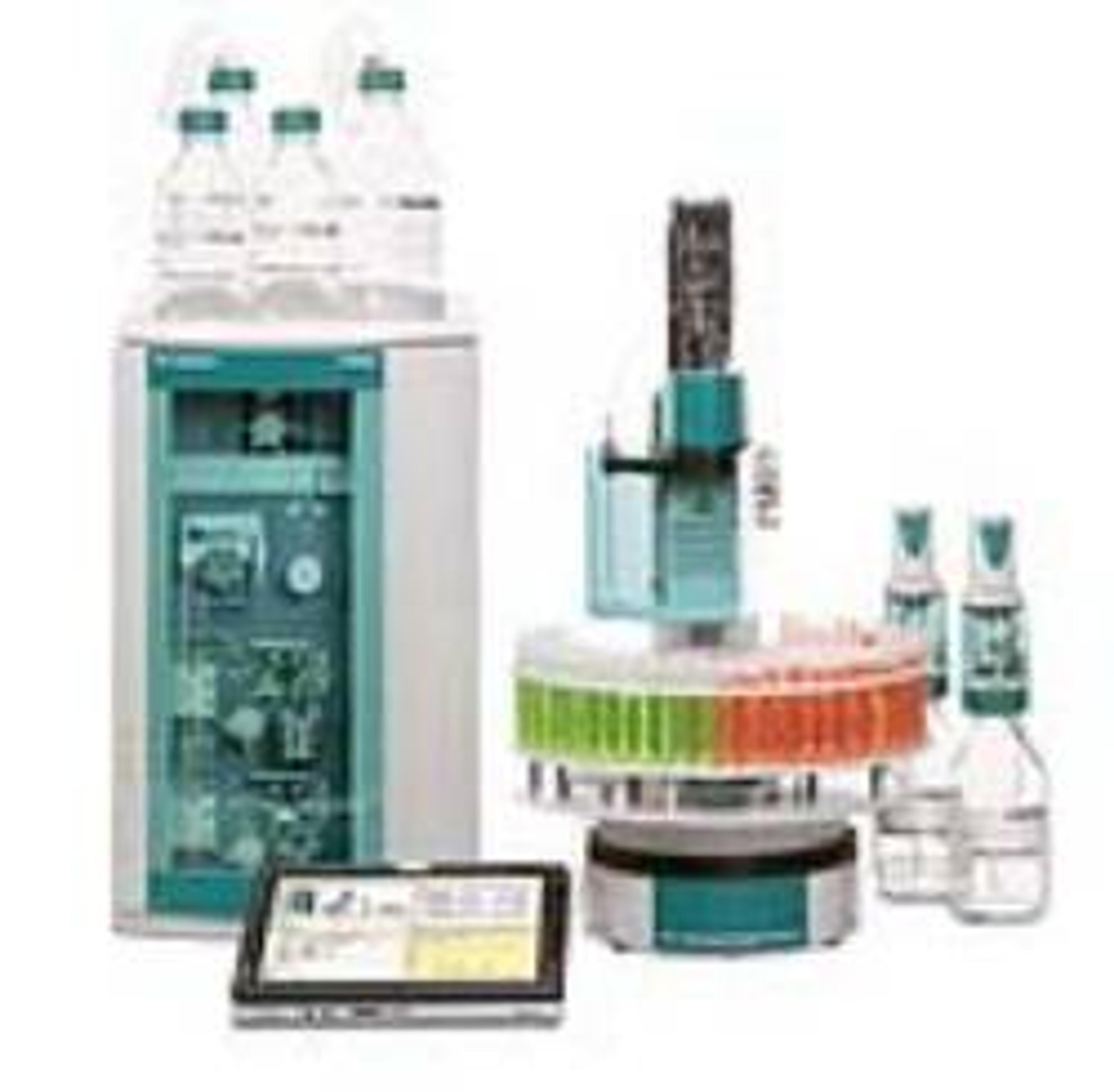

Expert InsightsSeparations
An automated metabolite extraction method for plasma: Your questions answered
Watch this webinar to discover how scientists at the Cedars Sinai Advanced Clinical Biosystems Research Institute are streamlining the processing of plasma metabolites

Expert InsightsGeneral Lab
Avoid titration mistakes through best practice sensor handling – on-demand webinar
Get expert advice on how to properly maintain sensors in order to achieve accurate titrations and minimize false results