Product NewsLab Automation
Trilobio introduces whole-laboratory automation platform at SLAS2025
First public demonstration of unified robotics, device and software platform at SLAS2025

First public demonstration of unified robotics, device and software platform at SLAS2025
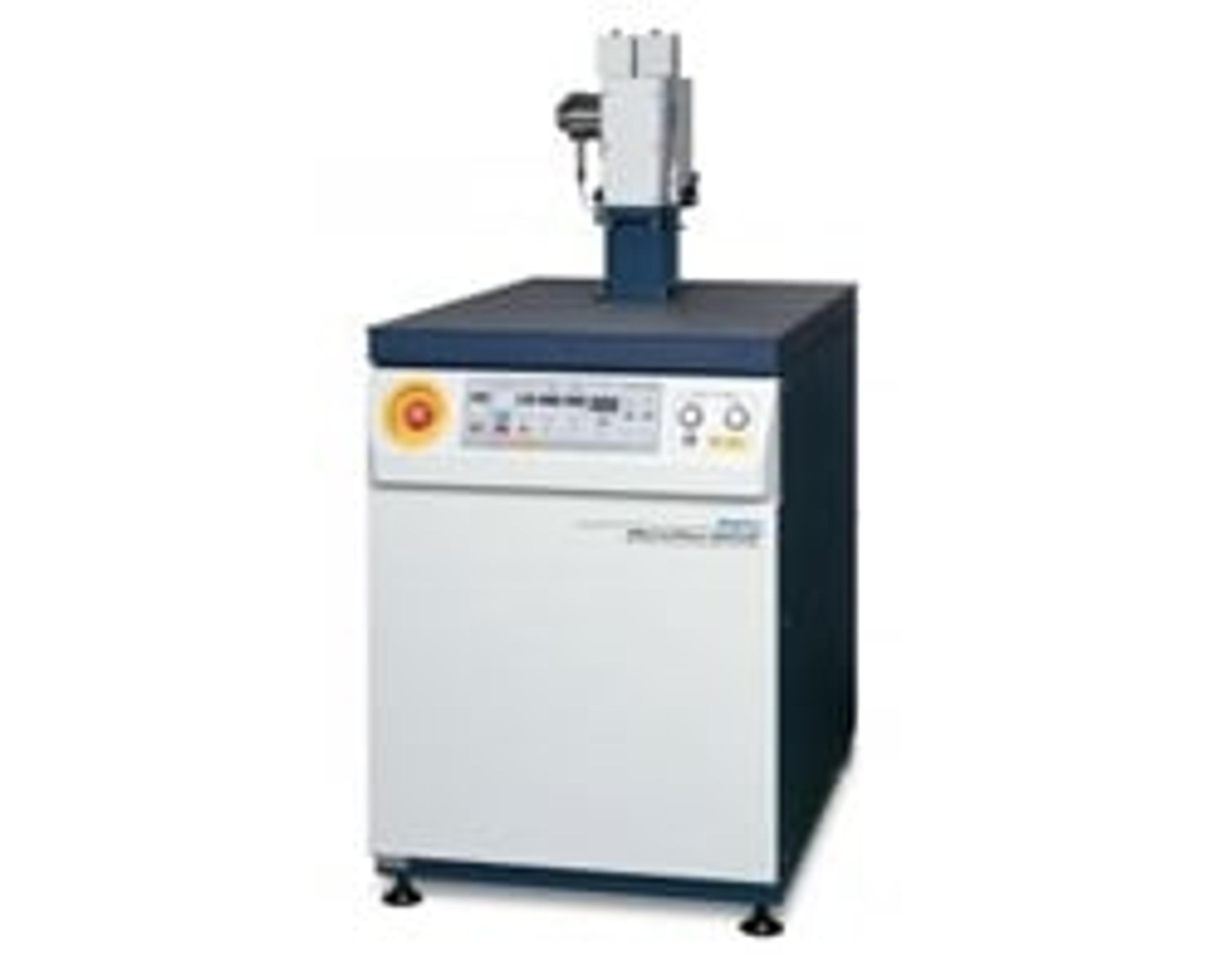
The MicroMax™ 007 HF is the most widely used home lab X-ray source for protein crystallography. The original MicroMax™ 007 introduced the world to the concept of a sub-100 micron focal spot size along the increased brilliance that can be more effectively used to illuminate small crystals. The current HF version increases the power loading by 50% over the original model providing an X-ray source that rivals second generation s…
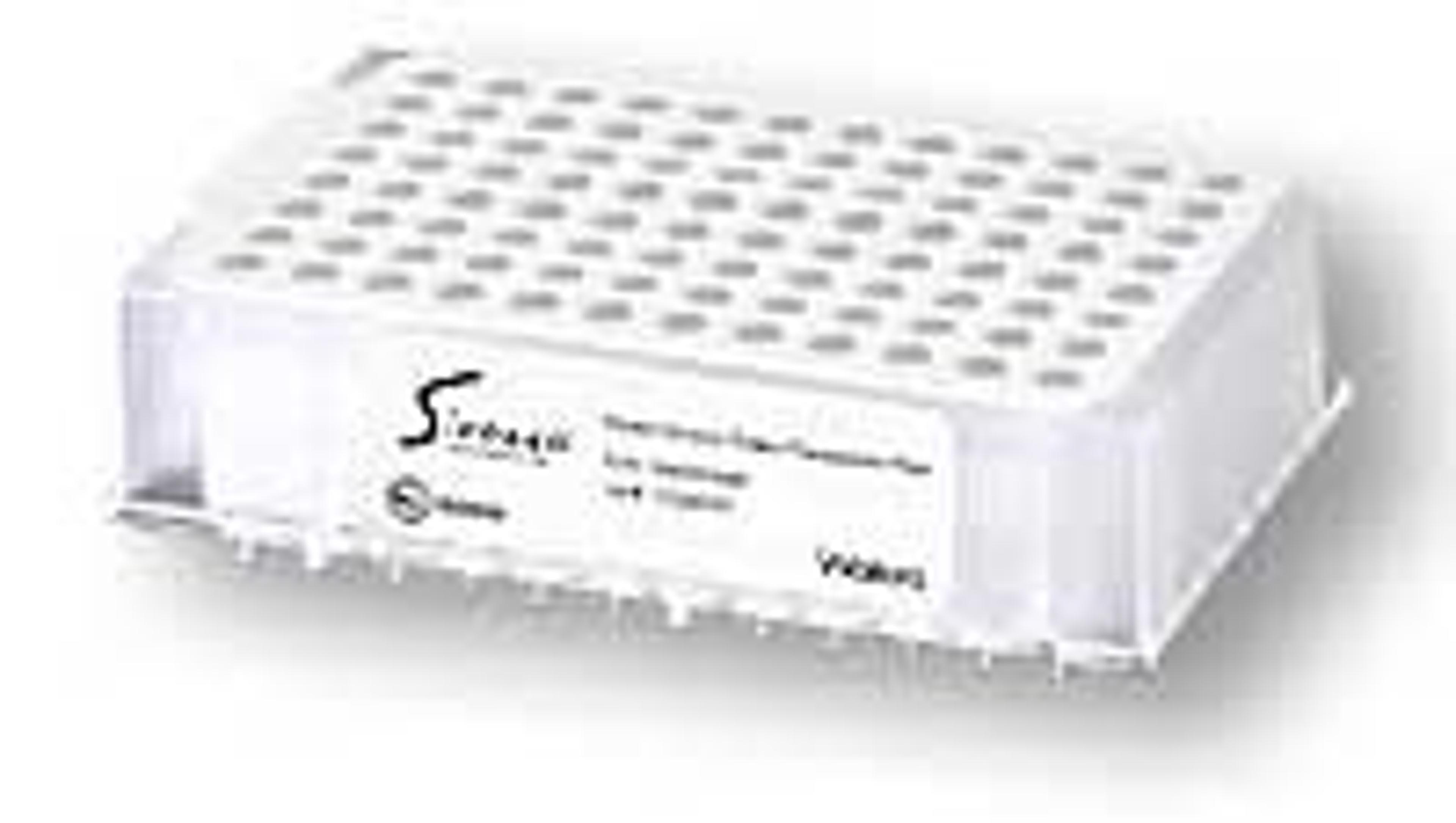
The Sirocco™ plates are the most technologically advanced protein precipitation plates in the market and enable high-throughput “in-well” protein precipitation of biological samples without the fear of cloudy filtrates or clogged devices. It also provides optimum performance in faster processing time by reducing steps in ‘in-well’ sample processing and complete recovery of clean filtrate from smaller plasma sample volumes.
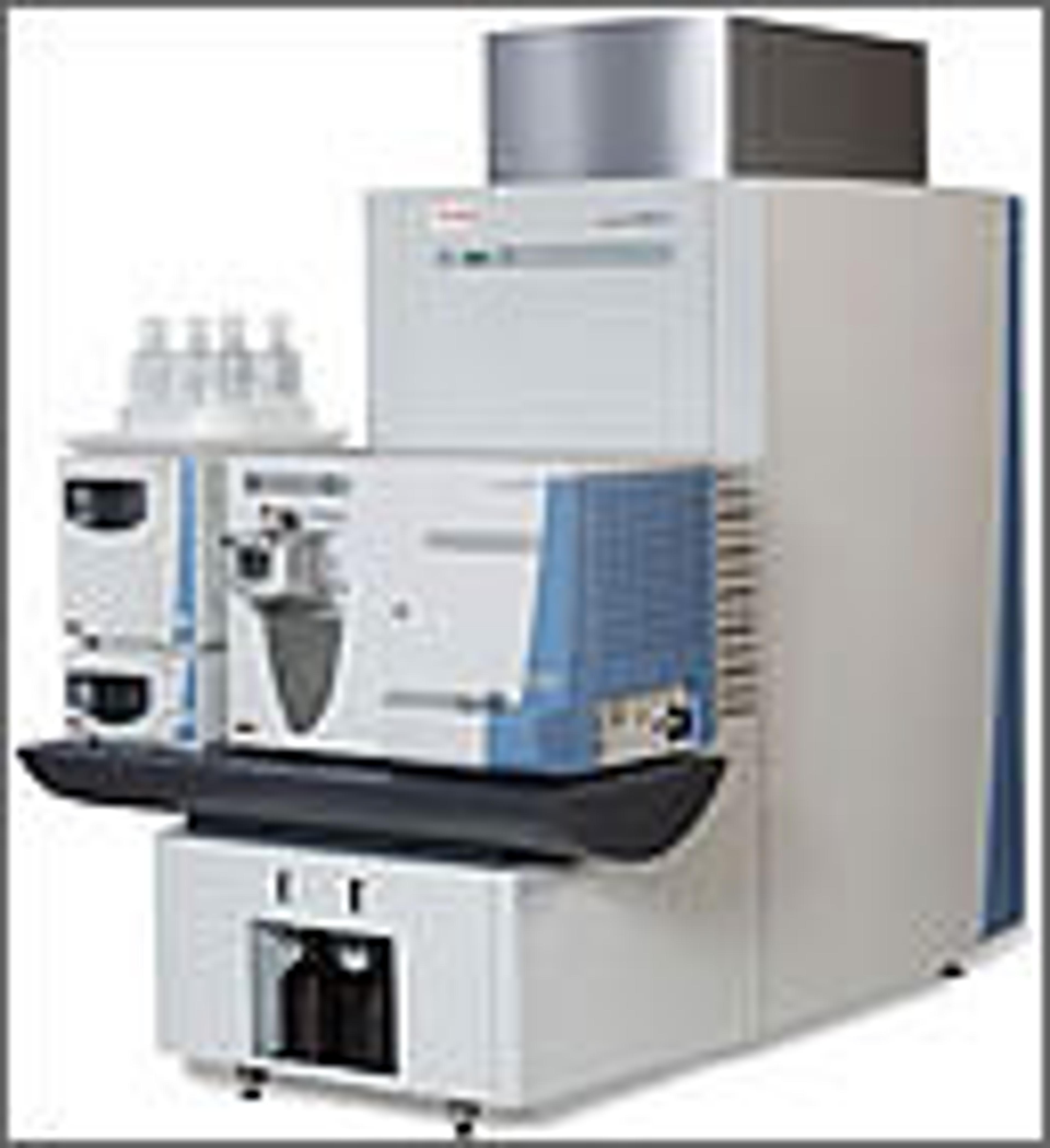
This advanced, high performance ion trap - Fourier Transform mass spectrometer is the right tool for your toughtest analytical challenges in metabolic studies, proteome analysis, pharmaceutical discovery, and all other applications. Product detail: The Finnigan LTQ FT™ combines the most advanced Ion Trap and Fourier Transform Ion Cyclotron Resonance technologies into a single instrument with unprecedented analytical power…
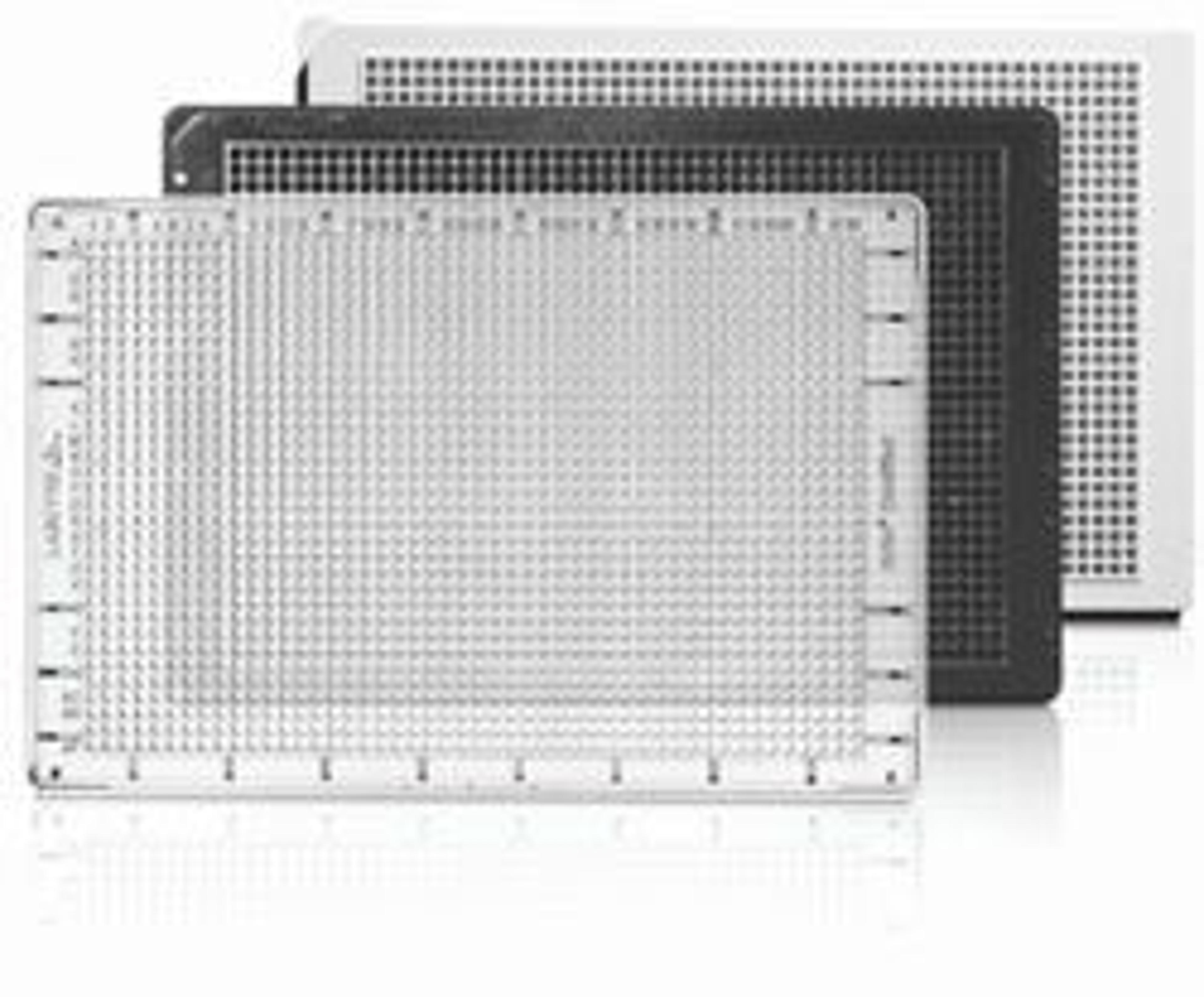
The 1536-Well Low Dead Volume (LDV) plate improves assay results through increased signal to noise ratios. The exceptional flatness of this microplate reduces assay noise by providing a consistent measurement position for detection instrumentation using photomultiplier tubes or CCD devices. This microplate is constructed of Cyclic Olefin Copolymer (COC) which provides optical clarity and improved signal levels for luminescence…
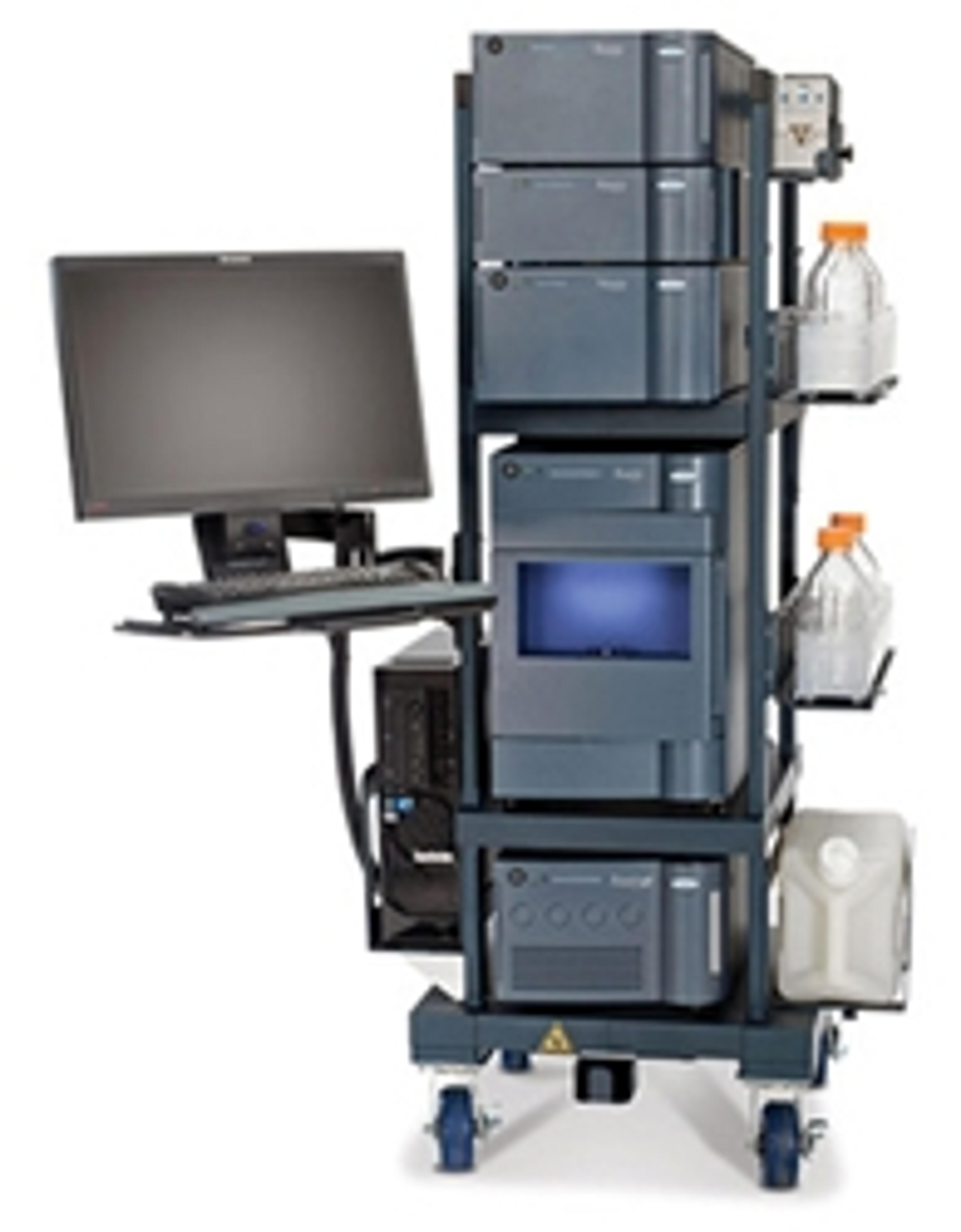
Take control of your bottom line – get a better understanding of your process and your product. For the first time, bring automation and UPLC together for direct online connection to your process with Real-TIME LC. The PATROL UPLC Process Analysis System is specifically designed for in-process analysis, delivering simultaneous qualitative and quantitative information and allowing you to dynamically adjust and control your pro…
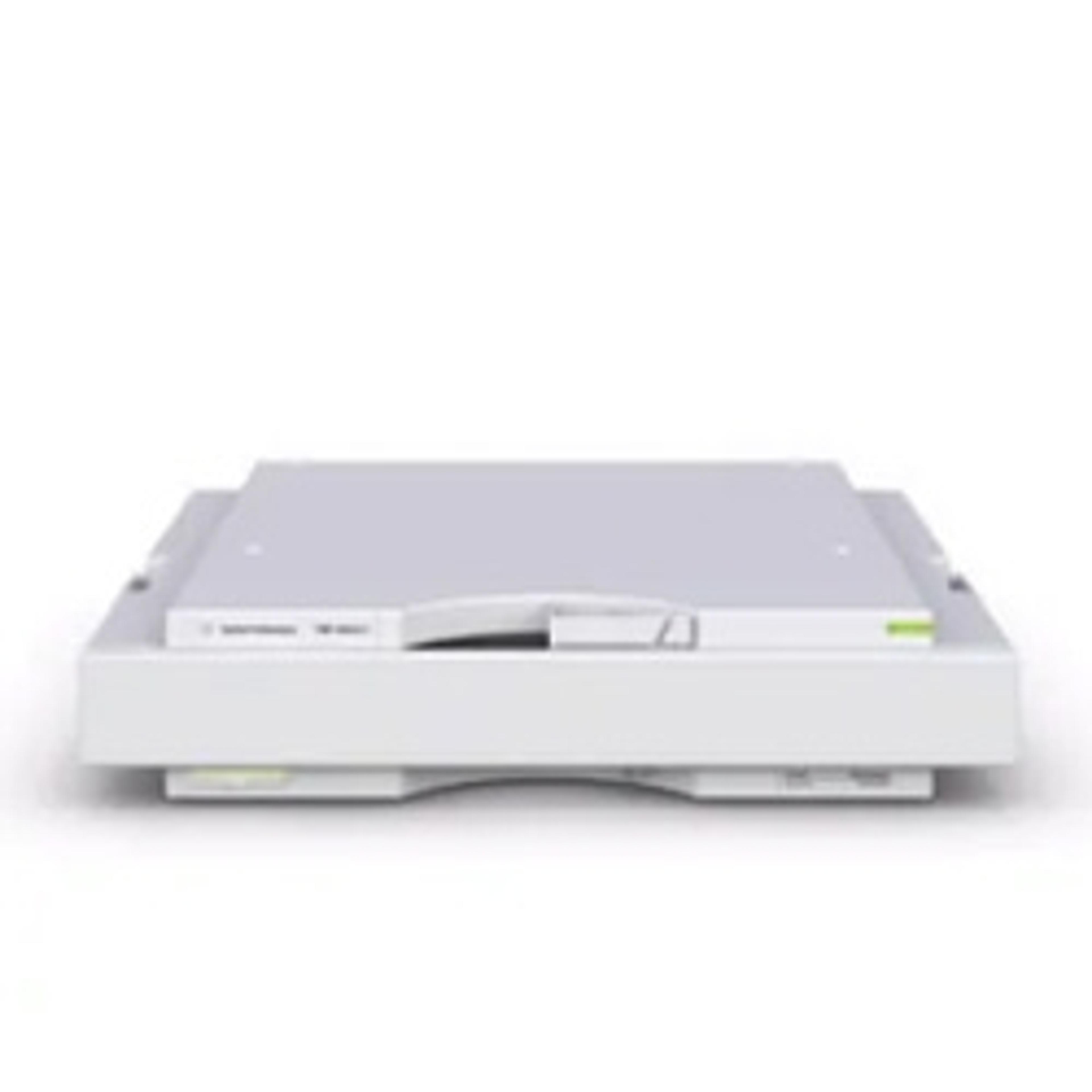
The 1260 Infinity II Degasser is suitable for analytical applications with flow rates up to 10 mL/min and up to four solvents. It is highly recommended for GPC/SEC applications using refractive index detection. It reduces baseline noise and quenching effects due to high degassing capacity.
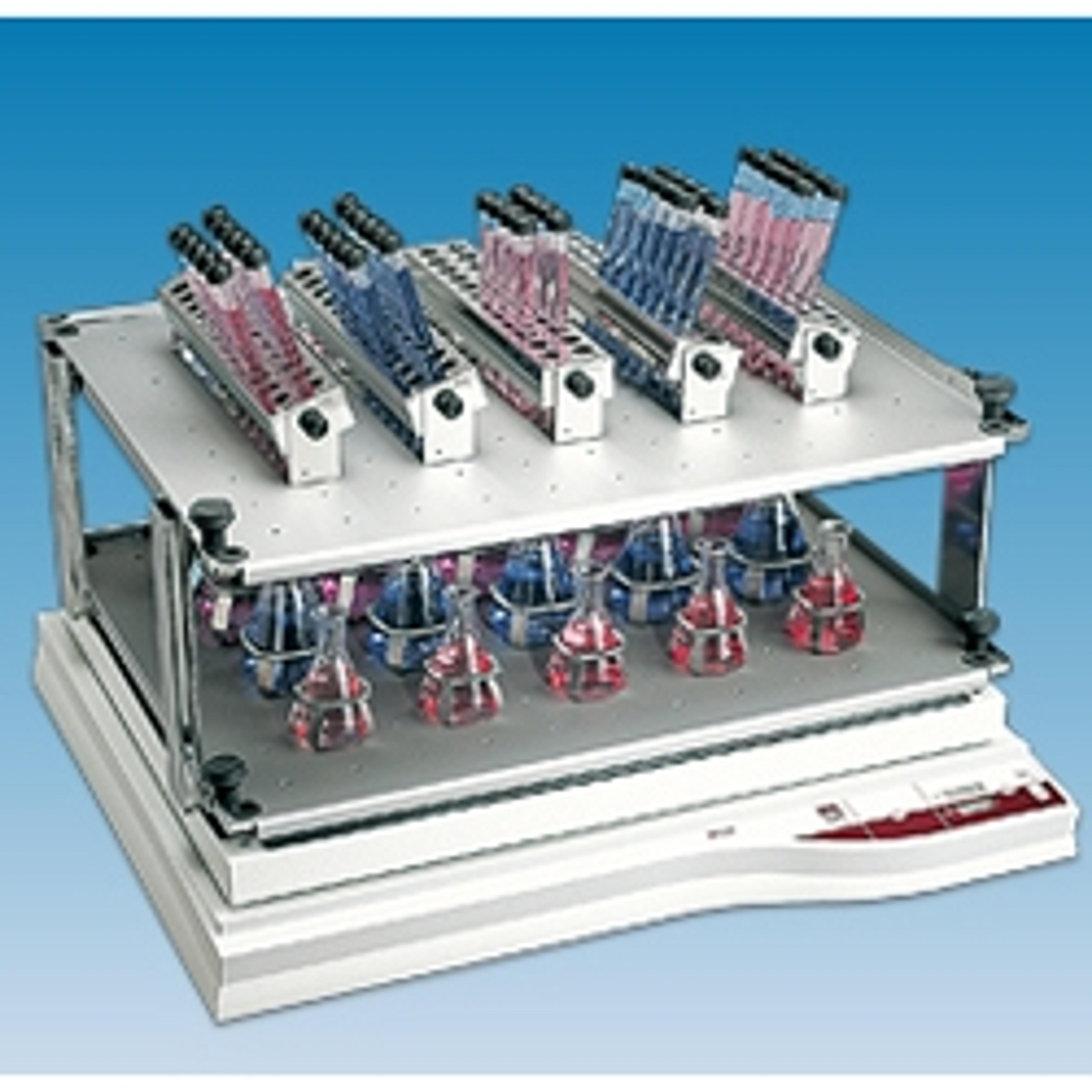
This powerful orbital shaker is preferably used for e. g. analytical or diagnostic applications in the pharmaceutical industry, chemistry, biology, in plant breeding or nutritional industry. It is well-suited for use in laboratories, incubation and moderating rooms in ambient temperatures between +10 and +50 °C.
Agilent MicroLab Expert is an advanced FTIR spectroscopy software that provides a new level of flexibility and spectral visualization for Agilent FTIR spectrometers. This state of-the-art software designed is for use when spectral visualization and data processing are required to tackle sophisticated analytical challenges.
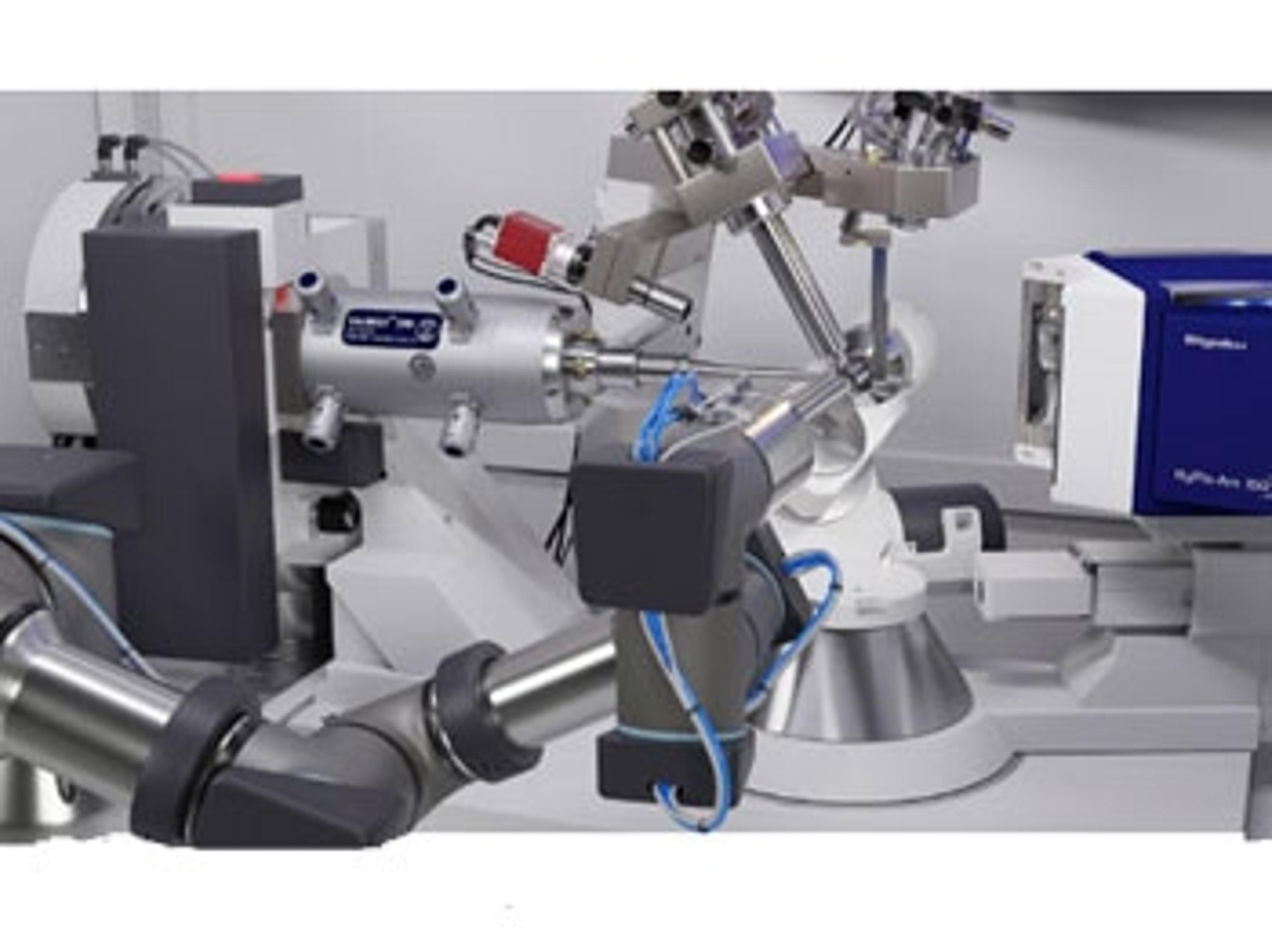
The new XtaLAB Synergy Flow X-ray diffraction system from Rigaku Oxford Diffraction is designed to enable unattended data acquisition, enhanced productivity and standardized workflow
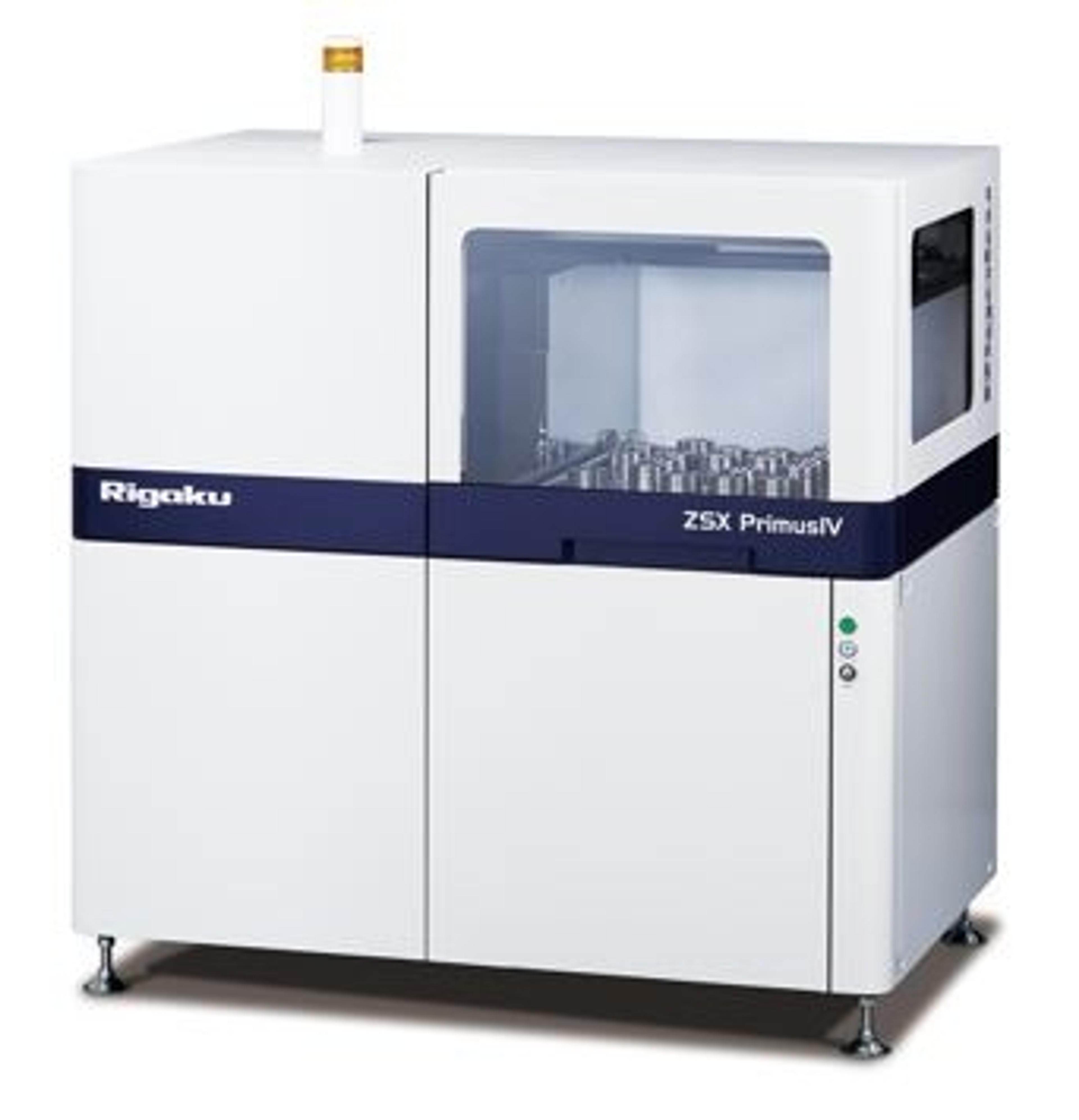
Rigaku to showcase its newest X-ray imaging analytical instrumentation at the 54th Meeting of the Texas Society for Microscopy
New analytical instruments and innovative software to drive breakthroughs in biopharmaceutical discovery, translational omics and safer water quality
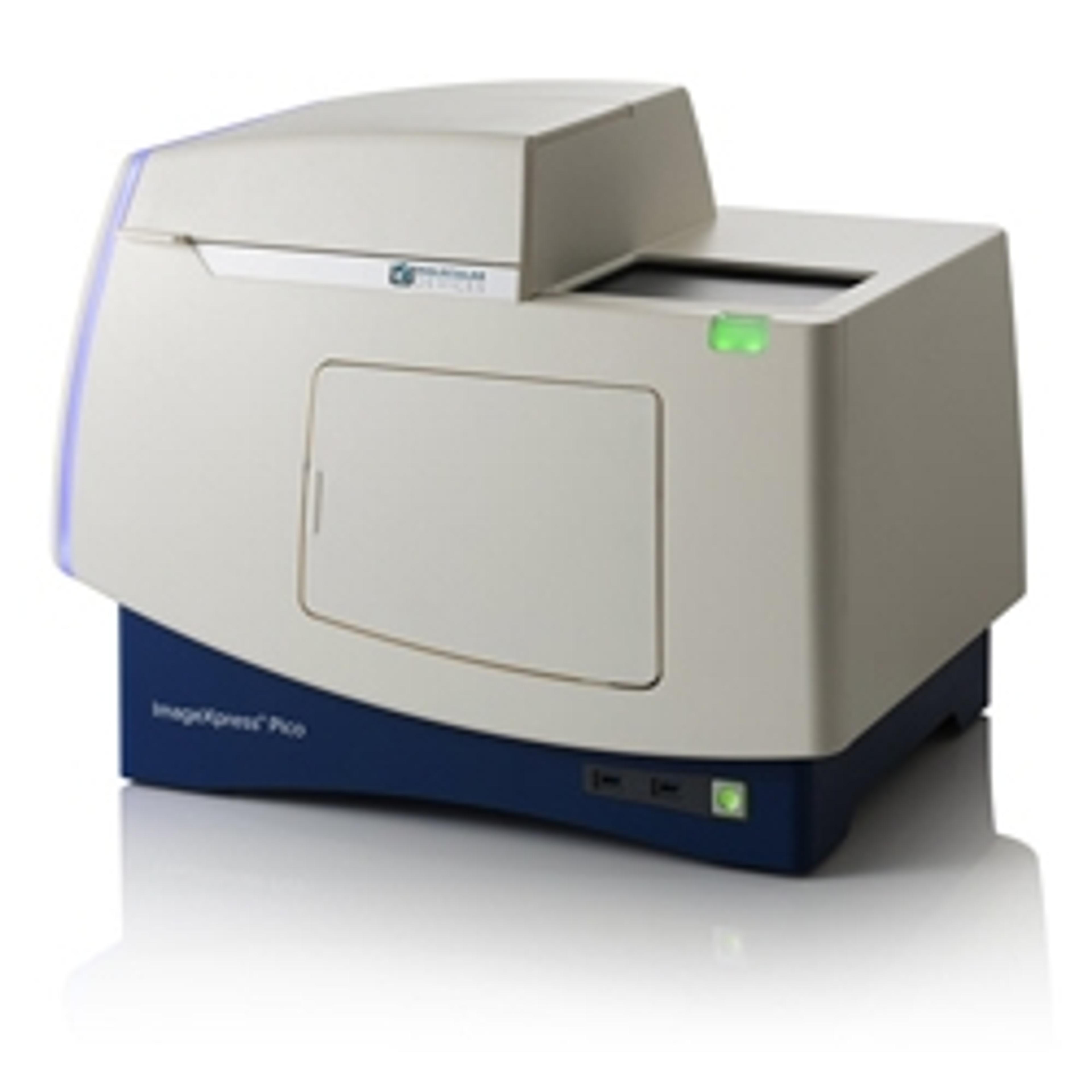
The new ImageXpress Pico system offers cellular imaging acquisition and at an affordable price point