ProductsLife Sciences
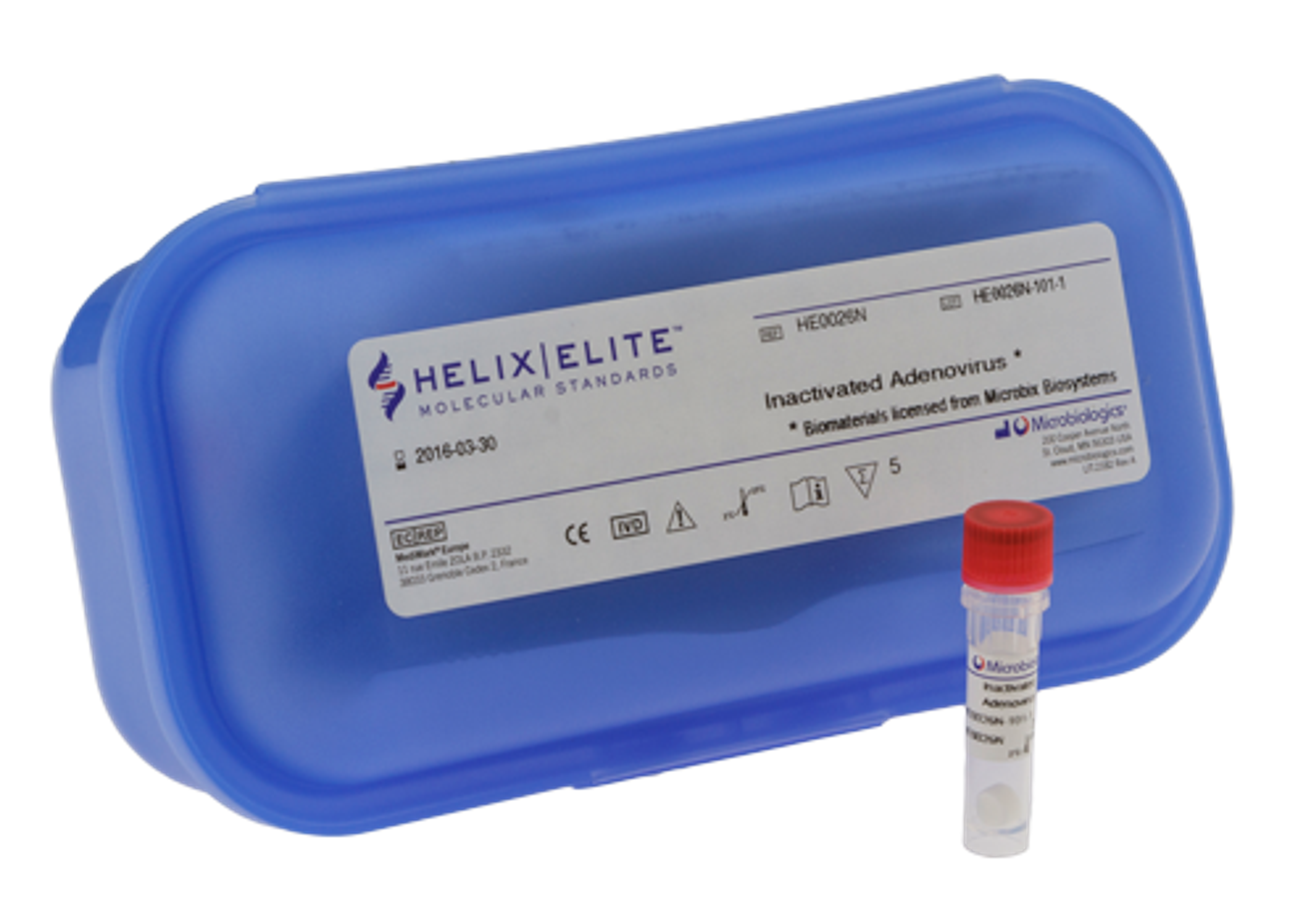
Helix Elite Molecular Standards - Inactivated Trichomonas vaginalis
MicrobiologicsQC Sets and Panels - For assay and instrument validation, verification, routine QC and proficiency

QC Sets and Panels - For assay and instrument validation, verification, routine QC and proficiency
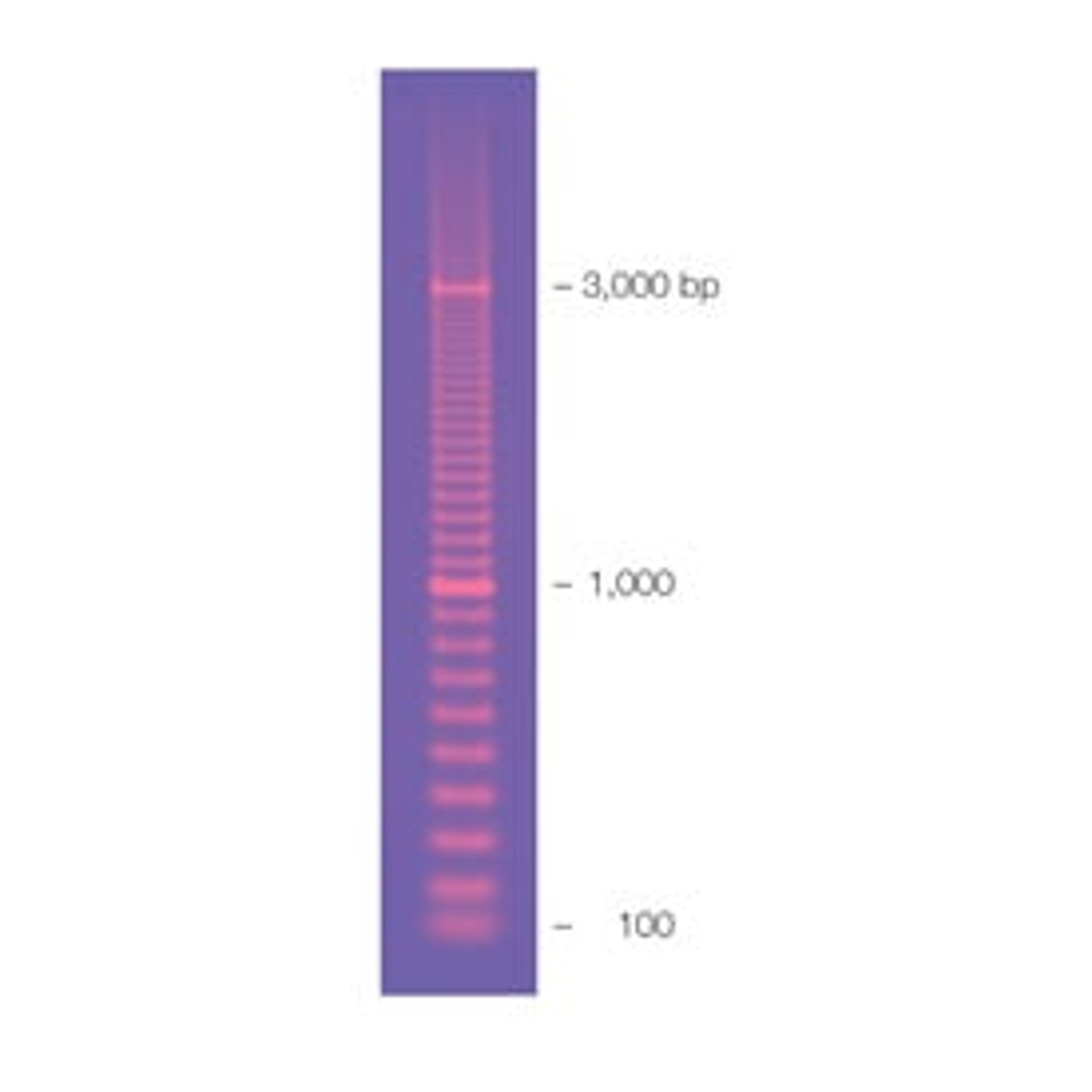
500 µl, 0.08 µg/µl, ready-to-load DNA standard, 100–3,000 bp, 30 bands, includes 1 ml 5x nucleic acid sample buffer, 100 applications
Boiling range: 96 - 98°Cn 18°C/D: 1.3735Density (d 20°C/4°C): 1.085Melting point: -118°CNote: ♦ Attention: All solutions of formaldehyde may contain a precipitate. This has no influence on the application.Formula: CH2OM: 30.03 g/molCAS-No.: 50-00-0HS-No.: 29121100EC-No.: 200-001-8Storage: RTLGK: 6.1 ADisposal: 7R: 23/24/25-34-39/23/24/25-40-43S: 26-36/37/39-45-51hazardidentification: toxic, corrosive, carcinogenic, sensitizing…
Boiling point: 1300°CMelting point: 646°CSolubility (20°C): 1800 g/L (H2O)Density (d 20°C/4°C): 3.983Formula: ClCsM: 168.36 g/molCAS-No.: 7647-17-8HS-No.: 28273985EC-No.: 231-600-2Storage: RTLGK: 10 - 13Disposal: 28WGK: 1Specification: DNases/RNases/Proteases: not detectableAssay: min. 99.999 %
Formula: C2H2O2M: 58.04 g/molCAS-No.: 107-22-2HS-No.: 29121990EC-No.: 203-474-9Storage: 2-8°CLGK: 10 - 13Disposal: 7R: 20-36/38-43-68S: 36/37hazardidentification: irritant, harmful, sensitizingWGK: 1Specification: DNases/RNases/Proteases: not detectableAssay (titr.): approx. 40 %
Melting point: approx. 253°CSolubility (20°C): 222 g/L (H2O)Formula: H2KO4PM: 136.09 g/molCAS-No.: 7778-77-0HS-No.: 28352400EC-No.: 231-913-4Storage: RTLGK: 10 - 13WGK: 1Specification: DNases/RNases/Proteases: not detectableAssay (titr.): min. 99.5 %
Formula: Cl3CoH18N6M: 267.48 g/molCAS-No.: 10534-89-1HS-No.: 28273930EC-No.: 234-103-9Storage: RTR: 36/37/38S: 26hazardidentification: irritantSpecification: DNases/RNases/Proteases: not detectableAssay (titr.): min. 99 %
Density (d 20°C/4°C): 0.944Melting point: -60°Cn 20°C/D: 1.4305Boiling point: 153°CFormula: C3H7NOM: 73.10 g/molCAS-No.: 68-12-2HS-No.: 29241900EC-No.: 200-679-5Storage: RTLGK: 6.1 ADisposal: 1R: 61-20/21-36S: 53-45hazardidentification: toxic for reproduction, harmful, irritantClass/PG: 3/IIIUN-No.: UN2265WGK: 1Specification: DNases/RNases/Proteases: not detectableAssay (GC): min. 99.5 %
Melting point: 116°C (dec.)Solubility (20°C): 1670 g/L (H2O)Formula: Cl2Mg · 6H2OM: 203.30 g/molCAS-No.: 7791-18-6HS-No.: 28273100EC-No.: 232-094-6Storage: RTLGK: 10 - 13Disposal: 14WGK: nwgSpecification: DNases/RNases/Proteases: not detectableAssay (titr.): min. 99.5 %
Formula: C2H3NaO2M: 82.03 g/molCAS-No.: 127-09-3HS-No.: 29152900EC-No.: 204-823-8Storage: RTLGK: 10 - 13WGK: 1Specification: DNases/RNases/Proteases: not detectableAssay (titr.): min. 99 %
Melting point: 175°CSolubility (20°C): 1000 g/L (H2O)Formula: CaCl2 · 2H2OM: 147.02 g/molCAS-No.: 10035-04-8HS-No.: 28272000EC-No.: 233-140-8Storage: RTLGK: 10 - 13Disposal: 14R: 36S: 22-24hazardidentification: irritantWGK: 1Specification: DNases/RNases/Proteases: not detectableAssay (titr.): min. 99.5 %
Boiling point: 123°CMelting point: 58°CSolubility (20°C): 1250 g/L (H2O)Formula: C2H3NaO2 · 3H2OM: 136.08 g/molCAS-No.: 6131-90-4HS-No.: 29152900EC-No.: 204-823-8Storage: RTLGK: 10 - 13WGK: nwgSpecification: DNases/RNases/Proteases: not detectableAssay (titr.): min. 99.5 %
Solubility (20°C): 710 g/L (H2O)Formula: MgO4S · 7H2OM: 246.48 g/molCAS-No.: 10034-99-8HS-No.: 28332100EC-No.: 231-298-2Storage: RTLGK: 10 - 13Disposal: 14WGK: 1Specification: DNases/RNases/Proteases: not detectableAssay (titr.): min. 99.5 %
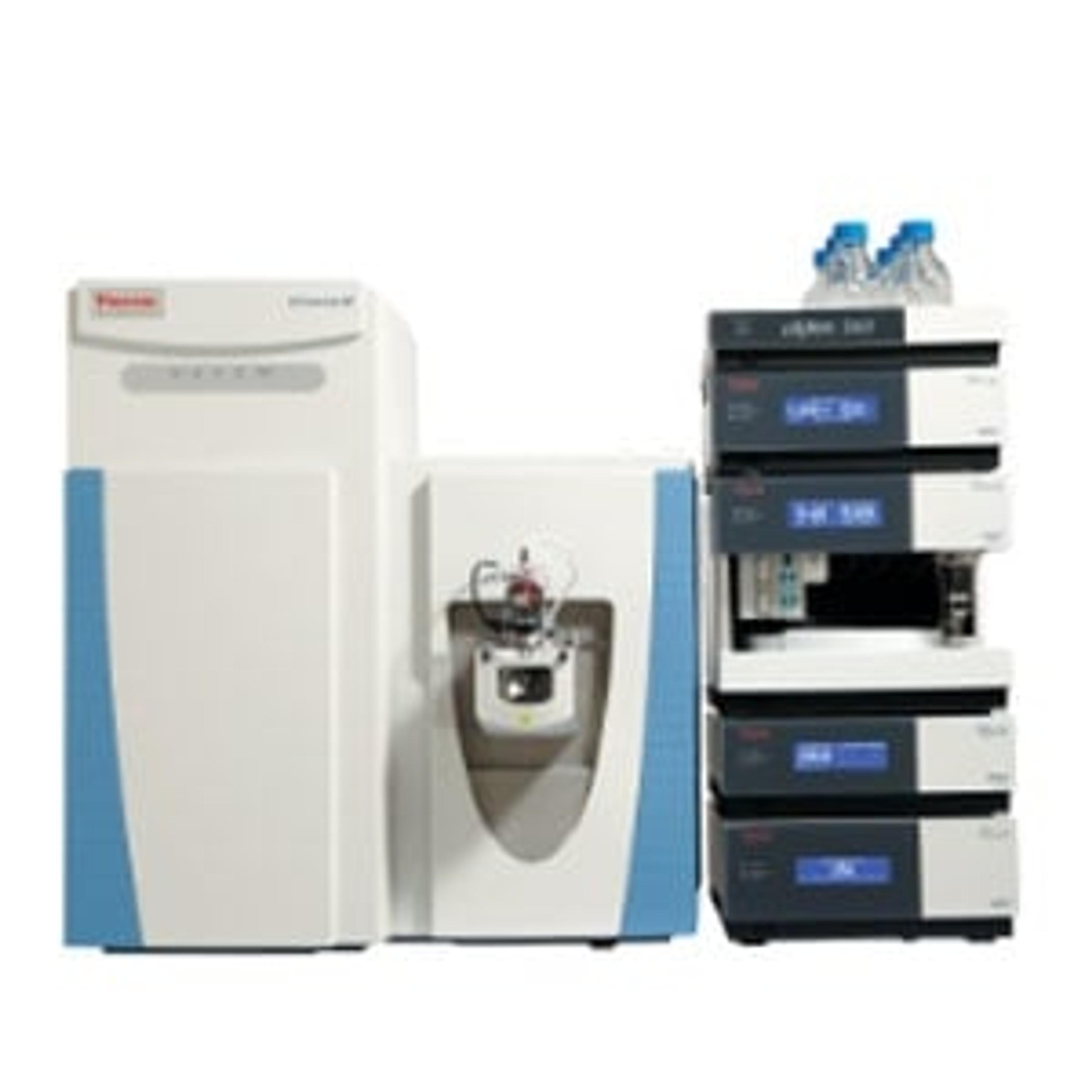
Identify and quantify more proteins, peptides, lipids, glycans and small molecules accurately and in less time with the Thermo Scientific™ Q Exactive™ HF hybrid quadrupole-Orbitrap mass spectrometer.
Prolytix, formerly Haematologic Technologies, has 30+ years of experience in protein chemistry, which ensures our team will identify and solve the challenges of your large molecule product.
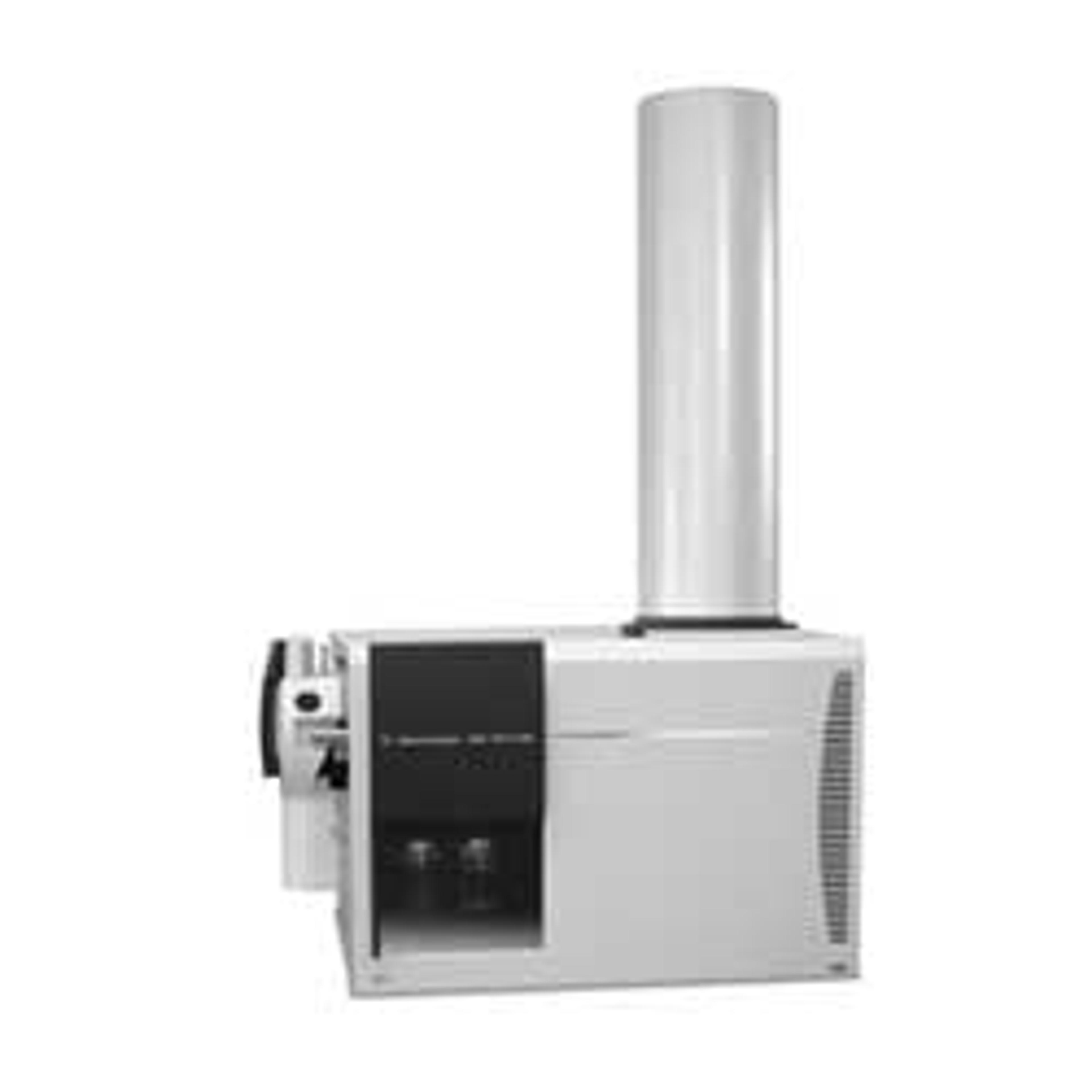
The Agilent 6230B Time-of-Flight LC/MS system delivers full-spectrum, high-resolution, accurate-mass data for screening, profiling and identifying small molecules, large biologic compounds, and everything in between.
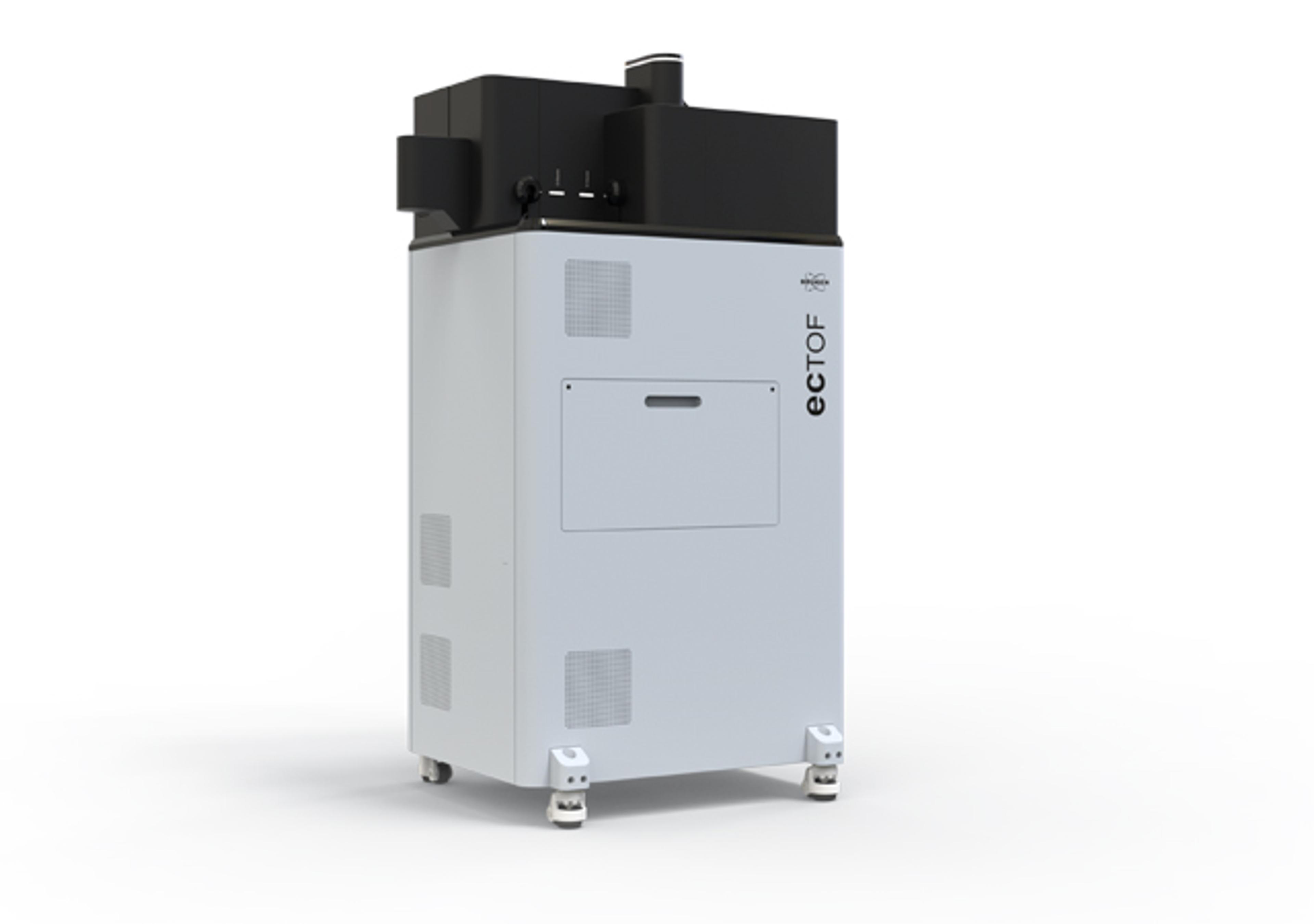
The ecTOF is the world’s first GC-HRMS with simultaneous acquisition of EI (Electron Ionization) and CI (Chemical Ionization) information in a single injection. While using EI as the gold-standard GC/MS ionization, the ecTOF in parallel operates a novel CI source. This way it simultaneously provides perfectly aligned accurate mass structural and molecular ion information within a single GC run.
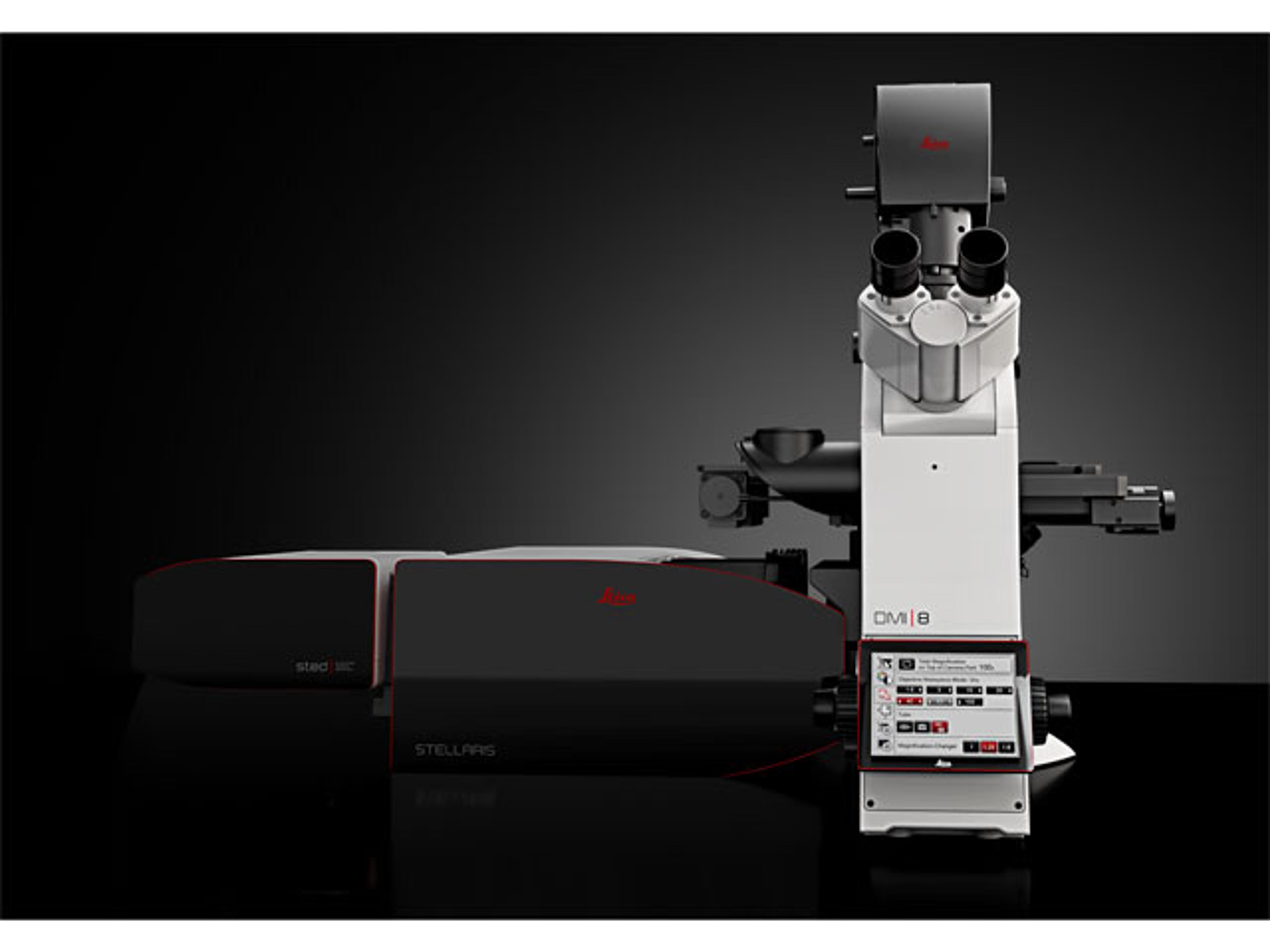
Our STED (stimulated emission depletion) technology joins the STELLARIS platform to provide you the fastest way of imaging beyond the diffraction limit. Obtain cutting-edge nanoscopy results in no time with astounding image quality and resolution, while protecting your sample. STED super-resolution allows you to study multiple dynamic events simultaneously, so you can investigate molecular relationships and mechanisms within…
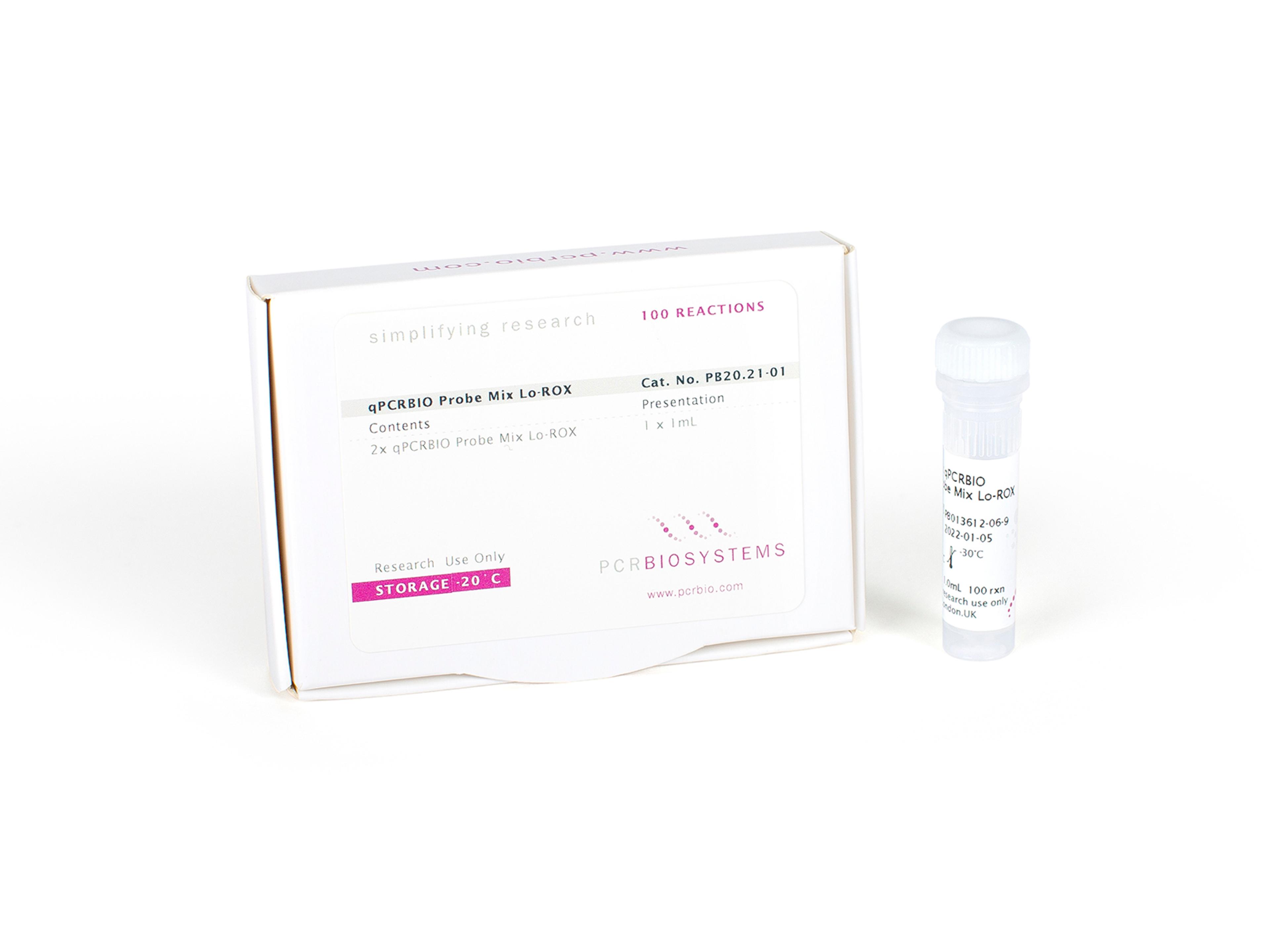
Our universal probe kit is designed to give superior sensitivity and specificity in all probe-based real-time PCR assays, including TaqMan, Scorpions and molecular beacon probes. Whether your application is for a singleplex or multiplex expression study or for genotyping and allelic discrimination analyses, qPCRBIO Probe Blue Mix is the robust choice for all your probe-based real-time PCR needs.
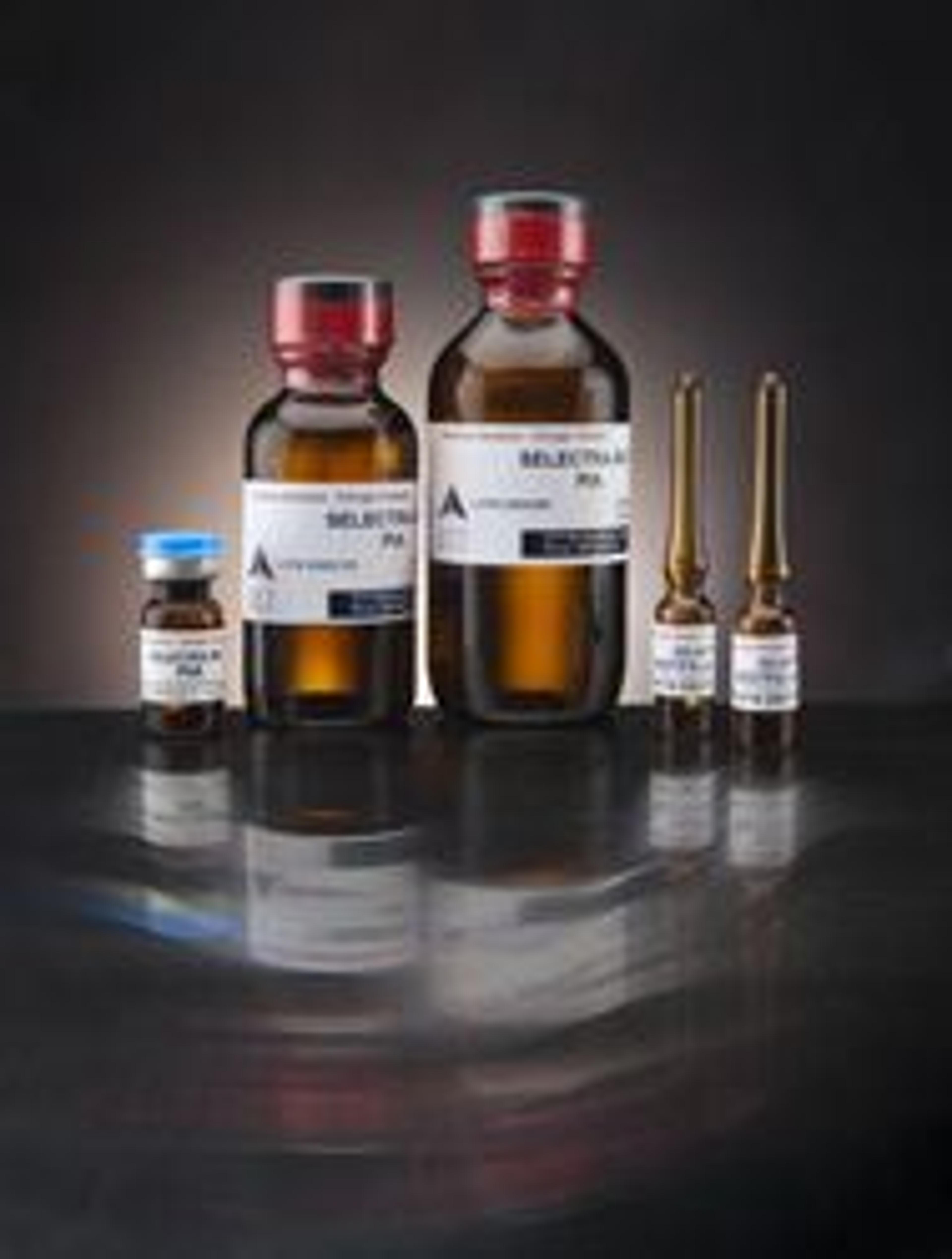
SELECTRA-SIL® Derivatizing Reagents SELECTRA-SIL® is an extensive line of derivatizing reagents manufactured by UCT at its facility in Bristol, PA. Our reagents are designed to increase molecular weight, lower boiling points, and create a more specific ion for compounds intended for gas chromatography and GC/MS. SELECTRA-SIL® Derivatizing Reagents Benefits: Improved chromatographic resolution - increased volatility - red…
The Yourgene Cystic Fibrosis Base assay is a Class C in vitro medical device under IVDR and is intended for use by healthcare professionals within a molecular laboratory environment