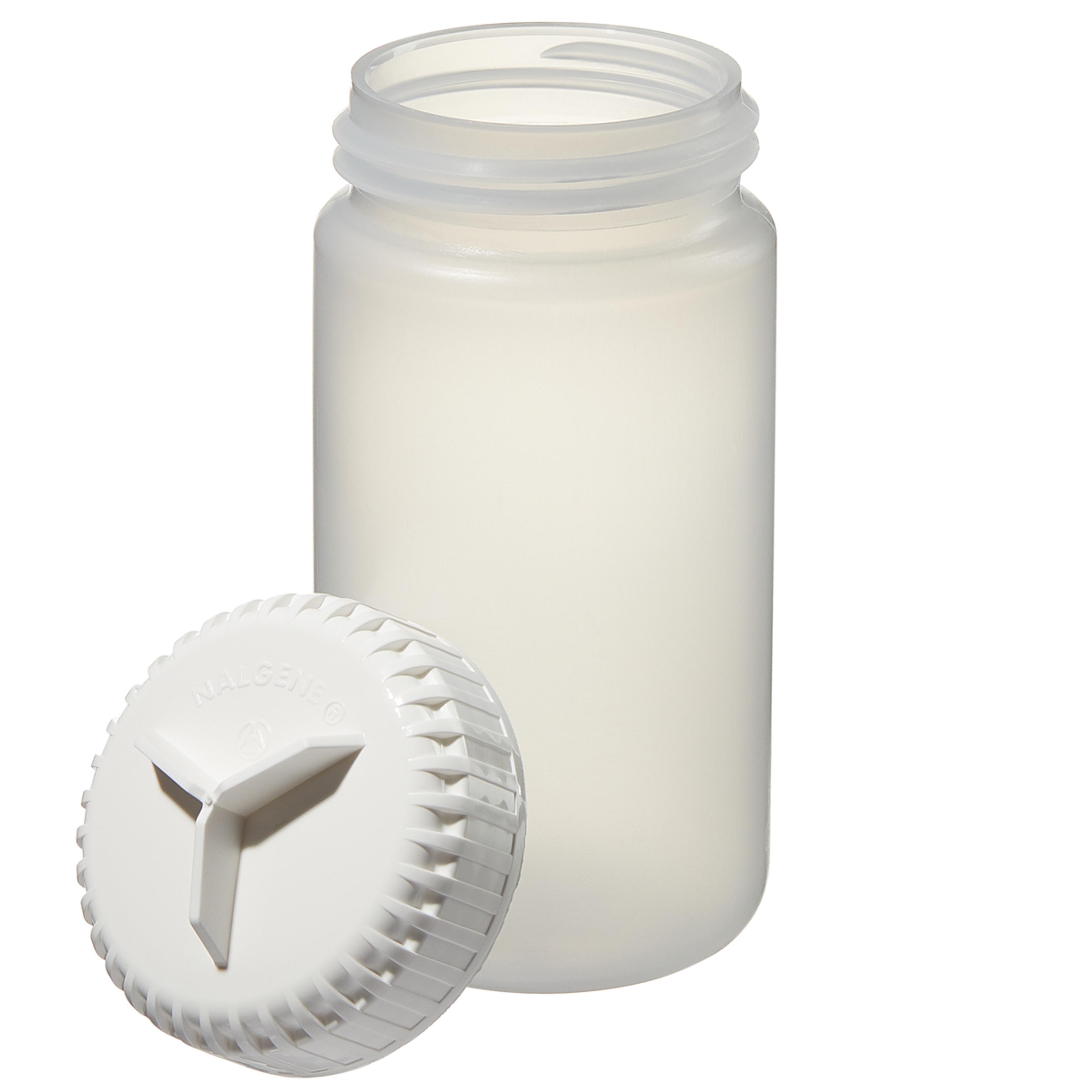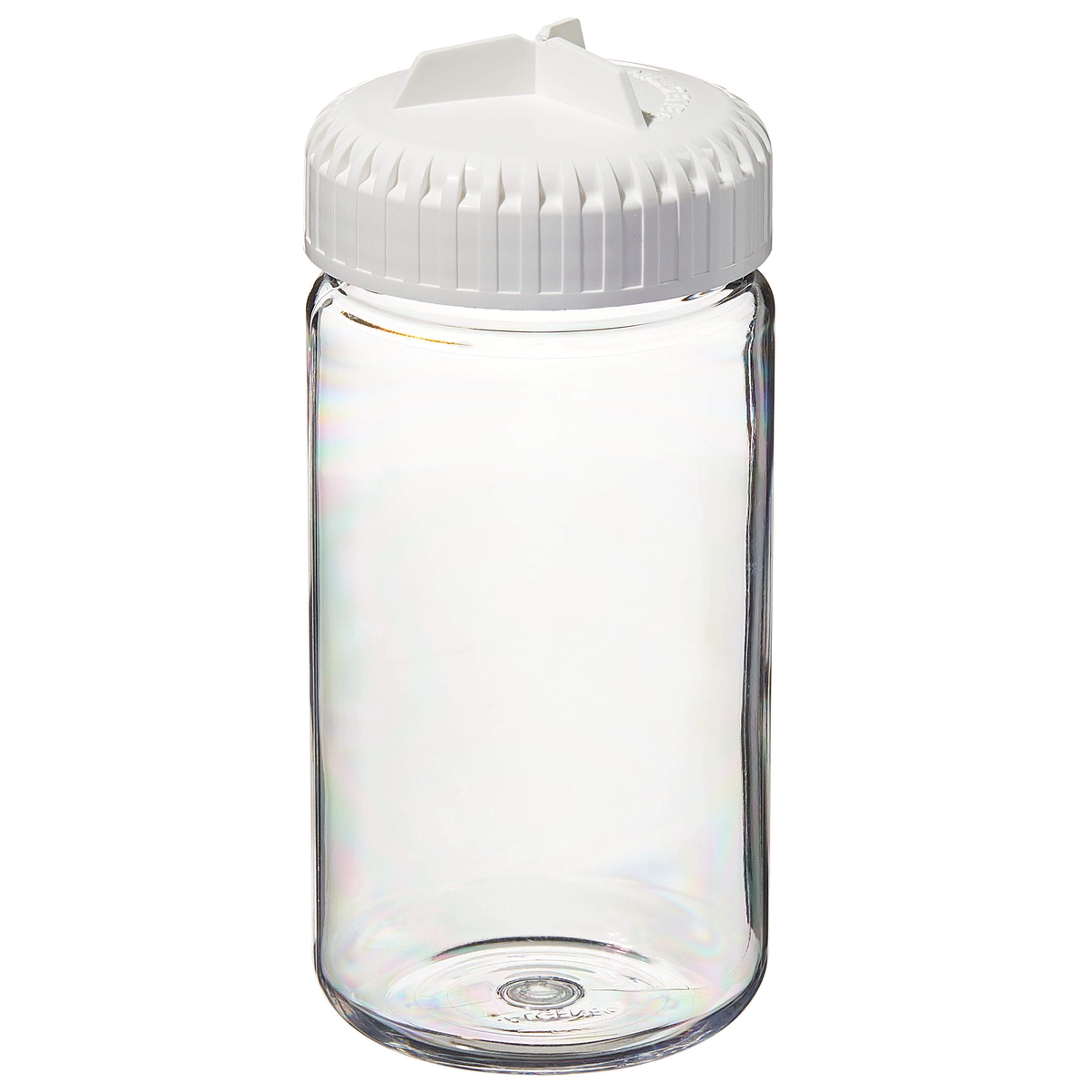
Nalgene™ Polycarbonate Centrifuge Bottles with Sealing Closure
Thermo Fisher ScientificProcess large-volume cell harvesting, pelleting and protein purification with these polycarbonate centrifuge bottles.

Process large-volume cell harvesting, pelleting and protein purification with these polycarbonate centrifuge bottles.
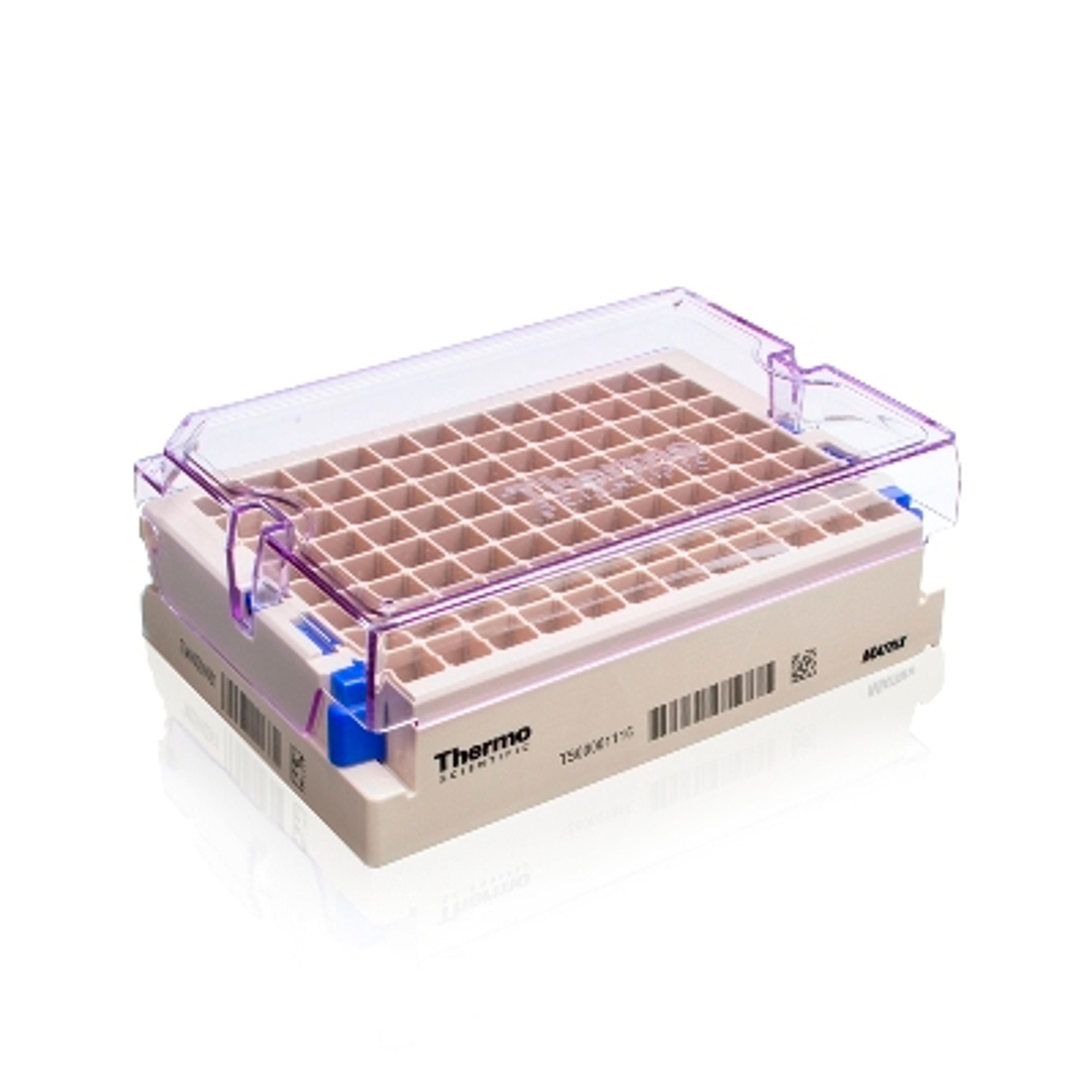
Create custom arrays with empty ANSI-format racks featuring 2D and linear barcodes and human readable type on three sides and a 2D barcode on the base of the rack.
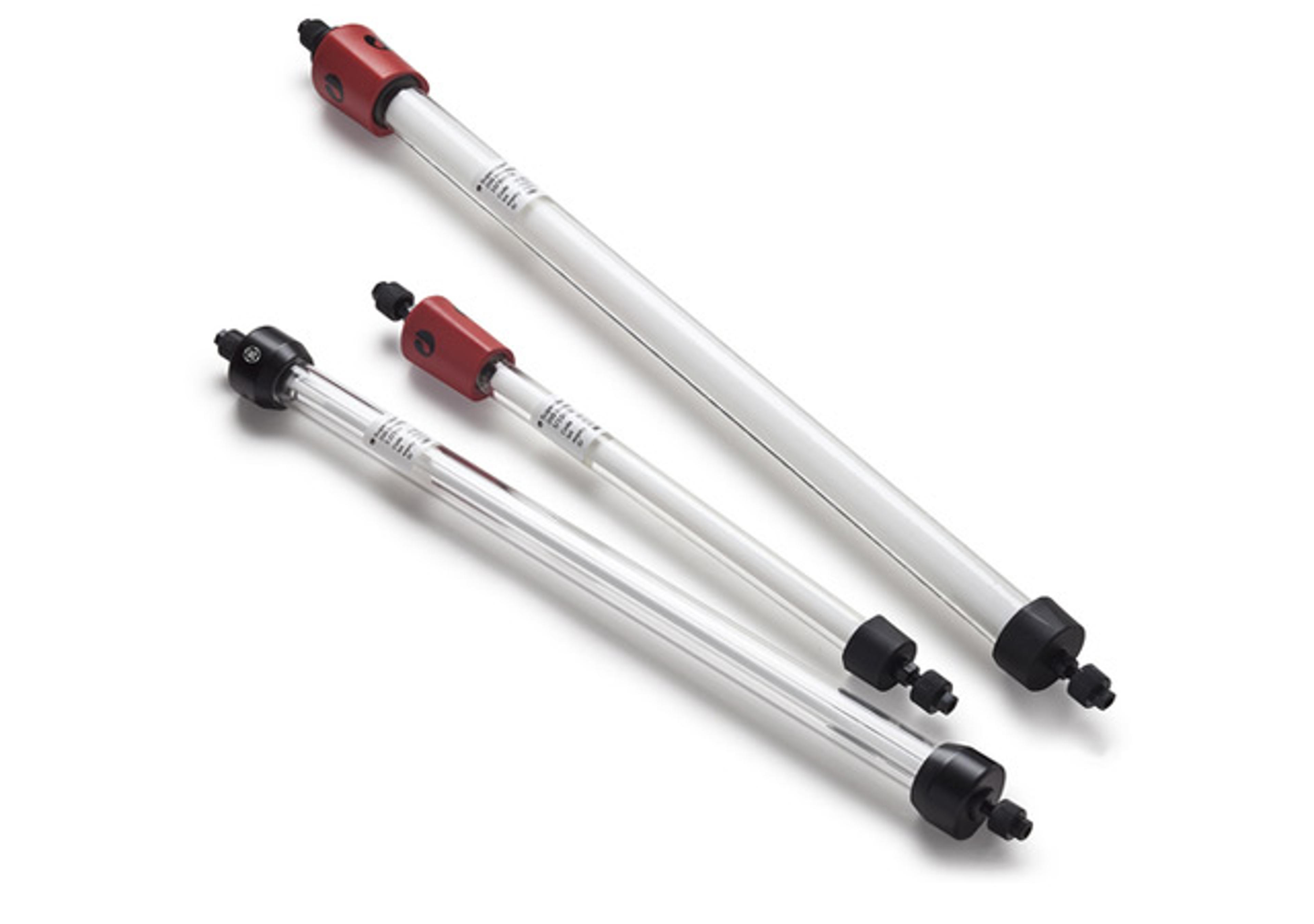
Size exclusion chromatography columns: for high-resolution purification and analysis of mAbs and proteins.
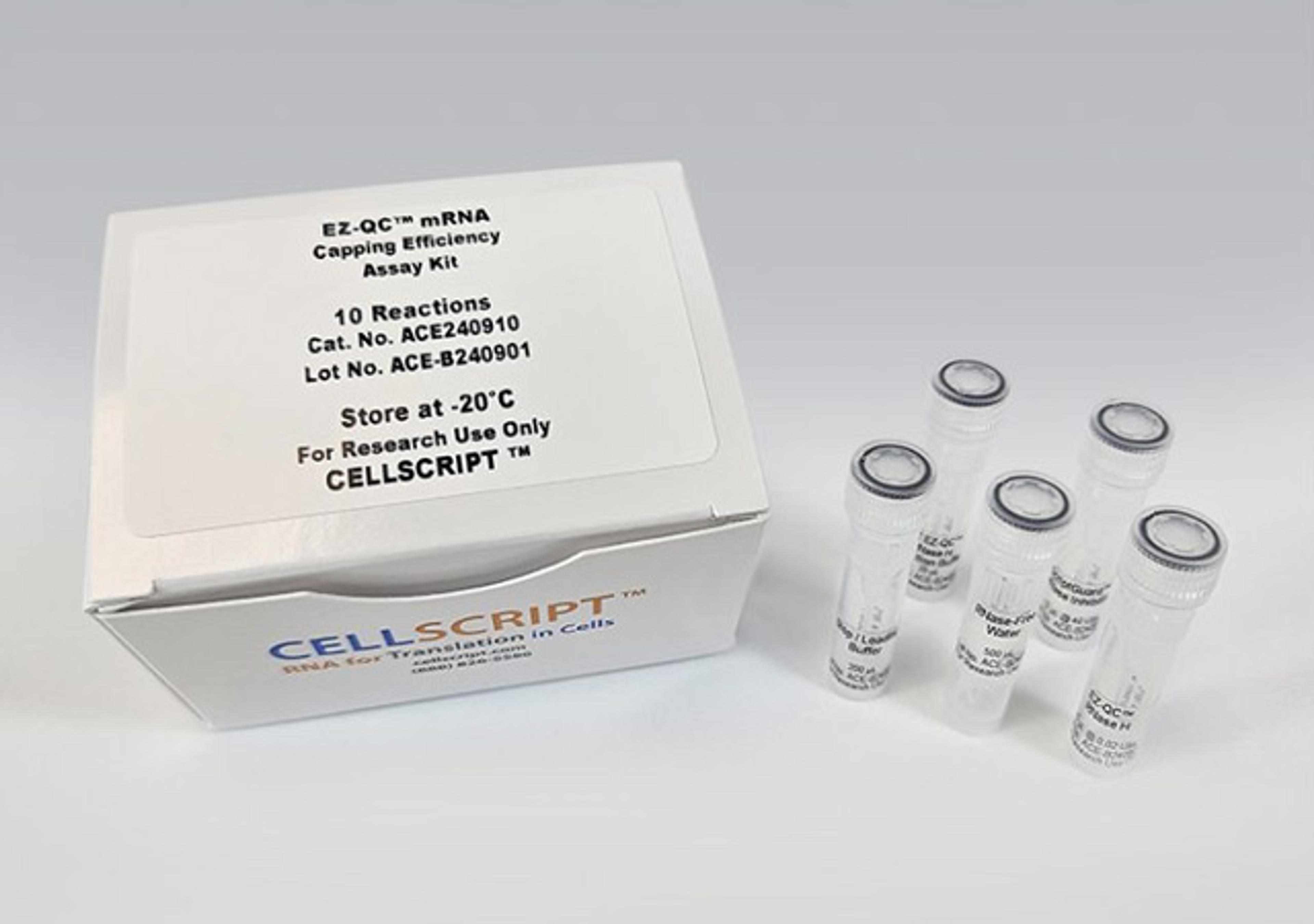
Quantitate mRNA capping efficiency (percent capped RNA content) using standard polyacrylamide gel electrophoresis (PAGE). Easy, cost-effective, benchtop method useful for QC as an alternative to HPLC and LC-MS analysis.
Centrifugalize low- to moderate-speed, large-volume, biological and chemical samples with these PPCO centrifuge bottles, which include a sealing closure for added leakproof† assurance at maximum speeds when spinning hazardous materials.
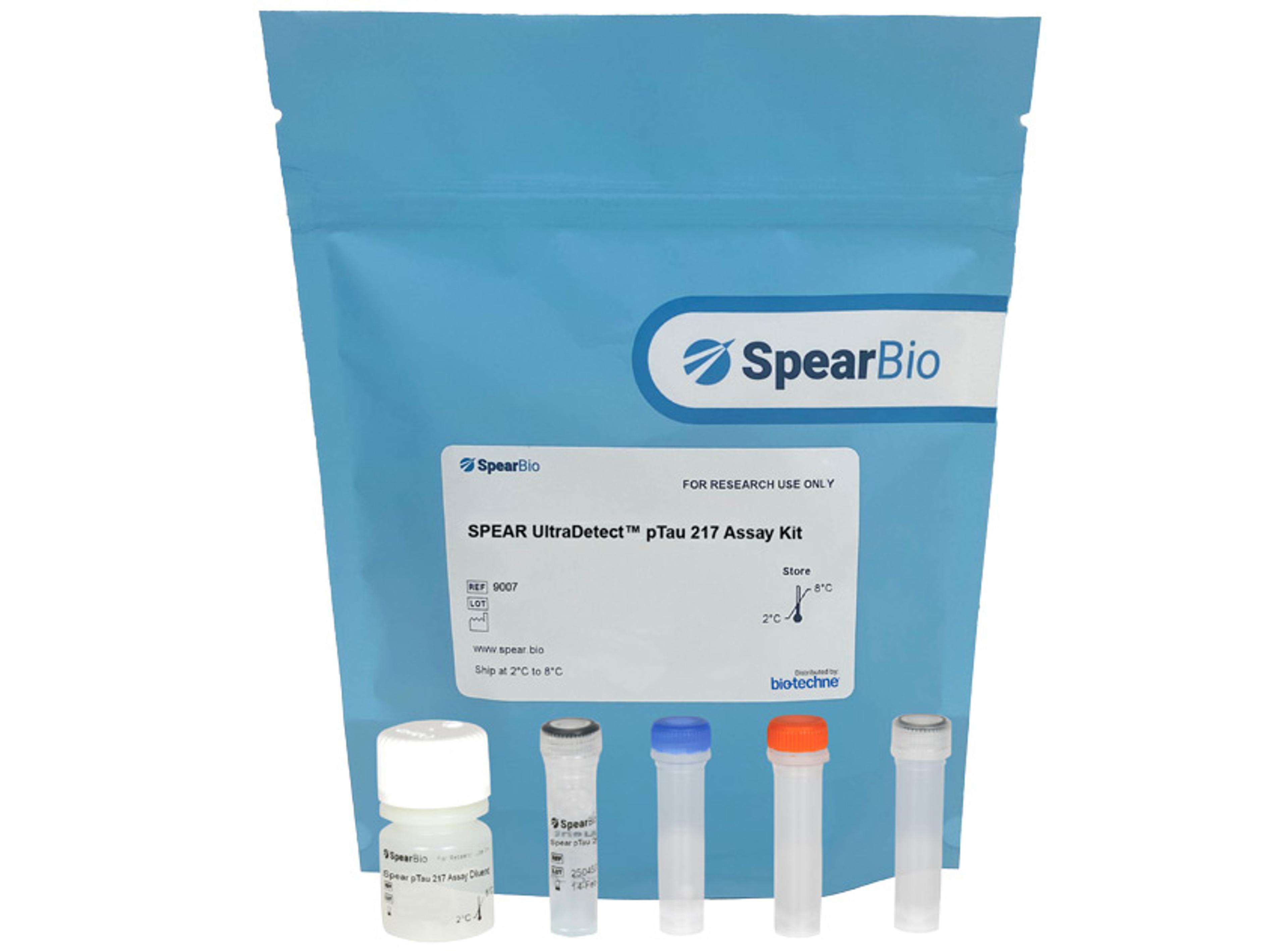
The SPEAR UltraDetect™ pTau 217 biomarker assay kit provides a highly specific tool for Alzheimer’s disease research, optimized for plasma samples. Requires SPEAR UltraDetect™ Reaction Kit. For research use only.
The Mosaic ELISA Human Growth Factor Panel 1 is an excellent tool for the detection of 6 different growth factors in the same sample. Mosaic ELISA kits employ multiplex microarray technology to provide an accurate, efficient, and economical alternative to conducting multiple traditional ELISA experiments. Growth factor is a term used to describe a broad range of structurally diverse molecular families and individual proteins b…
The QuickPick Plasmid DNA kit is intended for the purification of plasmid DNA. Designed for use with the PickPen magnetic tool, the kit uses MagaZorb™ technology to purify DNA from sample volumes up to 1.5 ml.
The QuickPick Plant DNA kit is intended for the purification of plant DNA. Designed for use with the PickPen magnetic tool, the kit uses MagaZorb™ technology to purify DNA from sample amounts of up to 25 mg (up to 15 mg when working with 96-well microplates) of plant material.
CHEMICON's Sure Blot® CHEMI™ Hybridization & Detection Kit is designed to provide high quality, non-radioactive detection of digoxigenin-labeled DNA probes hybridized to Sure Blot® Nylon Membrane. As an integrated hybridization and detection system, Sure Blot® CHEMI™ is quality controlled to produce high signal and low background. Comparable sensitivity to 32P is typically observed for single-copy gene detection. Sufficient re…
CHEMICON's EX-WAX™ DNA Extraction Kit is intended to extract DNA from paraffin-embedded tissue fixed in 10% Formalin or non-crosslinking fixatives. DNA extracted by this kit is suitable for amplification by PCR.
ChemiKine™ Pigment Epithelium-Derived Factor (PEDF) kit is a sandwich stripwell-type enzyme immunoassay (EIA), which measures PEDF. The kit will measure PEDF of vitreous fluid of human origin. With the ChemiKine™ PEDF assay system, a mouse monoclonal antibody generated against human PEDF is coated onto a microplate and is used to capture PEDF from a sample. A second, biotinylated PEDF-specific mouse monoclonal antibody detects…
MILLIPLEX® MAP EpiQuant™ technology uses computational algorithms to identify unique, continuous linear sequences (EpiQuant Sequences) in proteins. EpiQuant antibodies generated against EpiQuant sequences have pre-defined target specificity. Protein abundance and/or protein phosphorylation measurements are made at the peptide level, using EpiQuant antibodies, following proteolytic fragmentation of samples and liberation of Epi…
Chem-1 cells are an adherent cell line endogenously overexpressing Galpha15 that is used as a host for Chemicon's ChemiScreen™ GPCR Membrane Preparations. Chemicon's ChemiScreen™ Wild-Type Chem-1 Membrane Preparations are ideal controls for validation of radioligand binding assays employing ChemiScreen™ GPCR Membrane Preparations in the Chem-1 host cell line.
Chemicon's cloned human CXCR2-expressing cell line is made in the Chem-1 host, which supports high levels of recombinant CXCR2 expression on the cell surface and contains high levels of the promiscuous G protein Galpha15 to couple the receptor to the calcium signaling pathway. Thus, the cell line is an ideal tool for screening for antagonists of interactions between CXCR2 and its ligands.
Chemicon's cloned human recombinant CXCR4-expresssing cell lines is made in Chem-1 host, which support high levels of recombinant CXCR4 expression on the cell surface and contains high levels of the promiscuous G protein Galpha15 to couple the receptor to the calcium signaling pathway. Thus, the cell line is an ideal tool for screening for antagonists of interactions between CXCR4 and its ligands
Chemicon's cloned human CCR4-expressing cell line is made in the Chem-1 host, which supports high levels of recombinant CCR4 expression on the cell surface and contains high levels of the promiscuous G protein Ga15 to couple the receptor to the calcium signaling pathway. Thus, the cell line is an ideal tool for screening for antagonists of interactions between CCR4 and its ligands.
Chemicon's cloned human CCR7-expressing cell line is made in the Chem-2 host, which supports high levels of recombinant CCR7 expression on the cell surface and contains high levels of the promiscuous G protein Galpha16 to couple the receptor to the calcium signaling pathway. Thus, the cell line is an ideal tool for screening for antagonists of interactions between CCR7 and its ligands.
Chemicon's cloned human CX3CR1 -expressing cell line is made in the Chem-4 host, which supports high levels of recombinant CX3CR1 expression on the cell surface and contains high levels of promiscuous G proteins to couple the receptor to the calcium signaling pathway. Thus, the cell line is an ideal tool for screening for antagonists of interactions between CX3CR1 and its ligands.
Chemicon's cloned human C5a receptor-expressing cell line is made in the Chem-1 host, which supports high levels of recombinant C5aR expression on the cell surface and contains high levels of the promiscuous G protein Ga15 to couple the receptor to the calcium signaling pathway. Thus, the cell line is an ideal tool for screening for antagonists of C5a/C5aR interactions.
Chemicon's cloned human CB1-expressing cell line is made in the Chem-1 host, which supports high levels of recombinant CB1 expression on the cell surface and contains high levels of the promiscuous G protein Galpha15 to couple the receptor to the calcium signaling pathway. Thus, the cell line is an ideal tool for screening for agonists and antagonists of CB1.
Chemicon's cloned human CRF1-expressing cell line is made in the Chem-1 host, which supports high levels of recombinant CXCR2 expression on the cell surface and contains high levels of the promiscuous G protein Galpha15 to couple the receptor to the calcium signaling pathway. Thus, the cell line is an ideal tool for screening for antagonists of interactions between CRF1 and its ligands.
Chemicon's cloned human GPR54-expressing cell line is made in the Chem-1 host, which supports high levels of recombinant GPR54 expression on the cell surface and contains high levels of the promiscuous G protein Galpha15 to couple the receptor to the calcium signaling pathway. Thus, the cell line is an ideal tool for screening for agonists and antagonists of GPR54.
Chemicon's cloned human NTR1-expressing cell line is made in the Chem-1 host, which supports high levels of recombinant NTR1 expression on the cell surface and contains high levels of the promiscuous G protein Galpha15 to couple the receptor to the calcium signaling pathway. Thus, the cell line is an ideal tool for screening for antagonists of interactions between NTR1 and neurotensin.