
Search results for "kings college london"
Results per page
25
10000 Results Found | Selected Filters:

Application NoteLife Sciences
Immuno-oncology panel kits for imaging mass cytometry
Industry NewsLife Sciences
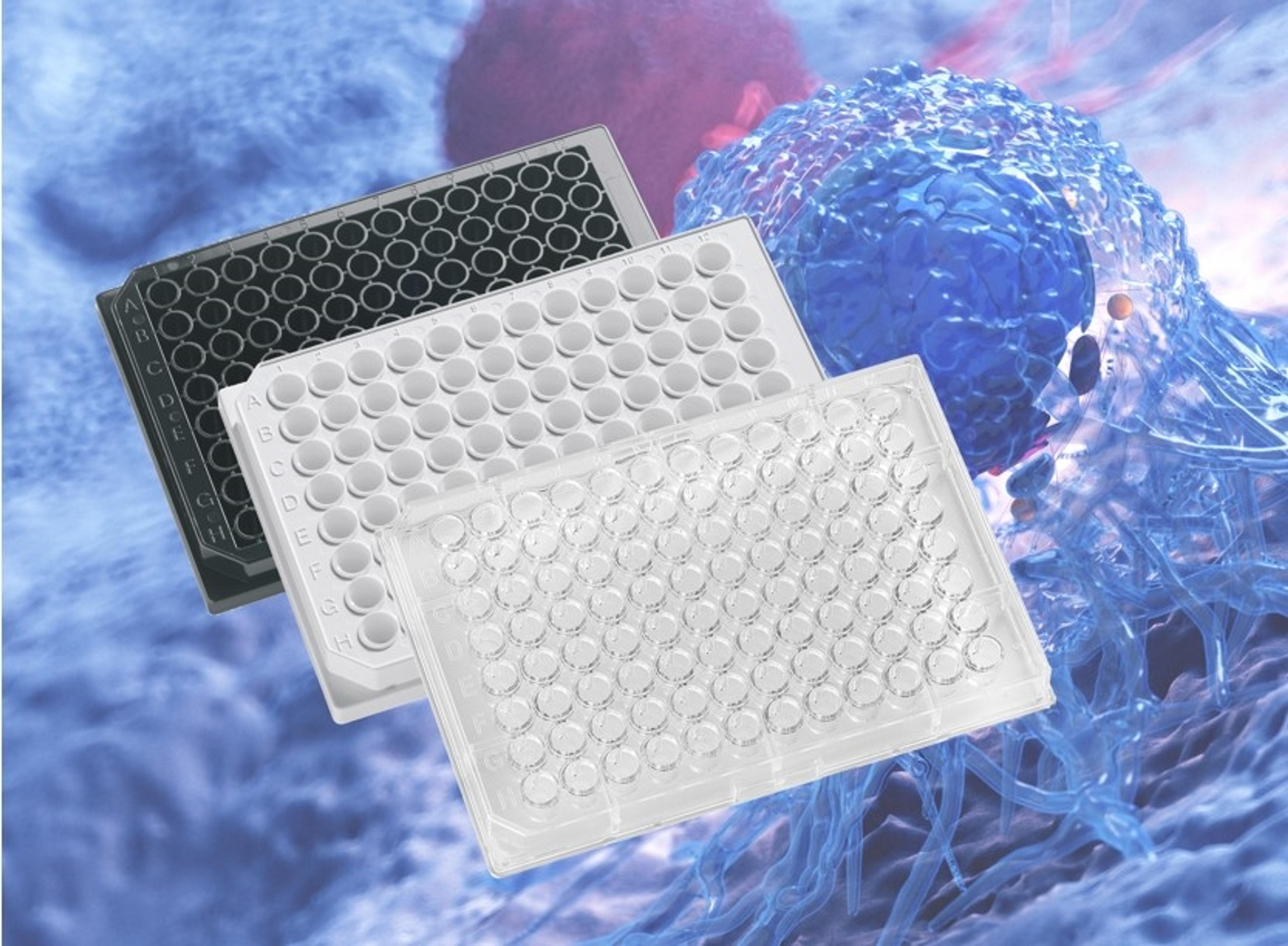
Specialist assay kits and microplates for cancer research
Porvair’s growing range of Chromatrap® ChIP kits for epigenetics research show promise

Editorial ArticleLife Sciences
New Centrifuge Technology Streamlines In Vitro Studies at University of Florida College of Veterinary Medicine
Learn about the essential multi-application centrifuge technology helping dermatology research
Product NewsDrug Discovery & Development
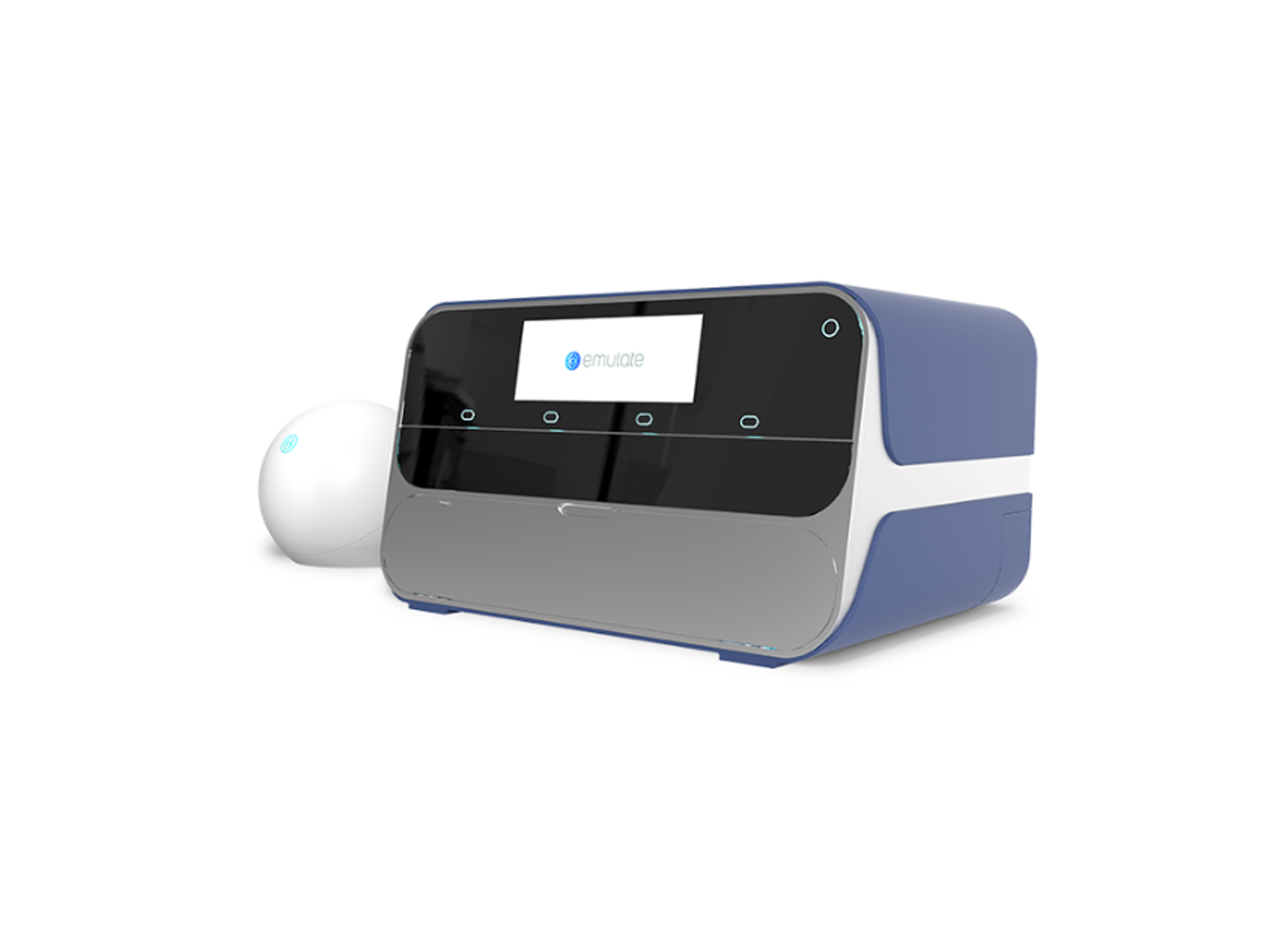
Emulate launches AVA emulation system to accelerate drug development with first-of-its-kind high-throughput organ-chip platform
Built-in incubation, automated imaging, and AI-ready data generation deliver in vivo fidelity at scale

ProductsLife Sciences
Type IIA Collagen N-Propeptide (PIIANP) ELISA
MerckType II collagen is the major collagen found in cartilage and is expressed in two forms: IIA and IIB.
ProductsLife Sciences
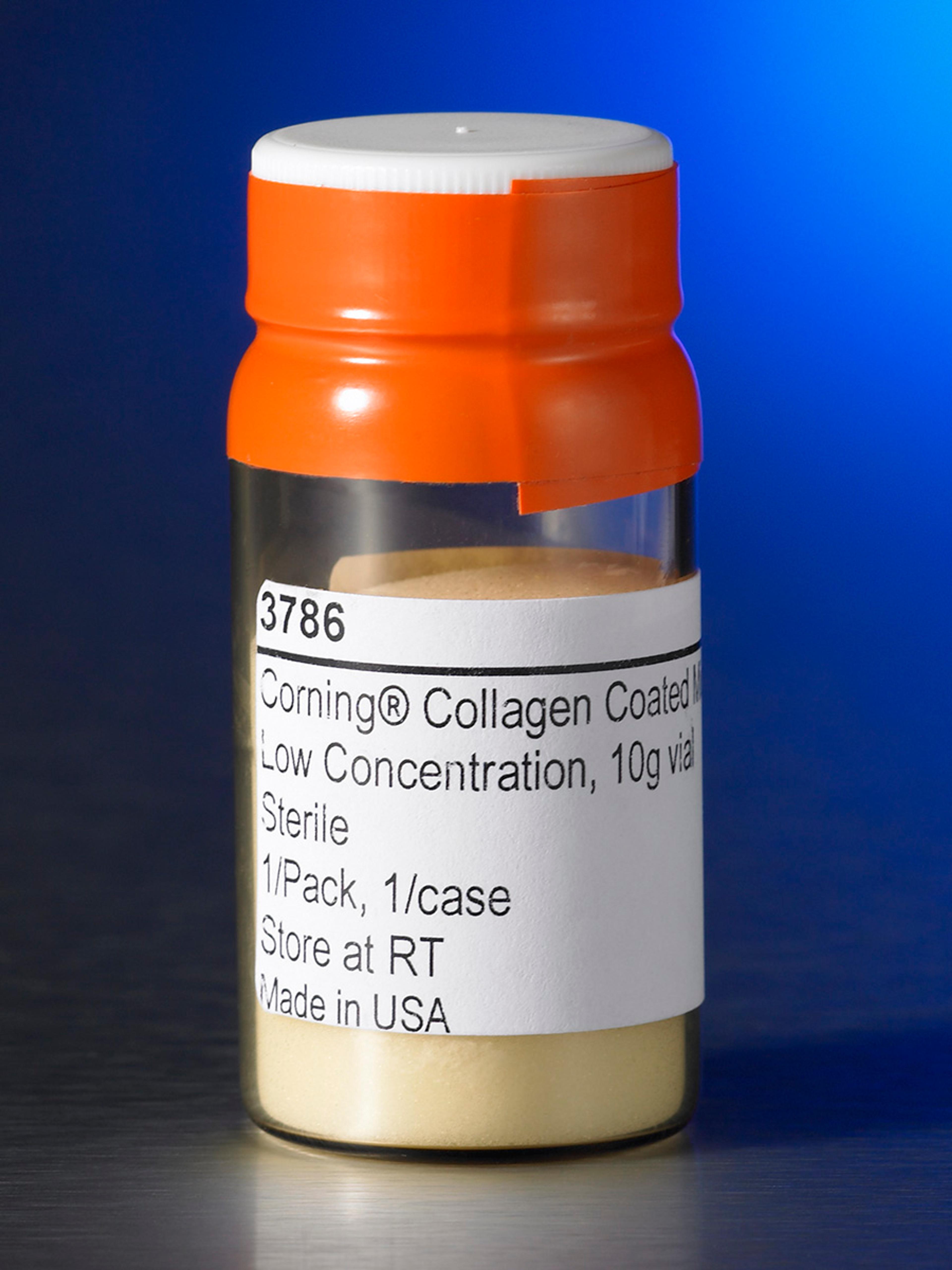
Corning® Collagen Coated Microcarriers, 10g Vial
Corning Life SciencesCorning Microcarriers are designed to simplify your scale-up processes. The microcarriers are sterile, ready to use, and available in closed systems packaging to be used directly with bioreactors. These microcarriers are collagen coated to enhance cell attachment and expansion.Features:USP Class VI polystyrene material provides a consistent platformHighest Sterility Assurance Level (SAL) of 10⁻⁶Certified nonpyrogenicType I Col…
ProductsLife Sciences
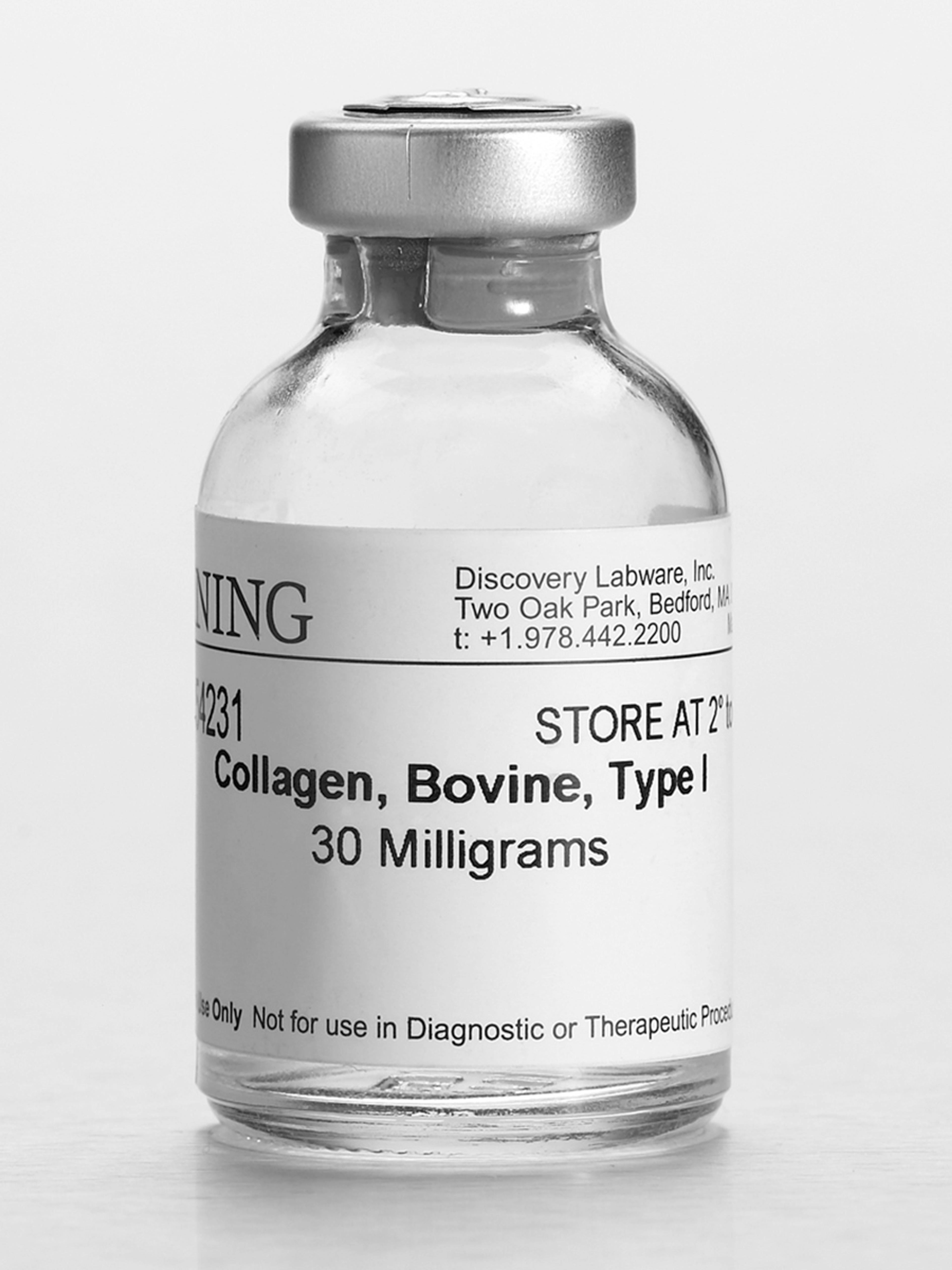
Corning® Collagen I, Bovine, 30 mg
Corning Life SciencesCorning® Collagen I, bovine, 30mg, is used either as a thin layer on tissue-culture surfaces to enhance cell attachment and proliferation, or as a gel to promote expression of cell-specific morphology and function. (Same as Cat. #40231)SourceBovine dermisQualityPurity > 95% by SDS-PAGEShown to promote attachment and spreading of HT-1080 human fibrosarcoma cellsTested for formation of a firm gel by exposure to ammonia vapors fr…
ProductsLife Sciences
Corning® Collagen IV, Mouse, 1 mg
Corning Life SciencesCorning® Collagen IV, mouse, 1mg, is used as a thin coating on tissue-culture surfaces to promote cell attachment and proliferation and to study the collagen's effects on cell behavior.SourceSource material tested for HBsAG, for anti-HIV-1 and anti-HIV-2, and anti-HCV virus-1 and virus-2.QualityElectrophoretically homogeneous (SDS-PAGE)Tested and found negative for bacteria, fungi, and mycoplasmaPreparation and StorageStable f…
ProductsLife Sciences
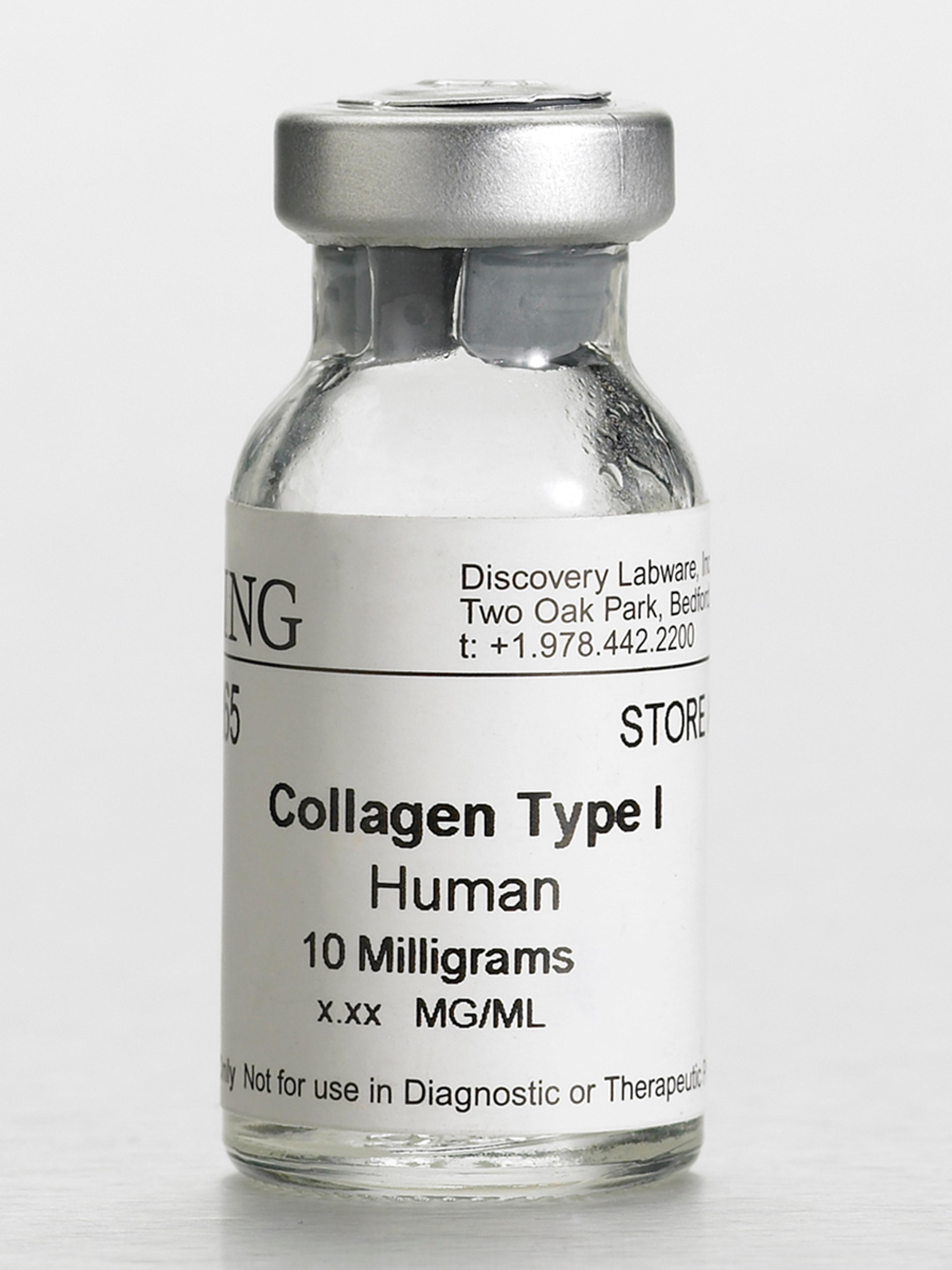
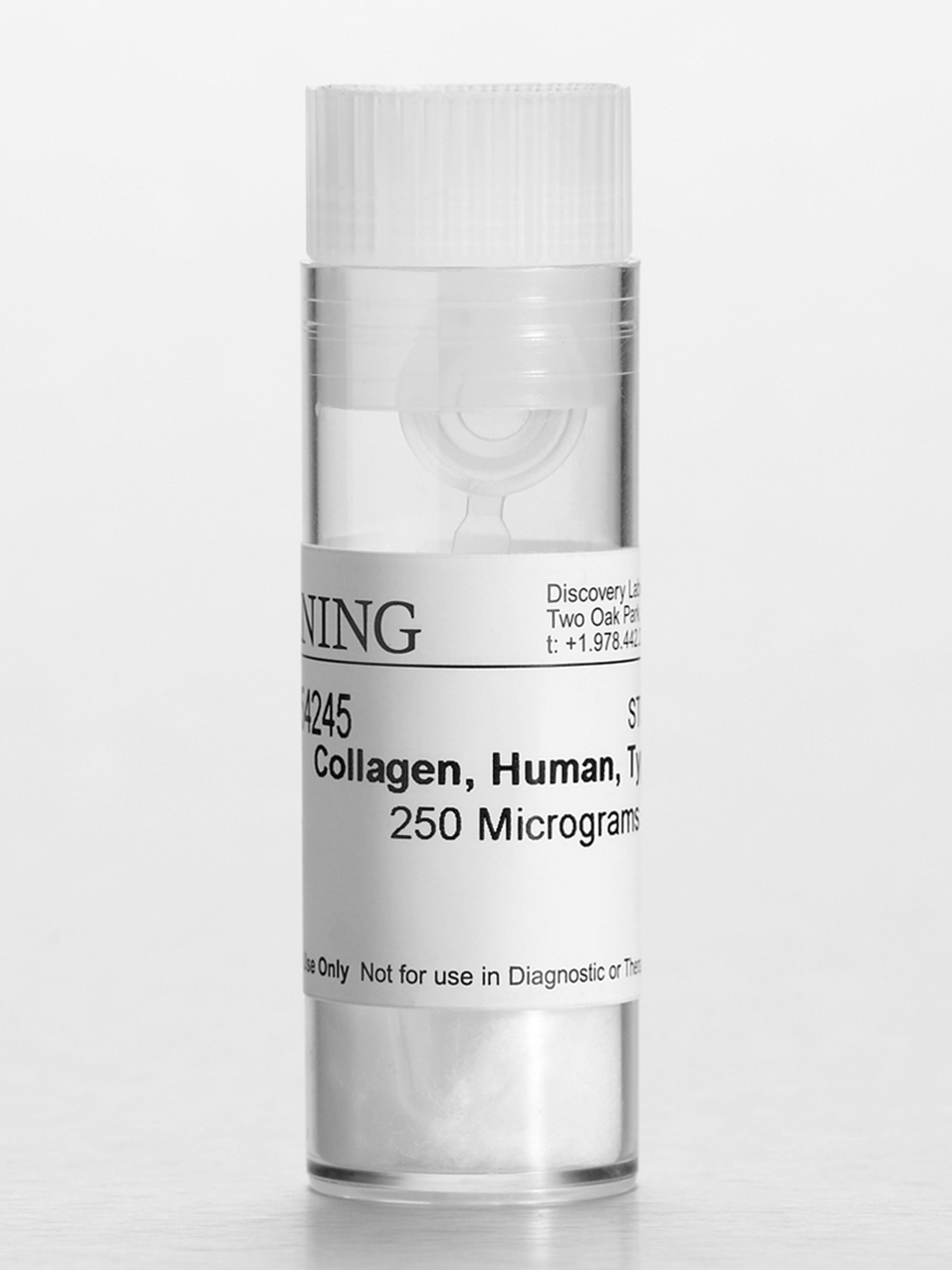
Corning® Collagen I, Human, 0.25 mg
Corning Life SciencesCorning® Collagen I, human, 0.25mg, is used either as a thin layer on tissue-culture surfaces to enhance cell attachment and proliferation, or as a gel to promote expression of cell-specific morphology and function. (Same as Cat. #40243)SourceHuman PlacentaQualityElectrophoretically homogeneous (SDS-PAGE)Shown to promote attachment and spreading of HT-1080 human fibrosarcoma cellsTested and found negative for bacteria, fungi,…
ProductsLife Sciences
Corning® Collagen IV, Human, 0.25 mg
Corning Life SciencesCorning® Collagen IV, human, 0.25mg, is used as a thin coating on tissue-culture surfaces to promote cell attachment and proliferation and to study the collagen's effects on cell behavior.SourceHuman placenta. NOTE: Source material tested for HBsAG, for anti-HIV-1 and anti-HIV-2, and anti-HCV virus-1 and virus-2.QualityElectrophoretically homogeneous (SDS-PAGE)Tested and found negative for bacteria, fungi, and mycoplasmaPrepar…
ProductsLife Sciences
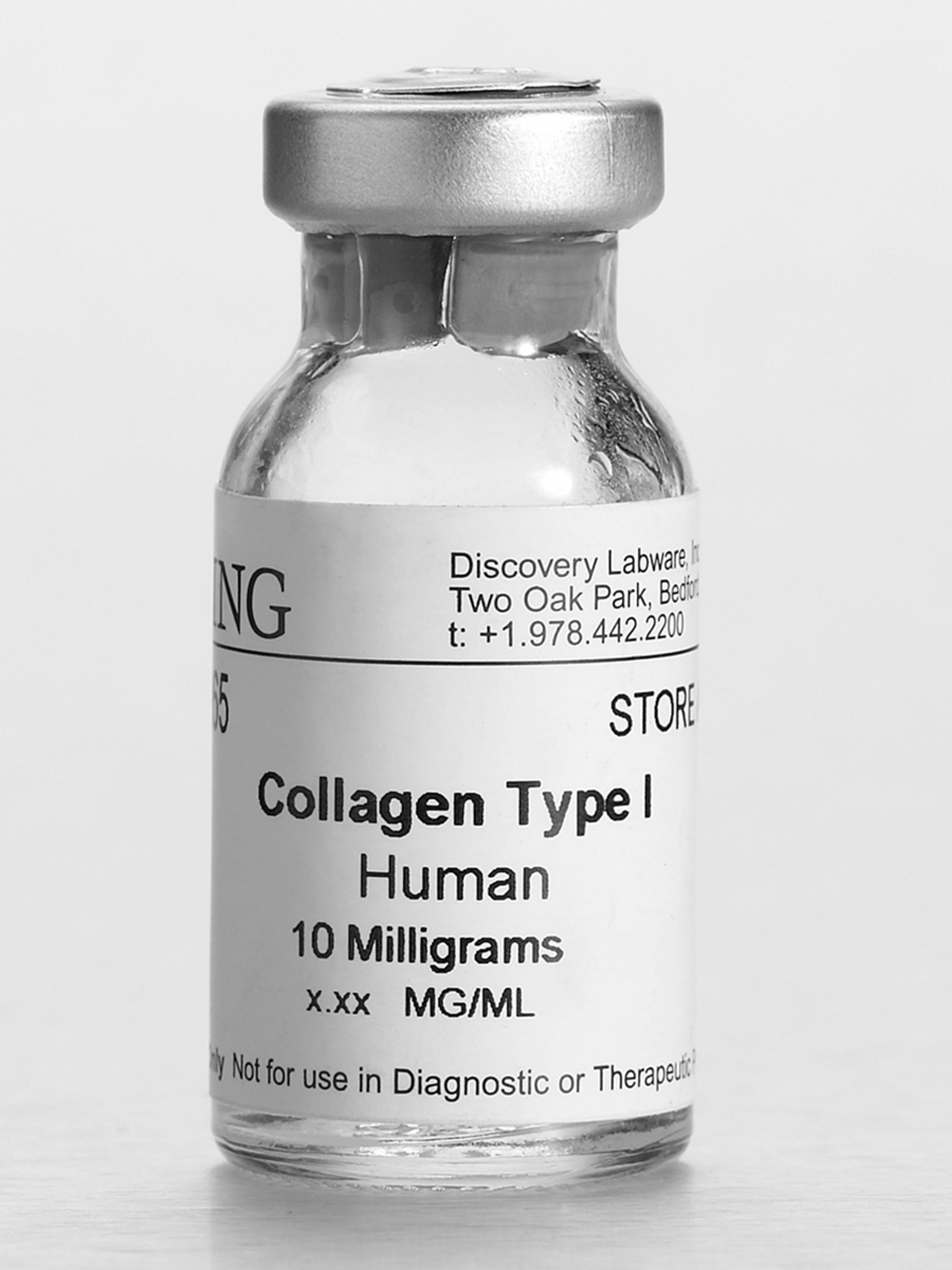
Corning® Collagen I, Human, 10 mg
Corning Life SciencesCorning® Collagen I, human, 10mg, is effective as a gel or thin coating at a recommended concentration of 0.2-2µg/cm2 of growth surface depending on cell type (guidelines for coating included with product).FormulationFrozen in 2mM HClSourceHuman placenta. Source material tested for hepatitis B antigen and HIV-1 antibody.QualityElectrophoretically homogeneous (SDS-PAGE)Shown to promote attachment and spreading of HT-1080 human…
ProductsLife Sciences
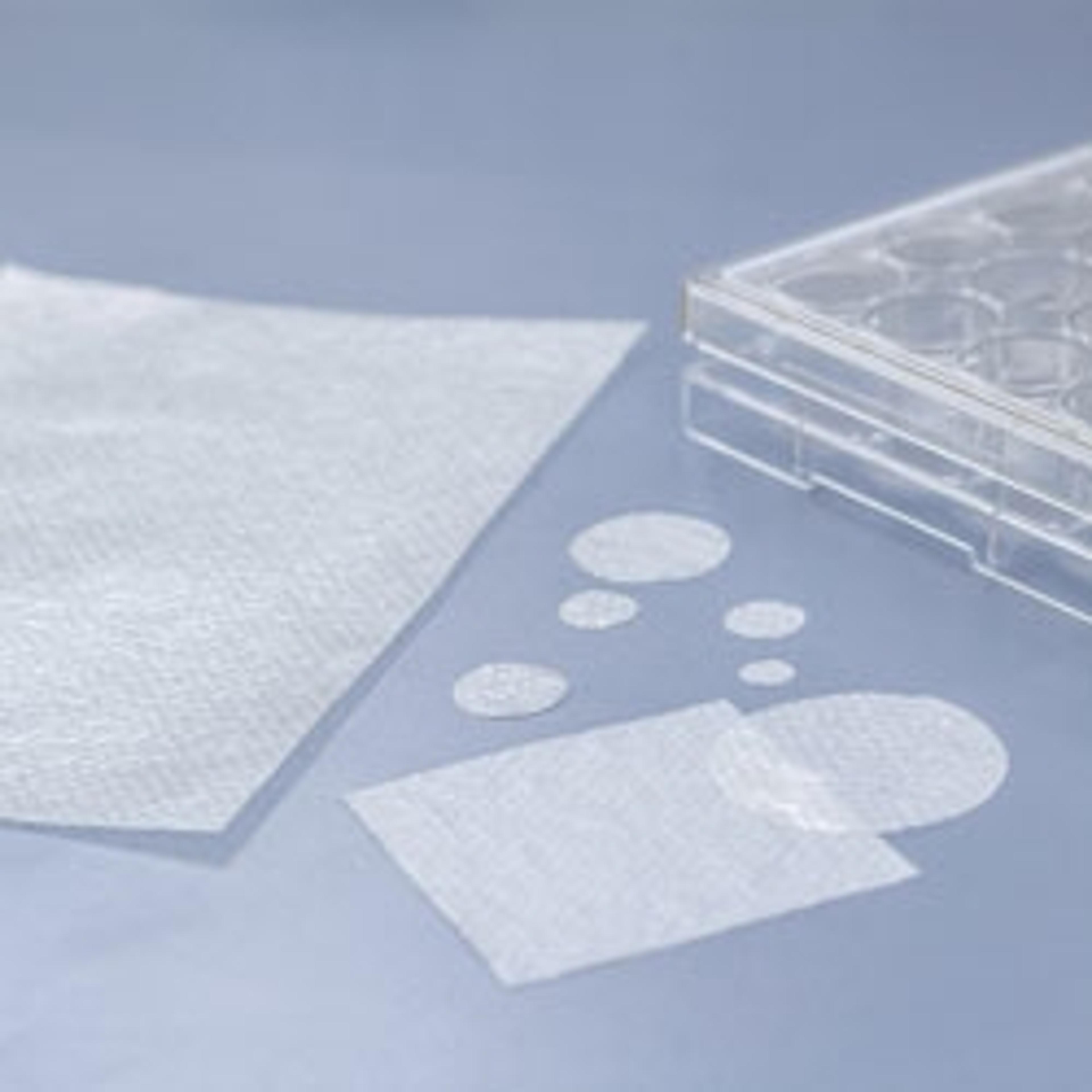
Collagen Cell Carrier for Multiwell Plates (CCC)
Viscofan BioEngineeringCollagen cell carrier in common formats for multi-well plates (6 w to 96 w) and in medical grade; customized sizes
ProductsLife Sciences
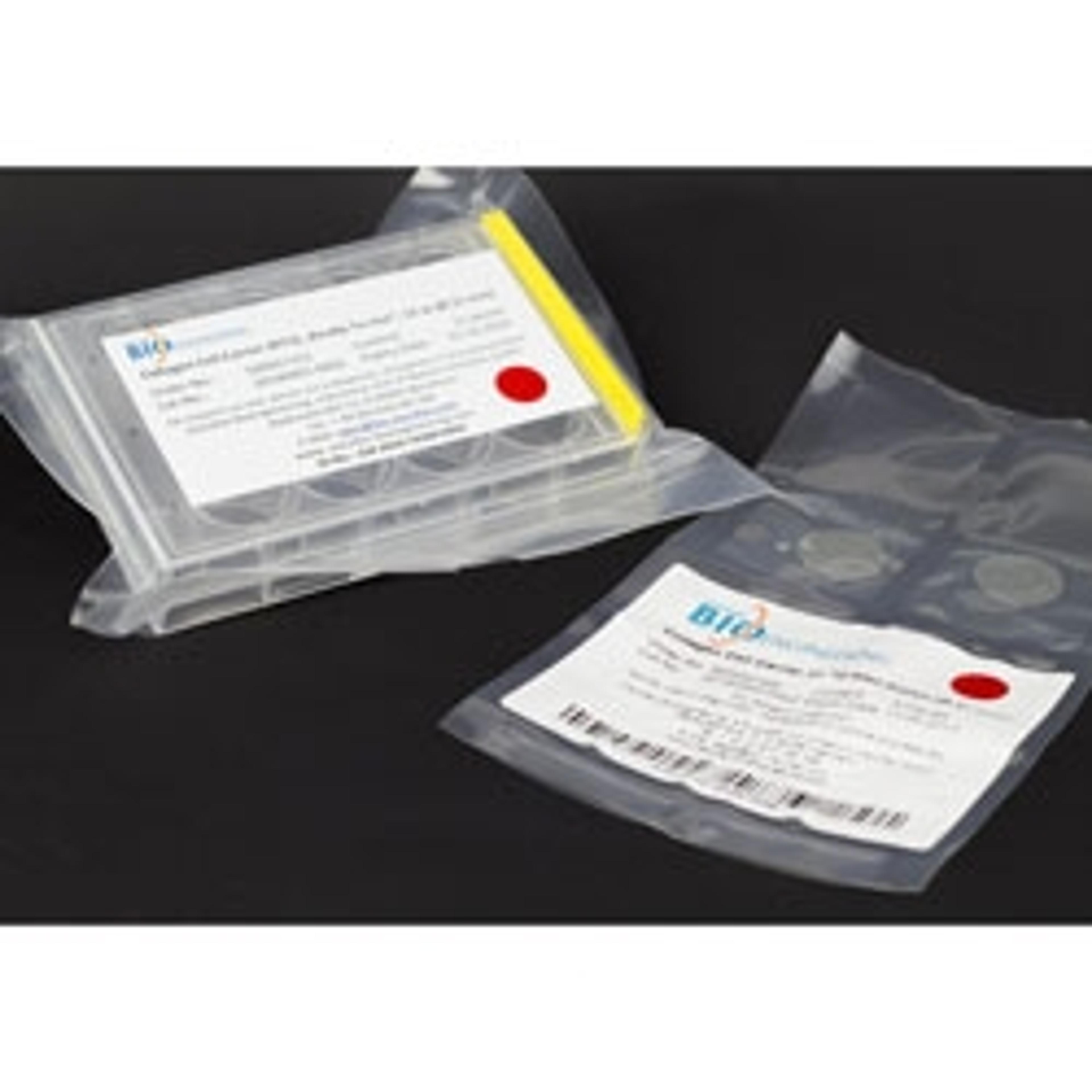
Collagen Cell Carrier Ready-To-Use (RTU)
Viscofan BioEngineeringPre-attached to a multiwell plate (available for 12, 24 or 48 wells)
ProductsLife Sciences
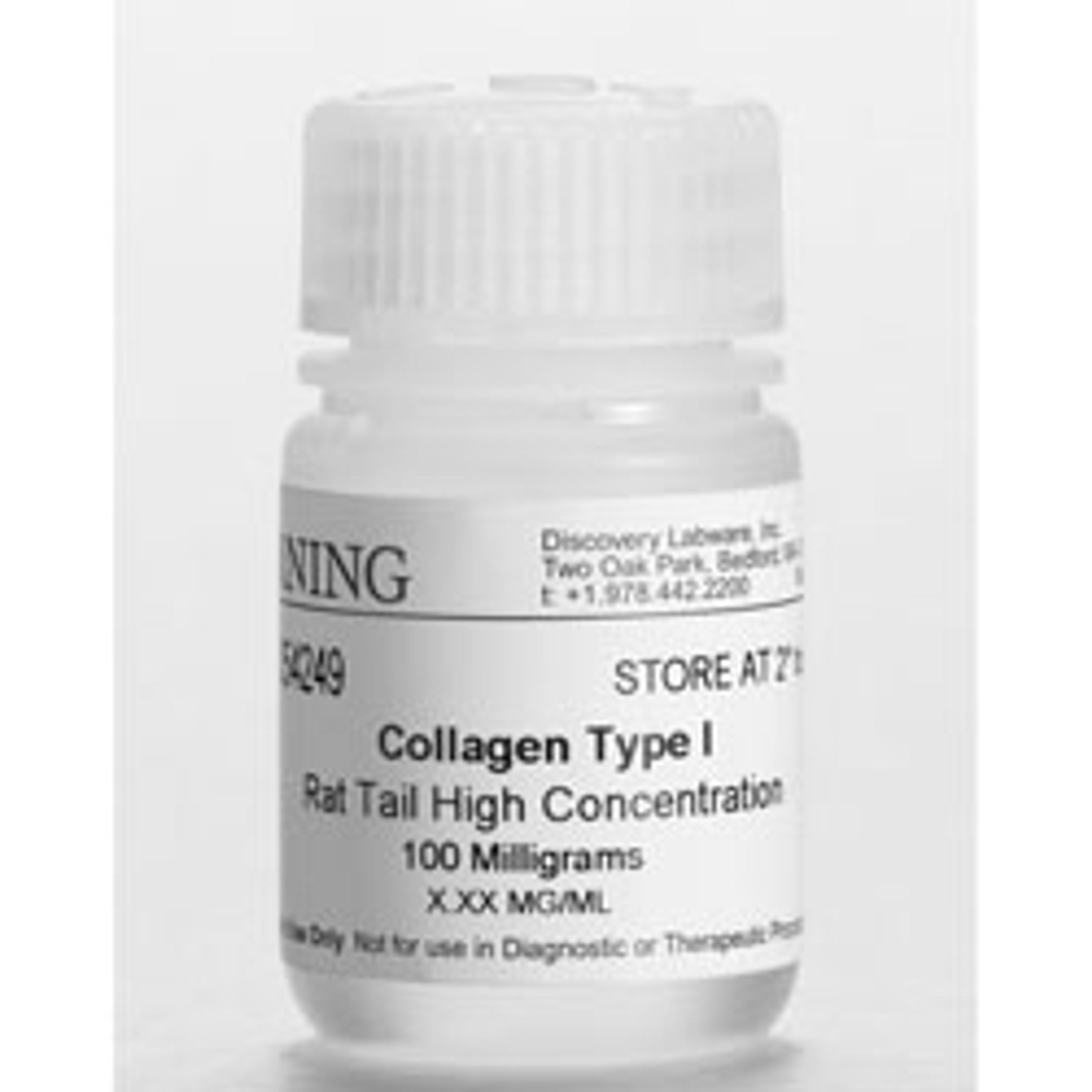
Collagen I, High Concentration, Rat Tail, 100mg
Corning Life SciencesCorning Collagen I HC, rat tail, 100 mg, is supplied as a liquid in 0.02N Acetic acid with a concentration range of 8-11 mg/ml. The product has been tested for its ability to promote the attachment and spreading of HT 1080 Human Fibrosarcoma cells. 1/pack, formerly Cat. #40040. These collagens have been used to culture a variety of cell types to promote adhesion, growth, and/or differentiation.

Industry NewsEnvironmental
Preliminary study finds organic vegetables contaminated with wide range of disease-causing microbes
Leafy greens are particularly susceptible to contamination due to their proximity to the ground and the likelihood of people eating them without cooking

Industry NewsClinical Diagnostics
Study finds high number of persistent COVID-19 infections in the general population
New study finds that persistent COVID-19 infections are surprisingly common, with around one to three in every 100 infections lasting a month or longer

Industry NewsEnvironmental
Study links childhood exposure to air pollution and self-harm in later life
A study has revealed a link between higher levels of exposure to two common pollutants during childhood and an increased risk of self-harm in later life
ProductsLife Sciences
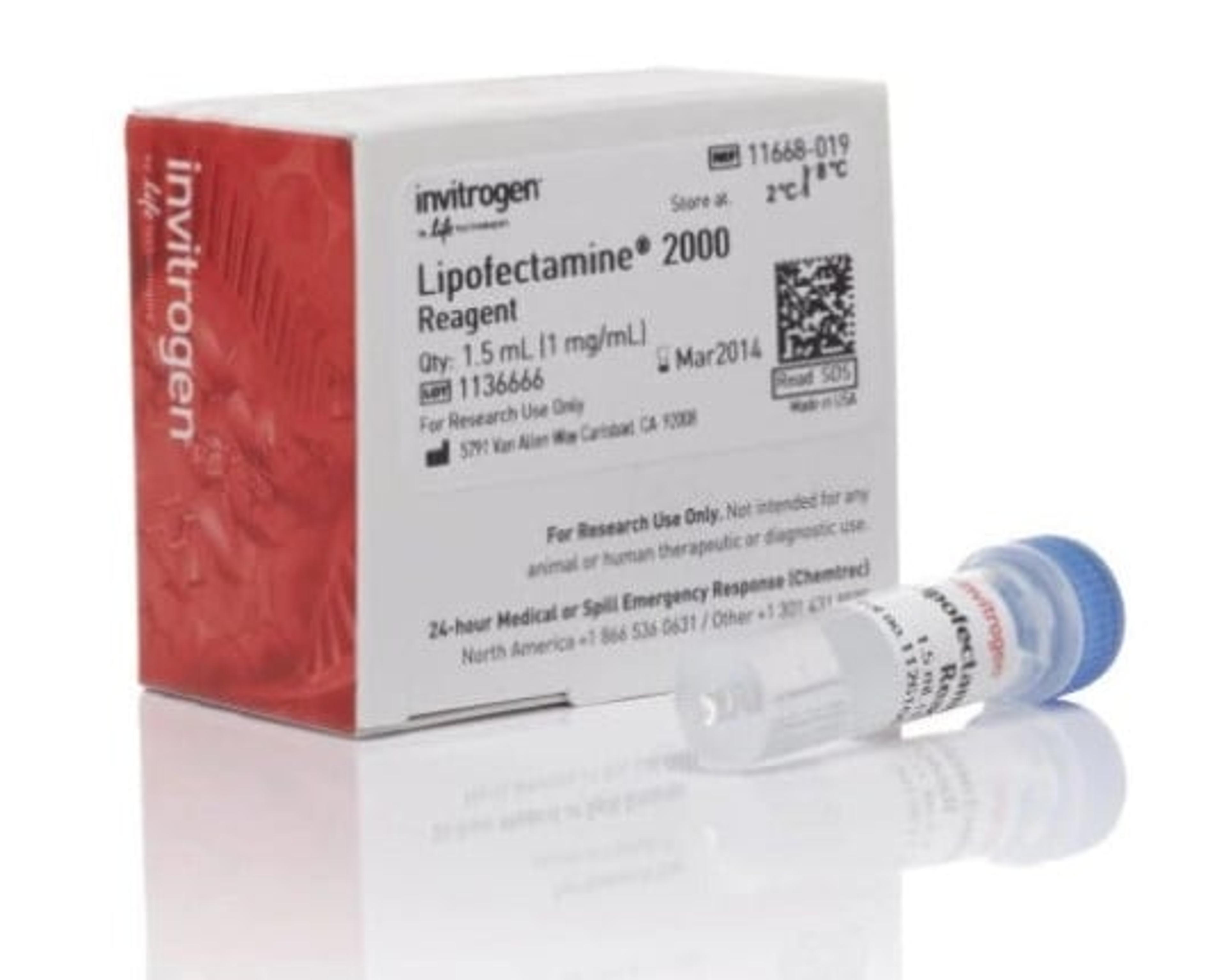
Invitrogen™ Lipofectamine® 2000
Thermo Fisher ScientificThe trusted, simple, broad-spectrum transfection reagent for most cell lines


SelectScience InterviewsDrug Discovery & Development