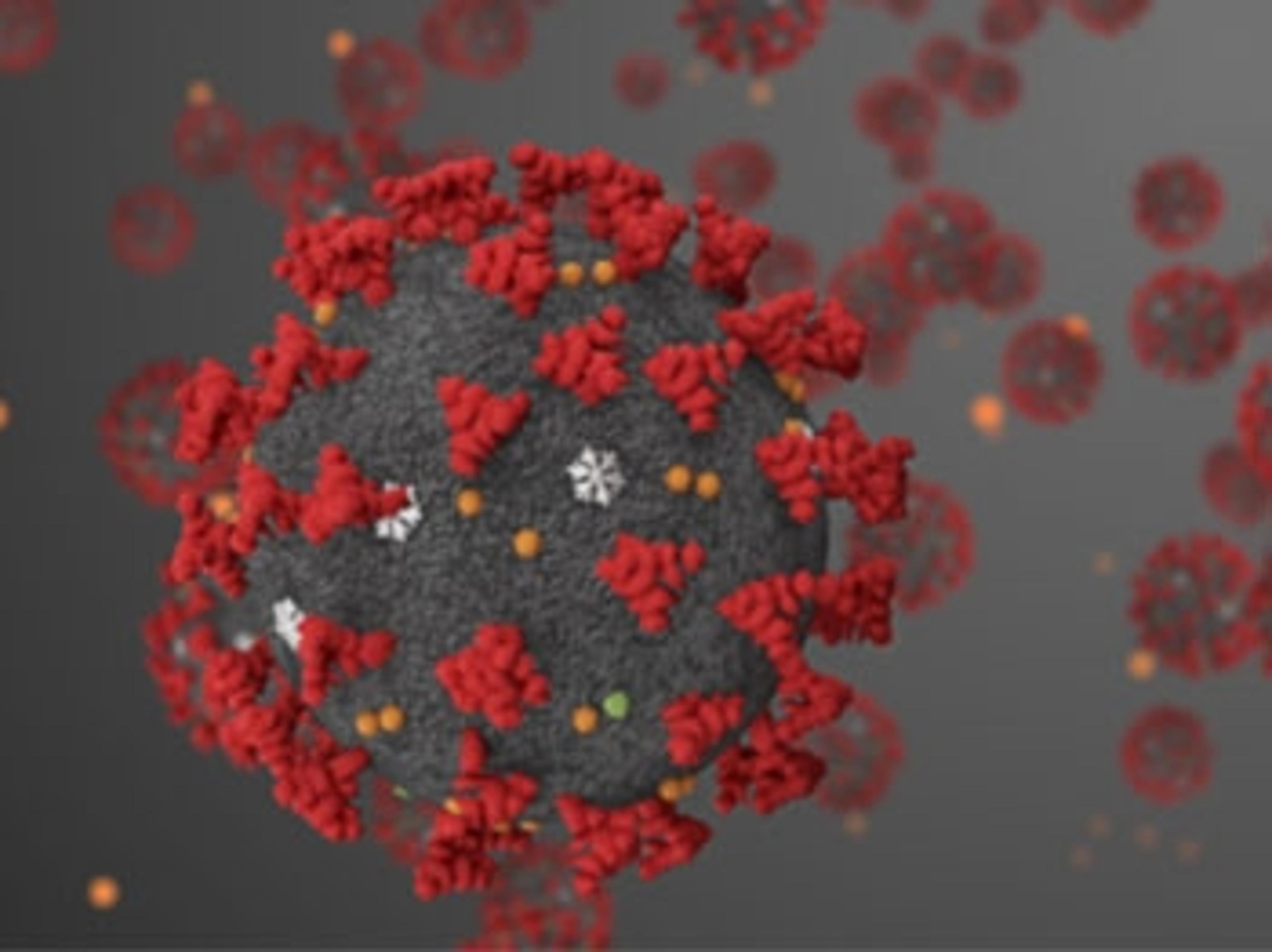
Bioxytran collaborating with University of Georgia to evaluate drug candidate's ability to block H5N1 bird flu virus
Bioxytran’s drug candidate, PHM23, utilizes a novel mechanism of action that targets galectin proteins critical to viral replication
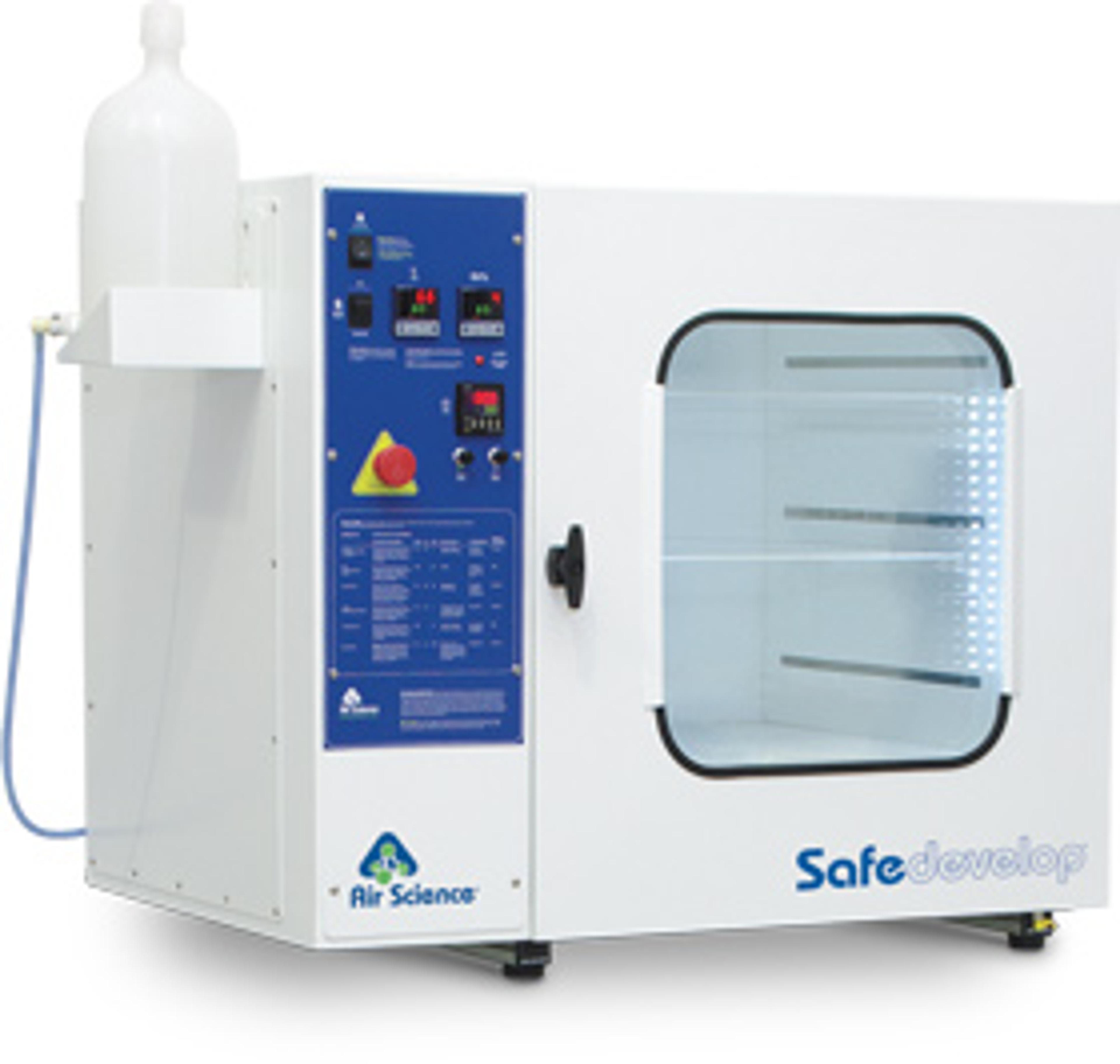
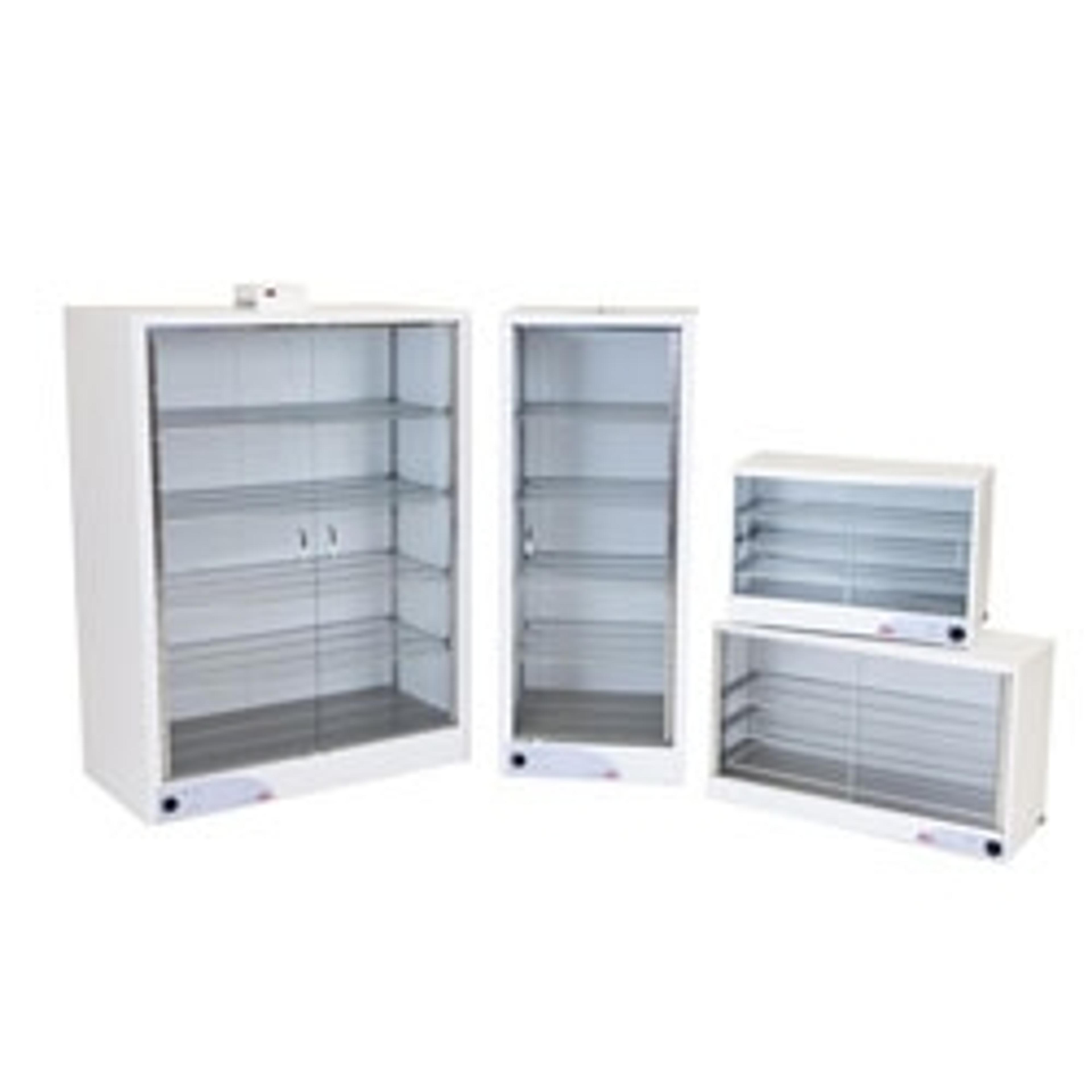
Safedevelop fingerprint development chambers are designed to safely develop latent fingerprints on porous surfaces using DFO, Ninhydrin, and other chemicals in a controlled environment for optimum effectiveness and safety where moisture, temperature, and development time are critical factors.
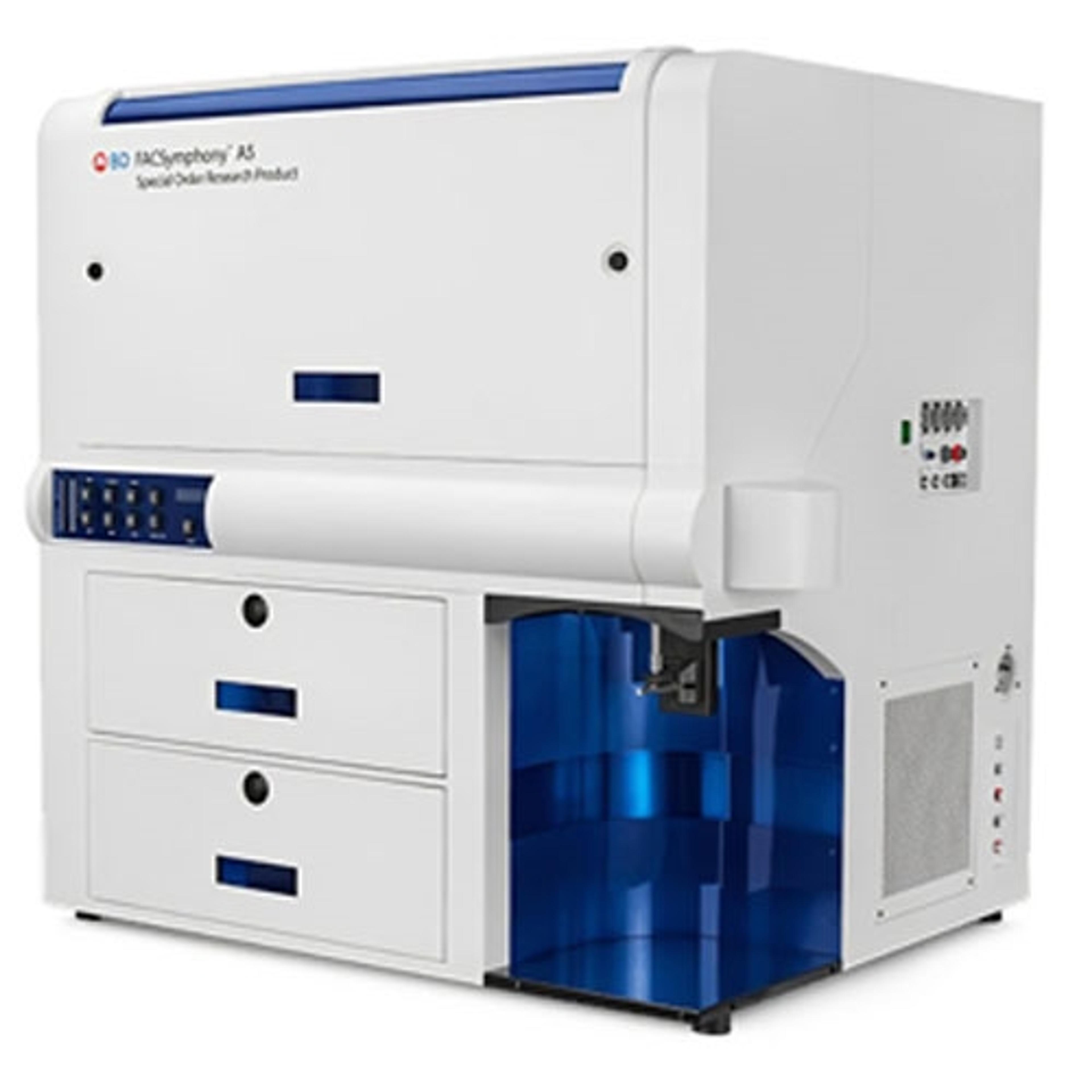
Unlock the full potential of the BD FACSymphony™ platform with the flexibility of spectral unmixing or compensation workflows
Almac Xcel™ Array for the profiling of FFPE samples provides the only 3’ gene expression array designed and optimized for use with formalin-fixed, paraffin-embedded (FFPE) tissues.
Post-menopausal women with lower levels of the female sex hormone estrogen appear to be at higher risk of developing serious complications of COVID-19
Study shows people with severe mental illnesses experience significantly poorer outcomes resulting from COVID-19 which are only partly explained by pre-existing physical health conditions
First dose delivered to patients in a multi-center U.S. clinical trial to evaluate novel gamma-delta T cell cancer therapy
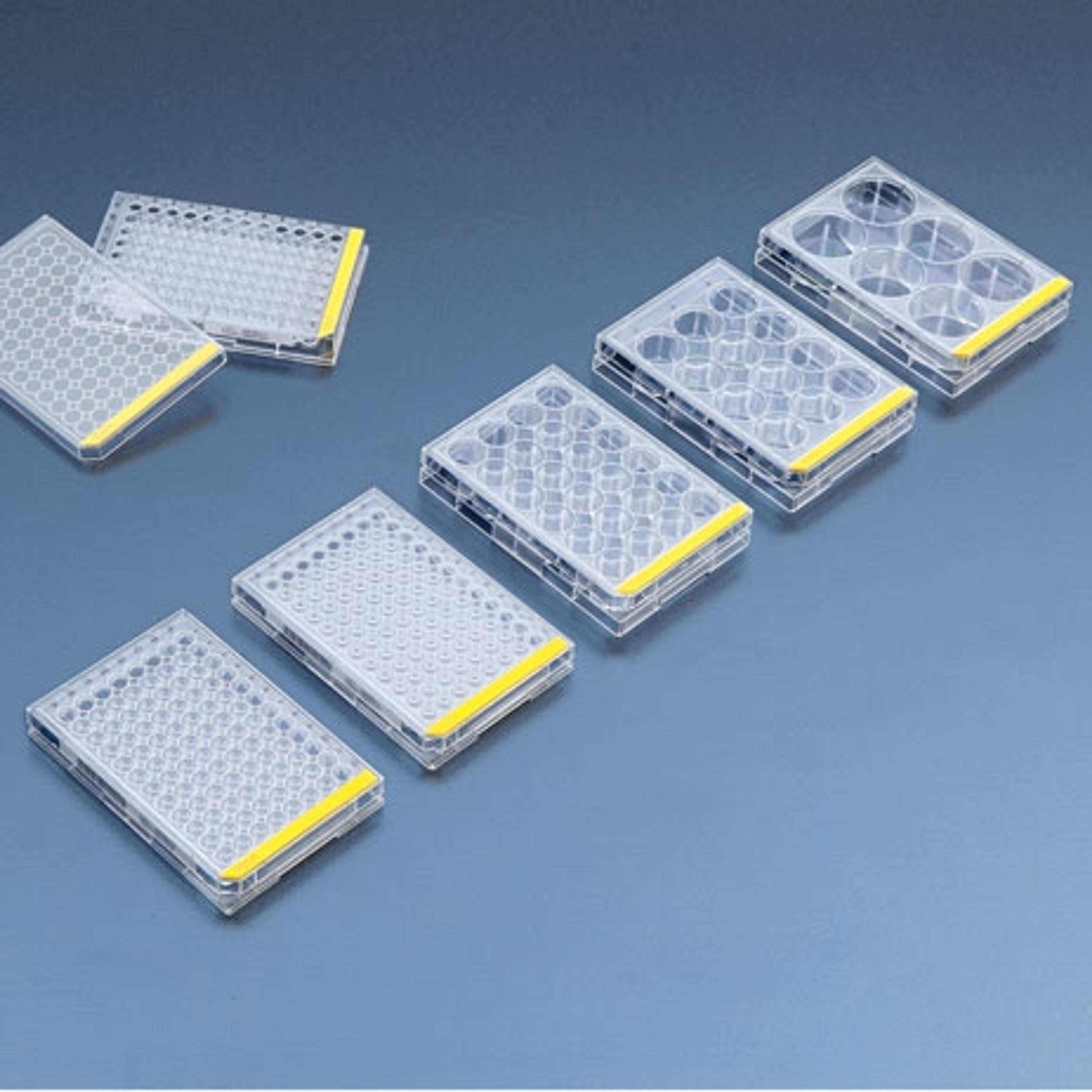
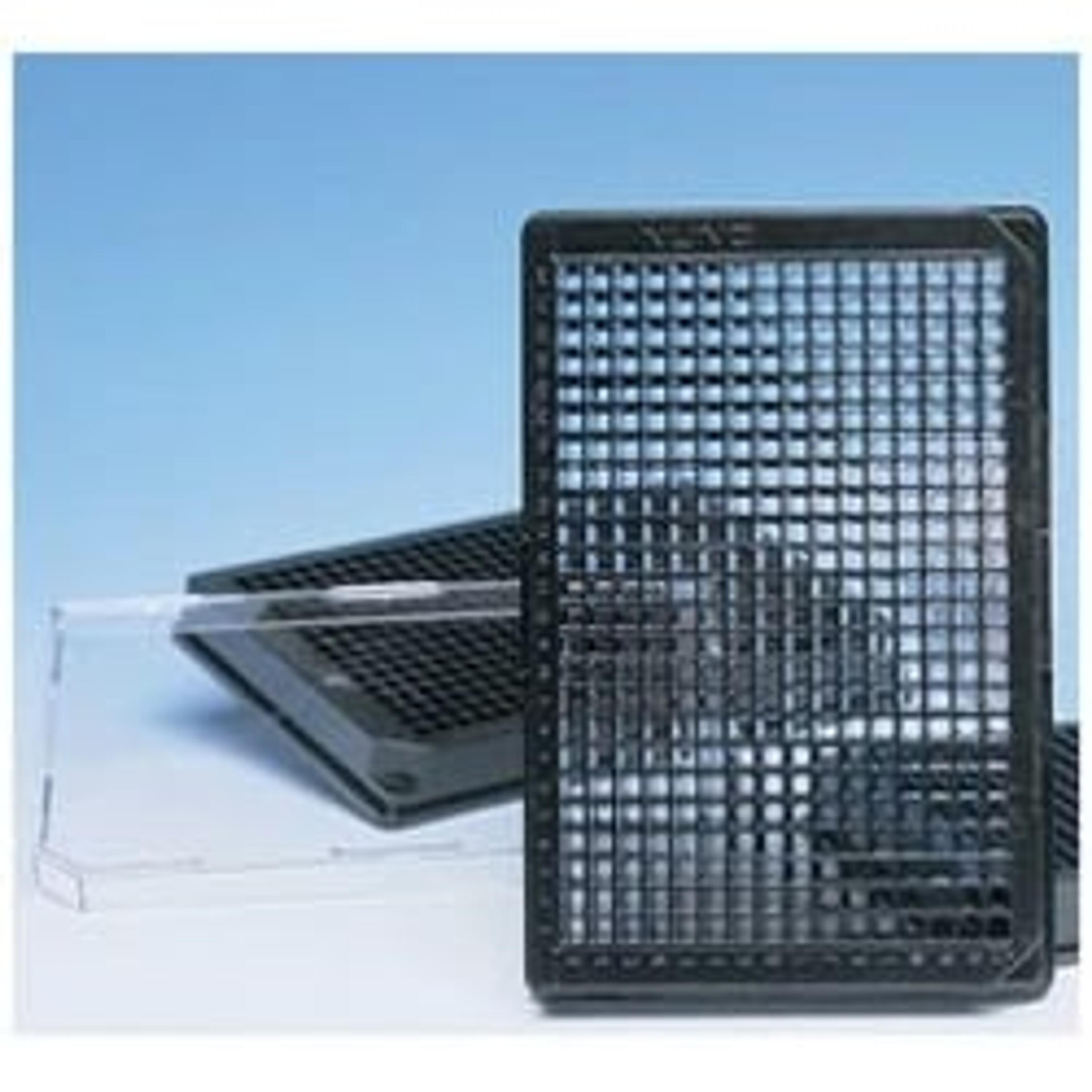
Achieve optimal fluorescence and luminescence in cell culture and microscopic applications with Thermo Scientific™ Nunc™ MicroWell™ 384-Well Optical-Bottom Plates with Polymer or Coverglass Base, featuring a polystyrene black or white upper structure with a polystyrene film at the bottom of the plate.
Expert roundtable forum discussion to explore the value of high-sensitivity immunoassays
Watch leading scientists online, February 15, to discover the latest analytical tools and techniques for life sciences, biopharma, materials and more
AstraZeneca’s Executive Director of Data Sciences shares how elevating predictive models with AI can free-up scientists' time and make science more collaborative
Preliminary results show 92% sensitivity and 100% specificity, compared with RT-PCR