ProductsSeparations
DB-WAX GC column
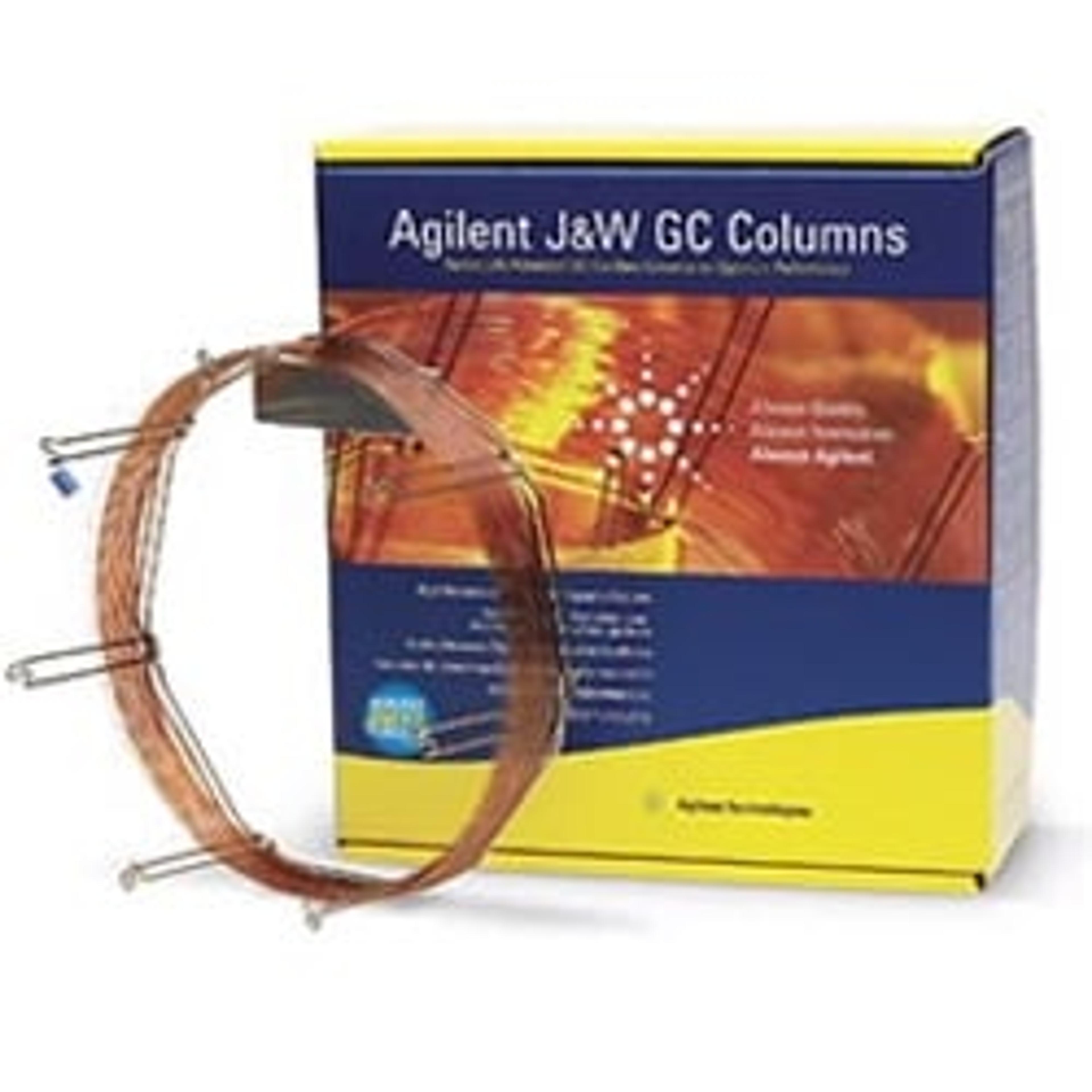
Agilent TechnologiesAgilent J&W DB-WAX is ideal for food, fragrance, and flavor applications. The column's lower temperature limit of 20 °C improves resolution of analytes with low boiling points.

Agilent J&W DB-WAX is ideal for food, fragrance, and flavor applications. The column's lower temperature limit of 20 °C improves resolution of analytes with low boiling points.
Agilent J&W HP-FFAP is designed primarily for the analysis of organic acids, free fatty acids, or samples that require quantitation of acidic impurities. The FFAP stationary phase is modified with acid to provide a very inert column that can accommodate the demanding analysis of acids dissolved in water.
CP-Wax 52 CB GC columns have lower minimum temperature and a higher maximum temperature than non-bonded polyethylene glycol (PEG) columns due to extensive cross linking, delivering higher resolution of low-boiling-point analytes. With guaranteed reproducibility and excellent temperature stability, CP-Wax 52 CB is ideal for EPA and ASTM methods.
Agilent J&W CP-Sil 5 CB is a high efficiency column containing a 100% dimethylpolysiloxane phase. Separation is almost entirely based on boiling points, making this column suitable for a wide range of applications with a broad temperature range.
Agilent J&W HP-88 is designed for the separation of fatty acid methyl esters (FAMEs). It provides greater cis/trans resolution than the DB-23, and has nearly identical selectivity as the CP-Sil 88, but with higher temperature limits.
Agilent J&W Ultra 1 is a 100% dimethylpolysiloxane, nonpolar column that resembles HP-1 but with tighter specifications for retention index and capacity factors. Agilent J&W Ultra 2 is a (5%-phenyl)-methylpolysiloxane, nonpolar column and resembles HP-5 but with tighter specifications for retention index and capacity factors.
Agilent J&W DB-35 columns are ideal for conformational analysis. The DB-35 is a (35%-phenyl)-methylpolysiloxane, mid-polarity column with low bleed.
Agilent J&W DB-1 is non-polar and low-bleed, and operates under high temperature limits. It is an excellent choice for general purpose use in a wide variety of applications.
Agilent J&W CP-Sil 88 for Dioxins has a very high polarity and a specific selectivity for dioxin and dibenzofuran separations. The column is supplied with an integrated retention gap to avoid problems with solvent condensation, thus allowing repeated splitless injections without phase deterioration, extending column life.
Agilent J&W HP-5ms Semivolatile columns are specifically tested for inertness for active compounds, including acidic and basic compounds. With an effective operating temperature range of -60 to 325/350 ºC, these nonpolar columns offer industry-leading levels of sensitivity and analysis integrity. All columns are tested to Agilent's demanding QC industry standards and are bonded, cross-linked and solvent rinsable.
Agilent J&W DB-Dioxin columns are specifically engineered for the analysis of polychlorinated dibenzodioxins (PCDD) and dibenzofurans (PCDF). The column resolves 2,3,7,8-TCDD and 2,3,7,8-TCDF from all other isomers in one run.
Total petroleum hydrocarbon analysis is a routine technique in many environmental laboratories, with many samples needing to be screened. A simple and reliable method is required that provides the shortest analysis time.
Agilent J&W DB-VRX features unique selectivity, engineered for optimum resolution of volatiles. The low-polarity DB-VRX columns deliver excellent peak shapes and are fully compliant with U.S. EPA methods 502.2, 524.2, and 8260.
Agilent J&W DB-624 is recommended for EPA methods 502.2 and 8021, as well as for fast GC/MS volatiles analysis. It is specifically designed for the analysis of volatile priority pollutants and residual solvents.
Agilent J&W CP-Select CB for MTBE provides guaranteed analysis of MTBE in reformulated gasolines, with reproducible results. It has unique selectivity for ease-of-use with MTBE. The column's broad dynamic range for MTBE quantification delivers the highest productivity for increasingly demanding volatiles applications.
Introduce volatile compounds from virtually any sample matrix into your GC or GC/MS. Automatic Leak Check, Priority Sample Positions, and Barometric Pressure Compensation improve uptime and efficiency.
Comprehensive solutions for biodiesel, biogas, and fuel ethanol analysis that conform to ASTM and EN standards. Factory configuration and testing allows fast installation so you can start running your biofuel samples quickly.
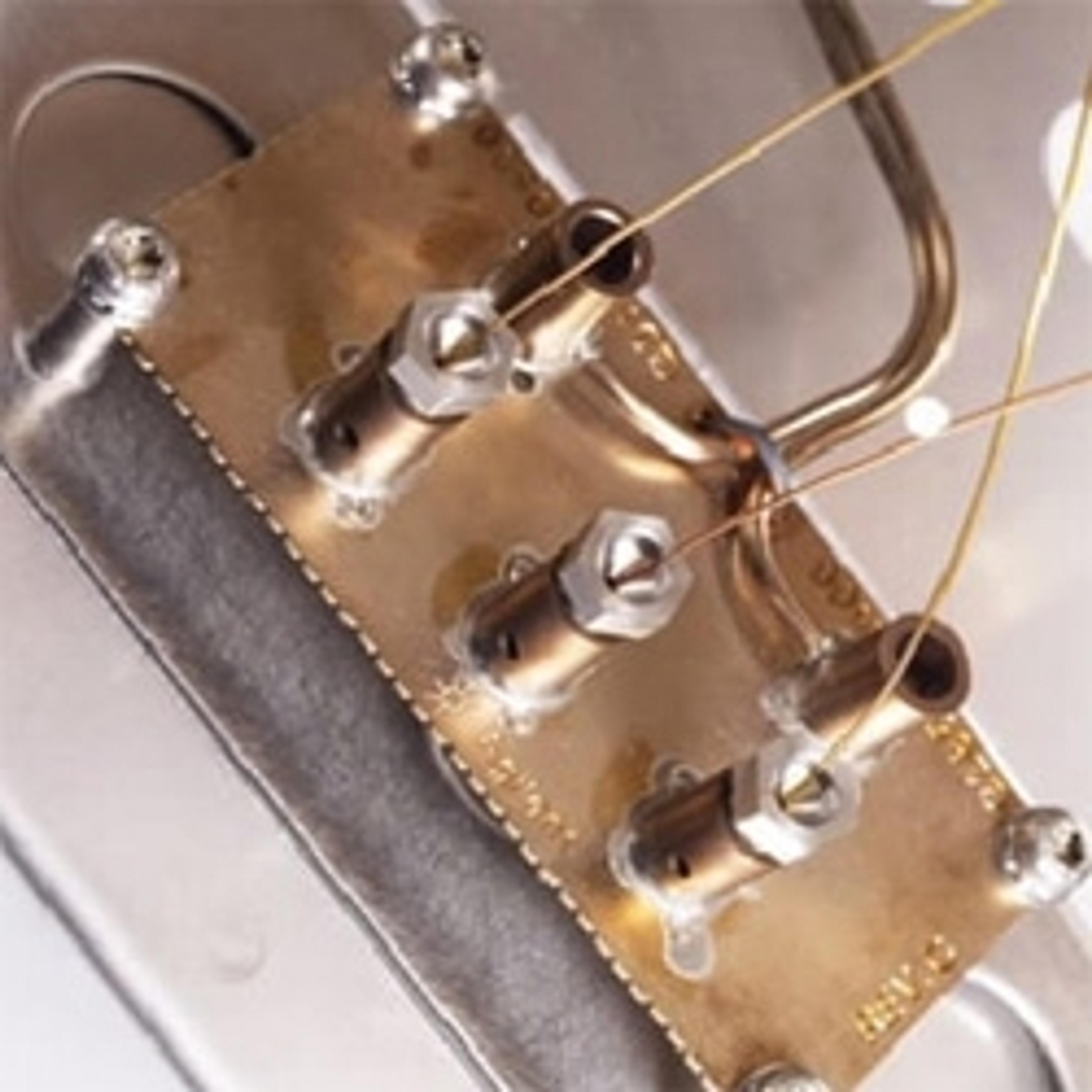
Dependable leak-free capillary connections allow reliable backflush, split flow, heart-cutting, and GC x GC on Agilent 8890 and 7890 GC systems. These devices are low thermal mass, oven mountable, and inert.
Increase productivity in your GC and GC/MS lab with high throughput and automated sample preparation capabilities The high-end PAL3 autosampler offers three types of injection techniques: liquid injection, headspace, and solid phase microextraction (SPME).
Refinery gas analyzers are an integral part of any refinery lab and provide valuable information that allow refiners to monitor and optimize catalytic and other processes, establish market value of a gas when sold to the chemical industry, and enable the study of gaseous products from process under study or development.
GC/MS methods are widely used for forensic toxicology, especially for the screening of large numbers of target compounds in complex matrices. Full-scan EI methods offer many advantages for broad-range screening, such as an unlimited number of targets, full-spectrum identity confirmation, and library searching for identification of non-targets. Technologies such as Capillary Flow Technology backflushing, Deconvolution Reporting…
Monitor greenhouse gas emissions with analyzers preconfigured to adhere to regulatory (EPA, EN) standards.
The Agilent LTM (Low Thermal Mass) Series II gives fast results on large numbers of samples, which is critical for laboratories that require fast turnaround time and high sample throughput, such as petrochemical, food testing, and pharmaceutical QC labs.
Based on the Agilent 990 Micro GC, this Natural Gas Analyzer offers fast analyses with with easy-to-use software and the ability to calculate all required physical properties.
Based on the Agilent 990 Micro GC, this portable four channel, multi-dimensional Refinery Gas Analyzer works in remote environments with complete operational simplicity. It is optimized for specific RGA analytes, with a total analysis cycle time of less than three minutes.