
What's the difference between ultrapure water and deionized water?
10 Jul 2026This resource explains the key differences between deionized (DI) water and ultrapure (UP) water, focusing on their purification methods, contaminant profiles, and laboratory applications. It also highlights RephiLe's water purification solutions, including the Genie G Ultrapure Water Purification System and NuZar H DI Water Purification System.
Resource details:
- Resource type: Application note
- Page count: 3
- Read time: 5 mins
Related products
Request Quote for All Products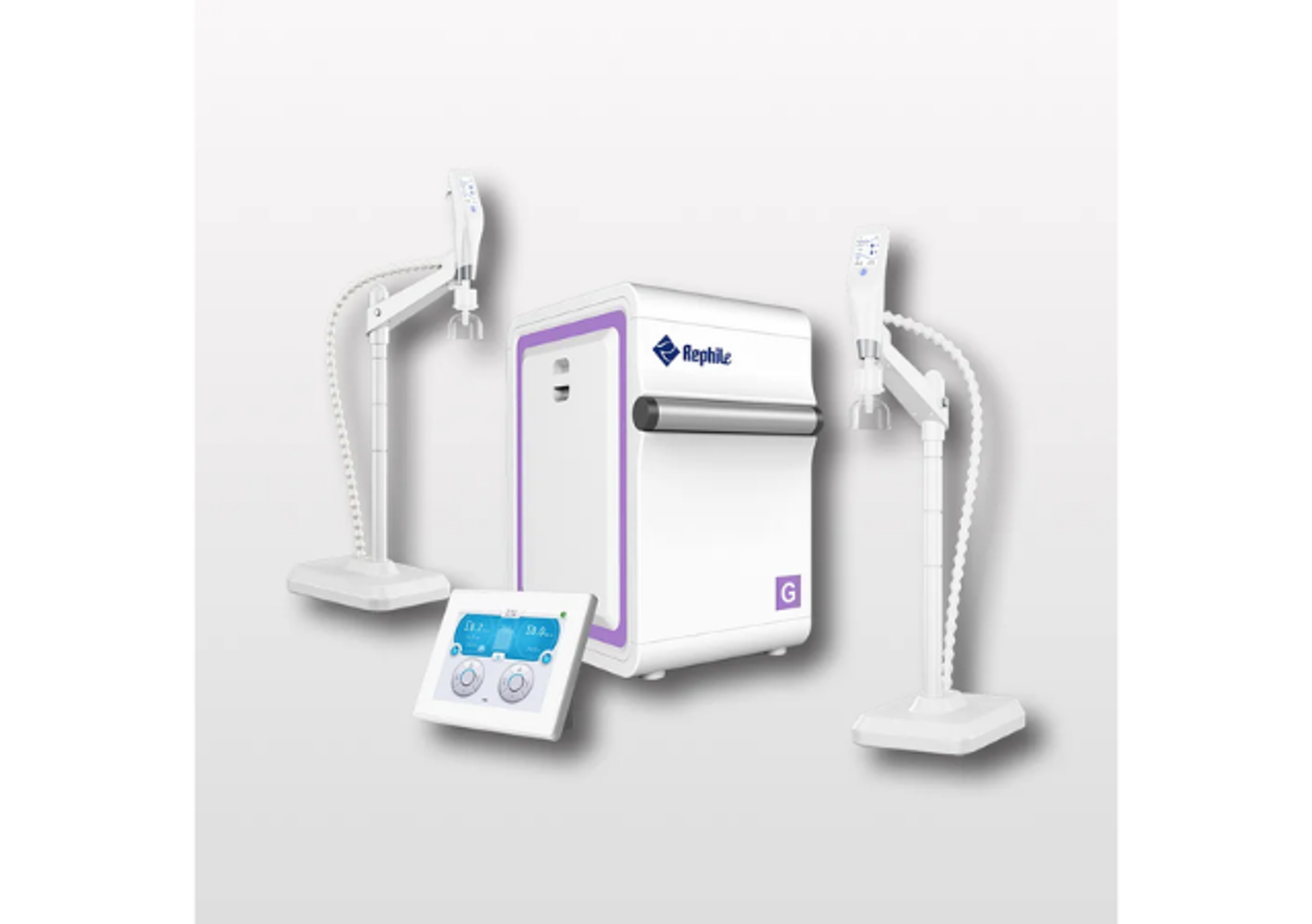
Genie G Ultrapure Water System
RephiLe Bioscience Ltd.Genie G Ultrapure Water System produces ultrapure water (Type I water) and EDI water (Type II water) from tap water directly. This high-end water system integrates IoT technology with advanced water purification techniques. Its optimized flow path design, combined with comprehensive process monitoring, ensures stable and reliable water quality. The system is CE/RoHS certified. RephiLe provides full documentation to support user’s GMP, GSP, GAP, GCP, GLP requirements.
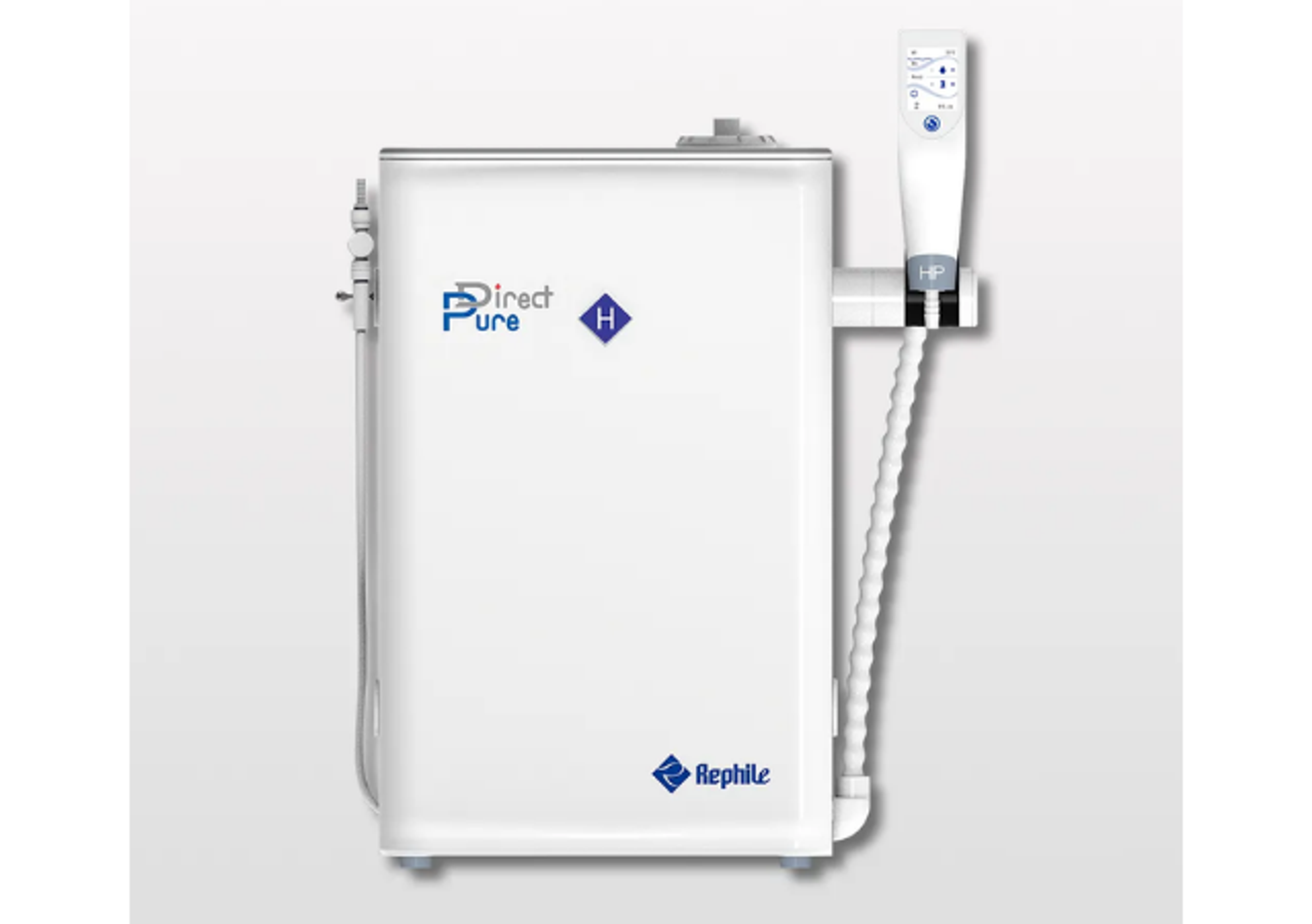
Direct Pure H 24/45
RephiLe Bioscience Ltd.The Direct Pure water system H generates DI water (Type II) from tap water, producing up to 45 litres of purified water per hour. It features a tank recirculation loop designed to ensure optimal water quality within the storage tank.