
Surveying the shift: The transition from single quadrupole ICP-MS to ICP-QQQ
Insights from 150+ scientists across pharma, biotech, environmental testing, and academia reveal how sensitivity demands and complex sample matrices are reshaping ICP‑MS adoption worldwide
7 Jul 2026
Across regions and industries, laboratories are facing the same underlying challenge: extracting reliable trace element data from increasingly complex samples.
From pharmaceutical labs navigating ultra‑low impurity thresholds in regulated markets, to environmental labs tackling variable natural matrices, the pressure is mounting, not just to detect, but to detect with confidence.
This infographic maps how these challenges are playing out globally, with insights from 150+ scientists revealing why labs are accelerating the transition to ICP‑QQQ.
Resource details:
- Document type: SelectScience infographic
- Page count: 1
- Read time: 2 mins
- Edition: 1st
Related products
Request Quote for All Products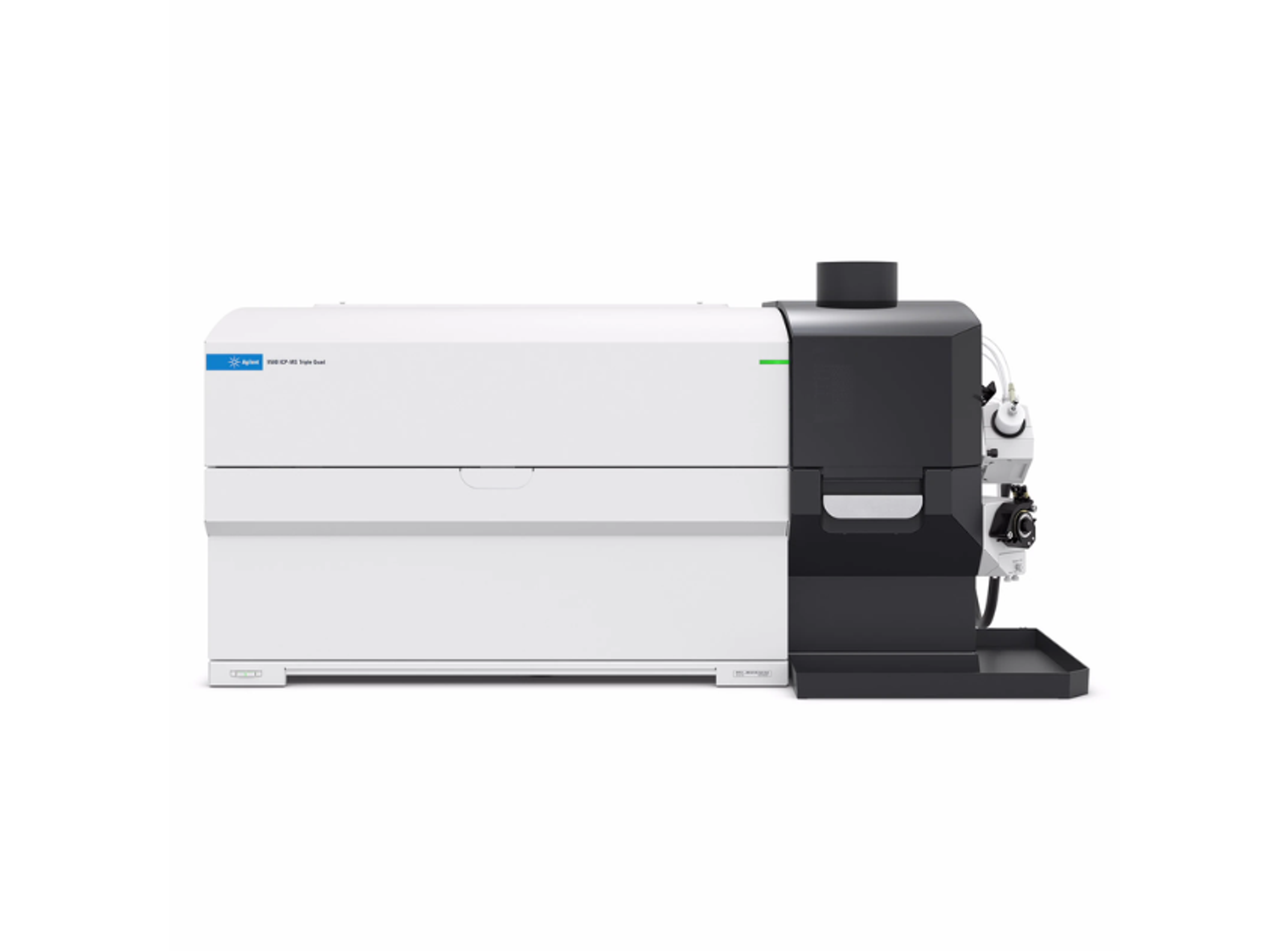
9500 Triple Quadrupole ICP-MS
Agilent TechnologiesThe Agilent 9500 Triple Quadrupole ICP-MS delivers true ICP-MS/MS performance without the complexity. Its proprietary Dual-Cell System, with Advanced Helium Mode (AHM) and Air mode, enables fast, interference-free analysis across complex matrices, delivering results you can trust.
Links
Tags
Frequently asked questions
Show frequently asked questions
What are the biggest challenges in trace element analysis today?
Laboratories worldwide are facing increasing challenges around complex sample matrices, interference, and the need for ultra‑low detection limits in trace element analysis.
Why are laboratories moving from ICP‑MS to ICP‑QQQ?
Across global markets, many labs are exploring ICP‑QQQ to improve sensitivity and reduce interference in complex analytical workflows.
How do trace analysis challenges differ between industries and regions?
Requirements vary by sector and region, for example, strict pharmaceutical regulations in North America and Europe, and diverse environmental matrices across global testing labs.
What industries rely most on ICP‑MS and ICP‑QQQ technologies?
ICP‑MS technologies are widely used in pharmaceutical, environmental, food, and advanced materials labs, all of which face increasing global pressure for accurate trace analysis.
How do complex sample matrices affect ICP‑MS performance?
Complex matrices, common in environmental, food, and pharmaceutical samples worldwide, can introduce interferences that impact accuracy and confidence in results.
What insights does this infographic provide on global lab trends?
This infographic highlights how trace element analysis challenges are evolving globally, based on insights from 150+ scientists across key industries.