
Syngene: Chemiluminescence vs. Chemifluorescence
22 Sept 2015Traditionally, radioisotopic protocols have always been standard in the laboratory. But with costs and concerns associated with using and disposing of radioisotopes escalating, many researchers are turning to non-isotopic methods wherever possible. Consequently, new chemistries are being developed to substitute radio-isotopic methods. The most popular method currently is that of chemiluminescence although some scientists prefer chemifluorescence. This application note defines the two techniques and offers guidance on how to select the most suitable for your research.
Related products
Request Quote for All Products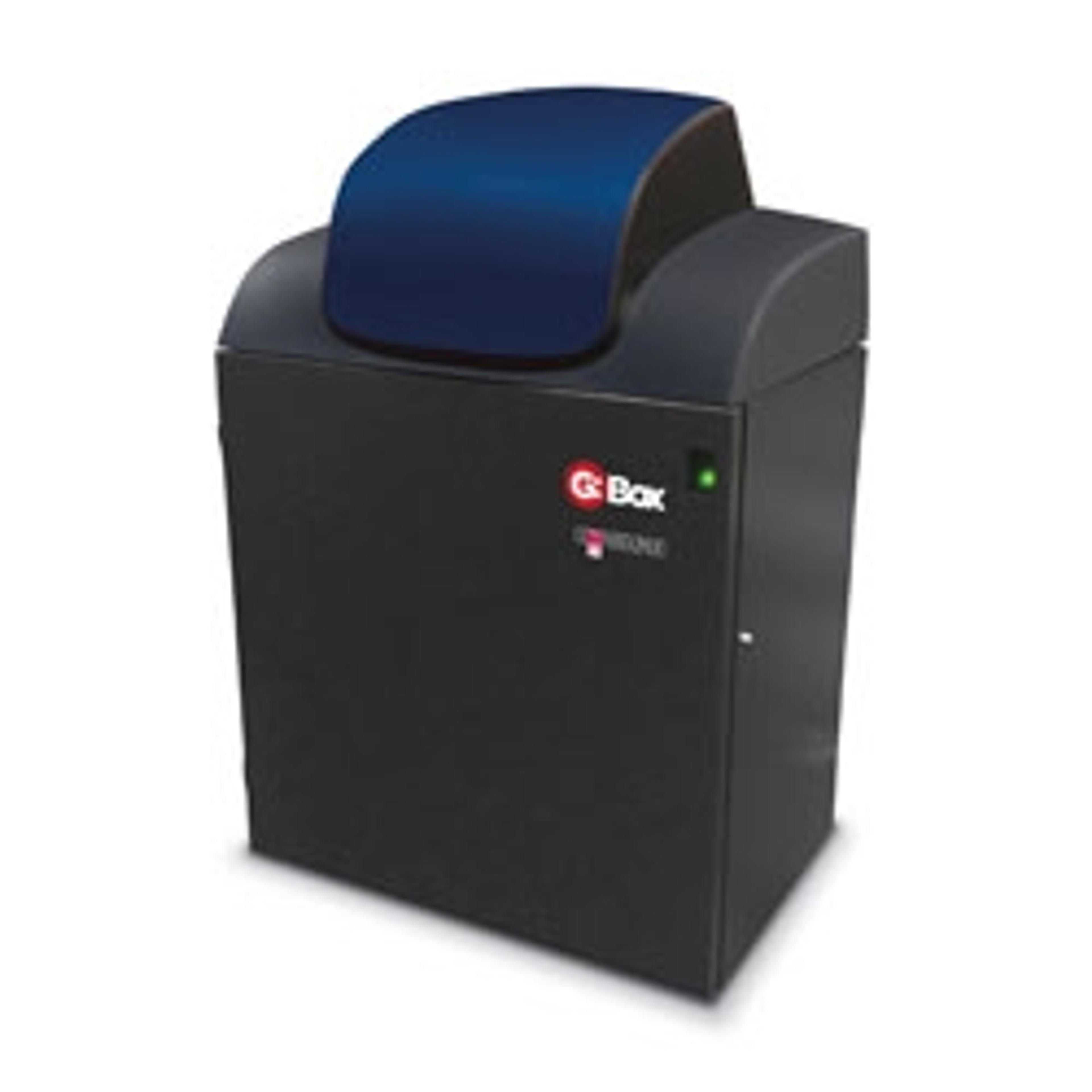
G:BOX Chemi XRQ
SyngeneG:BOX Chemi XRQ is a cost-efficient chemiluminescence imaging and gel documentation system. For a laboratory that needs hassle-free chemiluminescent detection, as well as routine gel documentation, using the G:BOX Chemi XRQ’s powerful GeneSys software to switch between applications is simplicity itself.
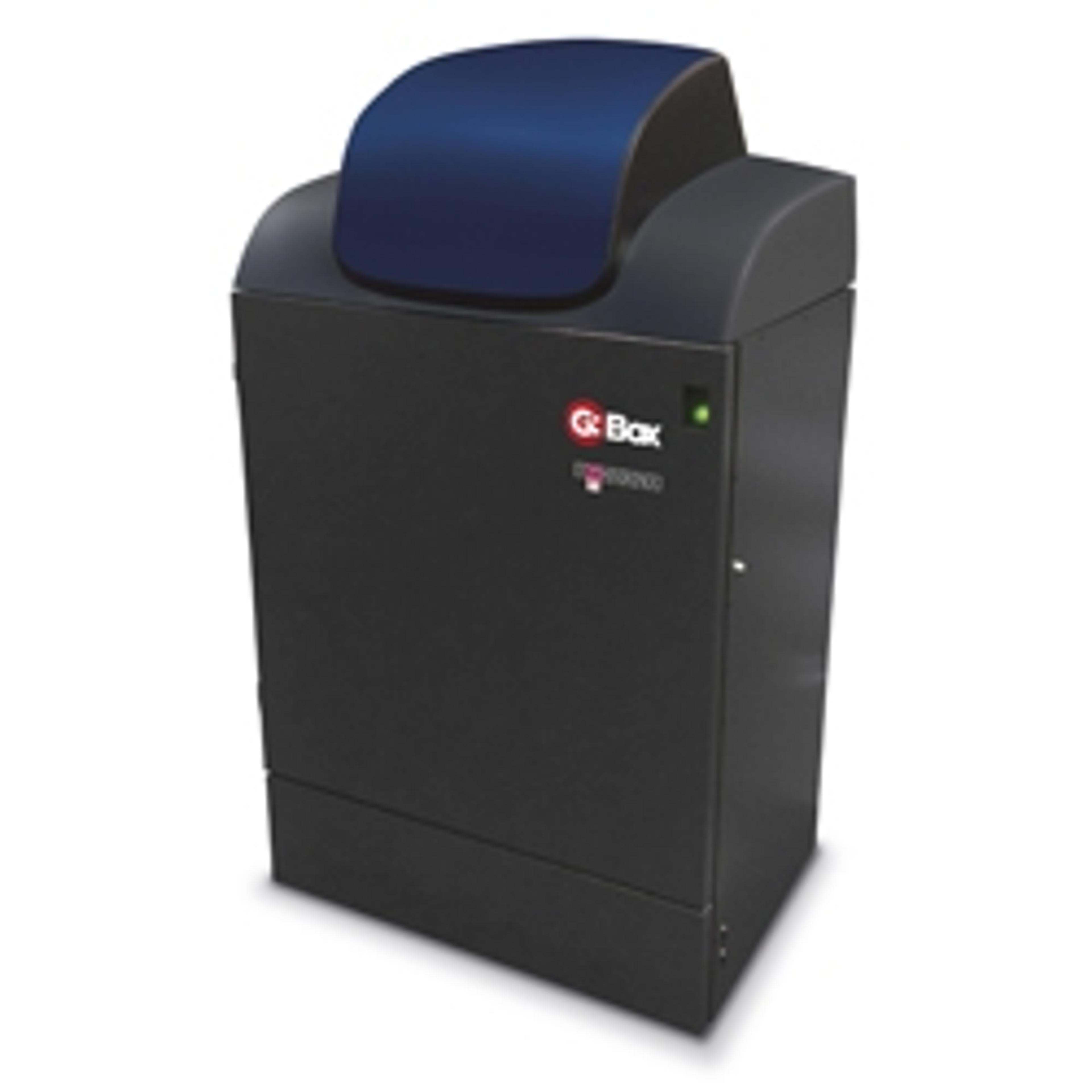
G:BOX Chemi XX6
SyngeneG:BOX Chemi XX6 gel imaging system has a high resolution camera for imaging multiple sample types and sizes, from fluorescence 1D to 2D gels to chemiluminescent blots. Your lab’s imaging system shouldn’t control how you detect proteins on Western blots. Chemiluminescence is great if you want sensitive detection of picogram or femtogram amounts, while fluorescence lets you quantify and detect multiple different proteins on one blot.