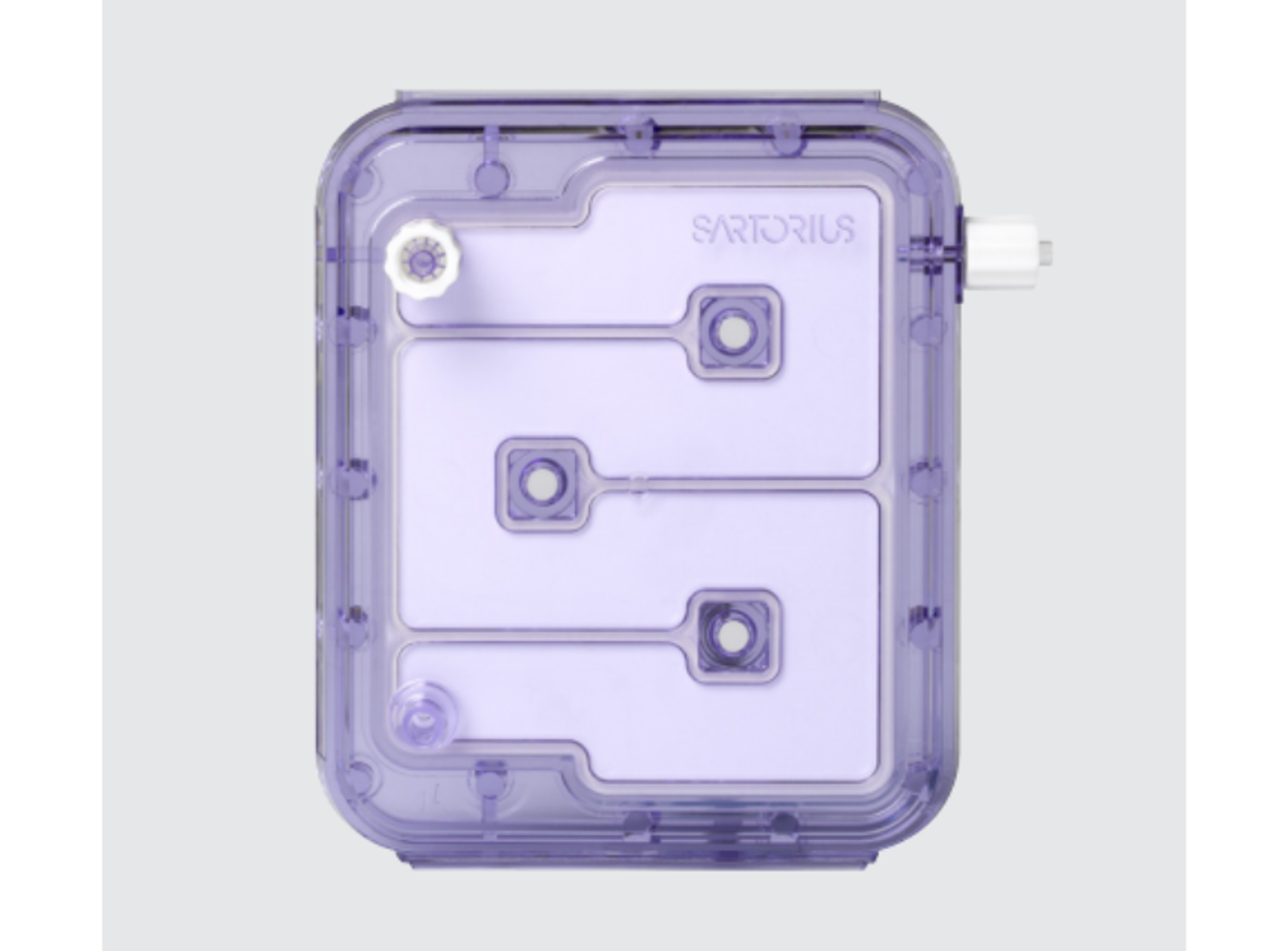
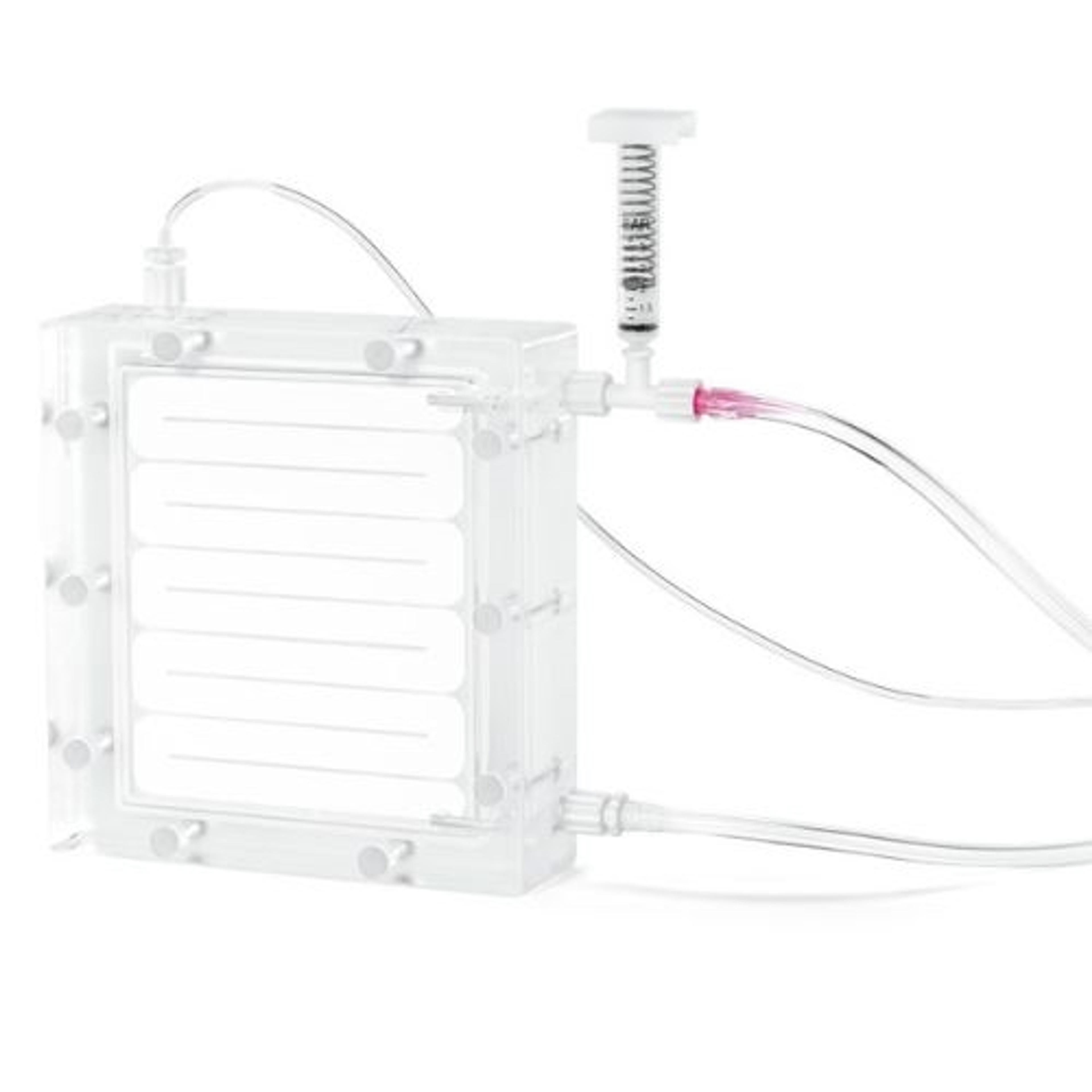
Sustainability facts sheet of Vivaflow SU

17 Mar 2025

Vivaflow® SU is an official nominee in the Scientists' Choice Awards for Sustainable Lab Product of the Year.

Enhance your ultra and diafiltration capabilities using a sustainably made next-generation tangential flow filtration (TFF) cassette. Discover how the Vivaflow® SU delivers faster process speeds and higher recoveries for virtually any molecule, without the need for expensive equipment or complicated process optimization. Plus, learn how Sartorius has placed sustainability at the fore-front using local sourcing and logistical strategies.

Vivaflow®

Sartorius Group

Vivaflow® is the original plug-and-play tangential flow filtration (TFF) solution for handling samples up to 5 L in research and development laboratories.

(1)

Links

Tags

Bioprocessing / FermentationBioprocessing is the use of biological materials to perform commercial, scientific or medical research processes. Biological materials used include cells, enzymes and organisms. Usually bioprocessing requires a batch or continuous bioreactor such as a fermentor or cell culture system. The advantages of using a reactor include high productivity, easy configuration, adjustable values and automation.FiltrationFiltration and microfiltration are used to separate solids, particulates or large molecules from fluids (liquid or gases) in order to purify the filtrate. Explore a range of filter formats, including filter paper, plates and membranes for your separation needs. While larger particulates may be separated by gravity filtration, smaller particulates may require additional force for timely separation. Microfiltration equipment includes vacuum filters, as well as positive pressure, crossflow and centrifugal filtration devices. Find the best filtration products in our peer-reviewed product directory: compare products, check customer reviews and receive pricing direct from manufacturers.Protein PurificationProtein purification is a vital step in drug discovery, therapeutics, biotech and life science research. The purification process typically involves subcellular or membrane protein extraction with cell lysis kits, separation of proteins from cell debris by filtration or spin columns, and the isolation of proteins of interest from other proteins and impurities with affinity purification (including fusion protein tags and antibody binding proteins A, G and L), immunoprecipitation or chromatographic methods, such as ion exchange, size exclusion and immobilized metal affinity chromatography. All purification methods come in multiple formats for your laboratory needs, including agarose or magnetic beads, resins, columns and filter plates. Find the best protein purification equipment in our peer-reviewed product directory: compare products, check customer reviews and receive pricing direct from manufacturers.Tangential Flow Filtration