
Rapid and Reliable Methylation Detection in Archival Tissue Samples using High-Resolution Melting Analysis
27 Jun 2013Promoter hypermethylation is a frequent mechanism for the repression of gene transcription in cancer and is regarded as one of the hallmarks of cancer. Analysis of DNA methylation is a promising tool for early cancer detection, risk assessment and response to therapy. The most popular approaches for DNA methylation detection rely on the treatment of genomic DNA with sodium bisulfite. Several simpler PCR-based methods have also been developed which are especially important for small scale research labs. Download this application note to read about is high-resolution melting analysis (HRM), based on the “melting” properties of DNA in solution.
Related products
Request Quote for All Products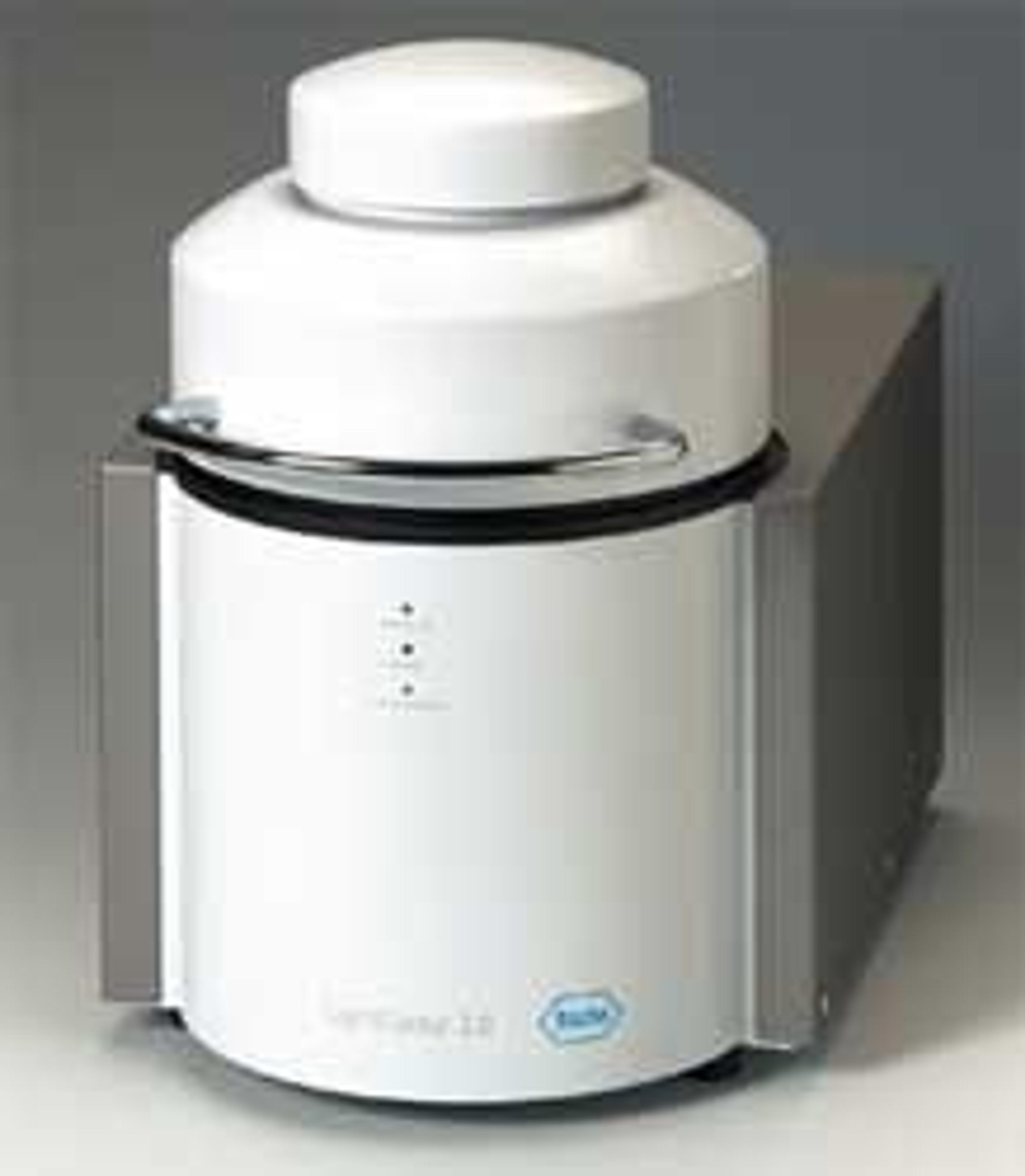
LightCycler ® 2.0 Instrument
The LightCycler® 2.0 Instrument allows you to monitor amplification of 32 PCR products simultaneously, in real-time and online, with six different detection channels. The LightCycler® Software 4.1 collects fluorescence data from all six channels at each cycle and displays it immediately. This enables you to terminate PCR runs early if signal levels are adequate, or prolong them when signals are too low. Amplification occurs in specially designed reaction capillaries. Their superior surface-to-volume ratio provides extremely rapid thermal transfer, which facilitates high-speed thermal cycling. The combination of LightCycler® Capillaries and the air-driven temperature control of the LightCycler® 2.0 Instrument ensures rapid PCR. An entire 35-cycle run can be performed in as little as 30 minutes (with 20 μl capillaries) to 60 minutes (with 100 μl capillaries).Fluorescence detection formats: The LightCycler® 2.0 Instrument is optimized for two fluorescence detection formats: SYBR Green I, HybProbe probes, and hydrolysis probes. In addition, the instrument supports a wide variety of other fluorescence detection formats, such as monocolor SimpleProbe probes and other formats based on FRET (fluorescence resonance energy transfer). However, it is essential that the fluorescent dyes used are compatible with the LightCycler® 2.0 optical unit. Software: The LightCycler® 2.0 Instrument utilizes the LightCycler® Software 4.1, an optimized version of the LightCycler® 4.0 and 4.05 Software, which provides advanced data-analysis modules, efficient data management, and effective data protection.
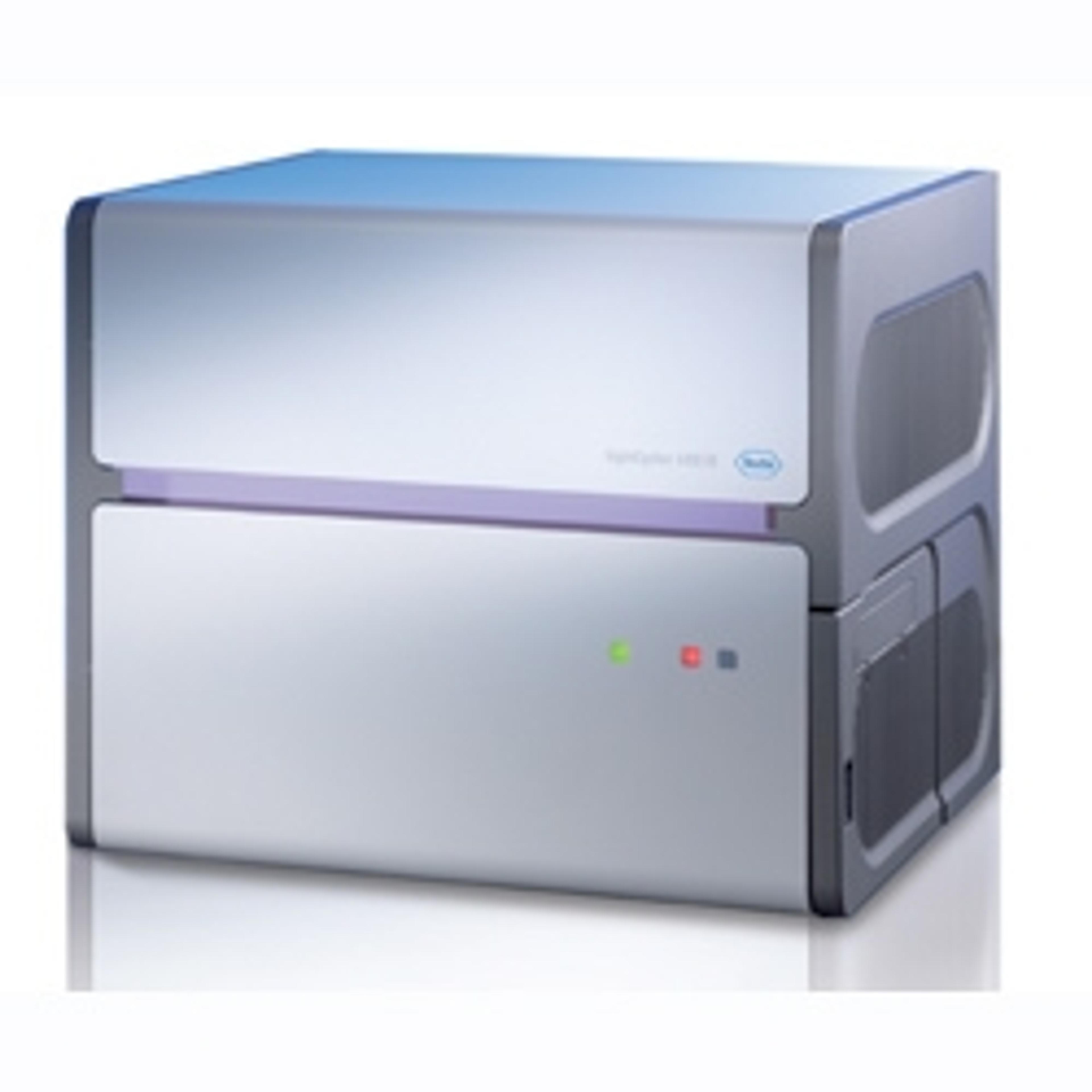
LightCycler® 480 Real-Time PCR System
The Roche LightCycler 480 System - Another breakthrough in real-time PCR analysis of gene expression and melting curve-based mutation analysis.The Roche LightCycler 480 RT-PCR System combines amazing speed with exceptional accuracy and will meet the needs of a broad range of scientific applications in genomics research including array validation, gene-knockdown studies, and SNP analysis.This Roche Light Cycler PCR supports all current probe formats and applications and its built-in versatility allows adaptation to future technological advances in genomics research.Customer benefits from the Roche LightCycler® 480 System: Speed – rapid temperature control for superb specificity and yield.The LightCycler 480 PCR System utilizes a novel block technology to allow the rapid heating and cooling required to complete a 40-cycle, 384-well quantitative PCR run in less than 40 minutes and leads to extraordinary well-to-well temperature homogeneity and maximized inter-well, inter-cycle reproducibility. Accuracy – unbiased conditions for unambiguous results Special arrangement of optical components ensures the uniform collection of signals across the plate and makes analysis independent of sample position or differences in reaction volume. Versatility – utmost flexibility for maximum efficiency Five excitation and six emission filters of the Roche LightCycler allow you to work with the assay format of your choice, including SYBR Green I, hydrolysis probes, probes, probes, Molecular Beacons, and others. High-performance optical system from the LightCycler 480Fluorescence excitation by a high-intensity xenon lamp, and a specially developed signal-collection system, result in maximal sensitivity for any assay format in all channels. Additional Features of the LightCycler 480 PCR System: Customizable modular system concept Building on the principles of the well-established, performance-proven LightCycler® Software 4.0, the Roche LightCycler® 480 platform comes equipped with modules for run control, Tm calling, and absolute quantification. Further customize your system to your specific needs by adding separately offered advanced analysis modules. Especially developed reagents A tailor-made hot-start PCR enzyme master mix is available for each type of LightCycler® 480 application. Built on Roche Diagnostics’ performance proven FastStart technology, these reagents ensure optimal reproducibility and high dynamic ranges. Perfect integration into laboratory workflow Compatibility for automated sample-preparation, automated loading and connectivity to laboratory information management systems (LIMS) for integrated workflow monitoring offer uncompromising adaptability for a perfect fit.