
Quantitative Monitoring of Biphasic Reactions Using Flow Systems by Raman Spectroscopy
18 Sept 2014A contemporary challenge presented in the implementation of biphasic reaction conditions is to determine and control the chemistry occurring in each phase, in order to improve manufacturing processes. This application note describes the development of a fully automated system for monitoring changes in the composition of two immiscible phases by Raman spectroscopy using a flow sampling system in real-time.
Related Products
Request Quote for All Products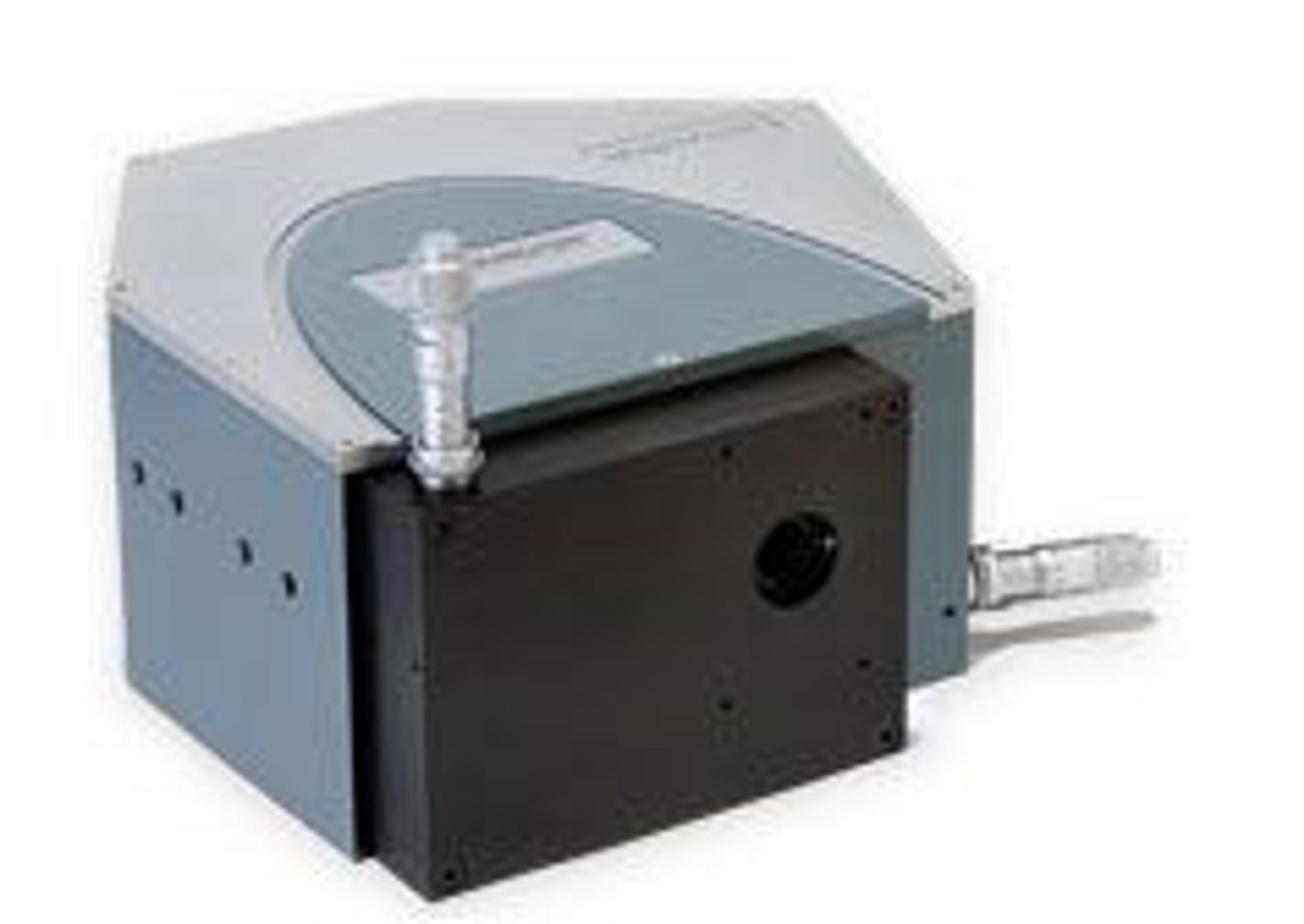
Shamrock 163 Spectrographs
Oxford Instruments AndorThe Shamrock 163i offers the best price performance imaging and non-imaging spectrograph solutions on the market. The Shamrock 163i is offered in either an imaging version (SR-163i) or a conventional non-imaging version (SR-163), depending on your application and budget requirements. For spectroscopy applications that do not require as high a resolution or as much automation, the Shamrock 163i provides a cost-effective solution to your spectrograph needs.
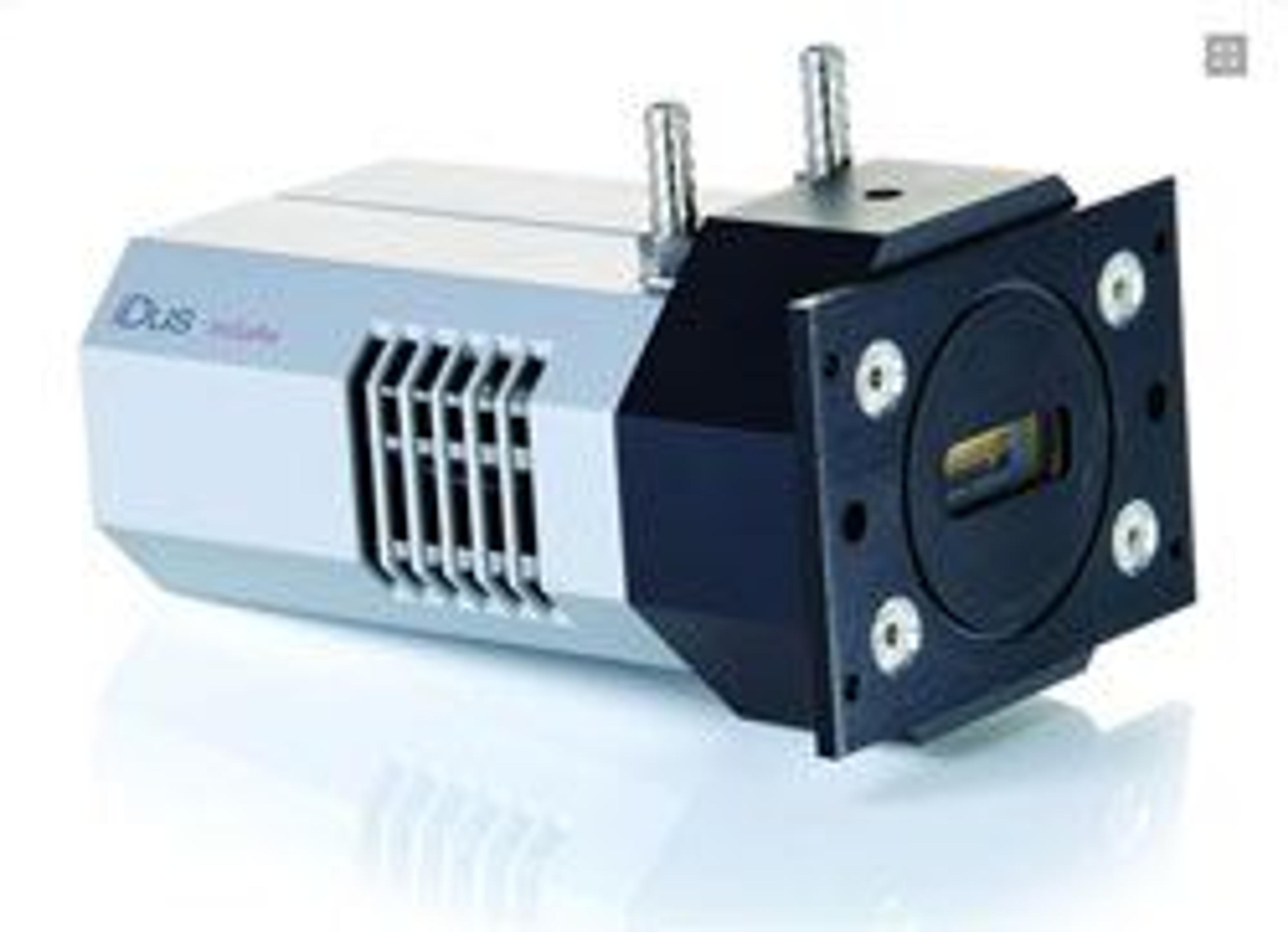
iDus Spectroscopy CCD Camera
Oxford Instruments AndorAndor's Compact and Reliable Spectroscopy CCD Technology markets evolve and we all expect to get more for our money. The Andor iDus leads the way, delivering performance that was once the preserve of high-end spectroscopy. The iDus was designed with the lowest noise to provide an ultra sensitive and high dynamic range detector for use in a wide range of both conventional and demanding spectroscopic applications such as fluorescence, raman, absorption / transmission / reflection and atomic emission. The iDus is offered with a wide range of different format sensors to optimize the detector for your specific application.