
Process Elemental Analysis by EDXRF of Chemical Bath for Copper Foil Surface Treatment
30 Apr 2013Surface treating is an important part in the manufacture of copper foil for the electronics industry. Surface treatments are used to clean the copper foil, to create roughing and heat resistance treatments, and to make single or multiple layer thin film coatings to prevent oxidation or enhance the electro-chemical properties of the copper foil. The chemical baths must be constantly monitored to ensure the highest quality surface treatments. This application note demonstrates how the NEX OL analyzer can meet the analytical needs for trend analysis of bath composition.
Related products
Request Quote for All Products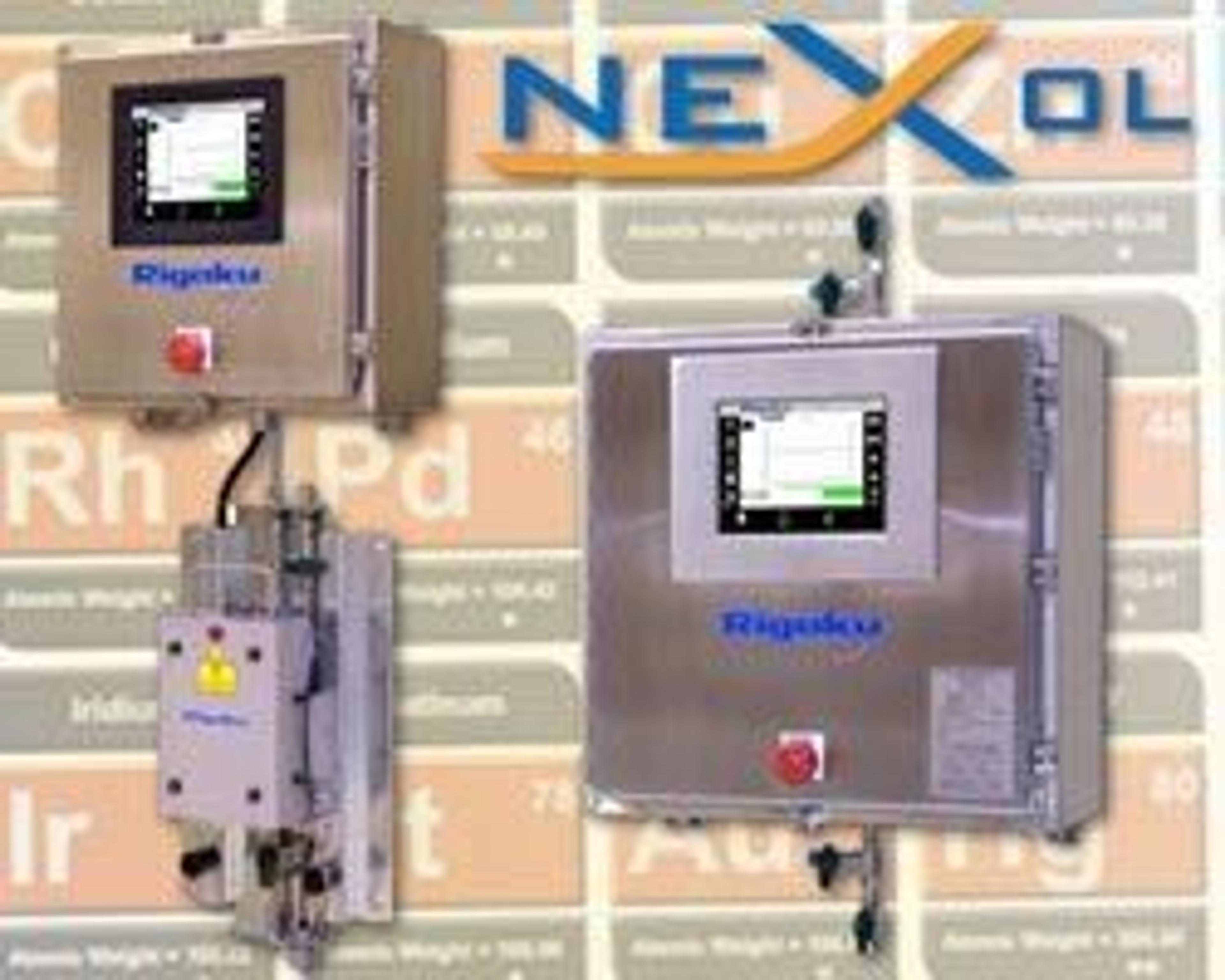
NEX OL Process Elemental Analyzer
Rigaku CorporationOn-line, real-time analysis by Energy Dispersive X-ray Fluorescence (EDXRF). Featuring advanced 3rd generation energy dispersive X-ray fluorescence (EDXRF) technology, the Rigaku NEX OL represents the next evolution of process elemental analysis for liquid stream and fixed position web or coil applications. Designed to span from heavy industrial through to food grade process gauging solutions, the NEX OL is configurable for use in both classified and non-classified areas. Features and Benefits of NEX OL Process Elemental Analyser: Real-time process control by elemental analysis Measure elements 13Al to 92 From ppm levels to weight percent (wt%) Robust NEX QC+ optics with SDD detector Industrial touch screen user interface Easy empirical calibration and routine operation Toolless routine maintenance Multiple remote analysis heads (non-classified) No dangerous radioisotopes