
ResourceGeneral Lab
Preparing Leather For Chemical Tests
Preparing Leather For Chemical Tests
22 Jun 2015The leather amounts available for testing are often very small and the milling process can alter the contaminant content to be determined. This application note demonstrates the process of preparing leather for chemical testing to preserve the contaminants and extract the most information from a small sample.
Related products
Request Quote for All Products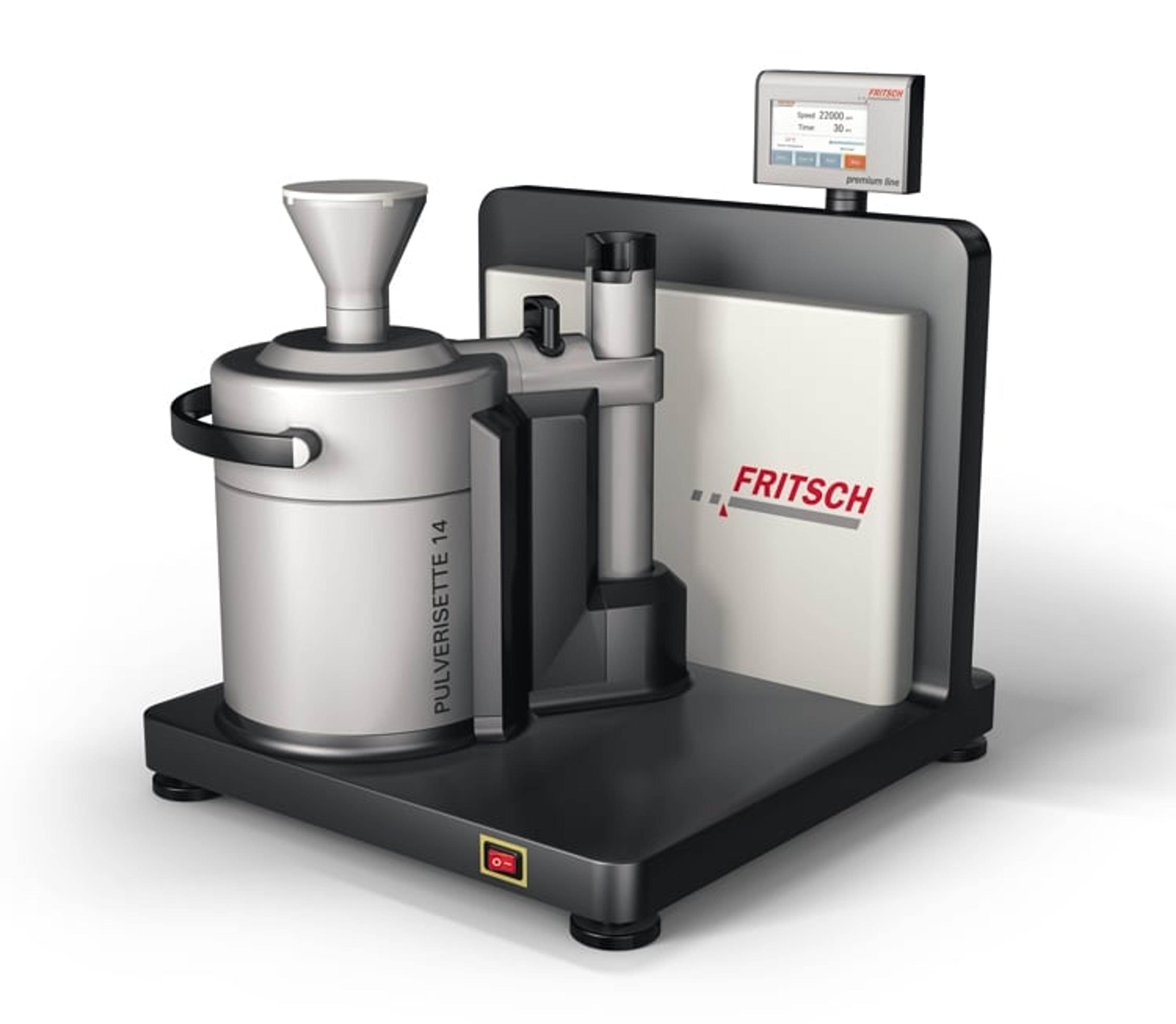
Variable Speed Rotor Mill PULVERISETTE 14 premium line
Fritsch GmbH - Milling and SizingFast pre- and fine-grinding in one instrument
Jaw Crusher PULVERISETTE 1 Premium Line
Fritsch GmbH - Milling and SizingExtra powerful premium pre-crushing
Disk Mill PULVERISETTE 13 Premium Line
Fritsch GmbH - Milling and SizingEfficient premium fine grinding
Links
Tags
Evidence Collection and AnalysisEvidence Collection and Analysis is the retrieval and subsequent investigation into criminal evidence obtained from a crime scene. Forensic genetic instruments, kits and reagents enable the analysis of evidence collected at the crime scene. Reagents and kits for presumptive analysis for body fluids such as blood, saliva and semen in addition to drugs and narcotics test kits are used for CSI. Fingerprinting equipment, forensic light sources, casting kits and equipment for collecting recoverable materials can be found in the directory.Mechanical TestingMechanical testing explores the elastic and inelastic nature of a material when force is applied. A mechanical test shows whether a material is suitable for its intended application by measuring hardness, tensile strength, elongation, elasticity, and fatigue limit.Homogenizers and BlendersHomogenizers and blenders are used to homogenize various types of material, including tissue, cells, plants, food, soil, biological and chemical samples for subsequent analysis. Lab equipment for sample homogenization includes handheld and benchtop homogenizers, bead mill, ultrasonic and multiple sample homogenizers, high shear homogenizers and blenders. Homogenizer bead and probe multipacks are available to avoid cross contamination of samples, as well as cooling systems for homogenizing temperature-sensitive samples. Homogenizers are often used in the first step of extraction of DNA, RNA and proteins from tissue and cell samples. Find the best homogenizers and blenders in our peer-reviewed product directory: compare products, check customer reviews and receive pricing direct from manufacturers.GrindingMillingMilling is the process of grinding, crushing, or cutting materials into smaller parts. In scientific research, it plays a crucial role in sample preparation for analysis in areas such as food, pharmaceuticals, and materials science. Explore milling equipment in our peer-reviewed product directory; compare products, check reviews, and get pricing directly from manufacturers.Forensic InvestigationForensic investigation is a diverse collection of scientific techniques and methods for the identification and characterization of chemicals relating to crime scene investigations.