
Plasma viscosity vs CRP: understanding the differences in inflammatory disease testing
15 Oct 2026This application note compares plasma viscosity (PV) and C-reactive protein (CRP) testing, explaining how each marker reflects inflammation and infection through different biological mechanisms. Learn why CRP responds rapidly to acute infection and treatment changes, while PV provides a broader measure of the acute phase response for diagnosis, disease progression and treatment monitoring. Discover how factors such as age, sex, smoking, body weight, blood pressure and hormonal contraceptive use can influence CRP results, while PV remains largely unaffected by these variables.
Resource details:
Resource type: Application note
Page count: 1
Read time: 3 mins
Related products
Request Quote for All Products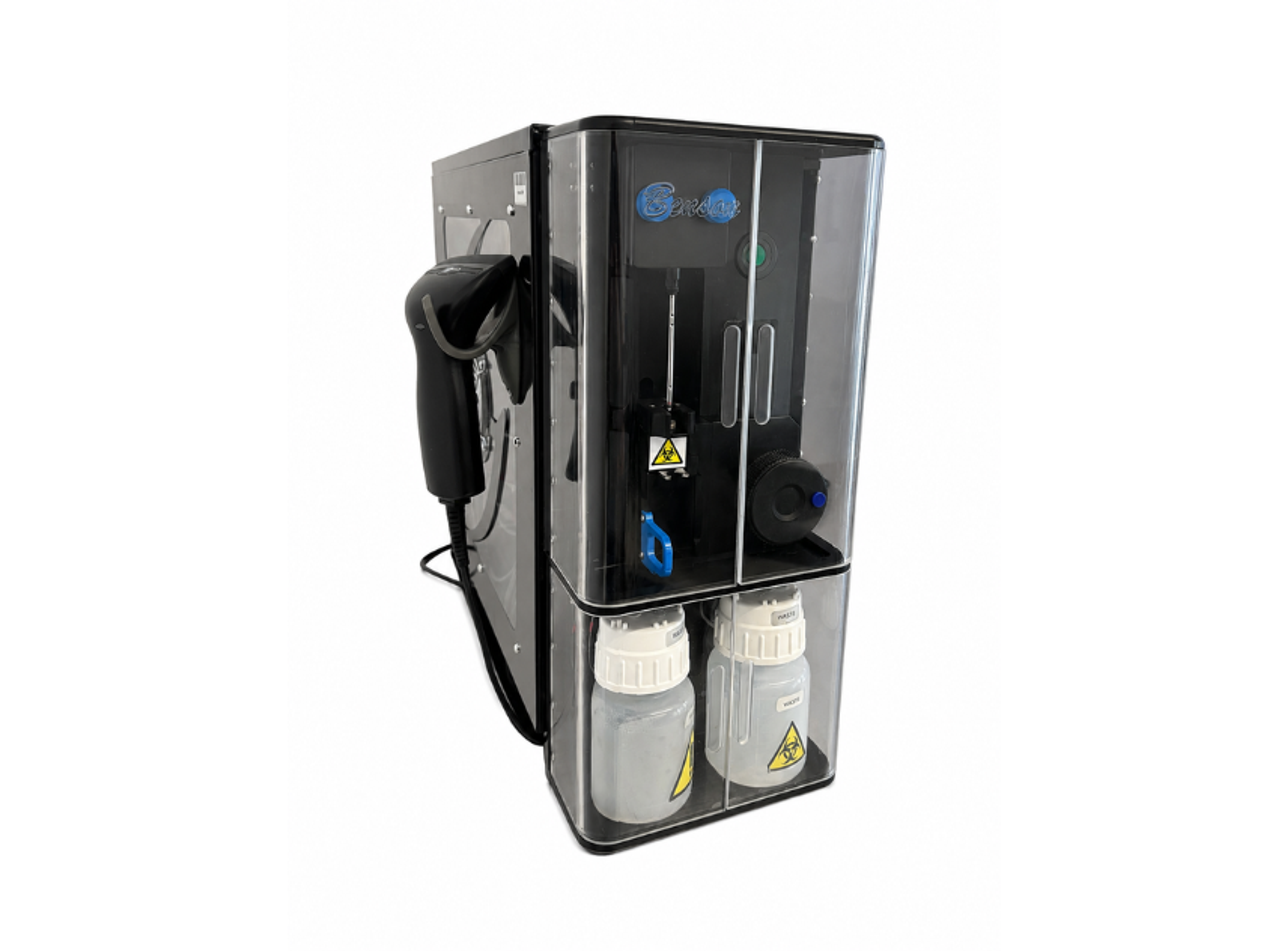
BV1 Semi Automated Clinical Viscometer
Benson Viscometers LtdThe BV1 Semi-Automated Clinical Viscometer is designed for laboratories and research settings requiring reliable viscosity measurements from low to moderate sample volumes. The BV1 provides rapid, immediate results while requiring a small sample volume. Its intuitive, semi-automated operation and interactive user interface support efficient, consistent testing across a range of clinical and research applications.
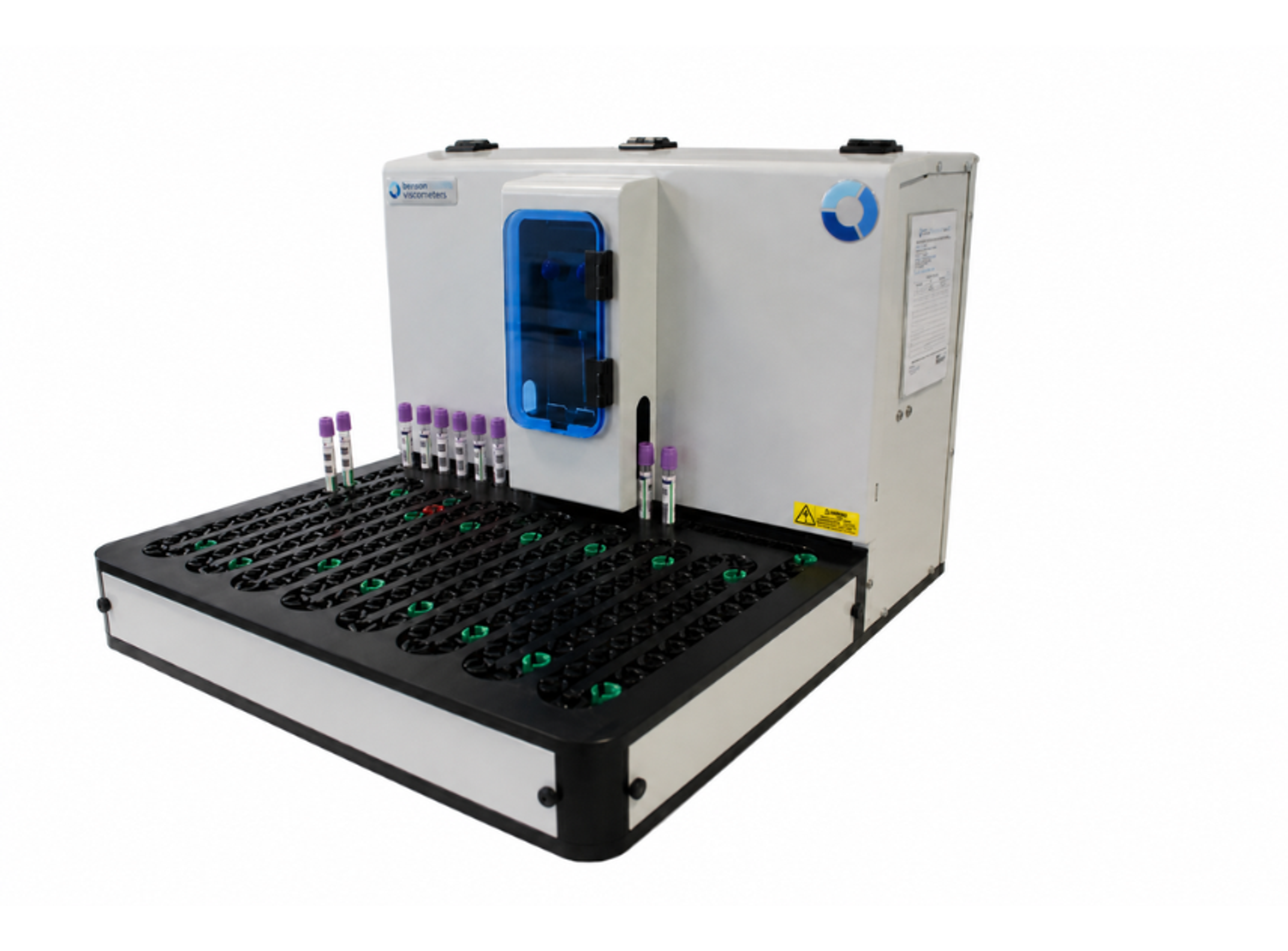
BV200 Automated Clinical Viscometer
Benson Viscometers LtdThe BV200 Automated Clinical Viscometer is designed for laboratories and clinical settings requiring high-throughput, reliable plasma viscosity testing. Capable of processing up to 180 samples per load and delivering results in less than 1 minute, the BV200 enables efficient, automated testing with minimal hands-on time.