
BV1 Semi Automated Clinical Viscometer
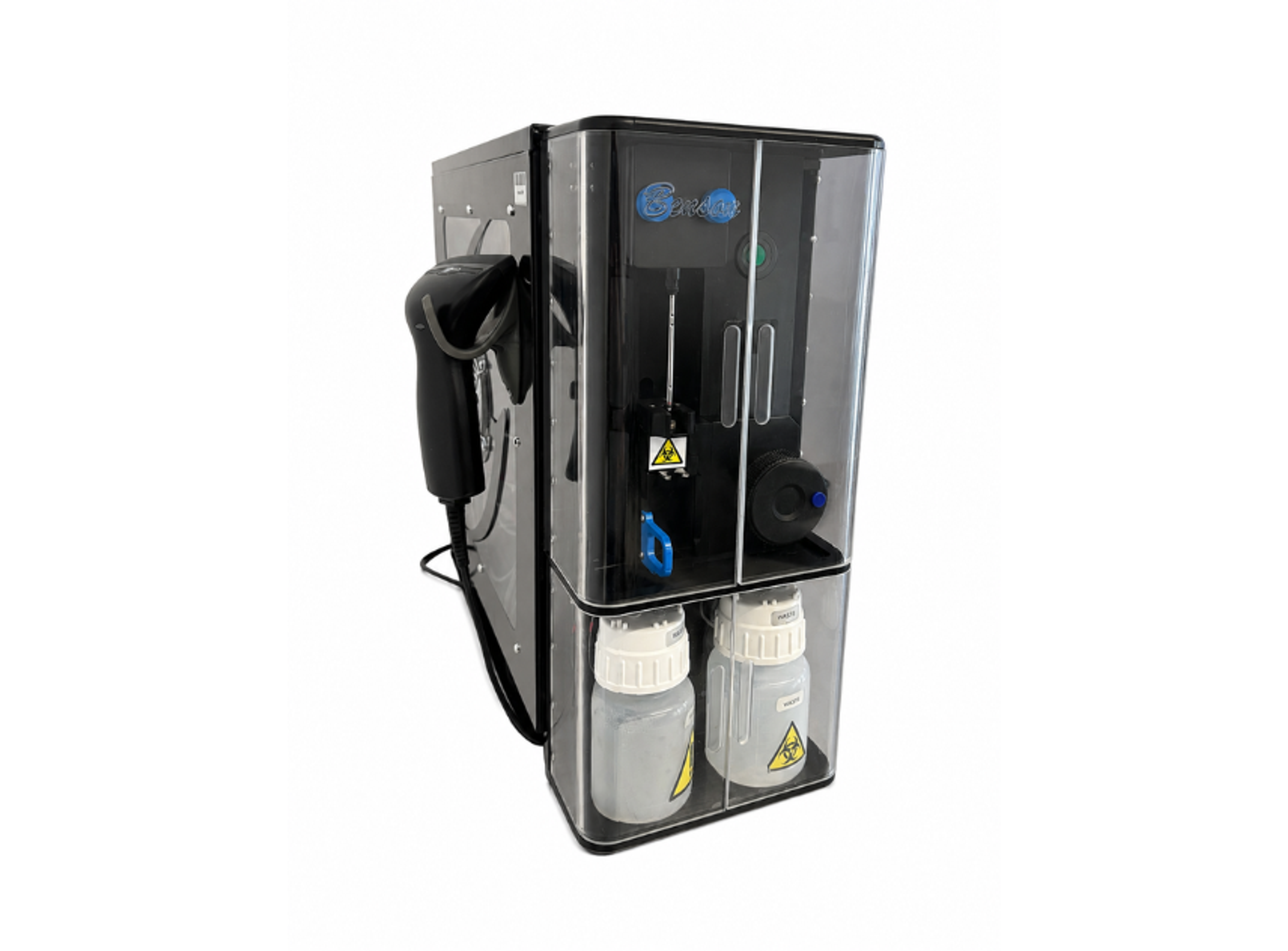
The BV1 Semi-Automated Clinical Viscometer is designed for laboratories and research settings requiring reliable viscosity measurements from low to moderate sample volumes. The BV1 provides rapid, immediate results while requiring a small sample volume. Its intuitive, semi-automated operation and interactive user interface support efficient, consistent testing across a range of clinical and research applications.
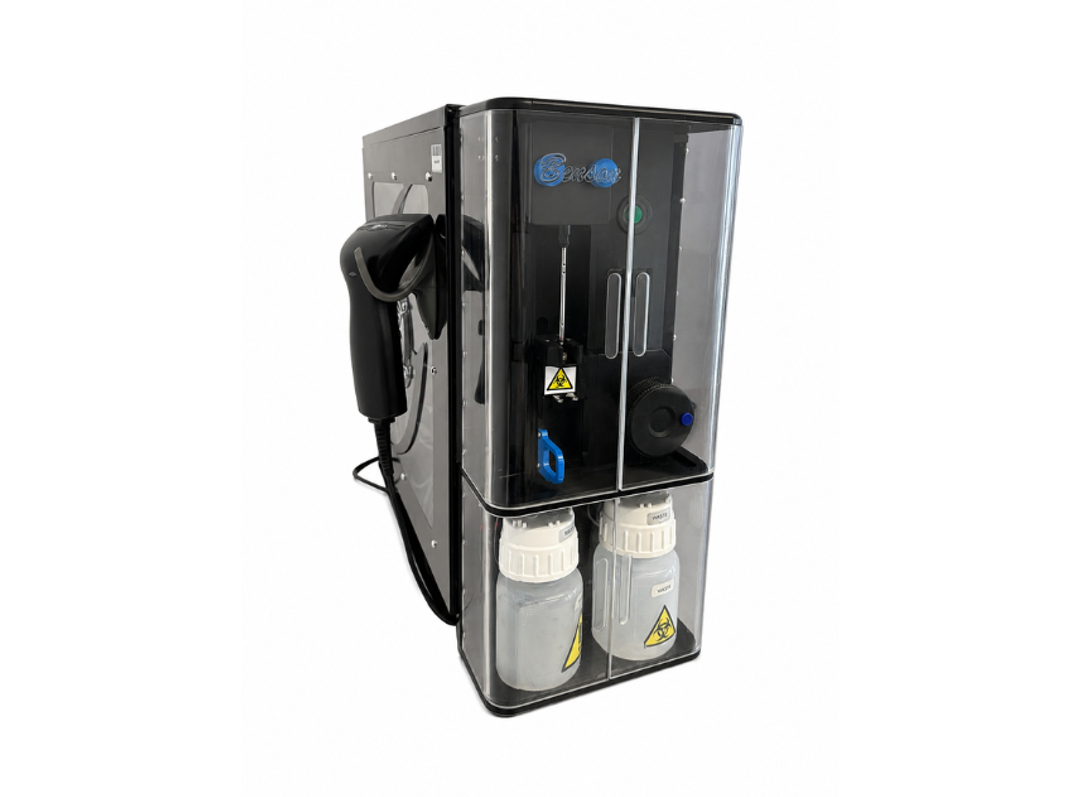
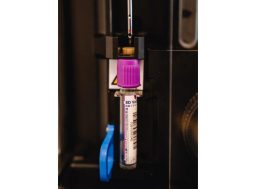
BV1 Sample aspiration

Receive your quote directly from the manufacturer.
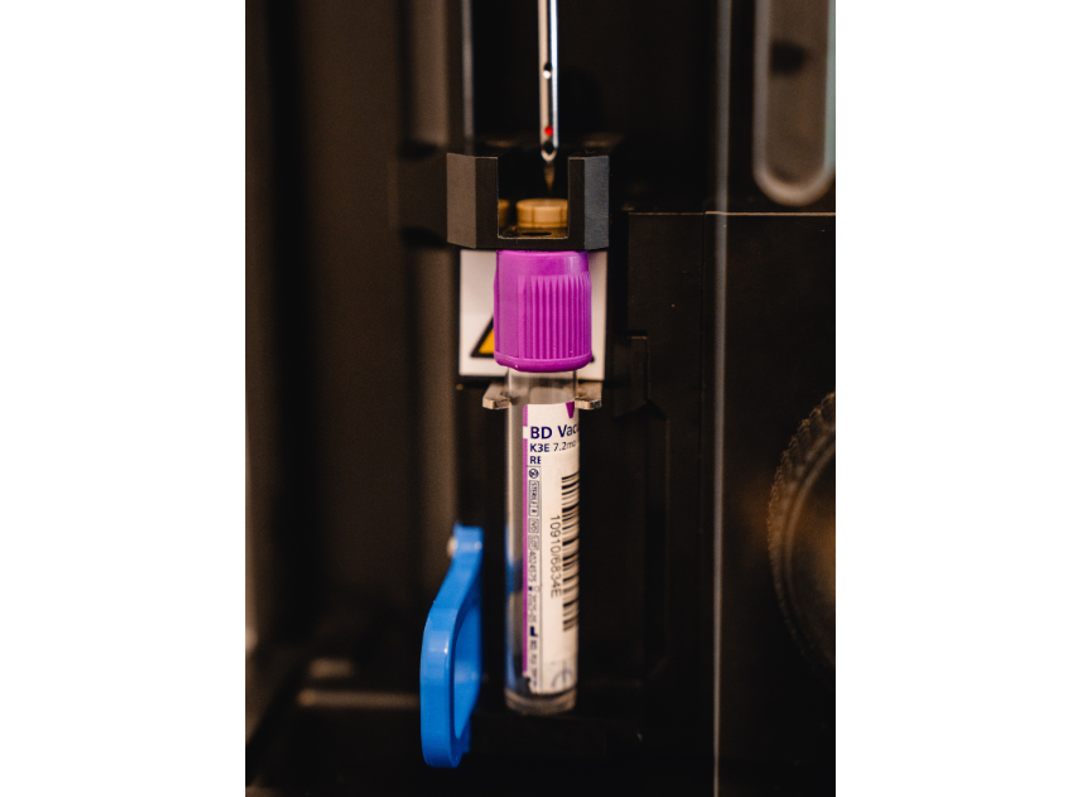
The BV1 can test directly from the primary blood collection tube, with optional through-cap sampling helping to reduce sample handling and biohazard risks. Following a routine Full Blood Count, the remaining sample can be used for Plasma Viscosity analysis, eliminating the need for an additional blood sample. Results are displayed to two decimal places, with testing performed at 37°C and results reportable at 37°C or 25°C.
Key Features & Benefits:
- Measures plasma & serum viscosity
- Requires small sample volume
- Optional through-cap sampling from the primary blood collection tube
- Compatible with tubes from leading blood collection tube manufacturers
- Suitable for adult and paediatric samples, including repeat testing
- Rapid sample turnaround time
- Quality control checks performed after every 6 patient samples
- Network interface for LIMS/LIS connectivity
- Barcode-based data recording supports patient confidentiality
Applications:
- Multiple Myeloma
- Waldenström’s Macroglobulinemia
- Hyperviscosity Syndrome
- Temporal Arteritis
- Polymyalgia Rheumatica
- Rheumatoid Arthritis
- COVID-19
- Cardiovascular Disease
- Other infection and inflammatory conditions

Why Choose Plasma Viscosities?
Harkness Published an original paper on the clinical value of plasma viscosity measurements in 1971. Plasma viscosity was demonstrated to be a useful and reliable measurement, superior to erythrocyte sedimentation rate. Despite this, plasma viscosity measurements are not included in standard clinical tests around the world today. This application note demonstrates the merits of plasma viscosity measurements and why they should be taken up by the larger scientific community.
Screening for Hyperviscosity Syndrome: Choosing the Right Technology
Plasma hyperviscosity is a secondary condition which may present in a large number of clinical states. Increase in viscosity of plasma usually results from increased circulating monoclonal and polyclonal immunoglobulin disorders. This application note discusses the clinical implications of hyperviscosity, treatment strategies and the correct technology for monitoring plasma viscosity.
Replacement of ESR with Plasma Viscosity
Both plasma viscosity and erythrocyte sedimentation rate (ESR) are used to screen for the presence of infection or inflammation and to monitor disease activity. However, there are differences between each test. This application note presents the difference between ESR and plasma viscosity measurements and the physiological factors that influence them.
Viscometers of Choice for Monitoring All Inflammatory Conditions
The BV1 single sample plasma viscometer is the latest development from Benson Viscometers. This system is ideal for the pathology laboratory or speciality clinic looking for immediate results on 1 to 50 plasma samples a day. It is perfect for all situations where small test volumes are critical since the BV1 only requires 80 micro litres of plasma taken from a routine full blood count collection tube.
The BV1 Single Sample Plasma Viscometer
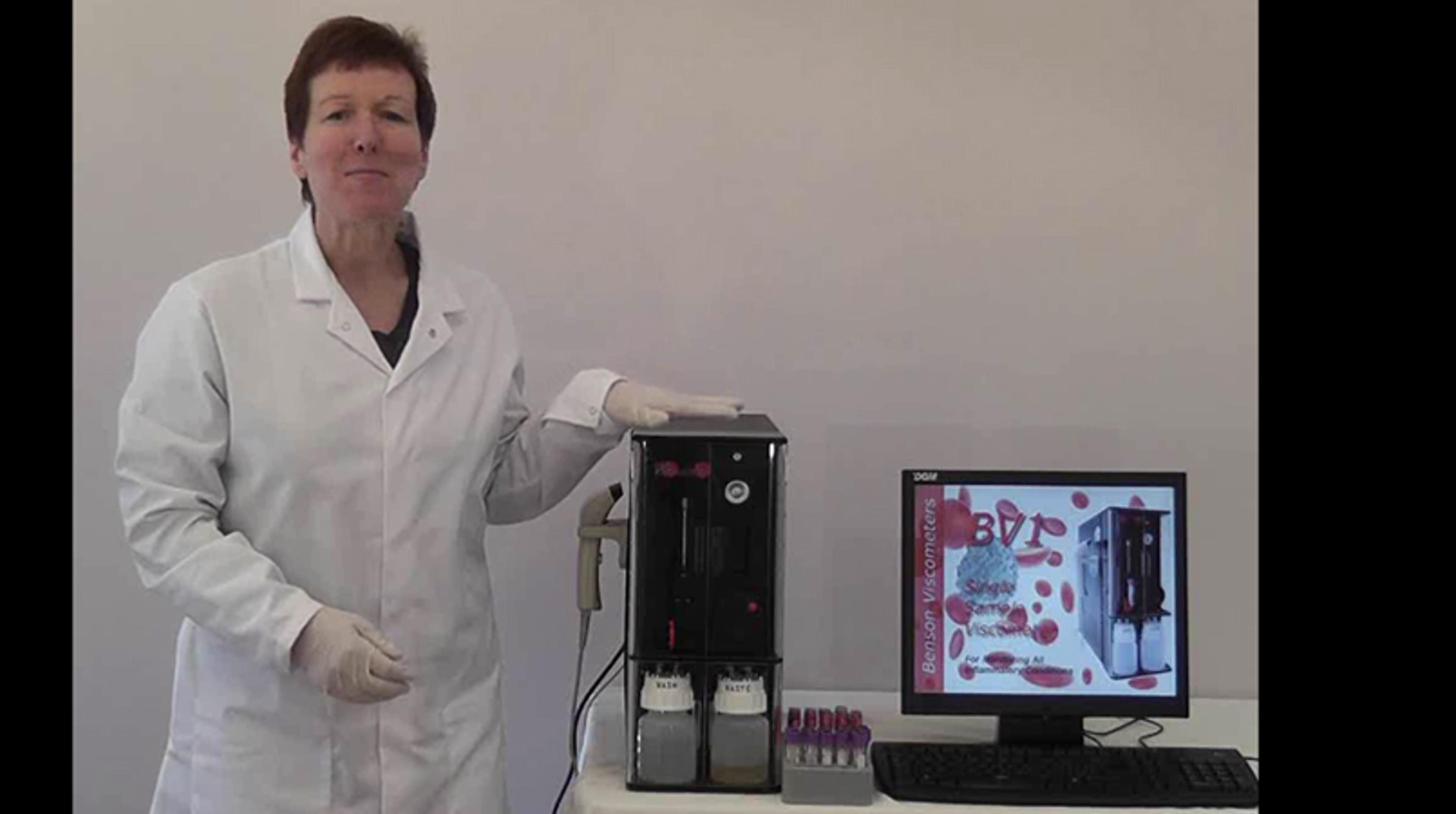
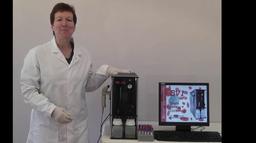
This video demostration explains how to use the BV1 Single Sample Viscometer and explains the key features that make it perfect for remote sample analysis. The capilliary viscometer can analyze plasma samples stored in EDTA without removing the cap, even if the sample has been previously used for other analyses. The viscometer utilizes only 50-80 µl of plasma per analyses, allowing repeat testing for pediatric and adult samples.
Product Overview
Links
Featured products
Request Quote for All Products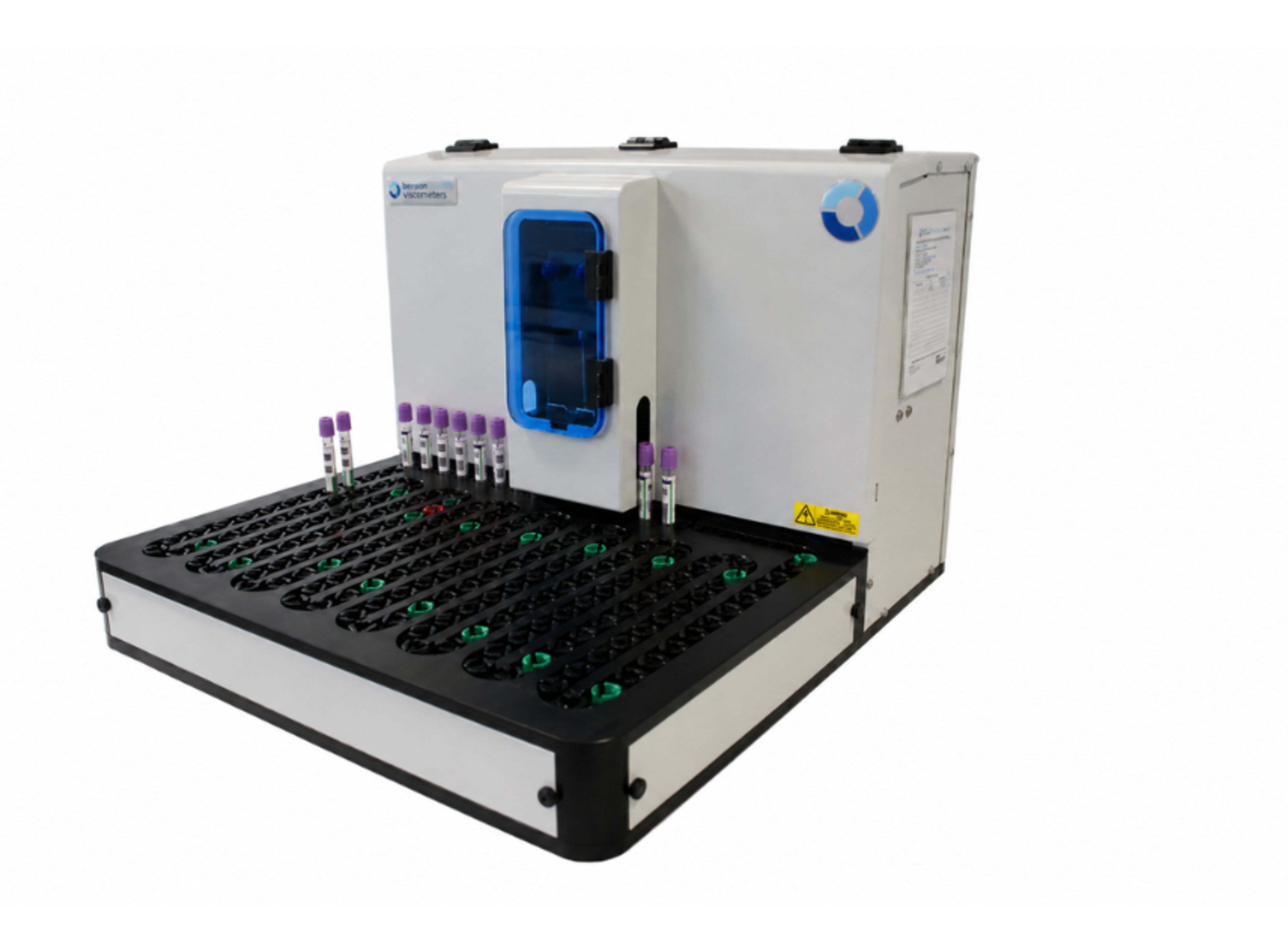
BV200 Automated Clinical Viscometer
Benson Viscometers LtdThe BV200 Automated Clinical Viscometer is designed for laboratories and clinical settings requiring high-throughput, reliable plasma viscosity testing. Capable of processing up to 180 samples per load and delivering results in less than 1 minute, the BV200 enables efficient, automated testing with minimal hands-on time.