ResourceSeparations
Pigment Processing: The Isolation of the Naturally Beautiful
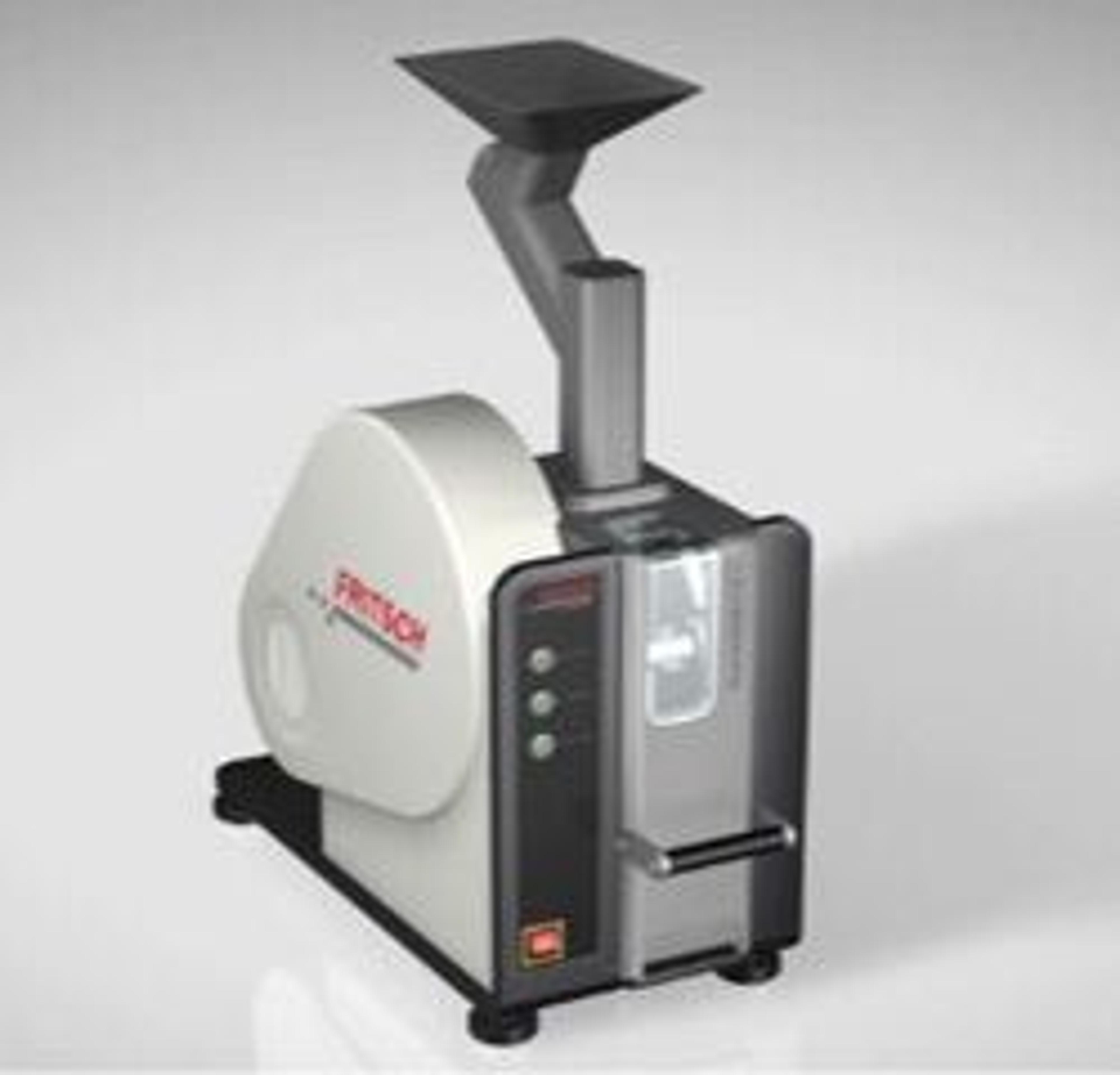
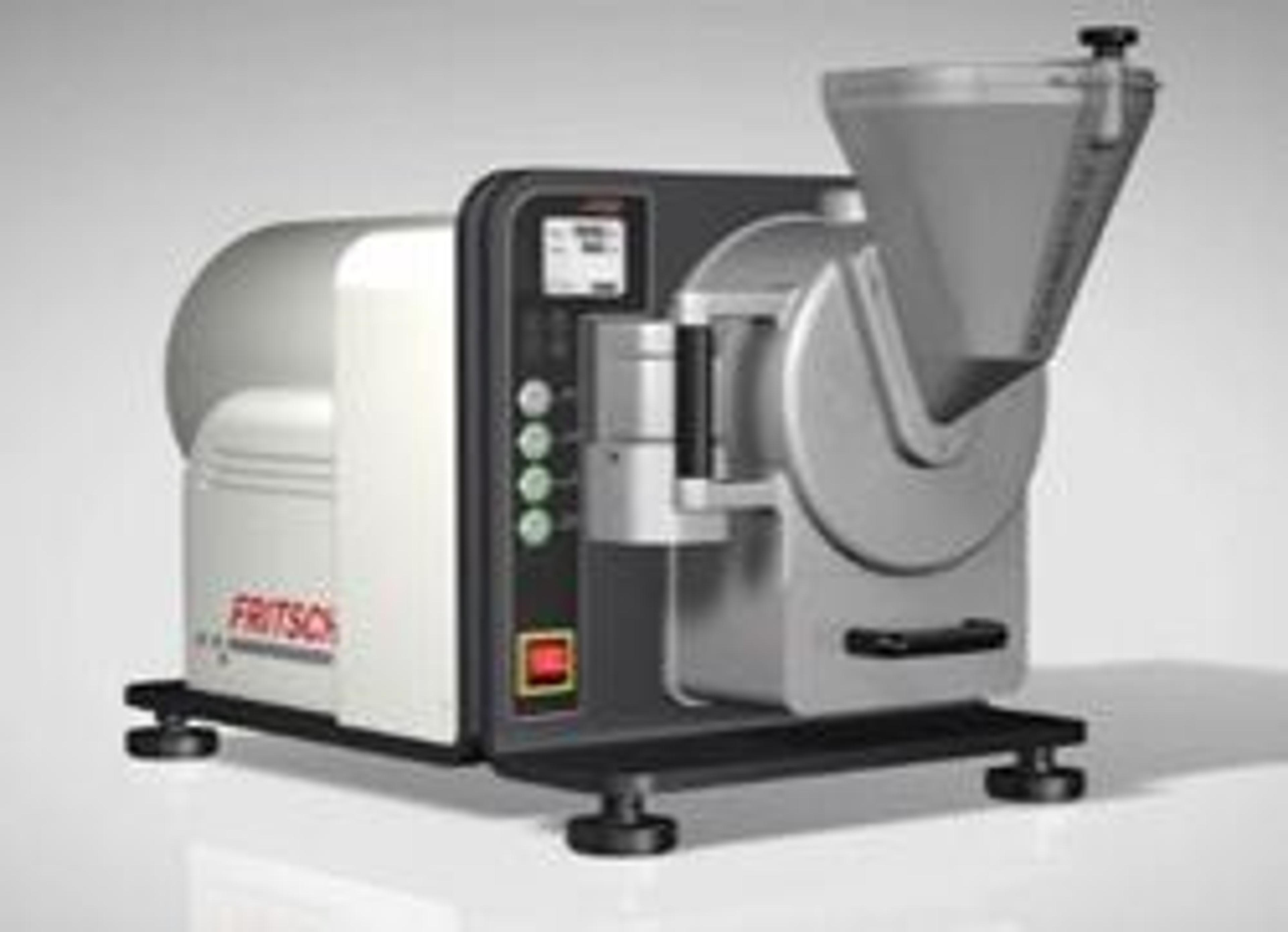
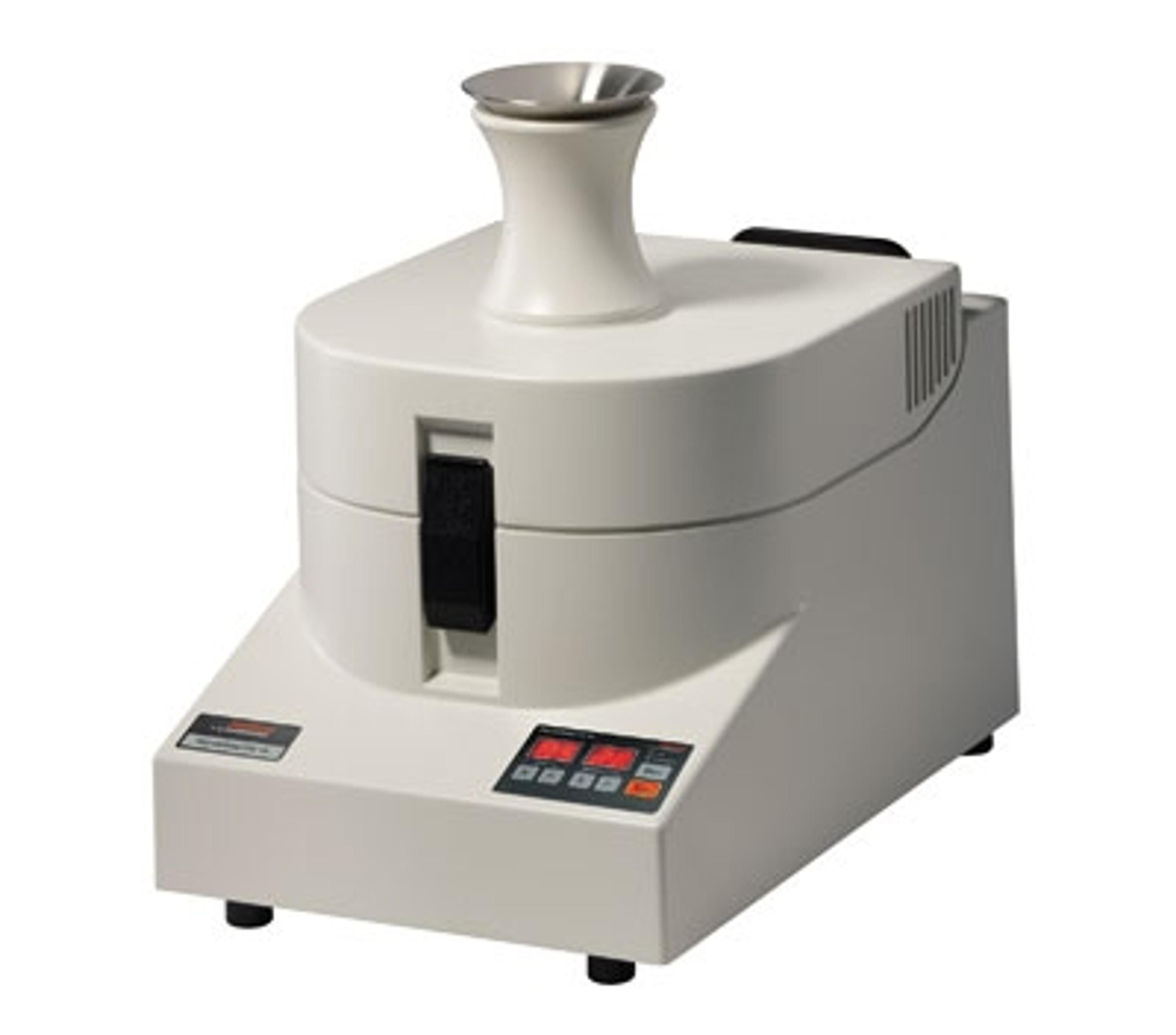
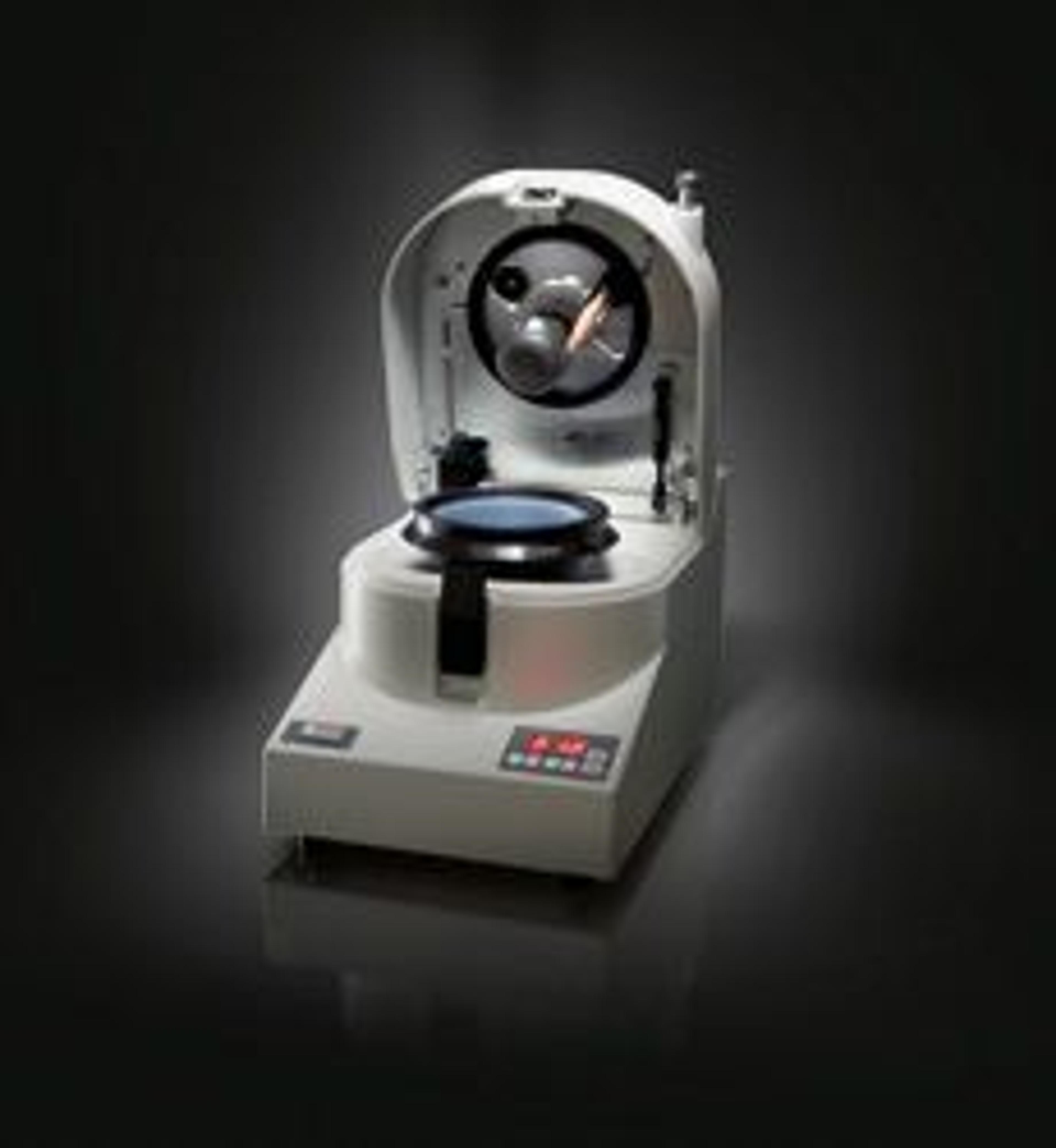
12 Nov 2013Mankind has always enjoyed enduring works of art. The particles of the pigments have always been playing a major role. For example, the oldest cave paintings still impress us today. One of the most renowned experts for the production of historical pigments is Dr. Kremer from Aichstetten (Bavaria, Germany). This case study highlights the importance of FRITSCH laboratory mills in Dr. Kremer’s pigment processing.
Links
Tags
Sample PreparationSample preparation can improve the quality and speed of separation techniques. Products to assist sample preparation include filtration equipment, evaporators, membranes and sieves.Particle CharacterizationParticle characterization instruments are used to determine particle size distribution, shape, surface area, zeta potential, density and porosity of particles and materials. Multiple tecchniques are available for determining particle size, shape and count including dynamic light scattering (DLS), laser diffraction, electrozone (Coulter technique), imaging particle analysis and single particle optical sensing. Determine the density of your material with a gas pycnometer or examine its surface area and porosity with gas adsorption analyzers and mercury porosimeters. Find the best particle characterization instruments in our peer-reviewed product directory: compare products, check customer reviews and receive pricing direct from manufacturers.MillingMilling is the process of grinding, crushing, or cutting materials into smaller parts. In scientific research, it plays a crucial role in sample preparation for analysis in areas such as food, pharmaceuticals, and materials science. Explore milling equipment in our peer-reviewed product directory; compare products, check reviews, and get pricing directly from manufacturers.