
ResourceMaterials
Particle Sizing for the Determination of Particle Size Distributions
12 May 2013In addition to discussing why particle size analysis is so important and discussing the techniques that are currently available to measure particle size, this application note from Fritsch highlights the importance of sample dispersion. Methods for both wet dispersion and dry dispersion are presented.
Related products
Request Quote for All Products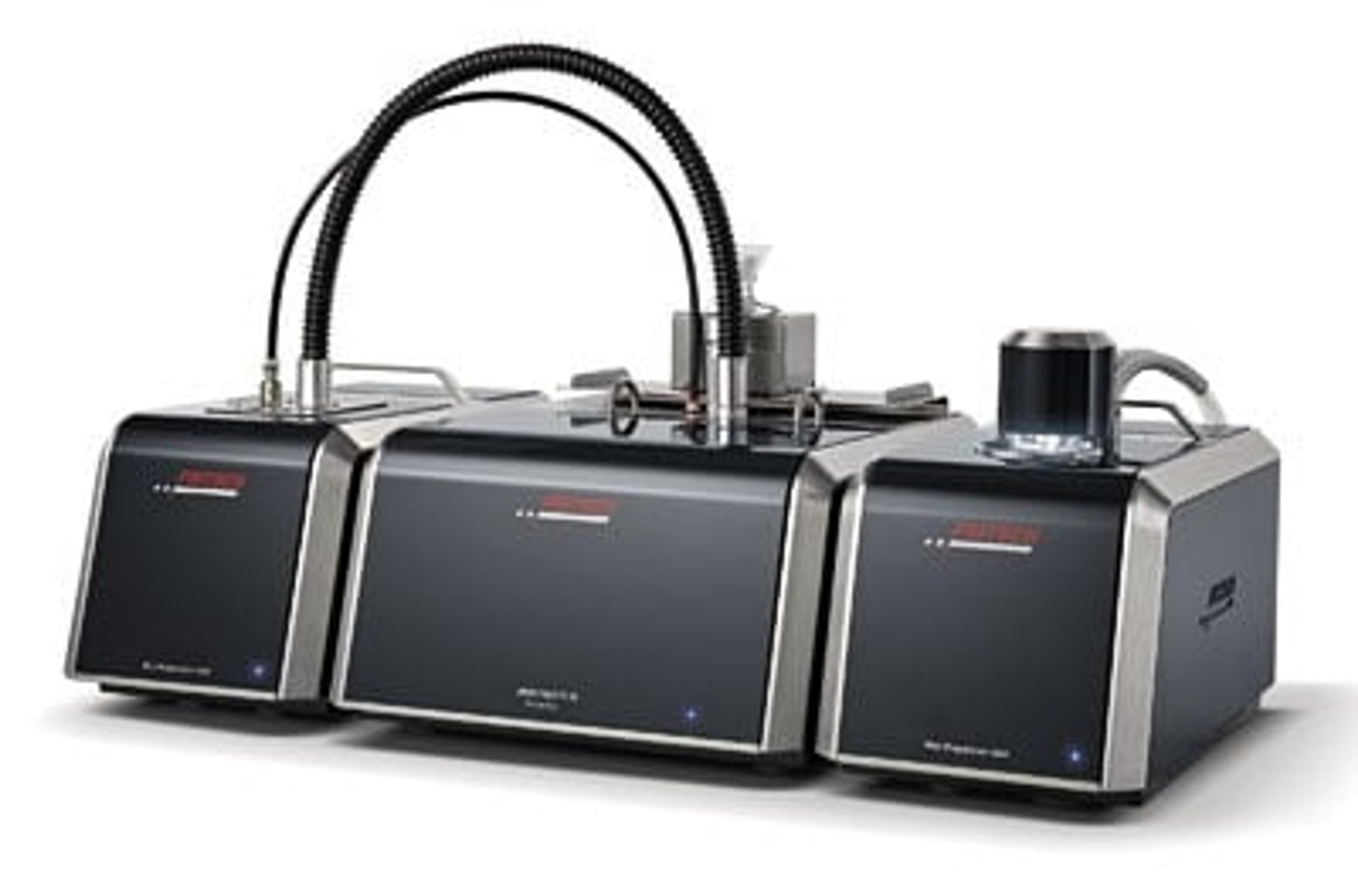
Laser Particle Sizer ANALYSETTE 22
Fritsch GmbH - Milling and SizingLaser particle sizing at the push of a button: 10 nm – 2100 µm
Links
Tags
Particle CharacterizationParticle characterization instruments are used to determine particle size distribution, shape, surface area, zeta potential, density and porosity of particles and materials. Multiple tecchniques are available for determining particle size, shape and count including dynamic light scattering (DLS), laser diffraction, electrozone (Coulter technique), imaging particle analysis and single particle optical sensing. Determine the density of your material with a gas pycnometer or examine its surface area and porosity with gas adsorption analyzers and mercury porosimeters. Find the best particle characterization instruments in our peer-reviewed product directory: compare products, check customer reviews and receive pricing direct from manufacturers.