
ResourceLife Sciences
Osmolality as a valuable tool in formulation studies for advanced therapies
27 Mar 2020Whilst osmolality is a compendial QC test for final product release, it’s also useful in formulation development and stability studies for drug products. It provides the excipient concentration and can confirm the soluble content of formulations. In this scientific poster, the rapidly advancing field of cell therapy is discussed, where cryoprotective storage strategies are common.
Related products
Request Quote for All Products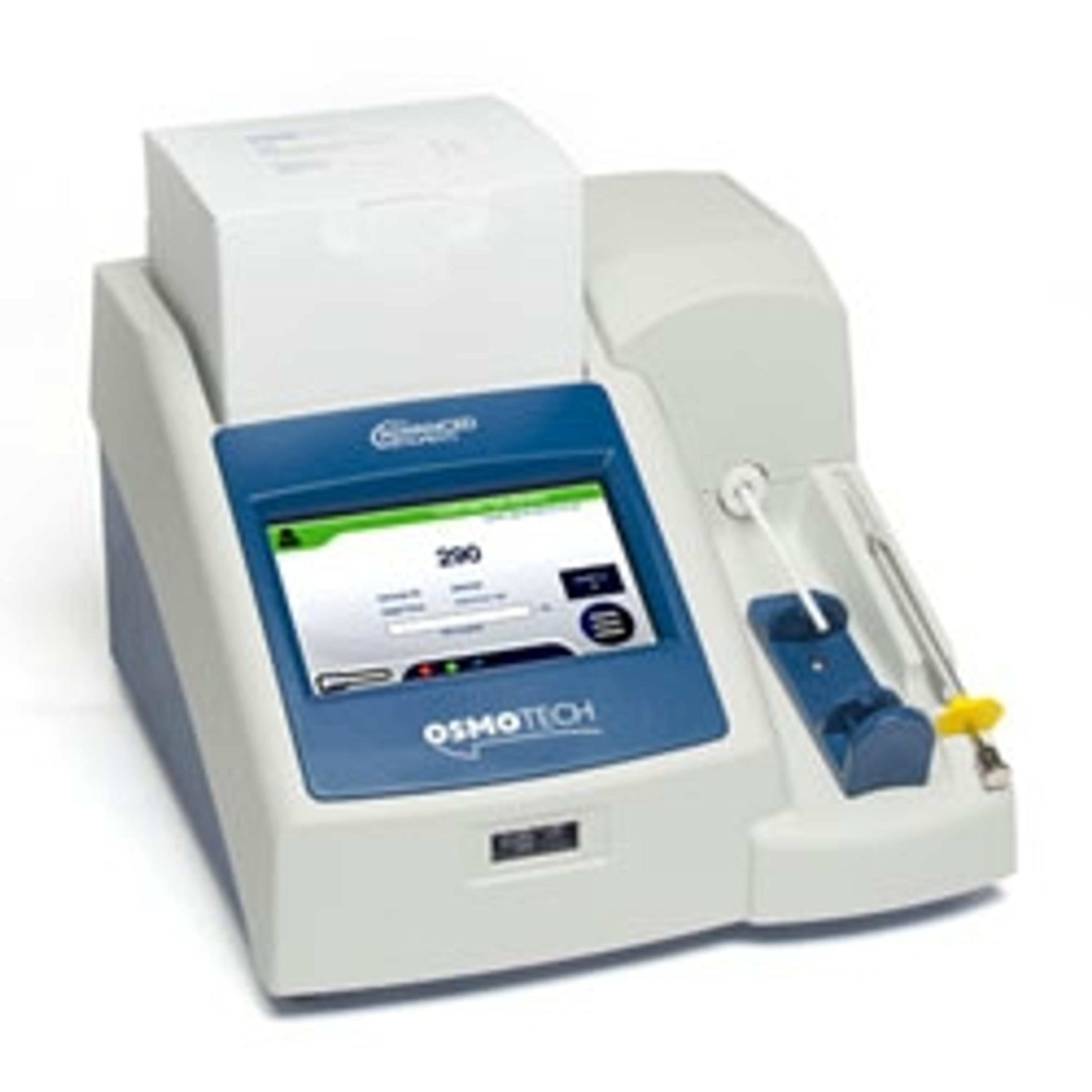
Advanced Instruments® OsmoTECH® Single-Sample Micro-Osmometer
Nova Biomedical (with Advanced Instruments)Designed specifically to meet the demanding needs of the biotech industry
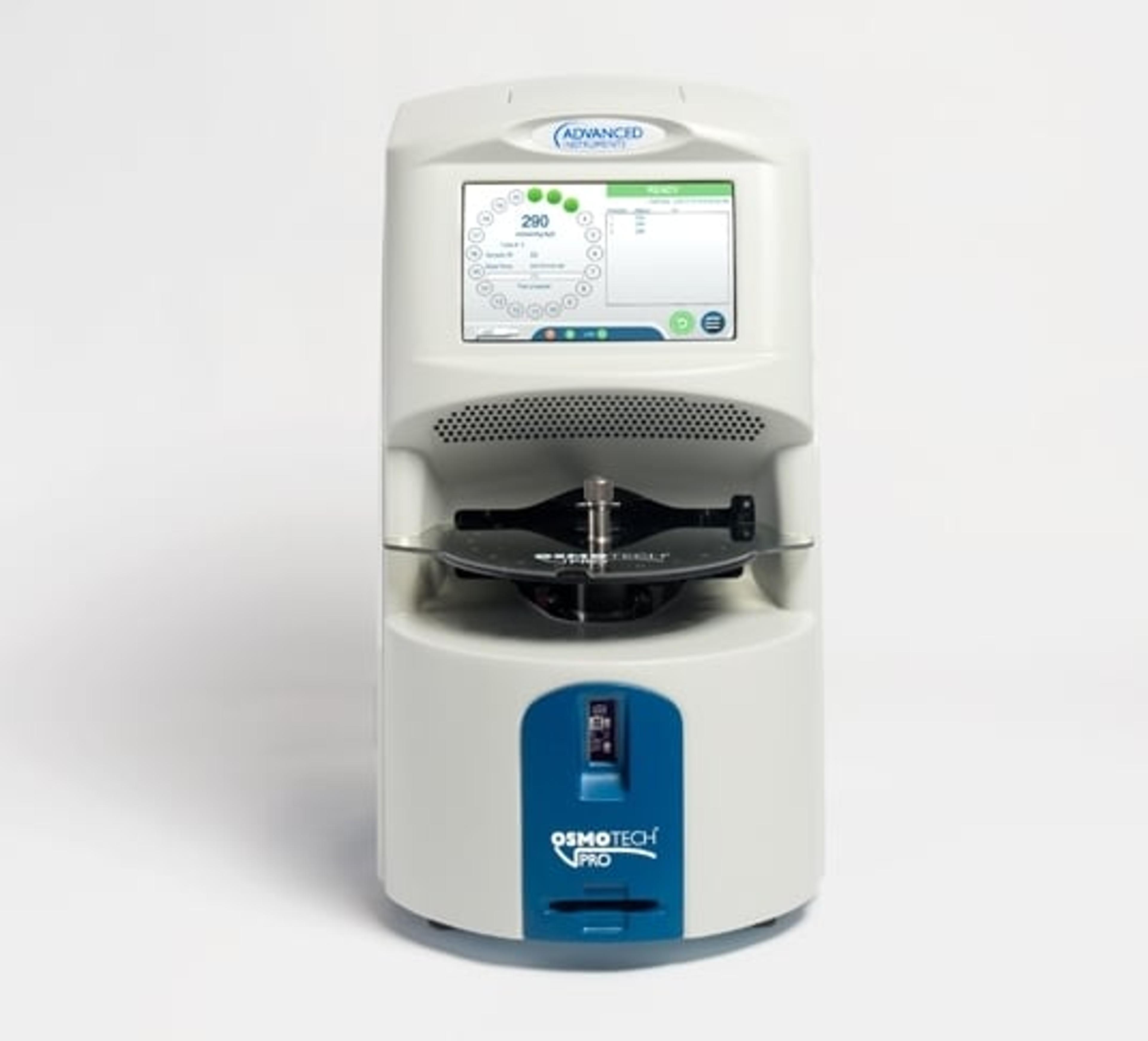
Advanced Instruments® OsmoTECH® PRO Multi-Sample Micro-Osmometer
Nova Biomedical (with Advanced Instruments)Built for biotech with robust data features supporting 21 CFR Part 11 & EU Annex 11 compliance. User-friendly with flexible data settings to streamline your workflow.
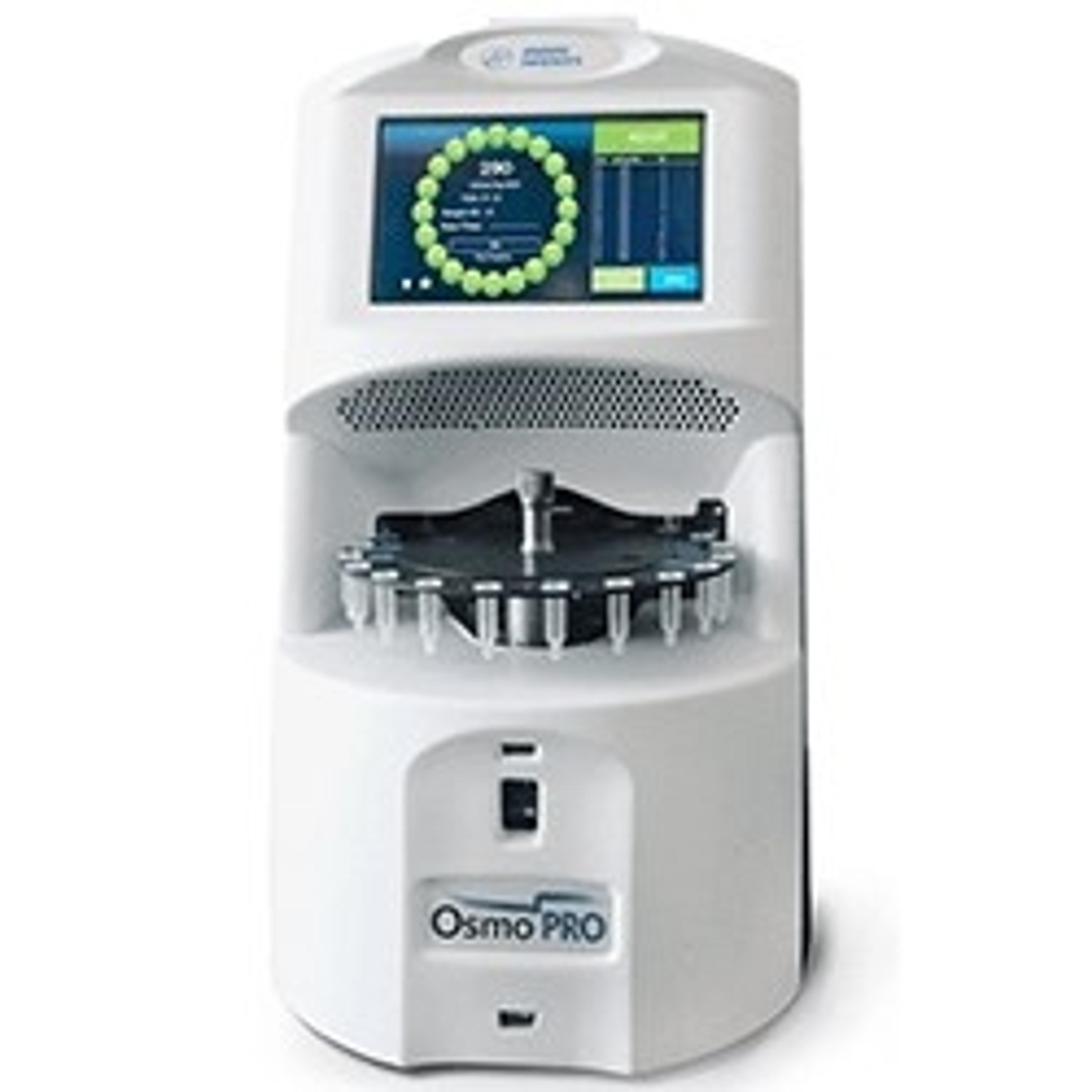
OsmoPRO® Multi-Sample Micro-Osmometer
Nova Biomedical (with Advanced Instruments)Automated osmolality testing, designed to drive lab efficiency.
Links
Tags
Biopharmaceutical AdvancesBiopharmaceutical advances follow the development of pharmaceuticals derived from biotechnology, also known as biotechnology medicines. Biopharmaceuticals may be produced from cell lines, plants, or microbial cells. Important considerations of biopharmaceutical use include application, cost, production process and purification.OsmometryIn osmometry, the osmotic strength of a solution, colloid or compound is measured. Osmotic strength is a measurement of the total concentration (distinct from molarity) of dissolved material in solution. This technique is often used for the determination of average molecular weight.Protein QuantificationThe detection and quantification of proteins in a sample is vital across life sciences, pharmaceutical research and clinical diagnostics, and a variety of equipment is available to scientists to simplify the workflow. Proteins of interest can be easily labeled and detected on light-based detection instruments. Immunoassay kits allow you to identify a specific protein of interest and protein detection beads or antibody microarrays allow you to identify multiple specific proteins at once. Protein interactions and enzyme activity can also be monitored with protein-protein interaction assays. Additionally, the biophysical characterization of proteins is made easy with biokinetic analyzers. Find the best protein detection and quantification products in our peer-reviewed product directory: compare products, check customer reviews and receive pricing direct from manufacturers.Protein ExpressionProtein expression is the utilization of cell machinery for the synthesis of proteins and has become a critical tool in biotherapeutic, genomic, and proteomic research. Produce recombinant proteins with expression vectors in combination with a host cell suitable for high-level protein expression. For production of toxic proteins, consider cell-free expression vectors. Create and monitor post-translational modifications with protein modification kits. Find the best protein expression products in our peer-reviewed product directory: compare products, check customer reviews and receive pricing direct from manufacturers.CryopreservationBiopharmaceuticalsBiopharmaceuticals are proteins and other compounds (such as nucleic acids) produced by living organisms that have uses as therapeutics or for in vivo diagnostics. The most well known example of a biopharmaceutical product, and the first to be approved for therapeutic use, was recombinant human insulin.Cell TherapyCell therapy involves using living cells to treat diseases, often by replacing damaged cells or stimulating regeneration. Stem cell therapy and CAR-T cell therapy are examples of cutting-edge treatments in regenerative medicine and cancer immunotherapy. Browse our peer-reviewed product directory to find the best cell therapy tools, compare products, check reviews, and get pricing directly from manufacturers.FormulationFormulation is the process of combining active pharmaceutical ingredients with excipients to produce a drug which is both stable and active.TherapeuticsTherapeutics are treatments designed to alleviate or cure diseases. These include pharmaceuticals, biologics, and gene therapies, which work by targeting specific disease mechanisms. Advances in personalized medicine and biologics offer new hope for patients with conditions that were previously difficult to treat. Browse our peer-reviewed product directory to find therapeutic solutions for various diseases; compare products, check user reviews, and get pricing directly from manufacturers.Protein BiologyThe analysis of protein expression, identity and function is vital for many areas of life science research and drug discovery. Some of the most commonly used techniques in protein analysis include Western blotting, electrophoresis and mass spectrometry.