
New sCMOS vs. Current Microscopy Cameras
17 Feb 2012Since the launch of imaging cameras that are based on a sCMOS sensor there has been much speculation about whether or not sCMOS will replace for interline CCD and EMCCD cameras. This note provides an analysis of how these sensitive imaging technologies compare.
Related Products
Request Quote for All Products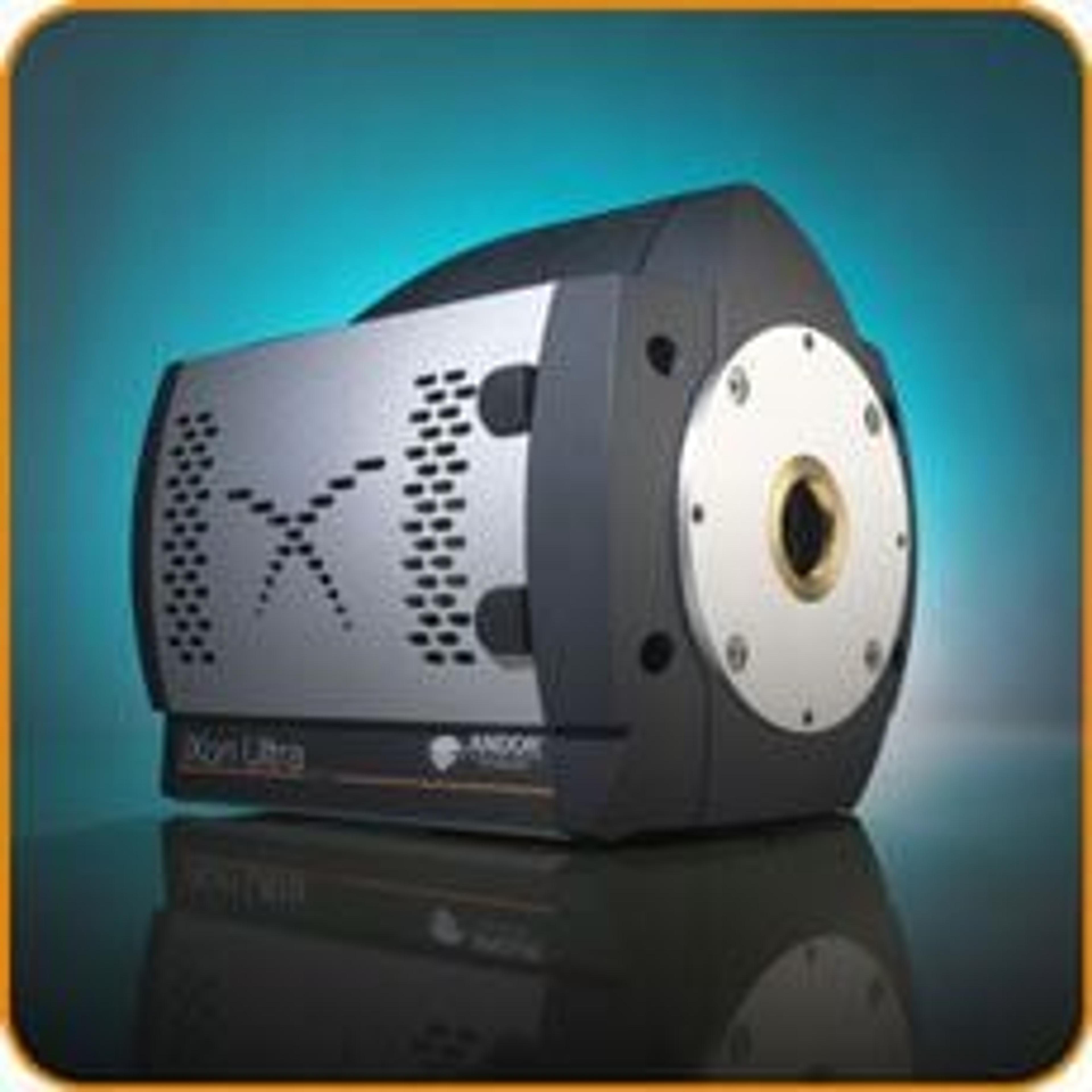
iXon Ultra 897 EMCCD Camera
Oxford Instruments AndorFacilitated by a fundamental redesign, the NEW iXon Ultra platform takes the popular back-illuminated 512 x 512 frame transfer sensor and overclocks readout to 17 MHz, pushing speed performance to an outstanding 56 fps (full frame), whilst maintaining quantitative stability throughout. The status of ‘Ultimate Sensitivity’ is also preserved in this model, offering thermoelectric cooling down to -100°C and industry-lowest clock induced charge noise. Additional unique features of the iXon Ultra include USB connectivity and direct raw data access for on the fly processing. EMCCD and conventional CCD readout modes provide heightened application flexibility, with a new ‘low and slow’ noise performance in CCD mode.
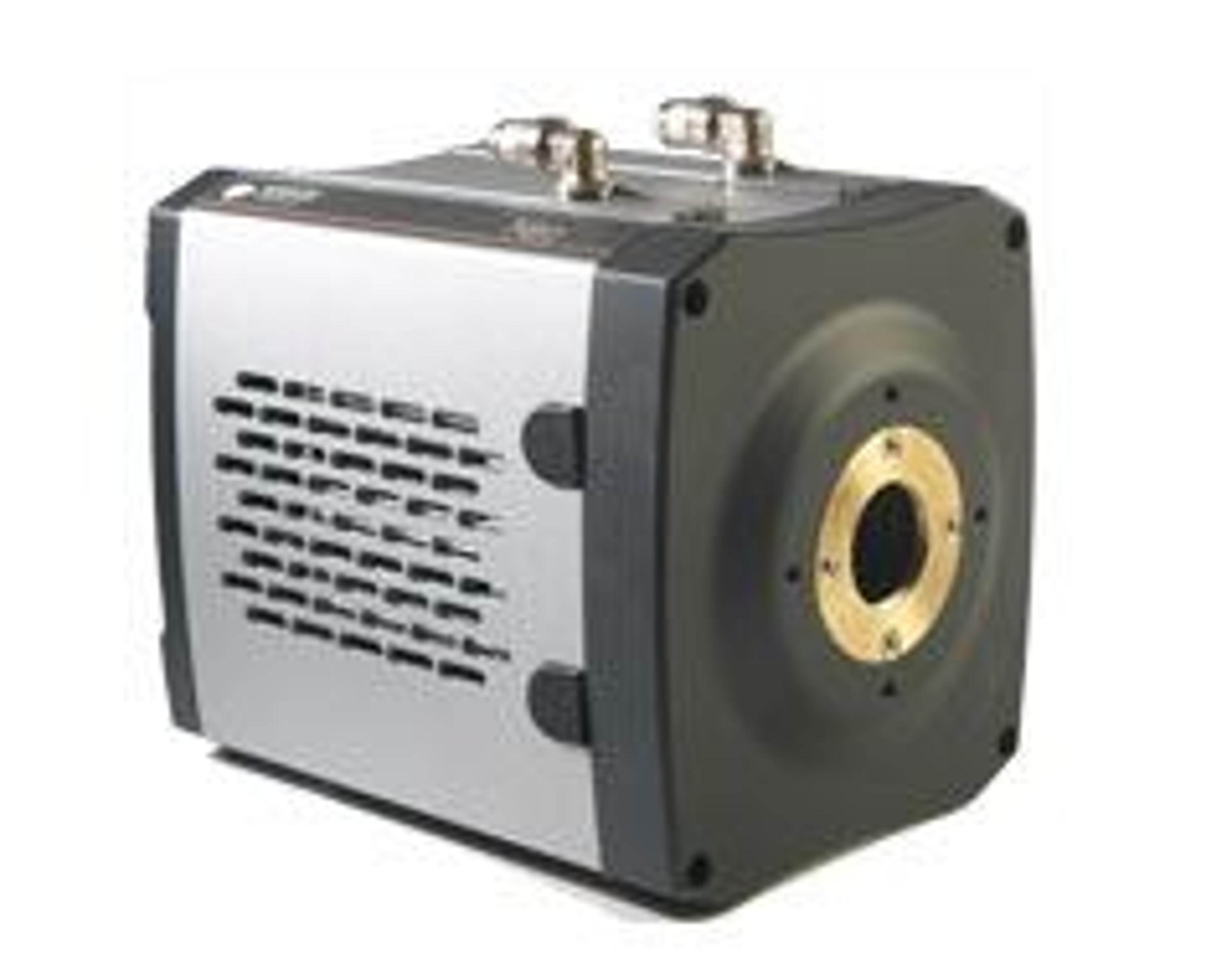
Neo 5.5 - sCMOS Camera
Oxford Instruments AndorThe Neo sCMOS Camera platform has been conceptualised and specifically engineered to harness the full performance potential of this new and exciting sensor technology. Unlike any CCD or CMOS camera to come before, Neo is unique in its ability to simultaneously offer ultra-low noise, extremely fast frame rates, wide dynamic range, high resolution and a large field of view. Neo breaks new boundaries in offering an exceptionally low read noise of 1 e- rms without the need for signal amplification technology. 100 frames/s can be reached with full frame readout, faster with region of interest selection. In Neo, these speeds are uniquely coupled to a dynamic range capability of 30,000:1 with 16-bit digitization.